

Phases of Menstrual Cycle: What You Need to Know
- 9 min read
- Published November 27, 2026
Key Takeaways
- The menstrual cycle is commonly divided into four phases, each shaped by shifting hormone levels.
- Cycle length, symptoms, and ovulation timing can vary from person to person and from month to month.
- Irregular bleeding, very painful periods, or missed cycles may need medical evaluation.
- Tracking cycle patterns can help with fertility planning and with identifying changes early.
- Most period changes are manageable, but persistent symptoms should be discussed with a clinician.
The menstrual cycle is usually described in four phases: menstrual, follicular, ovulatory, and luteal. Understanding how these phases work can help explain period symptoms, fertility timing, and when changes may deserve medical attention.
Overview
The phases of menstrual cycle refer to the natural monthly changes the body goes through to prepare for a possible pregnancy. In a typical cycle, the brain, ovaries, and uterus communicate through hormones, guiding the body from menstruation to ovulation and then into the luteal phase if pregnancy does not occur.
Although many explanations describe a “28-day cycle,” real cycles often vary. A cycle can still be healthy if it is shorter or longer than average, as long as the pattern is generally regular for that person. For patients trying to understand their own cycle, the most helpful question is often not whether it matches a textbook, but whether it follows a predictable rhythm.
Knowing the phases can be useful for several reasons. It helps explain common symptoms such as cramps, breast tenderness, acne, bloating, mood changes, and changes in cervical mucus. It also gives context for fertility, since the fertile window usually centers around ovulation rather than the entire month.
The Four Phases of the Menstrual Cycle
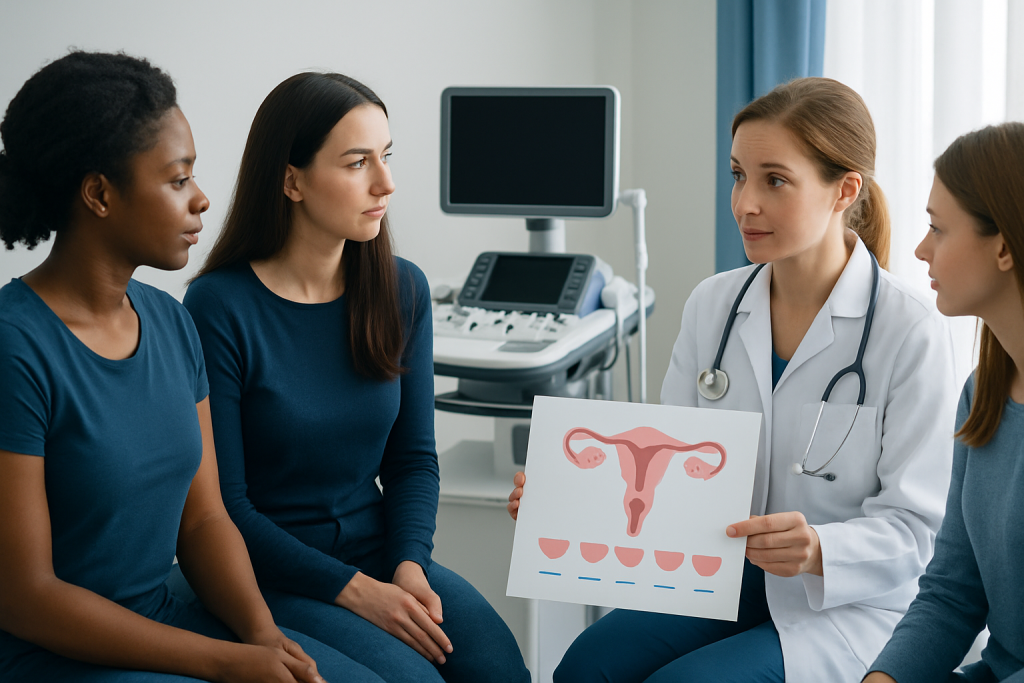
The menstrual phase begins on the first day of bleeding and is what most people call a period. During this time, the lining of the uterus is shed because pregnancy has not occurred. Hormone levels are relatively low at the start of this phase, which is one reason some people feel tired, crampy, or emotionally sensitive.
Next comes the follicular phase, when the body starts preparing an egg for release. The pituitary gland sends follicle-stimulating hormone, which encourages follicles in the ovaries to mature. One follicle usually becomes dominant, and estrogen levels rise as the uterine lining begins rebuilding itself.
Ovulation is the point at which the mature egg is released from the ovary. It usually happens once per cycle, often around the middle of the cycle, though the exact timing can vary. This phase is important because the egg can be fertilized for a limited time, and sperm may survive in the reproductive tract for several days.
After ovulation, the luteal phase begins. The emptied follicle turns into the corpus luteum and produces progesterone, which helps stabilize the uterine lining. If pregnancy does not happen, hormone levels fall, the lining is no longer supported, and the next menstrual phase begins.
- Menstrual phase: shedding of the uterine lining
- Follicular phase: follicle growth and estrogen rise
- Ovulatory phase: egg release from the ovary
- Luteal phase: progesterone-dominant waiting period before the next period
Common Symptoms by Phase

Symptoms often change across the cycle because different hormones are active at different times. During menstruation, cramping, lower back discomfort, headaches, and fatigue may be more noticeable. Some people also experience bowel changes or a heavier emotional load during the first days of bleeding.
In the follicular phase, energy may gradually improve as estrogen rises. Some people notice clearer skin, a better mood, and improved concentration. Cervical mucus may also become thinner and more slippery as ovulation approaches, which is a normal sign that the body is moving toward its fertile window.
Around ovulation, some people notice one-sided pelvic discomfort, mild bloating, or a brief increase in discharge. In the luteal phase, progesterone can contribute to breast tenderness, bloating, constipation, food cravings, sleep changes, or irritability. These symptoms are often part of premenstrual syndrome, but they should still be taken seriously if they interfere with daily life.
Causes and Risk Factors for Irregular Cycles
Cycle variation can happen for many reasons, and not all irregularity indicates a problem. Stress, travel, significant weight changes, intense exercise, poor sleep, and illness can all influence hormone signaling. In adolescents and in the years leading up to menopause, cycles may naturally become less predictable as hormone patterns shift.
Some medical conditions can also affect the menstrual cycle. Polycystic ovary syndrome, thyroid disorders, high prolactin levels, uterine fibroids, endometriosis, and certain medications may change cycle timing, flow, or pain levels. Pregnancy and breastfeeding can also stop or alter periods, which is normal in those settings.
Risk factors for irregular cycles often overlap with overall health factors. A clinician may ask about recent lifestyle changes, eating patterns, exercise habits, mental health, and any new symptoms such as acne, excess hair growth, hot flashes, or pelvic pain. These details help determine whether the pattern is likely benign or deserves further testing.
How Doctors Diagnose Cycle Problems
Evaluation usually begins with a detailed history. A doctor will often ask when the last period started, how long cycles usually last, how heavy the bleeding is, whether there is pain, and whether there have been any recent changes. Tracking dates, symptoms, and flow in a calendar or app can make this conversation much easier.
Depending on the concern, diagnosis may include a physical examination, pregnancy test, blood tests, or imaging. Blood work can help assess hormone-related causes such as thyroid disorders or ovulation problems. Pelvic ultrasound may be used to look for fibroids, ovarian cysts, or other structural causes of abnormal bleeding or pain.
Not every irregular cycle needs a long workup, but persistent or severe changes should not be ignored. The right test plan depends on age, symptoms, medical history, and whether fertility planning is part of the picture. In international care settings, patients may benefit from having records, previous imaging, and medication lists ready before the appointment.
Treatment Options and Medical Management
Treatment depends on the underlying cause and on what the patient is hoping to improve. Some people mainly want lighter bleeding or less pain, while others are focused on restoring regular cycles or supporting conception. The same symptom can have different treatment goals, so care is usually individualized.
Common management options may include pain relief measures, hormonal treatments, or treatment of an underlying condition such as thyroid disease or PCOS. Lifestyle adjustments can also matter, especially when stress, nutrition, exercise patterns, or sleep disruption are contributing to cycle changes. For some patients, treating the root cause can gradually normalize the pattern.
If heavy bleeding leads to low iron, anemia may need attention as well. If ovulation is not occurring regularly and pregnancy is desired, fertility-focused evaluation may be appropriate. Patients should avoid starting hormone medicines or supplements without medical advice, especially if they are traveling for care or coordinating treatment across countries.
Prevention and Self-care
Not every cycle problem can be prevented, but some habits can support more stable hormone patterns. Regular meals, adequate sleep, stress reduction, and balanced physical activity all help the body maintain a healthy rhythm. Keeping weight changes gradual and avoiding extreme exercise or restrictive eating may also reduce cycle disruption in some people.
Cycle tracking is one of the most practical forms of self-care. Recording the first day of each period, flow intensity, cramps, mood changes, and possible ovulation signs can reveal patterns that are easy to miss from memory alone. This record is especially useful when discussing symptoms with a doctor in another country or preparing for a short medical trip.
For those who experience premenstrual discomfort, warm compresses, gentle movement, hydration, and stress-management techniques may bring relief. However, self-care should complement, not replace, medical evaluation when symptoms are intense, new, or clearly affecting daily function.
When to See a Doctor
A doctor should be consulted if periods suddenly become very irregular, much heavier, or much more painful than usual. It is also important to seek medical advice if periods stop for several months without a clear reason, if bleeding occurs between periods, or if bleeding happens after sex.
Other reasons for review include severe cramps that limit normal activities, symptoms of anemia such as unusual fatigue or dizziness, or signs that point to a hormonal condition, such as unwanted hair growth or persistent acne. Anyone who might be pregnant should also be evaluated promptly if bleeding or pain occurs.
For patients seeking care abroad, a clear cycle history and previous test results can speed up diagnosis and reduce repeat testing. Acibadem Health Point’s multidisciplinary specialists and JCI-accredited hospitals diagnose and treat menstrual cycle concerns for Myomectomy Recovery for International Patients: The Usual Travel Timeline" class="ahp-ilk">international patients with coordinated, patient-centered care.
Frequently asked questions
01What are the phases of the menstrual cycle?
The menstrual cycle is commonly described in four phases: menstrual, follicular, ovulatory, and luteal. These phases reflect changes in hormones that prepare the uterus and ovaries for a possible pregnancy. The timing can vary from person to person, and that variation is often normal.
02What is considered a normal cycle length?
A typical cycle is often described as about 21 to 35 days in adults, but regularity matters more than matching one exact number. Some people naturally have slightly shorter or longer cycles. A sudden change from a usual pattern is more important to discuss with a clinician.
03How can someone tell when ovulation is happening?
Some people notice changes in cervical mucus, mild pelvic discomfort, or a slight rise in basal body temperature after ovulation. Cycle tracking can help identify patterns, but it is not perfect. If pregnancy planning is important, a doctor may suggest more reliable ways to confirm ovulation.
04Why do premenstrual symptoms happen?
Premenstrual symptoms are linked to hormone changes in the luteal phase, especially shifts in progesterone and estrogen. These changes can affect mood, sleep, digestion, appetite, and breast tenderness. The severity varies widely from one person to another.
05Can stress change menstrual cycle phases?
Yes, stress can influence hormone signals from the brain and may delay ovulation or alter cycle timing. Travel, illness, poor sleep, and major weight changes can have similar effects. If the pattern stays irregular, medical evaluation is sensible.
06When is irregular bleeding a concern?
Irregular bleeding deserves medical review if it is heavy, frequent, prolonged, or happens between periods without a clear explanation. It also needs attention if it comes with pain, dizziness, or possible pregnancy. A clinician can help determine whether the cause is hormonal, structural, or something else.
This article is for general information only and is not a substitute for professional medical advice. Please consult a qualified doctor about your individual situation.
Hair transplant in Turkey — costs, graft counts & a free assessment
JCI-accredited · board-certified surgeons · reply within 24h
Add us as a Preferred Source to see more of our trusted health content across Google Search, AI Overviews and Discover.



How can we help you today?
Meet an Acibadem specialist by secure video, before you travel.
Book a video visit