PFO in the Heart: Symptoms, Causes and Treatment

Key Takeaways
- A PFO is a common, often silent opening in the heart that many people never know they have.
- Most PFOs do not need treatment, but some are evaluated after a stroke or certain other symptoms.
- Diagnosis may involve a bubble study, echocardiogram, and other heart or brain tests.
- Treatment ranges from observation and medication to catheter-based closure in selected cases.
- People with unexplained neurological symptoms or a history of stroke should discuss PFO testing with a doctor.
A patent foramen ovale (PFO) is a small opening between the upper chambers of the heart that usually causes no symptoms. In some people, however, it may be linked to certain medical issues and deserves a careful evaluation by a cardiologist.
Overview
A patent foramen ovale, often shortened to PFO, is a small flap-like opening between the two upper chambers of the heart. Before birth, this passage helps blood bypass the lungs; after birth, it usually closes. In many adults, the flap remains open to some degree, and that finding is called a PFO heart.
For most people, a PFO is an incidental discovery and never causes problems. It becomes medically important when doctors are trying to understand an otherwise unexplained stroke, migraine-like symptoms in selected cases, or another condition where a temporary passage of blood or small clots may matter.
Because PFO-related decisions are often made after travel, imaging, and specialist review, the evaluation can feel more complex than the condition itself. A clear explanation of what the opening means, and whether it is likely to affect health, is usually the first and most helpful step.
Symptoms
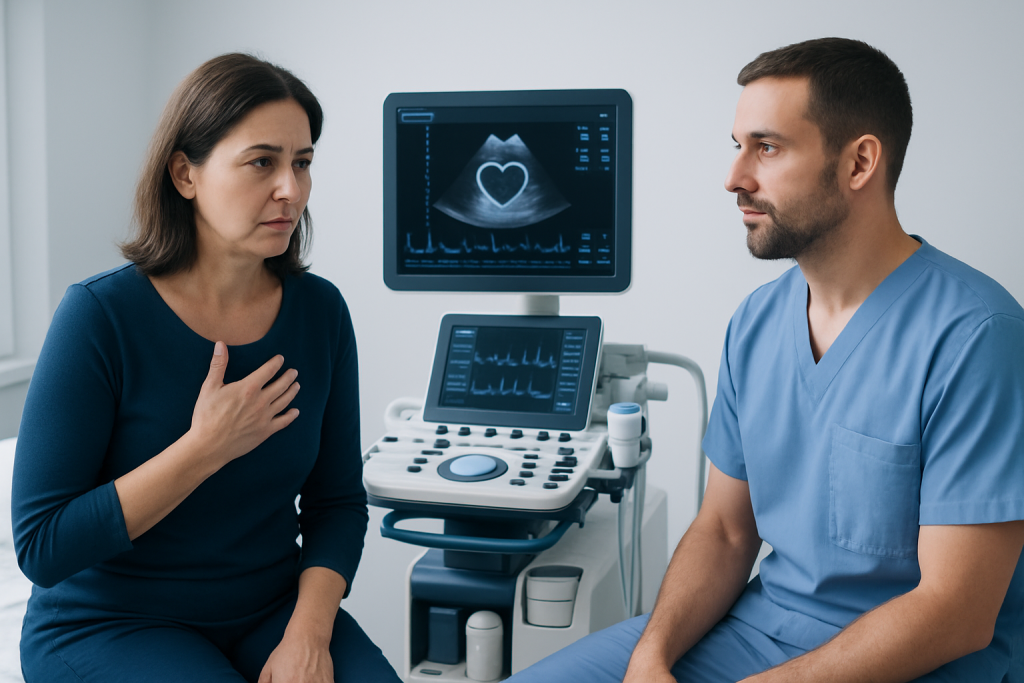
A PFO usually does not create symptoms on its own. Many people learn about it only after a scan or heart test done for another reason. When symptoms do occur, they are typically related to how blood may sometimes pass between the right and left sides of the heart rather than to the opening itself.
Doctors may consider a PFO in people who have had:
- an unexplained stroke or transient ischemic attack (TIA)
- episodes of shortness of breath that seem out of proportion to the usual cause
- low oxygen levels in rare situations where blood flow crosses the opening
- certain migraine patterns, although the relationship is not straightforward
These symptoms are not specific to PFO and can be caused by many other conditions. That is why the diagnosis is always made in context, after other more common explanations have been considered.
Causes & Risk Factors

The foramen ovale is part of normal fetal circulation. It allows blood to move from the right atrium to the left atrium while the lungs are still developing and not yet used for breathing. After birth, pressure changes in the heart usually close this opening, but in some people the flap does not seal completely.
A PFO is not something a person develops from lifestyle choices. It is a structural feature present from birth. In many cases it is discovered by chance, especially in adulthood when heart imaging is done for a different concern.
Although the opening itself is congenital, the situations that make it clinically relevant often involve a combination of factors, such as a tendency for blood clots, certain body positions, or pressure changes in the chest. A doctor may also look for conditions that could raise the chance of clot formation or stroke, including prolonged immobility, recent surgery, or inherited clotting tendencies.
Diagnosis
Diagnosis usually begins with a careful medical history. A cardiologist or neurologist may ask about stroke-like episodes, migraine history, travel, recent illness, prior clotting events, and family history. If a PFO is being considered after a neurological event, the aim is not simply to find the opening but to understand whether it is likely to have played a role.
The most common tests include echocardiography, sometimes with agitated saline, often called a bubble study. This helps show whether bubbles move from the right side of the heart to the left, suggesting a passage across the PFO. Some patients may also need transesophageal echocardiography, which provides a closer look at the heart structure.
Depending on the situation, doctors may order brain imaging, heart rhythm monitoring, blood tests, or clotting studies to exclude other causes. For international patients, this stage often involves coordinated testing over a short stay, followed by a clear plan for review once the results are available.
Treatment Options
Many PFOs do not require treatment. If the opening is found incidentally and there is no related medical problem, doctors may recommend observation only. Reassurance can be appropriate when the PFO is not thought to be contributing to symptoms.
When treatment is considered, it is usually because a patient has had a stroke or another event that may be linked to the PFO. Options can include medication to reduce clot risk, such as antiplatelet therapy or, in some cases, anticoagulation. The choice depends on the person’s overall situation and on what other causes of stroke have been found or ruled out.
In selected patients, doctors may recommend a catheter-based PFO closure. This procedure uses a device to seal the opening from inside the heart without open surgery. It is not the right answer for everyone, so specialists weigh factors such as age, stroke history, anatomy of the opening, and whether another explanation fits better.
Recovery after closure is usually guided by follow-up visits and imaging. Patients traveling from abroad often benefit from a plan that includes medication instructions, activity guidance, and a clear timeline for review before they return home.
Prevention & Self-care
A person cannot usually prevent a PFO because it is present from birth. What can be prevented, in some situations, are the events that make a PFO clinically important. This is why doctors may focus on overall vascular health and clot prevention rather than the opening alone.
Practical self-care may include staying active during long travel, drinking enough fluids, following prescribed medicines carefully, and discussing any personal or family history of clots with a doctor. People who have already had a stroke or TIA may need more specific prevention strategies based on their full medical profile.
It is also helpful to keep copies of test results, imaging reports, and discharge summaries, especially for patients who are receiving care in another country. A well-organized medical record can make follow-up with a local doctor smoother and safer.
When to See a Doctor
Medical review is important after any sudden neurological symptom, even if it improves quickly. Symptoms such as one-sided weakness, face drooping, speech difficulty, severe dizziness, or sudden vision changes need urgent assessment. These may reflect a stroke or TIA and should not be attributed to a PFO without evaluation.
A routine cardiology or neurology appointment is appropriate if a PFO was found on testing, especially if there has been a previous unexplained stroke, migraine with unusual features, or a history of blood clots. The purpose of the visit is to decide whether the PFO is incidental or clinically relevant.
Acibadem Health Point’s multidisciplinary specialists and JCI-accredited hospitals diagnose and treat this condition for international patients, with coordinated testing and follow-up that can make the care pathway easier to navigate across borders.
Frequently asked questions
01What is a PFO in the heart?
A PFO, or patent foramen ovale, is a small opening between the heart’s upper chambers that did not fully close after birth. Many adults have one and never experience any symptoms. It is usually only important when doctors are investigating a stroke or another related problem.
02Does a PFO always need treatment?
No. Many PFOs are found incidentally and do not require any procedure or long-term treatment. Treatment is considered only when the PFO seems relevant to a medical event, such as an unexplained stroke.
03Can a PFO cause stroke?
In some people, a PFO may allow a small clot to pass from the right side of the heart to the left side and travel to the brain. That is one reason doctors evaluate it after a cryptogenic stroke, which means a stroke without a clear cause. However, many strokes have other causes, so the full workup matters.
04How is a PFO diagnosed?
Doctors often use an echocardiogram, sometimes with a bubble study, to see whether blood crosses from one side of the heart to the other. Other tests may be needed to look for alternative explanations and to decide whether the PFO is clinically important.
05Is PFO closure surgery?
PFO closure is usually done with a catheter-based procedure, not open-heart surgery. A device is placed through a vein to seal the opening from inside the heart. Whether it is appropriate depends on the person’s history and test results.
06Can someone live normally with a PFO?
Yes, many people with a PFO live completely normal lives and never need special care for it. If a doctor has not linked the PFO to symptoms or a stroke, the main plan may simply be observation and routine medical follow-up.
This article is for general information only and is not a substitute for professional medical advice. Please consult a qualified doctor about your individual situation.
Explore treatments in Turkey — costs, top hospitals & a free quote
JCI-accredited · board-certified surgeons · reply within 24h
Add us as a Preferred Source to see more of our trusted health content across Google Search, AI Overviews and Discover.