Period Pain Relief: Causes, Relief and When to Worry

Key Takeaways
- Period pain is often caused by uterine contractions, but it can also signal conditions such as endometriosis, fibroids, or pelvic infection.
- Simple measures such as heat, movement, hydration, and over-the-counter pain relievers can help many people.
- Pain that is severe, new, one-sided, associated with heavy bleeding, fever, or pain outside the period should be checked by a doctor.
- A menstrual pattern that changes suddenly or starts to interfere with daily life should not be ignored.
- Evaluation may include a history, pelvic examination, and sometimes imaging or laboratory tests.
- International patients can discuss diagnosis and treatment options with multidisciplinary specialists, including at Acibadem Health Point’s JCI-accredited hospitals.
Period pain is common, and many people can find meaningful relief with heat, rest, gentle movement, and doctor-guided pain relief. When cramps are severe, change over time, or come with unusual bleeding or other symptoms, they may point to an underlying condition that deserves evaluation.
Overview
Period pain relief starts with understanding a simple point: menstrual cramps are common, but they are not all the same. For many people, pain appears just before or during bleeding because the uterus is contracting to shed its lining. Those contractions can be mild and manageable, or strong enough to interrupt sleep, work, travel, or school.
In medical language, period pain is often called dysmenorrhea. It is usually divided into two broad patterns. Primary dysmenorrhea means cramping that happens without another pelvic condition being present. Secondary dysmenorrhea means the pain is linked to an underlying problem such as endometriosis, fibroids, adenomyosis, or pelvic infection.
For someone deciding whether to seek care, the key question is not only “Does it hurt?” but also “How does it behave?” Pain that follows a familiar monthly pattern and improves with basic care is often less concerning than pain that is getting worse, appears at unexpected times, or comes with new symptoms.
Symptoms
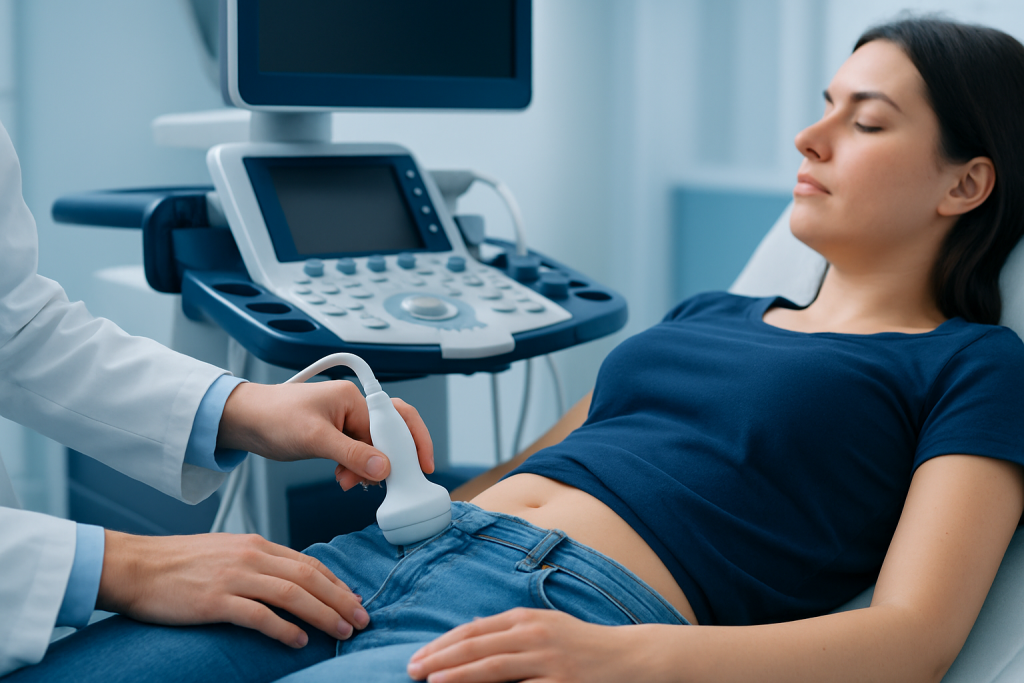
Menstrual pain is usually felt low in the abdomen, but it can also spread to the lower back, hips, or thighs. Some people describe a dull ache; others feel squeezing, cramping, or waves of pain that come and go. Nausea, loose stools, fatigue, headache, and a general sense of being unwell can accompany the cramps.
The timing matters. Primary menstrual cramps often begin shortly before bleeding or on the first day of a period and ease over the next day or two. Secondary pain may start earlier, last longer, or continue beyond the period itself. Pain during sex, pain with bowel movements, unusual discharge, or bleeding between periods are clues that deserve attention.
It can also help to notice how the pain affects daily life. Missing classes, avoiding travel, needing to lie down for hours, or routinely relying on others because of symptoms suggests the pain is no longer just an inconvenience. That is often the point at which a medical evaluation becomes worthwhile.
Causes & Risk Factors
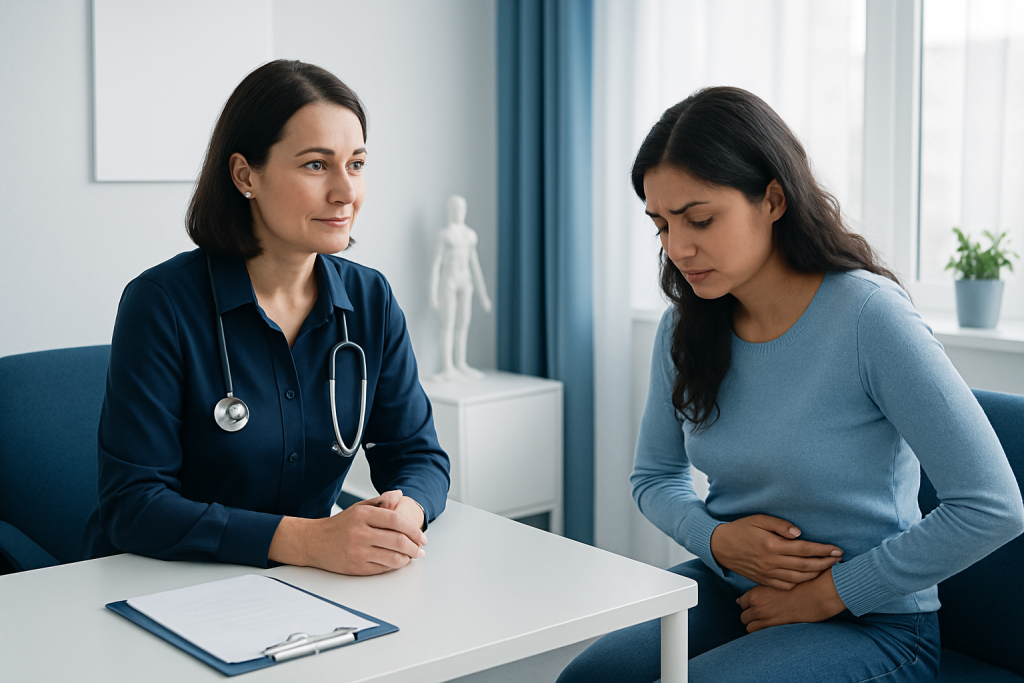
The most common reason for period pain is the release of hormone-like substances called prostaglandins, which make the uterus contract. When levels are higher, contractions can become stronger and more painful. This is why some periods are more uncomfortable than others even in the same person.
Secondary period pain can come from several conditions. Endometriosis occurs when tissue similar to the uterine lining grows outside the uterus. Fibroids are noncancerous growths in the uterus that may cause pressure, heavy bleeding, or cramps. Adenomyosis involves the uterine lining growing into the muscle wall, while pelvic inflammatory disease and some ovarian cysts can also cause menstrual or pelvic pain.
Certain patterns make painful periods more likely. Younger age after the first periods, a family history of painful periods or endometriosis, heavy or irregular bleeding, and a personal history of pelvic infection can all raise the chance that cramps will be more intense or that an underlying cause is present. Stress may not cause the pain itself, but it can make symptoms feel harder to cope with.
Diagnosis
When period pain is severe or changing, a doctor usually begins with questions about the menstrual cycle: when the pain started, where it is felt, how long it lasts, how heavy the bleeding is, and whether anything makes it better or worse. A careful symptom history often provides the first important clues.
A pelvic examination may be recommended, especially if there are symptoms that suggest secondary dysmenorrhea. Depending on the situation, the doctor may advise blood tests, pregnancy testing, infection screening, or a pelvic ultrasound. These tests do not diagnose every cause of pain, but they can help identify fibroids, ovarian cysts, or other structural concerns.
Sometimes the diagnosis is based on the overall pattern rather than a single test result. Endometriosis, for example, can be difficult to confirm early. In international care settings, this is where coordinated evaluation can be helpful: gynecology, imaging, and sometimes pain management or fertility expertise may be brought together so that the patient does not have to piece everything together alone.
Treatment Options
The best period pain relief depends on the cause and on how disruptive the symptoms are. For many people, the first step is an over-the-counter anti-inflammatory pain reliever if it is safe for them to use. These medicines can reduce prostaglandins, which helps ease cramping. A doctor or pharmacist can advise on whether they are appropriate, especially for people with stomach ulcers, kidney disease, blood-clotting concerns, or other medical issues.
Hormonal treatments are another common option when cramps are frequent or severe. Birth control pills, patches, rings, hormonal IUDs, or other prescribed therapies may reduce bleeding and dampen painful contractions. If the pain is due to endometriosis, adenomyosis, or fibroids, treatment may also include more targeted medication or procedures tailored to the underlying condition.
For some patients, especially those coming from another country for care, the treatment plan is not just about the prescription. It may include imaging review, coordination of surgical and nonsurgical options, and a follow-up schedule that can continue after return home. That kind of planning matters because menstrual pain often improves best when the whole pattern, not just a single day of symptoms, is addressed.
- Heat: A heating pad or warm compress can relax the pelvic muscles.
- Movement: Light walking, stretching, or yoga may reduce stiffness.
- Sleep and hydration: Both support recovery and can make pain easier to tolerate.
- Targeted medical care: Persistent or severe pain may need evaluation for an underlying cause.
Prevention & Self-care
Not every painful period can be prevented, but many people can reduce symptom intensity with steady habits. Keeping a cycle diary can be surprisingly useful. Recording the first day of bleeding, pain severity, location, and associated symptoms helps reveal patterns and gives a doctor better information if care is needed later.
Self-care is most effective when it is practical rather than dramatic. Heat, regular sleep, balanced meals, and gentle movement around the start of the period can be more helpful than trying to “push through” or waiting until pain becomes intense. If a doctor has already recommended a pain reliever, taking it as advised early in the cycle may work better than waiting until the cramps are fully established.
It is also sensible to prepare for periods that are usually difficult: keep needed supplies ready, plan breaks during work or travel, and know where to seek care if symptoms are worse than usual. For people traveling internationally for treatment, bringing prior records, ultrasound reports, and medication lists can make consultations more efficient and reduce delays in care.
When to See a Doctor
Medical review is a good idea when period pain is severe enough to affect daily life, when it starts after years of relatively easy periods, or when it no longer improves with usual self-care. Pain that keeps returning month after month despite standard measures deserves attention, even if it has been present for a long time.
It is especially important to seek care if menstrual pain comes with very heavy bleeding, bleeding between periods, fever, fainting, severe nausea or vomiting, unusual vaginal discharge, pain during sex, or pain that is not limited to the menstrual window. These features can point to an underlying condition that needs diagnosis and treatment.
Urgent medical assessment is appropriate for sudden, extreme pelvic pain, possible pregnancy, or symptoms that make someone feel very unwell. If a patient is traveling, it is wise to arrange evaluation without delay rather than waiting to see whether the symptoms settle on their own. Acibadem Health Point’s multidisciplinary specialists and JCI-accredited hospitals can diagnose and treat this condition for Myomectomy Recovery for International Patients: The Usual Travel Timeline" class="ahp-ilk">international patients, with care plans designed to support both treatment and follow-up.
Living With Period Pain During Treatment and Travel
For people balancing work, family, or travel, the practical burden of menstrual pain is often as important as the diagnosis itself. A treatment plan should be realistic enough to fit daily life, whether that means adjusting analgesia timing, choosing a hormonal option, or planning imaging and consultation on the same trip to reduce repeat visits.
Recovery after an evaluation or procedure is usually smoother when patients know what to expect: what symptoms are normal, when to rest, and which changes should prompt a call to the clinic. Written instructions, a translated medication list, and a clear follow-up route are especially valuable for international patients who may continue care in another country.
Most importantly, period pain should not be dismissed simply because it is common. Common does not mean harmless, and effective relief is possible when the cause is understood.
Frequently asked questions
01What is the fastest safe way to ease period pain?
Many people get the quickest relief from a combination of heat and an over-the-counter anti-inflammatory pain reliever if it is safe for them. Gentle movement and rest can also help. If pain is severe or frequent, a doctor should check for an underlying cause rather than relying only on short-term relief.
02Is it normal for period pain to get worse with age?
Pain that gradually becomes worse is not something to ignore. It may happen with conditions such as endometriosis, adenomyosis, or fibroids, and it should be evaluated. A changing pattern is often more informative than the pain itself.
03Can painful periods affect fertility?
Painful periods do not automatically mean fertility problems, but some underlying causes such as endometriosis or fibroids can affect fertility in some people. If someone is trying to conceive and also has significant period pain, a gynecologic review is advisable.
04Do I need a scan for menstrual cramps?
Not always. Many people with typical primary cramps are diagnosed from symptoms alone. Imaging is more likely to be recommended when the pain is severe, unusual, new, or paired with heavy bleeding, pelvic pressure, or other signs that suggest a secondary cause.
05Can stress cause period pain?
Stress does not usually create menstrual cramps by itself, but it can make pain feel harder to manage and may worsen sleep, muscle tension, and coping. Supporting rest, routine, and stress management can help alongside medical treatment.
06When should I seek urgent help for period pain?
Urgent care is appropriate for sudden severe pelvic pain, possible pregnancy, fainting, fever, or heavy bleeding that feels unsafe. New or intense one-sided pain should also be assessed promptly. When in doubt, it is safer to seek medical advice rather than wait.
This article is for general information only and is not a substitute for professional medical advice. Please consult a qualified doctor about your individual situation.
Persistent digestive symptoms? Get evaluated in Turkey
JCI-accredited · board-certified surgeons · reply within 24h
Add us as a Preferred Source to see more of our trusted health content across Google Search, AI Overviews and Discover.