How PCI Opens Blocked Coronary Arteries With a Stent

Chest pressure when you climb a flight of stairs. A heaviness that eases when you stop, then comes back. For many people, that is the first sign a coronary artery has narrowed enough to starve the heart muscle of blood.
Percutaneous coronary intervention is the procedure used to open those narrowed or blocked coronary arteries and get blood flowing again. It is minimally invasive, and you may know it by a more familiar name: coronary angioplasty with stent placement. Sometimes it is done urgently, in the middle of a heart attack. Other times it is planned ahead for ongoing chest pain caused by coronary artery disease.
Overview: what percutaneous coronary intervention means
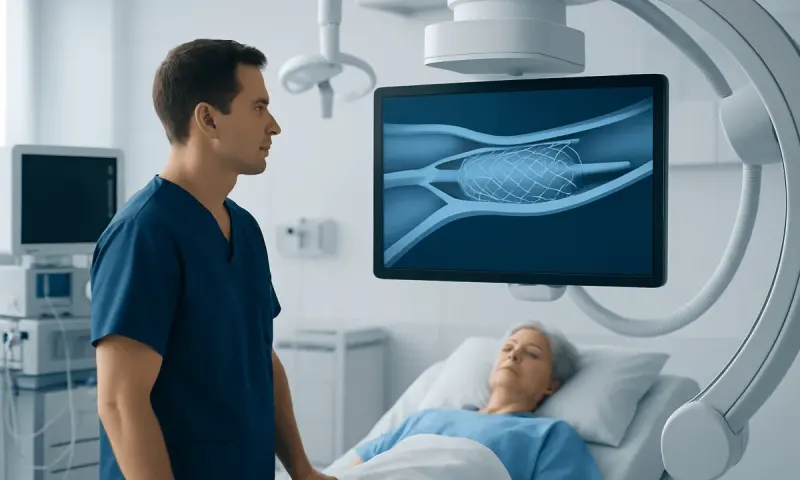
Percutaneous coronary intervention is a procedure that opens narrowed or blocked coronary arteries, the blood vessels that supply the heart muscle. It is usually performed by guiding a thin tube called a catheter through a blood vessel in the wrist or groin to the heart. A small balloon may be inflated to widen the narrowed area, and a mesh tube called a stent is often placed to help keep the artery open.
Many patients hear this procedure described as coronary angioplasty or angioplasty with stent placement. Although these terms are closely related, percutaneous coronary intervention is the broader medical term. It includes the steps used to reach the blockage, widen the artery, and support blood flow when needed.
PCI is commonly used for people with coronary artery disease, especially when plaque buildup reduces blood flow enough to cause symptoms or threaten heart muscle. It may be done as an emergency during a heart attack or scheduled in advance for stable symptoms such as chest discomfort with exertion.
The main goal is to improve blood flow to the heart. For some people, this relieves angina, improves exercise tolerance, and lowers the immediate risk from an acute blockage. PCI matters, but it is one piece of the picture. Medicine, lifestyle changes and regular follow-up still carry much of the weight over the long run.
Why PCI is done and what symptoms it may help
PCI is considered when reduced blood flow in a coronary artery is causing symptoms, showing up on heart tests, or creating an emergency such as a heart attack. It can help when a person has chest pressure, heaviness, burning, or tightness brought on by activity or stress. Some patients also notice shortness of breath, unusual fatigue, or discomfort in the arm, shoulder, back, neck, or jaw.
In an emergency, PCI may be used to quickly reopen an artery that has suddenly become blocked by a clot. Restoring blood flow as early as possible can limit damage to the heart muscle. In planned cases, the purpose is more often symptom relief and improved quality of life rather than immediate lifesaving treatment.
Symptoms can vary. Some people, especially older adults and people with diabetes, may not have classic chest pain. Instead, they may feel breathless, weak, nauseated, lightheaded, or unusually tired. Because symptoms can be subtle, doctors consider the whole clinical picture, including risk factors and test results.
PCI does not treat every cause of chest pain, and it is not always the first or only option. A specialist may compare PCI with medication-based treatment or, in some cases, coronary artery bypass surgery depending on the extent and pattern of disease.
How the procedure is performed

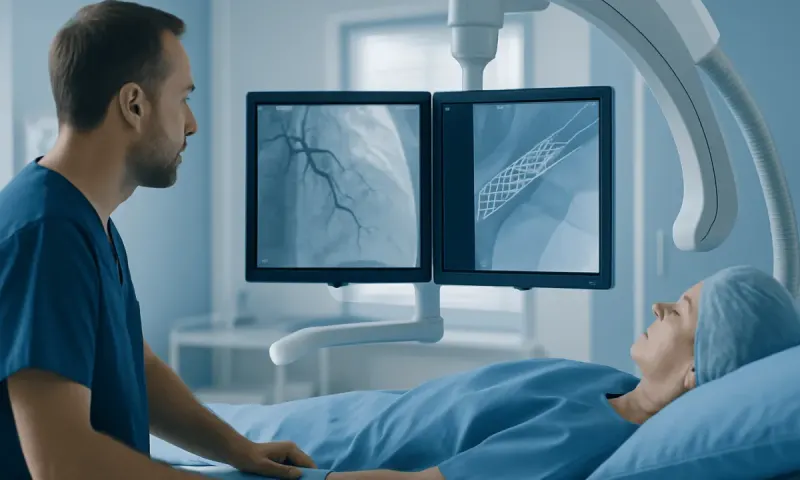
Before PCI, the care team reviews symptoms, blood tests, electrocardiogram findings, and imaging results. Patients are usually asked not to eat or drink for a period beforehand, and the team checks for allergies, kidney problems, and medicines that affect bleeding. The procedure is often guided by coronary angiography, which uses contrast dye and X-ray imaging to show where the artery is narrowed.
During PCI, local anesthetic is used to numb the access site, most commonly the wrist or groin. A catheter is carefully advanced through the blood vessel to the coronary arteries. A very thin guidewire crosses the narrowed area, and a small balloon may be inflated to compress plaque and widen the artery.
In many cases, the doctor places a stent to help keep the artery open after balloon inflation. Most stents used today slowly release medicine to reduce the chance of the artery narrowing again. Depending on the blockage, doctors may also use specialized tools to prepare hard or calcified plaque before placing a stent.
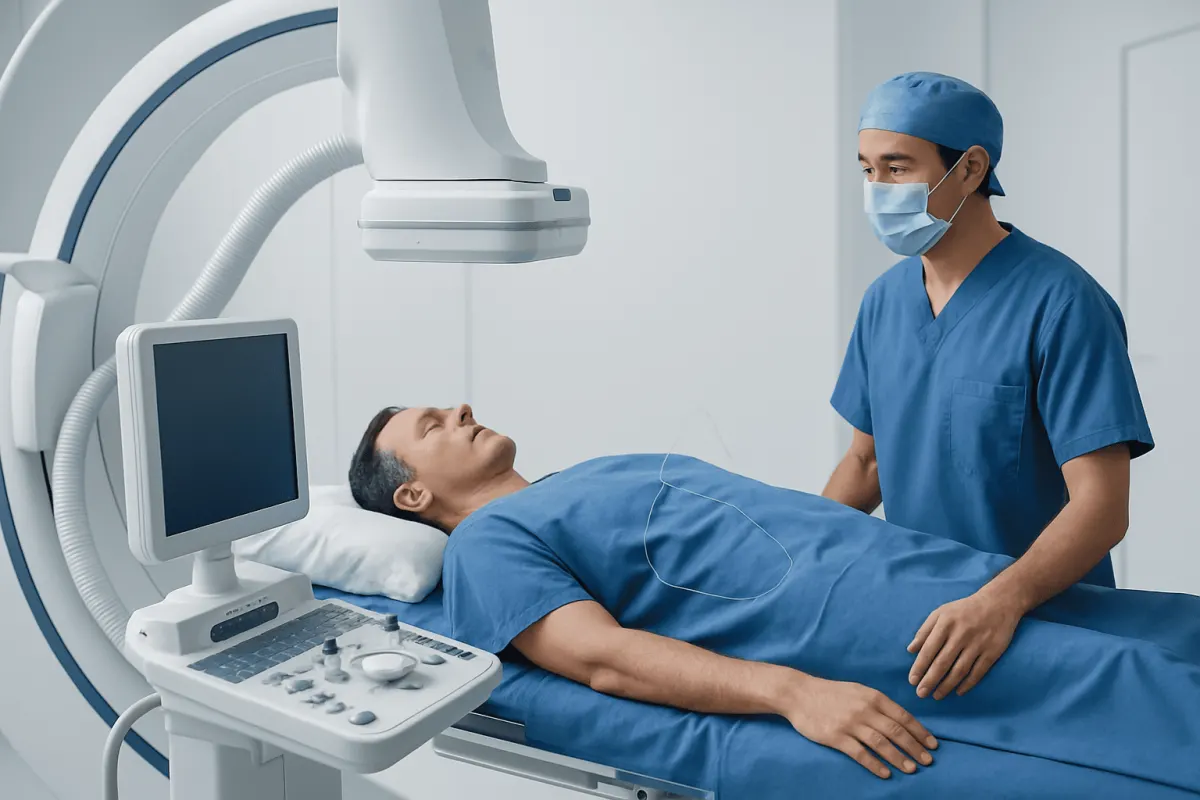
The procedure length varies, but many patients remain awake with light sedation and can communicate during treatment. Afterward, the catheter is removed and the access site is compressed or sealed. The care team monitors heart rhythm, blood pressure, and the puncture site while the patient begins recovery.
Benefits, limits, and possible risks
The benefits of PCI depend on the situation. In a heart attack, it can rapidly restore blood flow and reduce the amount of heart muscle injured. In stable coronary disease, it can relieve angina and help some people return more comfortably to daily activities and exercise.
PCI also has clear limits. It treats specific narrowed segments of artery; it does not remove the underlying tendency to develop atherosclerosis. Cholesterol control, blood pressure management, diabetes care, smoking cessation, physical activity, and prescribed medicines still matter after a successful result.
Like any invasive procedure, PCI has risks, although serious complications are uncommon in experienced centers. Possible risks include bleeding or bruising at the access site, allergic reaction to contrast dye, kidney strain, irregular heart rhythm, artery damage, blood clot inside the stent, stroke, or heart attack. The care team balances these risks against the expected benefit for each patient.
Some patients may need another procedure in the future if disease progresses in a different artery or if the treated area narrows again. This is one reason long-term follow-up is important. Doctors usually discuss the likely benefit, alternatives, and risks before planned PCI so patients can make an informed decision.
Diagnosis and deciding whether PCI is the right treatment
PCI is not chosen based on one test alone. Doctors combine the patient’s symptoms, physical examination, ECG, blood tests such as cardiac enzymes, and imaging studies. In urgent situations, the decision may be made quickly because the priority is restoring blood flow to save heart muscle.
For non-emergency cases, evaluation may include stress testing, echocardiography, CT coronary imaging, or invasive angiography. The aim is to understand whether a blockage is actually limiting blood flow enough to explain symptoms. This helps avoid procedures that may not offer meaningful benefit.
The final decision also depends on how many arteries are affected, where the narrowing is located, how severe it is, and whether the patient has conditions such as diabetes, kidney disease, or weak heart pumping function. In some patients, medication alone is reasonable. In others, specialist cardiology care may lead to a recommendation for PCI or surgery after a full review of options.
This decision works best when you make it together with your doctor. Ask what the procedure is expected to improve, what the alternatives are, which medicines you will need afterwards, and how the plan fits your overall heart risk and your own goals.
Recovery, medicines, and long-term self-care
Recovery after PCI is often relatively quick, especially when the wrist is used for access. Some patients go home the same day, while others stay overnight for observation, particularly after a heart attack or a more complex procedure. Mild soreness or bruising at the access site can occur, but worsening pain, swelling, or bleeding should be reported promptly.
After stent placement, patients are usually prescribed antiplatelet medicines to reduce the risk of clotting inside the stent. Do not stop these medicines on your own — only your treating doctor should make that call. Other medicines may include cholesterol-lowering therapy, blood pressure treatment, and drugs that reduce the heart’s workload.
Long-term care focuses on the disease process behind the blockage. Heart-healthy eating, regular physical activity, weight management, good sleep, stress reduction, and quitting tobacco all support better outcomes. Cardiac rehabilitation may also help patients build confidence and safely improve fitness after a heart event or procedure.
For international patients who need coordinated evaluation and treatment, Acıbadem Health Point’s multidisciplinary specialists and JCI-accredited hospitals provide diagnosis and care for coronary conditions, including heart attack and related interventions. Follow-up remains important even when symptoms improve, because ongoing prevention helps protect the heart over time.
When to seek medical care
Immediate emergency care is needed for possible heart attack symptoms. These include chest pressure or pain that lasts more than a few minutes, pain spreading to the arm, back, neck, or jaw, sudden shortness of breath, fainting, cold sweats, nausea, or a feeling that something is very wrong. Patients should call local emergency services rather than drive themselves if symptoms are severe or sudden.
Medical review is also important if chest discomfort is new, getting more frequent, happening at rest, or occurring with less activity than before. These changes can suggest unstable heart disease even if symptoms settle. A doctor can assess whether urgent testing or treatment is needed.
After PCI, patients should seek prompt care for heavy bleeding from the access site, increasing swelling, color change or numbness in the arm or leg used for access, fever, severe chest pain, or sudden shortness of breath. None of these necessarily means something serious has gone wrong — but none of them should be left to see how they go.
Keep your follow-up appointments even if recovery feels smooth. They help the care team adjust medicines, monitor blood pressure and cholesterol, and support the long-term plan to reduce future heart problems.
Frequently asked questions
01Is percutaneous coronary intervention the same as angioplasty?
They are closely related terms. Angioplasty usually refers to widening the artery with a balloon, while percutaneous coronary intervention is the broader term that may include angioplasty, stent placement, and other catheter-based techniques.
02How long does a PCI procedure usually take?
The length depends on how many arteries are treated and how complex the blockage is. Many procedures take about 30 minutes to a few hours, but preparation and recovery time add to the total hospital stay.
03Will a stent cure coronary artery disease?
No. A stent treats a specific narrowed area, but it does not remove the underlying process of plaque buildup in the arteries. Ongoing medicines and lifestyle changes remain important after the procedure.
04How soon can normal activities resume after PCI?
Many people return to light activities within a few days, although this varies by access site, overall health, and whether the PCI was done during a heart attack. The treating team gives personalized advice about driving, lifting, work, and exercise.
05Does every blocked artery need PCI?
Not always. Some blockages can be managed with medicines and risk-factor control, while others are better treated with PCI or surgery. The decision depends on symptoms, test findings, and the location and severity of disease.
06What medicines are usually needed after PCI?
Most patients need antiplatelet medicine, especially after a stent, to lower the risk of clotting. Many also take cholesterol-lowering drugs and other heart medicines based on their individual condition, so treatment should be followed exactly as prescribed.
This article is for general information only and is not a substitute for professional medical advice. Please consult a qualified doctor about your individual situation.
Heart care in Turkey — expert evaluation and treatment
JCI-accredited · board-certified surgeons · reply within 24h
Add us as a Preferred Source to see more of our trusted health content across Google Search, AI Overviews and Discover.