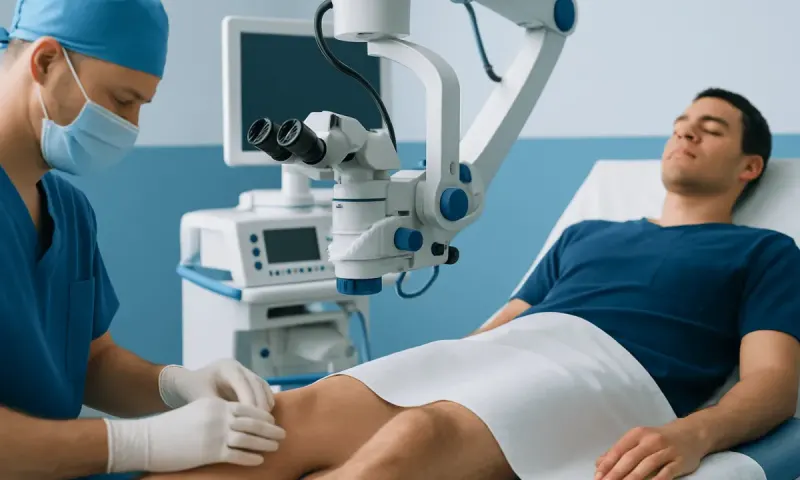
Penile Implant Before and After Pictures: What They Show
Penile implant before and after pictures can help explain incision healing, swelling and the general appearance of an implant, but they cannot predict an individual result. A urologist can explain which implant type may suit a person’s anatomy, erectile dysfunction cause and treatment goals.
Overview: What Penile Implant Before and After Pictures Can Show
Penile implant before and after pictures may show the external appearance of the penis before surgery, early bruising or swelling after surgery, incision healing, and the appearance of an inflated implant once recovery is complete. They may be useful for understanding the general process, but they cannot reliably show how a particular person will heal, how an implant will feel, or what erection size will be achieved.
A penile implant, also called a penile prosthesis, is a device placed inside the penis during surgery to help a person achieve an erection firm enough for sexual activity. It is most often considered for erectile dysfunction that has not responded adequately to medicines, vacuum devices, injections or other appropriate treatments. It does not treat the underlying cause of erectile dysfunction, but it can provide a dependable mechanical way to obtain an erection.
Images online may be selective, may not identify the timing of recovery, and may not reflect medical factors such as diabetes, scar tissue, previous pelvic surgery or Peyronie’s disease. A private consultation with a urologist is a safer way to review realistic outcomes, including the expected incision location, possible changes in shape and the expected recovery course.
How a Penile Implant Works and Who May Be a Candidate
There are two main types of implant. An inflatable implant has cylinders placed in the erectile tissue of the penis, a small pump in the scrotum and a fluid reservoir placed inside the body. Squeezing the pump moves fluid into the cylinders to create rigidity; using the release mechanism returns the penis to a softer state. A malleable, or semirigid, implant consists of bendable rods that remain firm but can be positioned close to the body or outward for sex.
Inflatable devices are commonly chosen because they allow a more natural-looking flaccid and erect appearance. Malleable devices may be appropriate when manual dexterity is limited or when a simpler device is preferred. Neither type increases sexual desire, restores lost sensation, or automatically resolves relationship concerns; these aspects depend on the person’s health, emotional wellbeing and circumstances.
Potential candidates generally have persistent erectile dysfunction and understand that implant surgery permanently changes the erectile tissue. This means that other treatments such as tablets, injections or vacuum devices may no longer work after an implant is placed. A urologist will assess medical history, medication use, urinary symptoms, diabetes control, cardiovascular health, penile anatomy and expectations before recommending penile implant surgery.
Some people with severe curvature or scar tissue from Peyronie’s disease may also be assessed for an implant, particularly when erections are painful or erectile dysfunction is present. The surgical plan may include additional steps to address curvature, depending on the individual findings.
The Procedure: Step by Step
Penile implant placement is performed by a urologic surgeon in an operating theatre under anesthesia. Before surgery, the care team reviews medical conditions, allergies and medicines that can affect bleeding or infection risk. Patients may be asked to adjust certain medicines under clinical guidance and to follow instructions about eating, drinking and skin preparation.
During the operation, the surgeon makes an incision, often near the base of the penis or in the scrotum, and places the cylinders within the penis. For an inflatable implant, the pump is positioned in the scrotum and the reservoir is placed through the same or an additional small opening in the lower abdomen or pelvis. The device is checked, surgical areas are closed and a dressing may be applied.
The operation is tailored to the implant type, anatomy and any previous surgery. In some circumstances, scar tissue or penile curvature requires additional surgical work. The exact duration and whether an overnight stay is needed vary, but patients should arrange support for the trip home and follow the surgeon’s specific aftercare plan.
At Acıbadem Health Point, multidisciplinary specialists in JCI-accredited hospitals assess and treat erectile dysfunction and penile implant needs for international patients. The most appropriate plan is based on a urologic evaluation rather than photographs or a single expected outcome.
Recovery Timeline and What Results May Look Like
In the first days after surgery, swelling, bruising, tenderness and tiredness are common. The penis and scrotum can look different from their longer-term appearance during this period, so early postoperative photographs are not a good guide to the final result. Pain management, wound care, gentle movement and activity restrictions should follow the surgeon’s instructions.
Over the following weeks, swelling typically improves and the incision continues to heal. For an inflatable implant, the surgeon or nurse usually teaches the patient how to find and operate the pump after the tissues have healed enough. It is important not to inflate, deflate or manipulate the device until the clinical team says it is safe.
Return to desk work, driving, exercise and sexual activity varies with the operation and recovery. Many people need several weeks before sexual activity is permitted, and strenuous activity is usually restricted longer than light walking. A follow-up appointment is essential to check healing, identify concerns early and confirm when intercourse can be resumed.
Once healed, an inflatable implant is generally not noticeable under ordinary clothing and allows an erection when activated. The erection is firm but does not usually change the head of the penis in the same way as a natural erection, because the implant is placed in the shaft. A clinician can explain how this may affect appearance and sensation in an individual case.
Does a Penile Implant Make You Hard All the Time?
No. An inflatable penile implant does not make a person hard all the time. The cylinders are filled when the person activates the pump in the scrotum and are deflated afterward using the device’s release mechanism, allowing the penis to return to a softer state.
A malleable implant is different: it remains firm because it contains bendable rods. The penis can be positioned downward or toward the body for daily activities and moved outward for intercourse, but it does not become soft in the way an inflatable implant does.
Choosing between device types involves practical considerations, including hand strength, anatomy, previous surgery, comfort with device operation and personal preference. A urologist can demonstrate models and explain the likely appearance in both the flaccid and erect positions.
How Many Inches Does a Penile Implant Give You?
A penile implant does not reliably add inches to penile length. Its purpose is to provide rigidity for intercourse, not enlargement. The surgeon selects cylinder size to fit the penis safely, and an implant cannot extend tissues beyond their safe anatomical limits.
Some people feel that their penis is shorter after surgery, while others see little change. This perception can relate to erectile dysfunction before surgery, reduced tissue elasticity, scar tissue, body weight, penile curvature or comparing the result with erections from earlier in life. A fully rigid erection before surgery may have looked different from an implant-supported erection after surgery.
Preoperative measurement and an open conversation about baseline length are useful. Claims based on before and after pictures should be approached carefully, because camera angle, body position, erection quality, lighting and the timing of photographs can create misleading comparisons.
Benefits, Downsides and Safety Considerations
The key potential benefit of a penile implant is a reliable erection that can be initiated when desired, without waiting for oral medication to take effect. It may be particularly helpful for people whose erectile dysfunction has not improved with other therapies or who cannot use certain medicines. Partners may also benefit from greater predictability, although communication and adjustment are important parts of sexual recovery.
The main downside is that implantation is surgery and is generally irreversible. Risks include infection, bleeding, pain, wound problems, device malfunction, erosion of the device into nearby tissue, anesthesia-related complications and the possible need for further surgery. Infection may require removal of the implant, so patients should promptly report fever, worsening redness, drainage, severe pain or unusual swelling.
A penile implant does not usually prevent orgasm or ejaculation if these were possible before surgery, but it does not restore them when another health condition has affected them. It also does not protect against sexually transmitted infections. Condoms may still be appropriate depending on sexual health needs.
Careful selection, experienced surgical care and attending follow-up visits help reduce avoidable risks. People should disclose diabetes, smoking, immune conditions, urinary infections and prior pelvic or penile operations, as these may affect planning and recovery.
When to Seek Medical Care
Anyone with ongoing difficulty getting or keeping an erection should arrange a medical assessment, especially when the problem persists for several months, causes distress or affects a relationship. Erectile dysfunction can sometimes be associated with diabetes, high blood pressure, heart and blood vessel disease, hormonal conditions, medication effects or emotional factors. Assessment can identify treatable causes and discuss options before surgery is considered.
After implant surgery, urgent medical advice is needed for fever, chills, increasing redness or warmth around the incision, pus or foul-smelling drainage, rapidly worsening swelling, severe uncontrolled pain, trouble passing urine, or an incision that opens. These symptoms do not always mean a serious complication, but they should be assessed promptly.
Chest pain, shortness of breath, fainting, sudden weakness or other emergency symptoms require emergency care rather than waiting to contact the surgical team. For non-urgent recovery questions, patients should contact their urologist and avoid changing wound care, activity levels or medicines without professional advice.
Frequently asked questions
01Do men feel pleasure with a penile implant?
A penile implant provides rigidity but does not directly create sexual desire, sensation or orgasm. Many men who had normal sensation and orgasm before surgery can continue to experience them afterward, although individual results depend on nerve function, medical conditions and emotional factors. A urologist can discuss factors that may affect sexual function in a particular case.
02What is the downside of a penile implant?
The main downside is that it requires surgery and permanently changes the erectile tissue, so other erection treatments may no longer be effective afterward. Possible complications include infection, pain, bleeding, device malfunction and a need for revision or removal surgery. Some people also notice changes in perceived penile length or appearance.
03Can a penile implant be seen from outside the body?
The components are placed inside the body, and an inflatable implant is usually not obvious under everyday clothing after healing. There will be a surgical scar, and the pump can usually be felt in the scrotum. Appearance varies with anatomy, implant type and the stage of recovery.
04How long does it take to recover from penile implant surgery?
Initial swelling and discomfort often improve over the first few weeks, but complete healing and learning to use an inflatable device take longer. Sexual activity is commonly delayed for several weeks until the surgeon confirms that the incision and internal tissues have healed appropriately. Recovery instructions should always come from the operating urologist.
05Will a penile implant affect urination?
A penile implant is designed to support erections and does not normally affect the urinary channel. Temporary difficulty passing urine can occur after anesthesia or surgery and should be reported to the care team. People with existing urinary symptoms should discuss them before surgery.
06Can a penile implant break or stop working?
Mechanical problems can occur with any implanted device, although modern implants are designed for long-term use. If an implant does not inflate, deflate or function as expected, a urologist should assess it. Some mechanical problems can require revision surgery.
This article is for general information only and is not a substitute for professional medical advice. Please consult a qualified doctor about your individual situation.
Explore treatments in Turkey — costs, top hospitals & a free quote
JCI-accredited · board-certified surgeons · reply within 24h
Add us as a Preferred Source to see more of our trusted health content across Google Search, AI Overviews and Discover.