From Topical Therapy to Penectomy: Treating Penile Cancer

Finding a sore or lump on your penis that will not heal is frightening, and the fear of what treatment might involve can be just as hard. Here is the reassuring part: there is no single treatment for penile cancer.
Your care is shaped around where the cancer is, how big it is, its stage, your general health and what matters most to you. The aim is to remove or control the cancer while preserving as much penile appearance, urinary function and sexual function as can safely be kept.
Overview: how penile cancer treatment works
Treatment works by removing, destroying or controlling the abnormal cells in the penis and, when needed, in nearby lymph nodes or elsewhere in the body. What your doctor recommends depends on where the cancer began, how deeply it has grown, whether it has spread, its cell type, and your own health and preferences. Most penile cancers are squamous cell cancers, which start in the skin cells of the penis.
For small, superficial cancers, doctors may be able to use treatments that preserve the penis. More invasive cancers may require surgery to remove part or all of the penis, sometimes combined with treatment to the groin lymph nodes. When cancer has spread beyond the penis, systemic medicines and radiotherapy can help control disease and relieve symptoms.
Care is usually planned by a multidisciplinary team that may include a urologic surgeon, medical oncologist, radiation oncologist, radiologist, pathologist, specialist nurses and rehabilitation professionals. The plan should include an open discussion about cancer control, urinary function, sexual wellbeing, body image and emotional support.
Who may be a candidate for each option
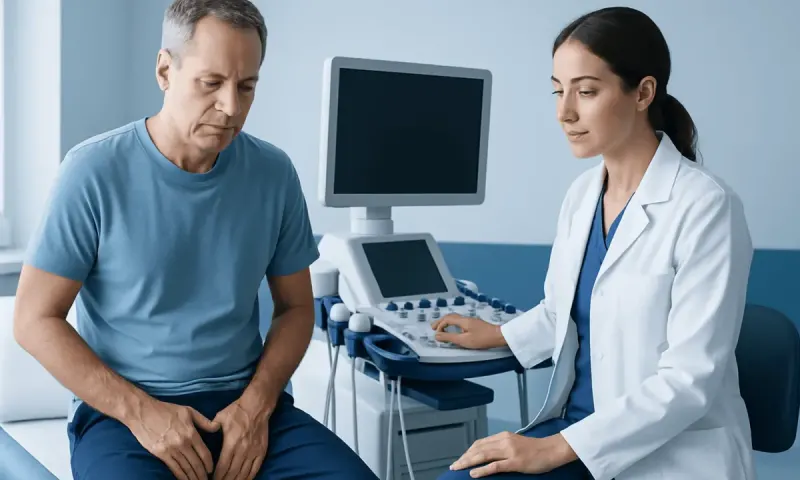
No two cases are the same, so everyone with confirmed penile cancer gets an individual assessment. A specialist examines the penis and the groin lymph nodes, goes over your biopsy findings and may order imaging. The point is to stage the cancer accurately before anyone recommends treatment.
Organ-preserving treatment may be suitable when a cancer is small, limited to the surface or shallow tissues, and can be completely treated while leaving a safe margin of healthy tissue. Options can include topical medicines for selected very early lesions, laser treatment, local excision, glans resurfacing, glansectomy or radiotherapy.
Partial or total penectomy may be advised if the cancer is deeper, larger, has returned after conservative treatment, or cannot be removed safely with a penis-preserving approach. The treatment team will also assess groin lymph nodes, because cancer cells can spread there even when nodes cannot be felt on examination.
Your age on its own does not decide what you can have. Heart and lung health, kidney function, how well you heal, the medicines you take, the support you have at home and your own goals all come into it. When the choices feel complicated, a second opinion from a urologic cancer specialist is worth asking for.
Treatment options and the procedure pathway

For very early disease, a specialist may recommend a topical treatment or a local procedure that removes or destroys the affected tissue. Laser therapy uses focused energy to treat selected surface lesions. Local excision removes the cancer with a margin of normal-looking tissue. In some cases, surgery may remove part or all of the glans while reconstructive techniques help maintain function and appearance.
Radiotherapy uses high-energy radiation to damage cancer cells. It may be delivered externally or, in selected circumstances, through brachytherapy, where a radiation source is placed close to the cancer for a limited period. Radiotherapy can be an organ-preserving alternative for some localized tumors, but careful follow-up is needed because persistent or recurrent cancer may require surgery.
When more extensive surgery is necessary, a partial penectomy removes the portion containing cancer while aiming to retain enough length for standing urination where possible. Total penectomy removes the penis and creates a new opening for urine in the perineum, the area between the scrotum and anus. Reconstructive and rehabilitation discussions should be part of planning before surgery.
Groin lymph node assessment may involve sentinel lymph node biopsy, removal of suspicious nodes, or other surgical staging approaches. If lymph nodes contain cancer, doctors may recommend node surgery, chemotherapy, radiotherapy or a combination. For disease that has spread further, chemotherapy and, for appropriate patients, immunotherapy or clinical trial participation may be considered.
What happens before, during and after treatment
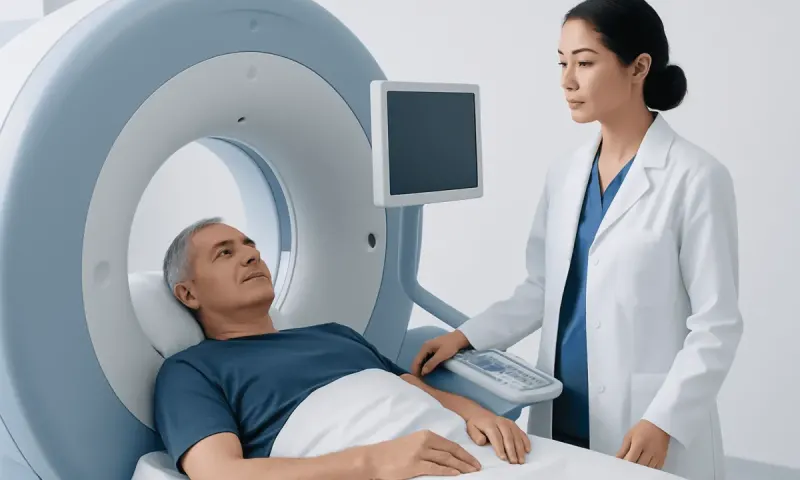
Before treatment, patients generally have a physical examination, a biopsy review and tests to define the cancer stage. These may include ultrasound, CT, MRI or PET imaging, depending on the clinical situation. The team also discusses anesthesia, blood tests, medication adjustments, smoking cessation, fertility or sexual-health concerns, and practical recovery arrangements.
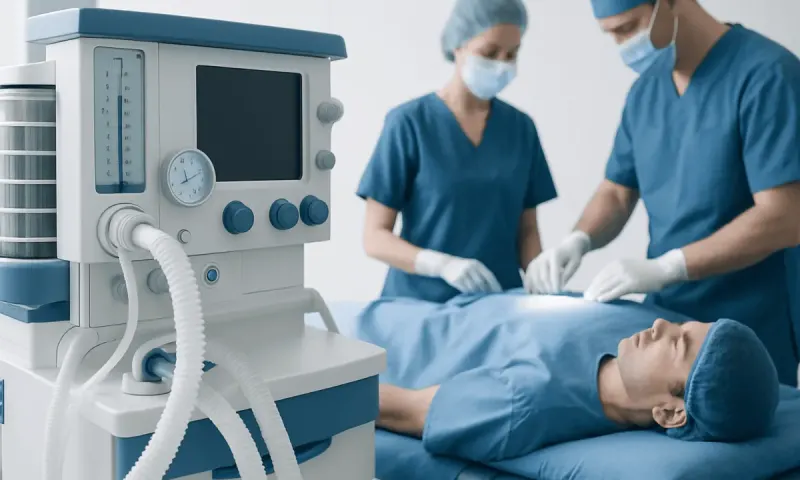
During surgery, anesthesia keeps the patient comfortable and asleep. The length and complexity of the operation depend on the procedure, including whether lymph nodes are being treated. Tissue removed during surgery is examined by a pathologist to confirm the diagnosis, cancer depth and whether the edges of the specimen are free of cancer.
After a local procedure, many people go home the same day or after a short stay. More extensive penile or lymph node surgery may require several days in hospital. A urinary catheter may be used temporarily, and wound care instructions are provided before discharge. Patients should ask when bathing, physical activity, driving, work and sexual activity can safely resume.
Acıbadem Health Point’s multidisciplinary specialists at JCI-accredited hospitals diagnose and treat penile cancer for international patients, with treatment planning based on pathology, staging and individual goals.
Benefits, risks and possible effects on daily life
The main benefit of penile cancer treatment is the best possible chance of curing localized cancer or controlling more advanced disease. Earlier-stage cancers are more likely to be managed with penis-preserving options. Treatment can also reduce pain, bleeding, discharge, infection risk or urinary difficulties caused by a tumor.
Risks vary by treatment. Surgery can cause bleeding, infection, wound-healing problems, scarring, altered penile sensation and changes in erections or ejaculation. Lymph node surgery can lead to leg swelling, fluid collections, infection or numbness. Radiotherapy can cause skin irritation, soreness, swelling, narrowing of the urethra and, less commonly, longer-term tissue changes.
Chemotherapy and immunotherapy have different possible side effects, which depend on the medicines used. Fatigue, nausea, infection risk, nerve symptoms, skin reactions and immune-related inflammation are examples that may need monitoring. The oncology team explains expected effects, ways to manage them and symptoms that require prompt contact.
Changes to sexual function and body image can be difficult, but support is available. Urologists, sexual-health clinicians, counselors and specialist nurses can help patients and partners discuss intimacy, erections, orgasm, urinary changes and adjustment after treatment.
Recovery timeline, follow-up and self-care
How long recovery takes depends very much on what was done. Minor local treatments may heal within days to a few weeks; bigger surgery and groin lymph node procedures often take several weeks or longer. Expect some swelling, tenderness and tiredness at first. It should ease steadily — if things are getting worse instead of better, tell your team.
Keeping follow-up appointments is a central part of care. Visits usually include examination of the penis and groin, with scans or other tests when indicated. Follow-up is particularly important in the first few years, when recurrence is more likely to be identified. Patients may also be taught how to notice new skin changes or lumps in the groin between appointments.
Self-care includes following wound and catheter instructions, taking prescribed medicines as directed, avoiding tobacco, maintaining good nutrition and gradually returning to activity. Smoking cessation is especially valuable because smoking can impair healing and is associated with a higher risk of some cancers.
Human papillomavirus, or HPV, is linked with some penile cancers. HPV vaccination can prevent infection with certain high-risk HPV types and may be appropriate for eligible people according to national recommendations. It does not replace medical assessment or surveillance for someone who has already had penile cancer.
When to seek medical care
A person should arrange a medical assessment promptly for a persistent sore, ulcer, lump, thickened area, color change, rash-like patch, bleeding or discharge on the penis. Other reasons for review include pain, difficulty pulling back the foreskin, a persistent unpleasant smell, or a new lump in either groin. These symptoms often have non-cancer causes, but they should not be ignored if they do not settle.
Anyone being treated for penile cancer should contact their care team urgently for fever, rapidly increasing pain or swelling, heavy bleeding, pus-like wound drainage, inability to pass urine, severe vomiting, chest pain or shortness of breath. New or worsening leg swelling after lymph node treatment should also be assessed.
We know this is not an easy subject to raise. But getting checked early means an earlier diagnosis and often more treatment choices open to you. Your family doctor, a urologist or a sexual-health clinician can examine you confidentially and refer you on if needed.
Frequently asked questions
01What is the most common treatment for penile cancer?
Surgery is a main treatment for penile cancer, especially when the disease is localized. The type of surgery ranges from local removal of a small cancer to partial or total removal of the penis for more invasive disease. Radiotherapy may be an alternative for selected localized cancers, while medicines may be used for advanced disease.
02Can penile cancer be treated without removing the penis?
Yes, some early penile cancers can be treated with organ-preserving approaches. These may include topical treatments, laser therapy, local excision, glans surgery or radiotherapy, depending on the cancer’s depth and location. The priority is complete cancer treatment, so more extensive surgery may still be needed in some situations.
03How long does recovery from penile cancer surgery take?
Recovery depends on the procedure and whether groin lymph nodes were treated. Small local procedures may heal within a few weeks, while more extensive surgery can require several weeks or longer for physical recovery. The care team provides specific guidance on wound care, activity, urination and sexual activity.
04Will penile cancer treatment affect sexual function?
It can affect sexual function, but the extent varies widely. Organ-preserving approaches may help retain sensation and erections, while larger surgery can change sexual activity and body image. Sexual-health counseling and support for partners can be valuable parts of recovery.
05Why are groin lymph nodes checked in penile cancer?
Penile cancer may spread first to lymph nodes in the groin. Checking these nodes helps determine the stage and whether additional treatment is needed. Even when no lump can be felt, specialist lymph node assessment may be recommended for cancers with a meaningful risk of spread.
06Can penile cancer come back after treatment?
Yes, penile cancer can recur locally, in groin lymph nodes or elsewhere, which is why regular follow-up is important. Finding recurrence early can allow timely treatment. Patients should report new penile changes, bleeding, discharge or groin lumps between scheduled visits.
This article is for general information only and is not a substitute for professional medical advice. Please consult a qualified doctor about your individual situation.
Oncology care in Turkey — second opinion and treatment plan
JCI-accredited · board-certified surgeons · reply within 24h
Add us as a Preferred Source to see more of our trusted health content across Google Search, AI Overviews and Discover.