Pelvic Soreness in Men: Causes and Care
Pelvic soreness in men may arise from muscle tension, urinary or prostate conditions, nerve irritation, recent procedures, or other causes. Recovery depends on the underlying problem, and a clinical assessment is important when pain persists, recurs, or occurs with urinary, sexual, bowel, or systemic symptoms.
Pelvic soreness in men: what it can mean
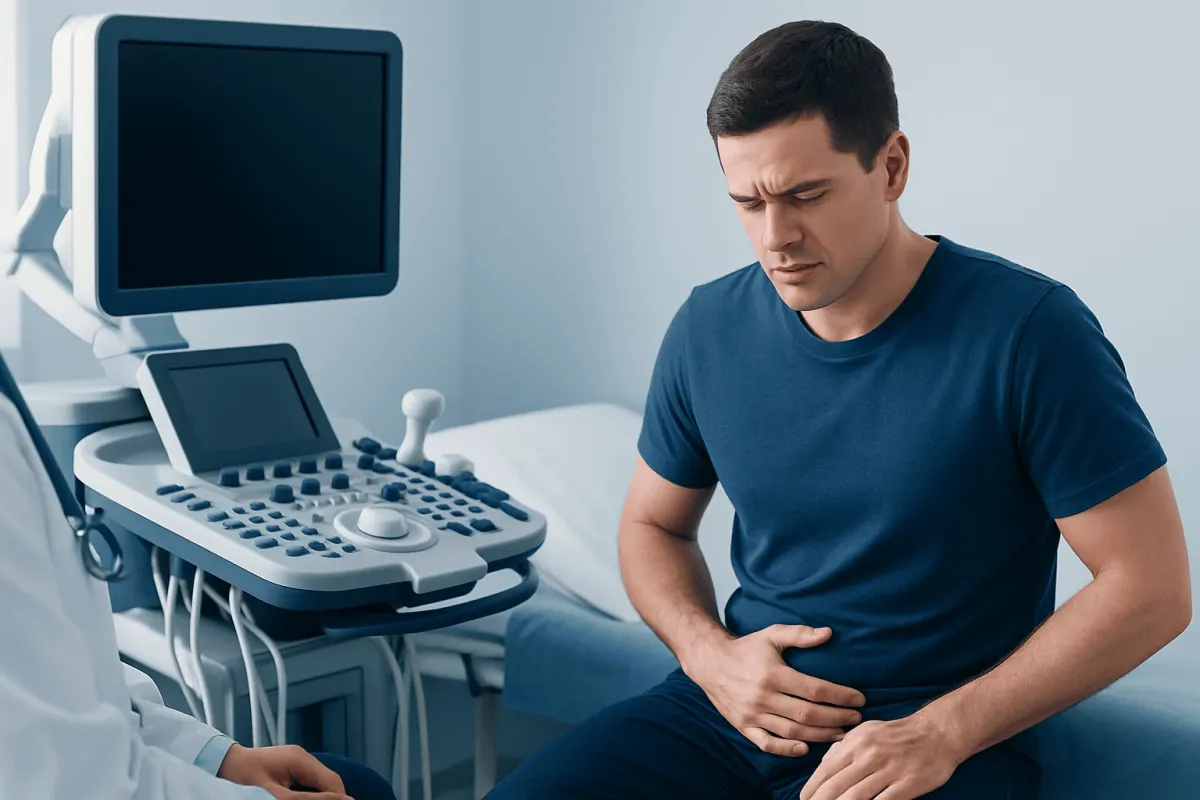
Pelvic soreness in men can feel like aching, pressure, tightness, burning, or tenderness in the lower abdomen, perineum (the area between the scrotum and anus), groin, penis, testicles, buttocks, or lower back. It may be short-lived after exercise or a procedure, but persistent discomfort deserves medical attention because several different conditions can produce similar symptoms.
A common contributor is pelvic floor dysfunction, in which the muscles supporting the bladder and bowel are overly tight, weak, painful, or poorly coordinated. Other possible causes include urinary tract infection, prostatitis or chronic pelvic pain syndrome, constipation, hernia, hip or spine problems, nerve irritation, and conditions affecting the testicles. Evaluation helps distinguish these possibilities rather than assuming all pain comes from the pelvic floor.
Some people notice symptoms alongside frequent urination, urgency, a weak stream, pain with ejaculation, erectile difficulties, constipation, or discomfort when sitting. The pattern, duration, recent activities, surgeries, infections, and any urinary or bowel symptoms all help a clinician identify the most appropriate next step.
How long does it take for pelvic soreness to go away?
How long pelvic soreness takes to go away depends on the cause. Mild muscle strain or temporary irritation may settle within a few days to a few weeks with activity modification and supportive care. Symptoms related to chronic pelvic floor tension or chronic pelvic pain syndrome often improve more gradually, sometimes over weeks to months, especially when they have been present for a long time.
Pelvic floor dysfunction male recovery time is not the same for everyone. Recovery can be influenced by muscle guarding, stress, sleep, bowel habits, urinary symptoms, nerve sensitivity, and whether a person can consistently follow a tailored treatment plan. Improvement may be uneven, with better and worse days, rather than following a straight line.
Pelvic soreness after vasectomy is usually related to normal healing and commonly improves over the first days or weeks. However, new, worsening, or persistent pain should be reviewed by the surgeon or a urologist, particularly if there is swelling, redness, fever, a growing lump, or pain that affects daily activities. Persistent post-vasectomy pain is uncommon but should not be ignored.
Causes and risk factors

Pelvic floor muscles may become tense or painful after repeated straining, prolonged sitting, high-impact activity, cycling, heavy lifting, constipation, urinary symptoms, or a previous painful pelvic condition. Stress and anxiety do not mean pain is imagined; they can increase muscle tension and make the nervous system more sensitive to pain signals.
Urological causes may include urinary infection, inflammation involving the prostate, bladder conditions, kidney or ureteric stones, and complications after procedures. Musculoskeletal causes, such as hip joint problems, lower-back conditions, abdominal wall strain, or a hernia, can also refer pain into the pelvis or groin. A clinician may examine these areas when symptoms do not clearly point to one cause.
Risk factors requiring special attention include a recent urinary or genital procedure, a history of sexually transmitted infection, new sexual partners, immune suppression, injury, or cancer treatment affecting the pelvis. Pain with fever, blood in the urine, discharge, or marked urinary difficulty may indicate a condition that needs prompt testing and treatment.
- Muscle overactivity or poor pelvic floor coordination
- Constipation and repeated straining during bowel movements
- Urinary infection or prostate-related inflammation
- Prolonged sitting, cycling, or strenuous activity
- Hip, lower-back, nerve, or abdominal wall conditions
Assessment and diagnosis
A doctor will usually ask where the soreness is located, when it began, what makes it better or worse, and whether it occurs with urination, bowel movements, sex, exercise, or sitting. They may also ask about recent procedures, medications, injuries, infections, and emotional stressors, as these can all be relevant to pelvic symptoms.
The physical assessment may include the abdomen, groin, genitals, lower back, hips, and external pelvic muscles. Depending on the symptoms, a clinician may recommend a urine test, tests for infection, blood tests, ultrasound, or other imaging. A digital rectal examination is sometimes considered to assess the prostate and pelvic floor, but it should be explained beforehand and performed only with consent.
When pelvic floor dysfunction is suspected, referral to a specially trained pelvic health physiotherapist can provide a more detailed functional assessment. The aim is to identify whether the muscles need relaxation, coordination training, strengthening, or a combination of approaches. Not every person with pelvic soreness needs imaging or invasive testing.
What happens during pelvic floor physical therapy for men?
Pelvic floor physical therapy for men begins with a discussion about symptoms, goals, medical history, bladder and bowel habits, activity, and pain triggers. The therapist may assess posture, breathing, movement of the hips and spine, abdominal muscle function, and the ability to relax and coordinate the pelvic floor. Any internal assessment is optional, requires informed consent, and is not necessary in every appointment or for every person.
Treatment is individualized. For muscles that are overactive or painful, the first focus is often relaxation rather than strengthening. A plan may include diaphragmatic breathing, gentle mobility work, education about toileting and pacing, manual techniques, heat or other symptom-relief measures, and strategies to reduce repeated guarding. If weakness or poor coordination is identified, carefully selected pelvic floor exercises may be introduced later.
Therapy may also address habits that keep symptoms going, such as holding urine for long periods, straining with bowel movements, clenching during stress, or rapidly returning to aggravating exercise. Progress is reviewed over time, and the therapist coordinates with a urologist or other clinician when symptoms suggest another underlying condition.
Will I be sore after pelvic floor therapy?
Some people experience mild, temporary soreness, fatigue, or increased awareness of the pelvic area after pelvic floor therapy, particularly early in treatment or after manual work. This should generally be manageable and settle within a day or two. It is useful to tell the therapist about any flare so the next session and home plan can be adjusted.
Severe pain, symptoms lasting longer than expected, new urinary retention, fever, marked swelling, or increasing testicular pain are not expected responses to therapy and should be medically assessed. Pelvic rehabilitation should be paced carefully; forcing stretches, exercises, or internal techniques through pain can worsen muscle guarding in some people.
After a session, the therapist may recommend hydration, gentle walking, a warm bath if medically appropriate, relaxation breathing, and avoiding an activity known to provoke symptoms. Rest does not always mean complete inactivity: comfortable, gradual movement can often support recovery.
What is recovery like after pelvic floor surgery?
Pelvic floor surgery is not usually performed solely for pelvic soreness. It may be considered when an identified structural problem, such as a significant prolapse-related issue, urinary obstruction, hernia, or selected nerve or urological condition, requires procedural treatment. Recovery therefore varies greatly according to the exact diagnosis and operation performed.
After surgery, it is common to have temporary pain, bruising, swelling, tiredness, and restrictions on lifting, exercise, sexual activity, or driving. The surgical team provides procedure-specific advice about wound care, pain relief, bowel management, catheter use if needed, and the timing for return to work and physical activity. Follow-up appointments are important to monitor healing and address symptoms early.
Pelvic rehabilitation may be recommended before or after some operations, but the timing must be agreed with the surgeon. Recovery should be gradual, with particular attention to preventing constipation and avoiding straining. New fever, worsening redness, wound discharge, heavy bleeding, inability to pass urine, chest pain, or shortness of breath needs urgent medical advice.
Acıbadem Health Point’s multidisciplinary specialists and JCI-accredited hospitals evaluate pelvic symptoms and coordinate urology, rehabilitation, pain management, and surgical care for Myomectomy Recovery for International Patients: The Usual Travel Timeline" class="ahp-ilk">international patients when appropriate.
When to seek medical care
Medical review is advisable when pelvic soreness lasts more than a few days without improving, returns repeatedly, interferes with sleep or daily life, or is associated with urinary, sexual, bowel, or testicular symptoms. A clinician can check for treatable causes and advise whether pelvic health physiotherapy, urology assessment, medication, or another approach is suitable.
Urgent care is needed for sudden severe pelvic, groin, or testicular pain; fever or chills; vomiting; inability to urinate; visible blood in urine; rapidly increasing swelling; fainting; or pain after a significant injury. Sudden testicular pain requires urgent assessment because prompt treatment may be necessary.
While awaiting a non-urgent appointment, people can avoid activities that clearly worsen symptoms, maintain regular fluid intake, prevent constipation with dietary fibre and suitable medical advice, and use gentle movement if comfortable. Self-diagnosis and unsupervised pelvic floor strengthening are best avoided, as some painful pelvic conditions are associated with muscle overactivity rather than weakness.
Frequently asked questions
01Can pelvic floor dysfunction cause soreness in men?
Yes. Overactive, tense, weak, or poorly coordinated pelvic floor muscles can contribute to soreness or pressure in the perineum, groin, lower abdomen, penis, testicles, or lower back. A medical assessment is still important because urinary, prostate, nerve, and musculoskeletal conditions can cause similar symptoms.
02Should men do Kegel exercises for pelvic soreness?
Not always. Kegel exercises may help when pelvic floor weakness is present, but they can worsen symptoms if muscles are already tight or painful. A pelvic health physiotherapist or doctor can determine whether relaxation, coordination work, strengthening, or another approach is appropriate.
03Is pelvic soreness after vasectomy normal?
Mild soreness, swelling, and bruising can occur after vasectomy and usually improve during early healing. Worsening pain, fever, redness, discharge, a growing swelling, or discomfort that continues beyond the expected recovery period should be discussed with the surgical team or a urologist.
04Can stress make male pelvic soreness worse?
Stress can increase muscle tension, alter breathing patterns, and heighten the nervous system’s response to pain. This does not mean the symptom is psychological or unreal. Stress-management approaches may be one useful part of a broader treatment plan.
05What doctor should a man see for pelvic soreness?
A primary care doctor or urologist is often an appropriate starting point, particularly when urinary, sexual, prostate, or testicular symptoms are present. Depending on findings, referral may be made to a pelvic floor physiotherapist, pain specialist, gastroenterologist, orthopedist, or another relevant clinician.
06When is male pelvic pain an emergency?
Sudden severe testicular, groin, or pelvic pain should be assessed urgently, especially when accompanied by nausea, vomiting, fever, swelling, or injury. Inability to urinate, visible blood in urine, fainting, or severe worsening pain also requires urgent medical care.
This article is for general information only and is not a substitute for professional medical advice. Please consult a qualified doctor about your individual situation.
Persistent digestive symptoms? Get evaluated in Turkey
JCI-accredited · board-certified surgeons · reply within 24h
Add us as a Preferred Source to see more of our trusted health content across Google Search, AI Overviews and Discover.