Hysteroscopy Uterine Polyp: Diagnosis and Removal
Periods that have turned heavy or unpredictable, spotting between cycles, or any bleeding after menopause — these are the kinds of things that send people looking for answers. Often the answer sits inside the uterus, and sometimes it is a polyp.
Hysteroscopy lets a gynecologist look directly inside the uterus and, when it makes sense, remove a uterine polyp with precision. Most uterine polyps are noncancerous. Still, getting them assessed matters, especially if bleeding starts after menopause or symptoms just keep going.
Overview: What Is Hysteroscopy for a Uterine Polyp?
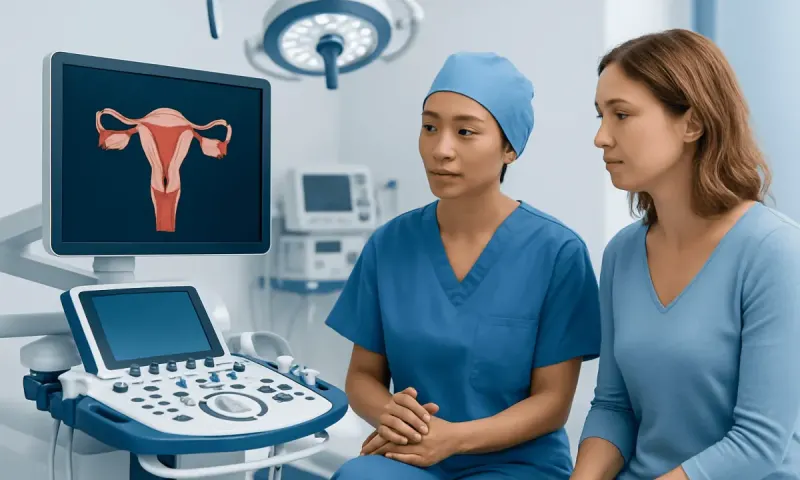
A uterine polyp — your doctor may call it an endometrial polyp — grows out of the lining of the uterus. Some sit on a broad base, others hang from a narrow stalk. They vary in size and number, and they can turn up before or after menopause. Most are benign, meaning not cancer, but a polyp that has been removed is usually sent to a laboratory to confirm that.
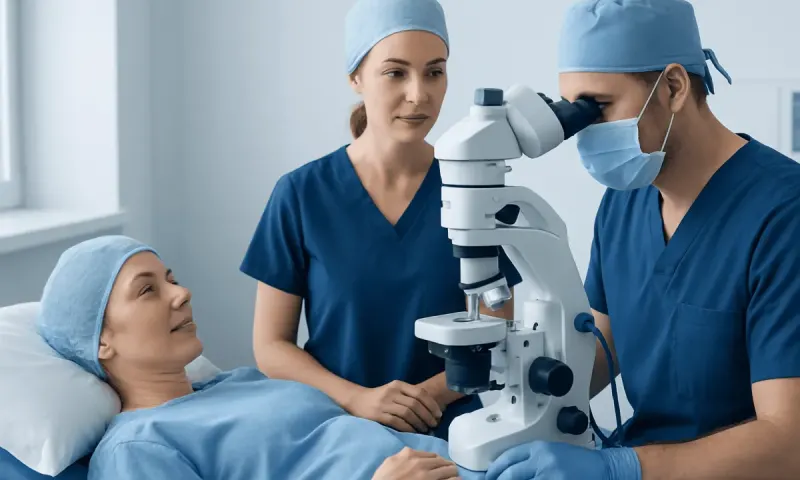
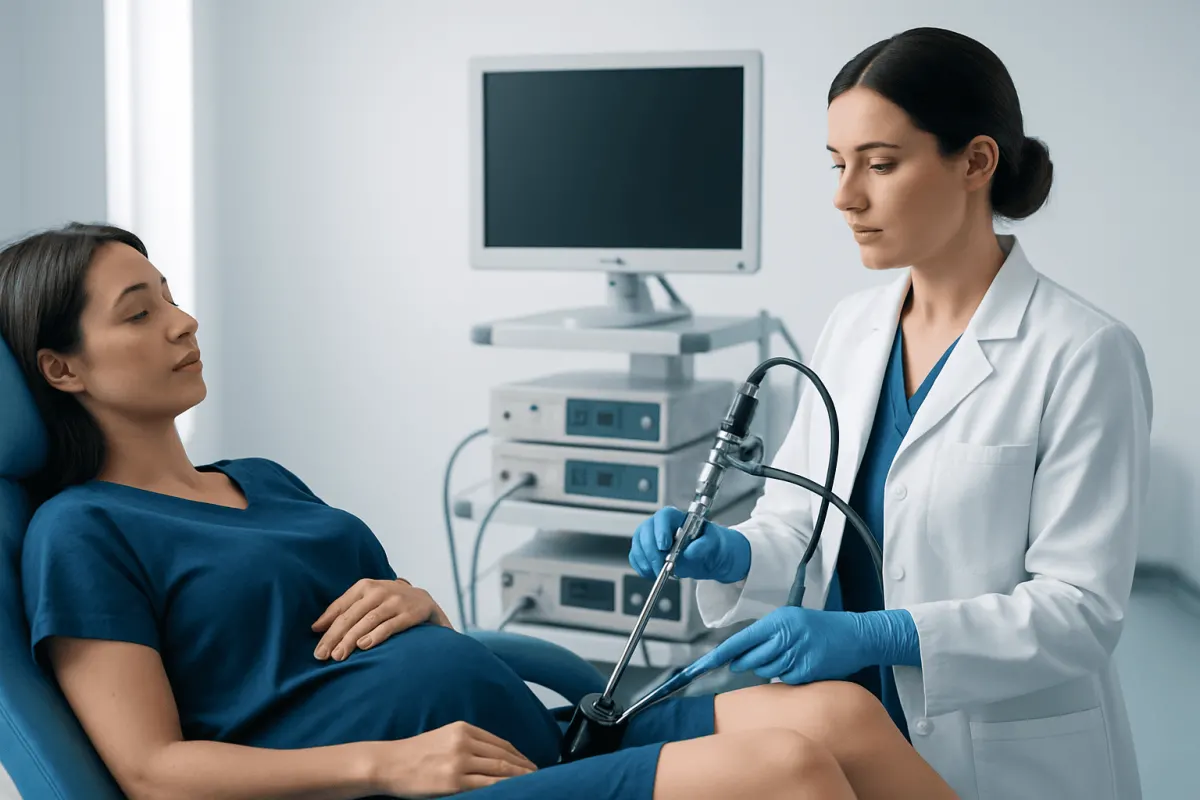
Hysteroscopy is a procedure in which a gynecologist passes a narrow telescope-like instrument, called a hysteroscope, through the vagina and cervix into the uterus. The camera provides a direct view of the uterine cavity. This can help identify a suspected polyp and distinguish it from other possible causes of bleeding, such as fibroids or changes in the uterine lining.
If removal is needed, it can often be done during an operative hysteroscopy, a procedure known as hysteroscopic polypectomy. Small instruments are passed through the hysteroscope to remove the polyp under direct vision. Because the uterus is reached through the natural opening of the cervix, abdominal cuts are generally not required.
Symptoms and Possible Effects of Uterine Polyps
Some people with uterine polyps have no symptoms, and a polyp may be found during an ultrasound, fertility assessment, or investigation for another gynecologic concern. When symptoms occur, the most common is abnormal uterine bleeding. This can include periods that are unusually heavy, prolonged, or unpredictable.
Other possible symptoms include spotting between periods, bleeding after sex, or bleeding after menopause. Postmenopausal bleeding should always be assessed by a qualified clinician, even if it happens only once or is light. It does not automatically mean a serious condition is present, but it requires evaluation to identify the cause.
Polyps may sometimes be associated with difficulty becoming pregnant or repeated pregnancy loss, although fertility can be affected by many different factors. A gynecologist can consider whether a polyp is likely to be relevant based on its size, location, symptoms, age, and individual reproductive plans.
- Heavy or prolonged menstrual bleeding
- Bleeding or spotting between periods
- Bleeding after menopause
- Irregular menstrual cycles
- Possible fertility concerns in some people
Causes and Risk Factors
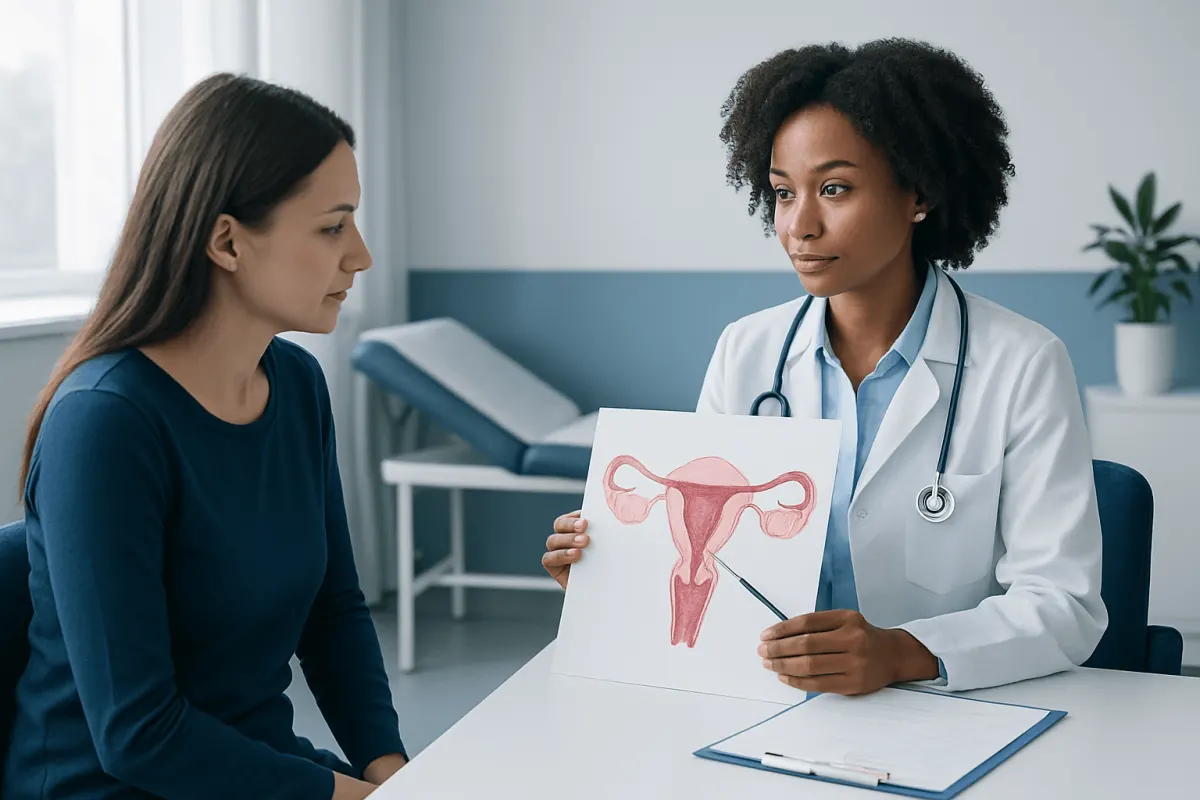
The exact cause of uterine polyps is not always clear. They appear to be influenced by estrogen, a hormone that helps regulate the endometrium throughout the menstrual cycle. Polyps can develop when a localized area of the uterine lining grows more than expected.
They are more often diagnosed in people in their 40s and 50s and around the transition to menopause, although they can occur at other ages. Factors linked with a higher likelihood of polyps include obesity, high blood pressure, and use of certain medicines that affect estrogen activity. These associations do not mean that a person will definitely develop a polyp.
A polyp is not usually something you brought on yourself. And there is no reliable home remedy that will shrink or remove one once it is confirmed. See a doctor, especially if you have bleeding after menopause, bleeding that keeps being abnormal, symptoms of anemia, or concerns about fertility.
How a Uterine Polyp Is Diagnosed
Diagnosis begins with a discussion of bleeding patterns, medical history, medication use, and reproductive goals. A pelvic examination may be performed, although it cannot always detect a polyp located inside the uterine cavity. The clinician may also check for other causes of bleeding affecting the cervix, vagina, or uterus.
Transvaginal ultrasound is frequently used as an initial imaging test. It uses a small ultrasound probe placed in the vagina to create images of the uterus and ovaries. In some cases, saline infusion sonography may be recommended. This test introduces a small amount of sterile fluid into the uterus during ultrasound to make the cavity outline easier to assess.
Hysteroscopy offers direct visualization of the uterine cavity and may be used when imaging suggests a polyp or when results are uncertain. A biopsy of the endometrium may also be advised in certain situations, particularly for postmenopausal bleeding or when the uterine lining appears thickened. The choice of tests is individualized and guided by age, symptoms, and clinical findings.
Hysteroscopic Polyp Removal: What Happens During the Procedure?
A diagnostic hysteroscopy may be performed in an outpatient clinic or procedure unit. If a polyp needs removal, operative hysteroscopy may take place in an outpatient surgical setting. Depending on the procedure, the person’s medical history, and local practice, pain relief, sedation, regional anesthesia, or general anesthesia may be used. The care team explains the planned approach in advance.
During the procedure, the hysteroscope is gently inserted through the vagina and cervix. Fluid is used to open the uterine cavity slightly so the lining can be viewed clearly. The doctor identifies the polyp and removes it using appropriately sized instruments. The tissue is usually sent for pathology examination.
Because your doctor can actually see the polyp and where it attaches, hysteroscopic removal is more targeted than blind techniques. Sometimes a polyp cannot be safely removed during an initial office hysteroscopy, or a different procedure may be more suitable. The doctor will explain the reason and discuss next steps if this occurs.
Hysteroscopy can also help assess other abnormalities in the uterine cavity. For example, a person being evaluated for bleeding or infertility may have conditions such as uterine fibroids considered as part of the wider assessment.
Recovery, Results, and Possible Risks
Many people return home on the same day after hysteroscopic polyp removal. Mild cramping, light bleeding, or watery discharge can occur for a short time afterward. Resting on the day of the procedure and using pain relief recommended by the treating team may help. The timing of return to work, exercise, sex, tampons, or swimming should follow the clinician’s instructions.
The pathology report usually confirms whether the removed tissue is benign or whether further assessment is needed. Most uterine polyps are benign. However, changes that require additional care are more likely in some groups, including people with postmenopausal bleeding. Reviewing the pathology result with the gynecologist is an important part of follow-up.
Complications are uncommon. They can include bleeding, infection, a reaction to anesthesia, fluid-related problems, or rarely a small perforation of the uterus. Your care team takes steps to reduce these risks. Call the clinic straight away if you have heavy bleeding, severe or worsening abdominal pain, fever, dizziness, or foul-smelling discharge.
Polyps can occasionally return or new polyps can develop later. Follow-up depends on symptoms, pathology findings, age, and whether abnormal bleeding recurs. Regular gynecologic care and timely review of new bleeding symptoms remain helpful.
Treatment Choices and Self-Care
Not every uterine polyp requires immediate removal. For example, a small polyp causing no symptoms in a premenopausal person may sometimes be monitored, depending on the clinical situation. Removal is more commonly recommended when there is abnormal bleeding, infertility concerns, a larger or persistent polyp, postmenopausal bleeding, or uncertainty about the diagnosis.
Medication may help control bleeding in some circumstances, but it does not reliably remove an established uterine polyp. Hysteroscopic polypectomy is often preferred when a polyp needs removal because it allows both treatment and tissue analysis. Decisions should be made with a gynecologist after discussing benefits, possible risks, alternatives, and plans for pregnancy.
Before a planned procedure, the care team may advise when to stop eating or drinking if anesthesia is expected and whether any regular medicines need adjustment. People taking blood-thinning medication, those with diabetes, or those who may be pregnant should make sure the clinician knows before the procedure. Acıbadem Health Point’s multidisciplinary specialists and JCI-accredited hospitals provide assessment and treatment for uterine conditions for international patients.
When to See a Doctor
Book a gynecology appointment if your periods are heavy, prolonged, or irregular, if you bleed between periods, or if you bleed after sex. Any bleeding after menopause should be checked promptly. These symptoms have several possible causes, and the right tests can pin down which one and guide treatment.
Urgent medical advice is appropriate after hysteroscopy if bleeding becomes heavy, pain is severe or worsening, fever develops, or discharge has an unpleasant odor. Emergency care may be needed for severe weakness, fainting, chest pain, shortness of breath, or bleeding that is difficult to control.
For people trying to conceive, discussing uterine polyps with a fertility or gynecology specialist can be useful. The clinician can explain whether removal is likely to be beneficial and can also assess other factors that may influence fertility. Individualized advice is especially important because the best approach differs from person to person.
Frequently asked questions
01Is hysteroscopy for a uterine polyp painful?
Some people experience cramping or pressure during diagnostic hysteroscopy, while others have little discomfort. Pain relief, sedation, or anesthesia may be used depending on the type of procedure and individual needs. The care team can explain the expected sensations and available comfort options beforehand.
02How long does hysteroscopic polyp removal take?
The procedure itself is often relatively short, but the overall appointment may take longer because of preparation, anesthesia, and recovery monitoring. Timing varies according to the number, size, and location of polyps and whether other treatment is needed. The treating team can provide a more individualized estimate.
03Can a uterine polyp be cancerous?
Most uterine polyps are benign. A small proportion may contain precancerous or cancerous changes, which is why removed tissue is commonly examined by a pathology laboratory. The need for careful assessment is greater when bleeding occurs after menopause.
04Can uterine polyps affect fertility?
Some polyps may interfere with implantation or contribute to abnormal bleeding, but not every polyp affects fertility. Whether removal may help depends on the polyp’s characteristics and other fertility factors. A gynecologist or fertility specialist can advise based on the individual situation.
05How long is recovery after hysteroscopy uterine polyp removal?
Many people return to usual light activities within a day or a few days, although recovery varies. Mild cramps and light spotting can be expected for a short period. The clinician’s instructions about activity, sex, and use of tampons should be followed.
06Can a uterine polyp come back after removal?
A removed polyp usually does not grow back from the same tissue, but new polyps can develop over time. Recurrence risk differs between individuals and may be influenced by hormonal factors. New or recurring abnormal bleeding should be reviewed by a doctor.
This article is for general information only and is not a substitute for professional medical advice. Please consult a qualified doctor about your individual situation.
Oncology care in Turkey — second opinion and treatment plan
JCI-accredited · board-certified surgeons · reply within 24h
Add us as a Preferred Source to see more of our trusted health content across Google Search, AI Overviews and Discover.