PEG Tube: Uses, Care and Complications

Key Takeaways
- A PEG tube delivers nutrition directly into the stomach through a small opening in the abdomen.
- It may be recommended when swallowing is unsafe, intake is too low, or long-term tube feeding is needed.
- Placement is usually done with endoscopy and requires short-term recovery and tube-care teaching.
- Daily cleaning, secure tubing, and monitoring for leakage or redness help reduce complications.
- A healthcare team should review symptoms such as fever, increasing pain, blockage, or tube dislodgement promptly.
A PEG tube is a feeding tube placed directly into the stomach to provide nutrition, fluids, or medicines when eating by mouth is not safe or sufficient. With clear education and careful follow-up, many people and families learn to manage it confidently at home.
Overview
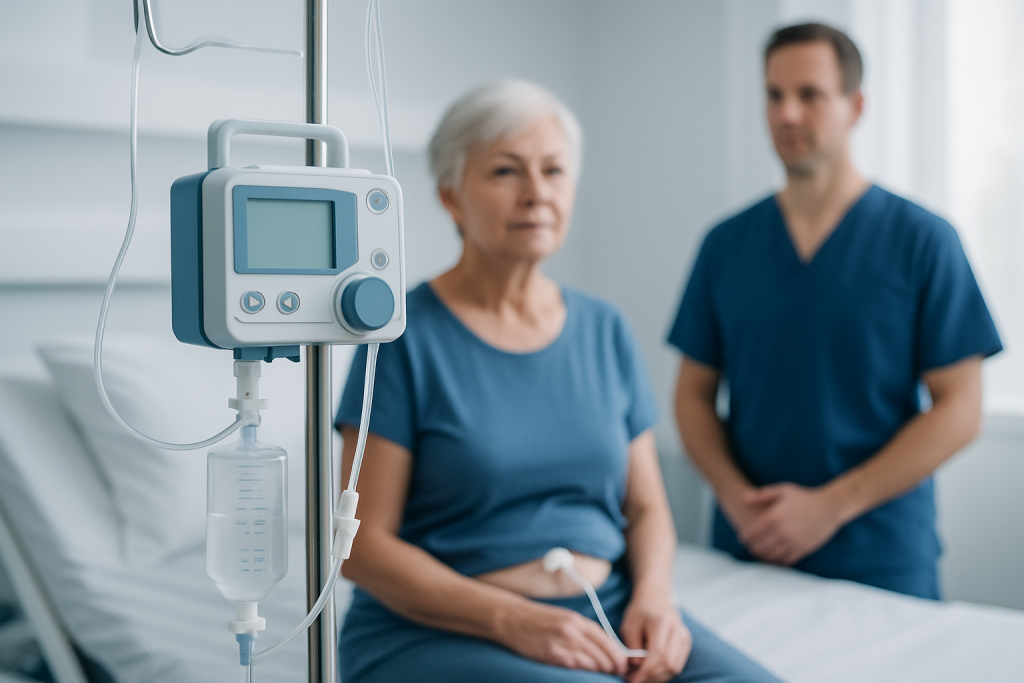
A PEG tube, short for percutaneous endoscopic gastrostomy tube, is a feeding tube placed through the abdominal wall into the stomach. It is used when a person cannot eat enough safely by mouth, or when swallowing itself carries a risk of choking or food entering the lungs. The tube allows liquid nutrition, fluids, and sometimes medicines to go straight into the stomach.
For many patients, the decision to place a PEG tube comes after a practical conversation rather than a single dramatic event. A swallowing problem after a stroke, a neurologic illness, a head and neck cancer treatment plan, or a long period of poor intake may all lead a doctor to recommend this option. The goal is not to replace normal eating forever in every case; it is to protect nutrition and make daily care more manageable while the underlying condition is treated or stabilized.
Families traveling for treatment often want to know whether a PEG tube will complicate discharge, follow-up, or long-distance recovery. In practice, the care plan usually becomes more structured, not less: the team teaches tube use, checks the skin around the site, and explains what to watch for once the patient returns home or continues care abroad.
Symptoms and Reasons It May Be Needed
A PEG tube is not placed for a single symptom alone. It is generally considered when eating and drinking no longer meet the body’s needs or when swallowing is unsafe. The concern may be Acid Reflux Weight Loss: A Complete Medical Overview" class="ahp-ilk">weight loss, repeated dehydration, aspiration, or an inability to finish meals without fatigue or distress.
Common situations include neurological conditions that weaken swallowing, such as stroke, Parkinson’s disease, ALS, or advanced dementia in carefully selected cases. It may also be used in people with cancers of the mouth, throat, or esophagus, especially when treatment makes swallowing painful or temporarily impossible. In children, it may support growth when oral feeding is not enough because of developmental, neurologic, or congenital conditions.
- Unintentional weight loss or poor growth
- Frequent coughing or choking during meals
- Recurrent aspiration or chest infections related to swallowing
- Dehydration or inability to take enough fluids
- Long-term need for nutrition support during recovery or treatment
The decision is usually individualized. A doctor looks at the person’s medical condition, expected recovery, ability to swallow safely, and overall goals of care before recommending tube feeding.
Causes & Risk Factors

The need for a PEG tube is usually caused by an illness or injury that affects swallowing, appetite, or the ability to take enough nutrition by mouth. In some cases, the digestive system works normally, but the pathway from mouth to stomach is disrupted. In others, eating is technically possible, but the body cannot keep up with the required intake.
Risk factors include conditions that impair the muscles or nerves involved in swallowing, cancers that block the upper digestive tract, and prolonged weakness after major surgery or hospitalization. A person may also be at higher risk if they are frail, have repeated pneumonia from aspiration, or have a condition that is expected to make oral feeding unsafe for an extended period.
When a team evaluates this option, it also considers whether the person can tolerate the procedure itself and whether the tube will likely improve comfort, nutrition, and care. This is especially important for international patients, where planning must also account for travel timing, language support, nutrition supplies, and follow-up arrangements after discharge.
Diagnosis and Evaluation Before Placement
Before a PEG tube is placed, the healthcare team usually confirms why feeding support is needed and whether a tube is the right choice. This may include a medical history, a physical examination, blood tests, and a review of current medications. If swallowing problems are present, a speech and swallowing assessment may be done to understand how safely the person can eat and drink.
Doctors may also use imaging or endoscopic evaluation to assess the upper digestive tract and stomach. These steps help determine whether the anatomy is suitable for PEG placement and whether another feeding route would be more appropriate. The care team may ask about prior abdominal surgery, bleeding risk, infections, or any condition that could affect healing.
For patients arriving from another country, good planning is part of the evaluation. The team may review how the tube will be managed during the hospital stay, what education is needed before travel home, and how to coordinate follow-up with a local doctor or nutrition professional.
Treatment Options and How PEG Placement Works
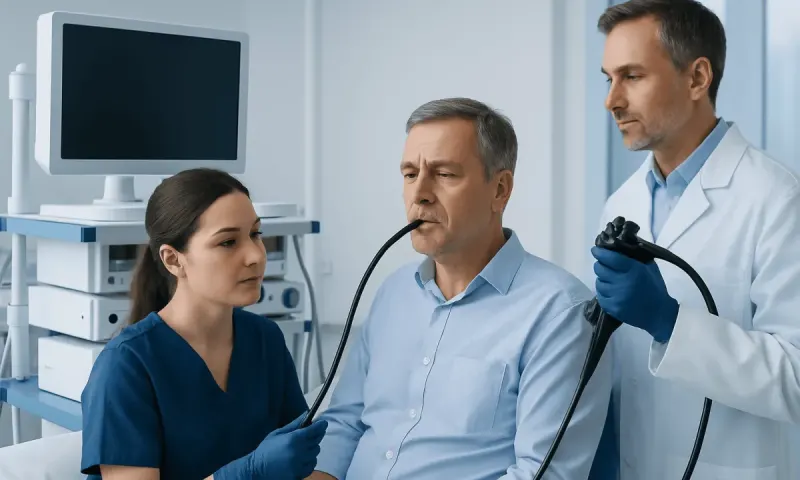
PEG placement is usually performed with endoscopy, a flexible camera passed through the mouth into the stomach. The doctor identifies the correct site from inside the stomach, then creates a small opening through the abdominal wall and places the tube into position. Sedation is commonly used so the patient is relaxed and comfortable.
After placement, the tube is secured and checked before feeding begins. Some people can start receiving liquids the same day or shortly afterward, depending on the care team’s protocol and the patient’s condition. The hospital team then teaches how to flush the tube, give feedings, handle medicines safely, and keep the site clean.
It helps to understand that a PEG tube is one part of a larger treatment plan. Some patients use it temporarily while they recover swallowing function, while others need it for longer-term nutrition support. The exact approach depends on the underlying illness, the person’s goals, and how recovery is expected to unfold.
Possible issues are usually manageable when recognized early. These may include minor leakage, skin irritation, blockage, accidental pulling, or infection around the stoma site. Less commonly, the tube may dislodge or bleeding may occur, which is why education before discharge is essential.
Prevention & Self-care
Not every PEG tube problem can be prevented, but everyday care makes a meaningful difference. The skin around the tube should be kept clean and dry according to the instructions given by the healthcare team. Hands should be washed before handling the tube, and the tube should be flushed as directed to help prevent clogging.
Comfort and safety often improve when the tubing is secured properly and not allowed to pull or twist. It is also helpful to check the site regularly for redness, swelling, leakage, odor, pain, or changes in the amount of drainage. Feedings should be given in the position recommended by the care team, and the head may need to remain elevated for a period afterward to reduce reflux risk.
- Follow the exact feeding and flushing plan provided by the care team
- Inspect the skin around the tube daily
- Keep supplies clean and stored as instructed
- Report persistent nausea, vomiting, pain, or blockage
- Arrange follow-up if the tube looks loose, damaged, or displaced
For patients recovering in another country, a written plan in the preferred language can be especially useful. It should include tube-care steps, contact numbers, emergency signs, and the name of the clinician who will supervise follow-up after travel.
When to See a Doctor
Medical advice should be sought promptly if the tube becomes blocked, falls out, leaks significantly, or causes worsening pain. Fever, increasing redness, swelling, pus, bleeding, or foul-smelling drainage around the site may indicate infection or another complication that needs assessment. Trouble breathing, repeated vomiting, or signs of dehydration also warrant urgent review.
It is equally important to contact a doctor if the person can no longer tolerate feedings, loses weight despite tube use, or develops confusion or unusual weakness. These changes may suggest that the nutrition plan needs adjustment or that another illness is affecting recovery. A tube that seems to work “most of the time” but not reliably should still be evaluated, because small problems can become larger ones if ignored.
If a patient is traveling for care, the discharge plan should clearly state who to contact once home and what local services can assist if the tube needs attention. For international patients, Acibadem Health Point’s multidisciplinary specialists and JCI-accredited hospitals diagnose and treat PEG tube-related conditions with coordinated support for ongoing care.
Living With a PEG Tube
Adjusting to a PEG tube often takes time, but many people and families adapt well once the routine becomes familiar. The tube may change meal times, travel planning, and daily hygiene habits, yet it can also bring relief by making nutrition more reliable and reducing the stress of unsafe swallowing or exhausting meals.
Emotional adjustment matters as much as practical care. Some patients feel self-conscious at first, while caregivers may worry about doing something wrong. Clear teaching, written instructions, and realistic expectations can make the transition smoother. Support from nurses, dietitians, speech therapists, and the treating physician is especially helpful when recovery is expected over weeks or months.
Regular follow-up allows the team to reassess whether the tube is still needed, whether feedings are meeting nutrition goals, and whether swallowing has improved. In some cases, the tube can later be removed; in others, it remains an important part of long-term health maintenance.
Frequently asked questions
01What is the main purpose of a PEG tube?
A PEG tube provides nutrition, fluids, and sometimes medicines directly into the stomach when a person cannot eat safely or enough by mouth. It is used to support health while recovery, treatment, or long-term care continues.
02Is PEG tube placement painful?
The procedure is usually done with sedation, so the person is comfortable during placement. Some soreness at the insertion site is common afterward, but it should gradually improve.
03Can a person still eat by mouth with a PEG tube?
Some people can still take small amounts by mouth if their doctor says it is safe. This depends on the reason for the tube and the results of swallowing assessment.
04How long does a PEG tube stay in place?
The duration varies widely. Some people need it only temporarily during recovery, while others use it longer term because swallowing remains unsafe or insufficient.
05What are common signs of a PEG tube problem?
Redness, swelling, leakage, blockage, increasing pain, fever, or accidental dislodgement are all reasons to contact a healthcare provider. These signs often need prompt review, even if the person otherwise feels well.
06Can a PEG tube be managed at home after hospital discharge?
Yes, many people manage PEG tubes at home once they have been trained and have clear instructions. Good home care, follow-up, and access to support make a major difference in safety and comfort.
This article is for general information only and is not a substitute for professional medical advice. Please consult a qualified doctor about your individual situation.
Medical weight-loss options in Turkey — costs & eligibility
JCI-accredited · board-certified surgeons · reply within 24h
Add us as a Preferred Source to see more of our trusted health content across Google Search, AI Overviews and Discover.