Peeing a Lot After Surgery: When to Seek Medical Advice
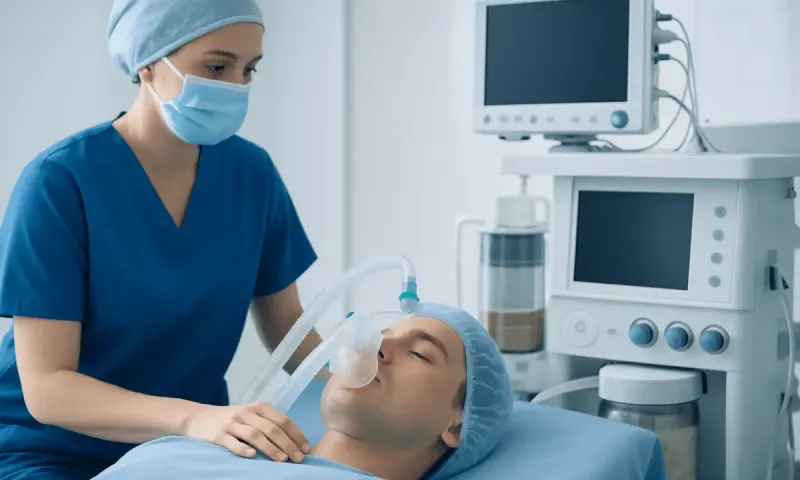
Peeing alot after surgery may occur as anesthesia wears off, intravenous fluids are cleared, or the bladder recovers from a procedure. It is often temporary, but symptoms such as pain, fever, blood clots, inability to urinate, or worsening urgency should be assessed promptly.
Overview: why peeing alot can happen after surgery
Peeing alot after surgery can be a normal short-term response, especially during the first day or two. Many patients receive fluids through a vein during an operation, and the kidneys remove this extra fluid afterward. Anesthesia, pain medicines, changes in activity, and the temporary use of a urinary catheter may also affect bladder habits.
The meaning of frequent urination depends on the surgery and the accompanying symptoms. Urinating more often without pain may simply reflect fluid balance returning to normal. However, urinary frequency with burning, fever, lower abdominal pain, cloudy urine, difficulty emptying the bladder, or increasing blood in the urine can indicate a problem that needs clinical review.
After procedures involving the prostate, bladder, urethra, kidneys, or pelvis, urinary changes can last longer because the tissues and nerves involved in urination are healing. The care team can explain what is expected for the specific operation and when follow-up testing is needed.
Symptoms and patterns to notice
Frequent urination means needing to pass urine more often than usual. It may occur during the day, overnight, or both. Some people pass large volumes of urine each time after receiving intravenous fluids, while others pass small amounts frequently because the bladder is irritated or has not yet regained its usual capacity and control.
Peeing a lot days after surgery may be accompanied by urgency, meaning a sudden strong need to urinate. Mild stinging or discomfort can occur briefly after catheter removal or urinary tract procedures. Following prostate surgery, a person may also notice temporary leakage, a weaker stream, interrupted flow, or a sensation that the bladder empties differently.
- Note how often urination occurs and whether the urine volume is large or small.
- Observe changes in urine color, odor, pain, urgency, leakage, or flow.
- Keep track of fluid intake, particularly caffeine, alcohol, and evening drinks.
- Report symptoms that are worsening rather than gradually improving.
A simple bladder diary can help a clinician understand the pattern. It usually records drinks, urination times, approximate volumes when possible, urgency, and leakage over several days.
Why frequent urination occurs after an operation

Several common factors can cause peeing a lot post surgery. Intravenous fluids are a frequent explanation shortly after an operation. Once circulation and kidney function are stable, the body may produce more urine to restore its usual fluid balance. Some medicines can also increase urine production or change bladder sensation.
A urinary catheter can temporarily irritate the urethra and bladder. After it is removed, urgency, frequency, and mild burning may occur for a short period. Catheter use also slightly increases the possibility of a urinary tract infection, which may cause burning, urgency, lower abdominal discomfort, cloudy urine, or fever.
After pelvic, bladder, or prostate surgery, inflammation and healing can make the bladder more sensitive. Peeing a lot after prostate surgery may also occur because the bladder had adapted to obstruction before treatment and needs time to readjust. For some people, pre-existing conditions such as diabetes, an overactive bladder, enlarged prostate, constipation, sleep apnea, or anxiety can contribute to ongoing urinary frequency.
It is important to distinguish frequent urination from urinary retention with overflow. In retention, the bladder does not empty properly, so a person may make repeated small trips to the toilet, feel pressure or fullness, or leak urine. This requires timely medical assessment.
Is it good to pee a lot after surgery?
Peeing more than usual can be reassuring when it reflects the body clearing fluids given during surgery, particularly if urine is pale, there is no significant discomfort, and the person otherwise feels well. Good urine output is one of several signs clinicians monitor after an operation, but frequency alone does not prove that recovery is progressing normally.
It is not necessarily “good” if urination is painful, very urgent, unusually frequent for several days, or associated with reduced fluid intake, dizziness, fever, or worsening weakness. Passing very large amounts of urine repeatedly can occasionally be linked with medication effects or blood sugar problems and should be discussed with a clinician.
Patients should follow the fluid guidance provided by their surgical team. Unless they have been told to limit fluids for a heart, kidney, or other medical condition, steady hydration is generally preferable to either restricting fluids excessively or forcing large amounts of water. Avoiding bladder irritants such as caffeine and alcohol during early recovery may reduce urgency and frequency.
How long does it take for urination to return to normal after surgery?
Urination may return to a person’s usual pattern within hours to a few days after many non-urological operations. The timeline can be longer after surgery involving the urinary tract, prostate, bladder, bowel, gynecological organs, or pelvic floor. It also depends on whether a catheter was used, how long it remained in place, the type of anesthesia, and a person’s health before surgery.
After catheter removal, mild frequency, urgency, or burning often settles over several days. If symptoms persist beyond the recovery window given by the surgical team, or improve and then return, a urine test and clinical assessment may be needed. A clinician may check for infection, incomplete bladder emptying, medication effects, or another underlying cause.
Peeing a lot after prostatectomy can change over a longer period. The bladder and urinary sphincter may need time to adapt after the prostate has been removed. Leakage and urgency often improve gradually with recovery, pelvic floor rehabilitation when advised, and regular follow-up. The exact course differs between individuals and types of prostate surgery.
Patients should not delay asking their care team about symptoms that interfere with sleep, hydration, mobility, or confidence. Individual postoperative instructions always take priority over general information.
How long does it take to recover from TURP surgery?
Transurethral resection of the prostate, commonly called TURP, removes prostate tissue through the urethra to relieve urinary blockage caused by benign prostate enlargement. TURP surgery does not involve an external incision, but the prostate channel still needs time to heal. A catheter is commonly used for a short period after the procedure, depending on the clinical situation.
Many people resume lighter daily activities within a few weeks, while complete internal healing and stabilization of urinary symptoms can take several weeks to a few months. In the early recovery period, frequency, urgency, burning, small amounts of blood in the urine, and a stronger urge to urinate may occur. These symptoms should generally trend toward improvement.
Strenuous exercise, heavy lifting, constipation, and sexual activity may need to be avoided temporarily according to the surgeon’s instructions, as these can aggravate bleeding or discomfort. Drinking fluids as advised, avoiding bladder irritants, taking prescribed medicines correctly, and attending follow-up appointments support recovery.
Urgent assessment is needed for inability to urinate, heavy or persistent bleeding, large clots, fever, chills, severe pain, or symptoms that suddenly worsen. A doctor can determine whether these are part of expected healing or signs of a complication.
Is there a surgery for frequent urination?
There is no single operation that is appropriate for every person with frequent urination. Surgery is considered only after the underlying cause has been identified and less invasive treatment has not provided adequate relief. Frequent urination can arise from bladder overactivity, prostate enlargement, urinary obstruction, infection, pelvic organ prolapse, stones, neurological conditions, or other causes, and each requires a different approach.
For example, surgery to relieve obstruction from an enlarged prostate may improve frequency as well as weak stream, straining, and incomplete emptying. TURP is one option for selected patients with prostate-related obstruction. People with benign prostatic hyperplasia may also be managed with monitoring, lifestyle measures, medicines, or other minimally invasive treatments depending on their symptoms and clinical findings.
For overactive bladder, treatment often begins with bladder training, pelvic floor therapy, addressing constipation and fluid triggers, and medicines when suitable. Certain procedures may be considered for persistent symptoms, but decisions require careful evaluation by a urologist or other qualified specialist. Surgery is not usually the first response to urinary frequency alone.
Acıbadem Health Point’s multidisciplinary specialists and JCI-accredited hospitals evaluate urinary symptoms and provide individualized treatment planning for international patients when needed.
When to seek medical care
Contact the surgical team or a doctor promptly if frequent urination does not steadily improve, starts after an initial period of recovery, or is accompanied by burning, lower abdominal pain, back or flank pain, foul-smelling or cloudy urine, or new leakage. These symptoms can have treatable causes, including infection or incomplete emptying of the bladder.
Seek urgent medical care for an inability to pass urine, severe lower abdominal swelling or pain, fever or chills, confusion, fainting, severe weakness, heavy bleeding in the urine, or blood clots that make it difficult to urinate. These symptoms should not be managed by simply drinking more fluid at home.
For a non-urgent but persistent pattern, a clinician may review medications, perform a urine test, measure how well the bladder empties, and consider blood tests or imaging when appropriate. This approach helps identify whether peeing lot after surgery is a temporary recovery effect or a condition that needs targeted treatment.
Frequently asked questions
01Why am I peeing a lot after surgery?
Frequent urination after surgery is often related to intravenous fluids, temporary effects of anesthesia, medications, or bladder irritation after a catheter. Surgery involving the prostate, bladder, pelvis, or urinary tract can cause urinary symptoms for longer while tissues heal. Pain, fever, difficulty passing urine, or worsening symptoms should be reported to a clinician.
02Is it normal to pee a lot days after surgery?
It can be normal for a few days, particularly when the body is clearing fluids received during an operation. The pattern should usually become less noticeable as recovery progresses. If the frequency is severe, persistent, painful, or associated with fever or blood clots, medical advice is important.
03Why am I peeing a lot after prostate surgery?
After prostate surgery, the bladder and urinary control muscles may need time to adjust to changes in the urinary passage. Catheter-related irritation and postoperative inflammation can also cause urgency and frequency. Improvement can be gradual, and follow-up with the urology team is important if symptoms are troublesome or worsening.
04How long does frequent urination last after catheter removal?
Mild burning, urgency, or frequency may last for a few days after catheter removal. The timeframe varies according to the operation, the length of catheter use, and individual bladder health. Contact the care team if symptoms do not improve, become severe, or occur with fever, pain, or inability to empty the bladder.
05Can a urinary tract infection cause frequent urination after surgery?
Yes. Urinary tract infections can cause frequency, urgency, burning, cloudy or foul-smelling urine, lower abdominal discomfort, and sometimes fever. A catheter can increase infection risk, so a clinician may recommend a urine test when symptoms suggest an infection. Treatment should be based on medical assessment rather than self-treatment.
06What should I drink if I am urinating frequently after surgery?
Follow the fluid instructions provided by the surgical team, especially if there are heart, kidney, or fluid-restriction considerations. In many cases, regular hydration is appropriate, while caffeine and alcohol may worsen urgency and frequency. Avoid trying to correct frequent urination by drinking excessive amounts of water unless a clinician advises this.
This article is for general information only and is not a substitute for professional medical advice. Please consult a qualified doctor about your individual situation.
Explore treatments in Turkey — costs, top hospitals & a free quote
JCI-accredited · board-certified surgeons · reply within 24h
Add us as a Preferred Source to see more of our trusted health content across Google Search, AI Overviews and Discover.