Can You Have Surgery With a Cold?

Can you have surgery with a cold? It depends on the symptoms, the planned operation, the type of anesthesia and a person’s overall health. A mild runny nose may not prevent surgery, while fever, a significant cough, wheezing or breathing problems may make postponement safer.
Overview: Can You Have Surgery With a Cold?
Can you have surgery with a cold? Sometimes, particularly when symptoms are mild and limited to a clear runny nose or minor nasal congestion. However, a cold can make the breathing passages more sensitive, and symptoms such as fever, a persistent cough, chest congestion, wheezing or shortness of breath can increase concerns around anesthesia and recovery.
The safest decision is individualized. The surgeon and anesthesiologist consider whether the procedure is elective or urgent, the expected type of anesthesia, the complexity of the operation, age, smoking status, lung or heart conditions, and whether the illness appears to be a simple cold or another respiratory infection. Patients should contact the surgical team promptly rather than deciding on their own whether to attend.
Postponing a non-urgent operation is not necessarily a setback. In some circumstances, it gives the airways and body time to recover, helping the team plan anesthesia under safer conditions. Urgent or emergency surgery may still go ahead, with precautions tailored to the clinical situation.
Why a Cold Matters During Anesthesia
Colds are usually viral upper respiratory infections. They can cause inflammation and increased mucus in the nose, throat and larger airways. Even after nasal symptoms begin improving, airway sensitivity can persist for a period of time. This matters because anesthesia medicines and airway devices can affect normal breathing reflexes.
During general anesthesia, patients are asleep and may need breathing support through a mask, breathing tube or another airway device. An irritated airway may be more likely to cough, tighten or produce secretions. These reactions can make airway management more difficult and can contribute to breathing problems during recovery.
Risk is not the same for every operation. Procedures done under local or regional anesthesia may involve fewer airway-related concerns than those requiring general anesthesia, although symptoms still need to be reported. Major surgery with a cold can require especially careful review because the physical stress of the procedure and recovery is greater.
Having a cold does not automatically mean a person has a serious complication or cannot proceed. It means the anesthesia team needs accurate, up-to-date information to balance the benefits of proceeding against the potential risks of delay.
Can I Still Go Under Anesthesia If I Have a Cold?

Some people can still receive anesthesia with a cold, but the decision should be made by the anesthesiologist in coordination with the surgeon. Mild symptoms without fever, significant cough, breathing difficulty or chest involvement may be acceptable for certain planned procedures. A person’s examination and medical history are important parts of that decision.
General anesthesia is more likely to be reconsidered when a person has active lower respiratory symptoms, such as wheezing, a productive cough or shortness of breath. Children, older adults, people who smoke, and people with asthma, chronic obstructive pulmonary disease, sleep apnea or significant heart disease may need additional caution because their risk of breathing complications can be higher.
The preoperative assessment is an opportunity to discuss the symptoms openly. Patients should mention when symptoms began, whether they are improving or worsening, whether they have measured a fever, the color and amount of mucus or phlegm, recent exposure to contagious illness, and any medicines taken. They should not hide symptoms out of concern that the procedure could be rescheduled.
Will My Operation Be Cancelled If I Have a Cold?
An operation will not always be cancelled because of a cold. For elective surgery, the team may decide to proceed, to modify the anesthesia plan or to postpone until symptoms have resolved. The decision is usually made after an assessment on the day of surgery or earlier if the patient calls when symptoms develop.
Postponement is more likely when there is a fever, worsening illness, a frequent or wet cough, chest congestion, low oxygen levels, wheezing, shortness of breath, or concern for influenza, COVID-19, pneumonia or another active infection. Surgery may also be delayed if the procedure involves the airway or chest, or if general anesthesia is necessary and the expected risks are higher.
For urgent procedures, delaying surgery may create greater risk than proceeding. In those cases, anesthesiologists can use additional monitoring and select an approach based on the person’s condition and the surgical need. The goal is not to apply a single rule, but to make the safest practical plan.
Patients who develop cold symptoms before surgery should call the surgeon’s office or preoperative unit as soon as possible. Early contact helps avoid unnecessary travel and gives the team time to advise on testing, medications, fasting and whether the planned date should be reviewed.
How Sick Is Too Sick for Surgery?
There is no exact symptom score that applies to every patient, but certain signs suggest that a planned operation needs prompt reassessment. These include fever, chills, a new or worsening cough, coughing up substantial phlegm, wheezing, chest pain, shortness of breath, severe sore throat, marked fatigue, vomiting or symptoms that are getting worse rather than better.
A simple stuffy nose is usually less concerning than symptoms involving the chest or overall wellbeing. Still, nasal congestion can matter when nasal surgery is planned, when sedation is expected, or when it is accompanied by signs of infection. The team may need to distinguish a common cold from allergies, sinus infection, influenza, COVID-19 or another condition.
People should also report recent contact with someone who has a contagious respiratory illness and any positive test results. Depending on local policies and clinical circumstances, the healthcare team may recommend testing or take infection-control measures to protect the patient, staff and other patients.
- Call the surgical team for any fever or new respiratory symptoms before a scheduled procedure.
- Seek urgent medical assessment for severe breathing difficulty, blue or gray lips, confusion, persistent chest pain or fainting.
- Follow the care team’s instructions about fasting and regular medicines; do not assume a procedure is cancelled unless the team confirms it.
Will They Still Do Surgery If You Have a Stuffy Nose?
They may still do surgery if a stuffy nose is the only symptom and the person otherwise feels well. Nasal congestion from mild allergies or a resolving cold does not always affect anesthesia safety. However, patients should still tell the anesthesiologist because congestion can be part of a developing respiratory infection.
The answer may differ if the planned operation is on the nose, sinuses, throat or airways, or if the patient also has snoring, sleep apnea, asthma or other breathing conditions. A blocked nose can also be more relevant for sedation or oxygen delivery in some settings. The clinical team will decide whether any adjustment is needed.
Over-the-counter decongestants, cold remedies and herbal products should not be started solely to keep an operation on schedule. Some products can affect blood pressure, heart rate, bleeding risk or interactions with prescribed medicines. Patients should ask the surgical team or pharmacist what is appropriate for them.
What Happens Before, During and After Surgery
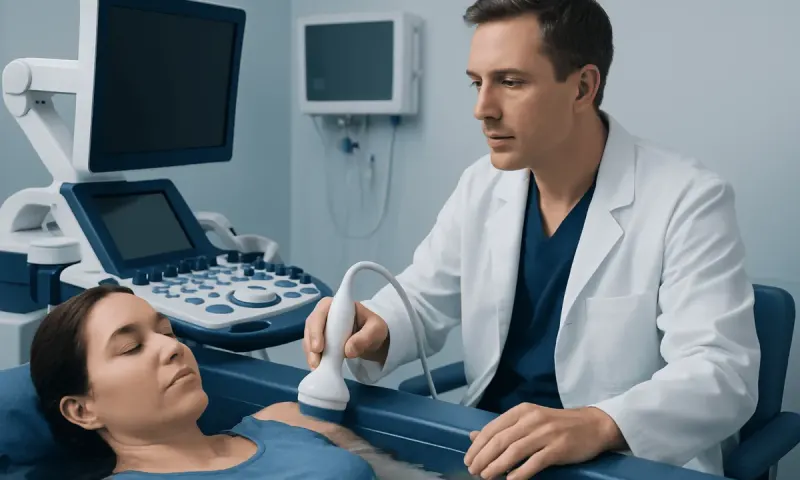
Before surgery, the preoperative nurse, surgeon and anesthesiologist review symptoms, medical conditions, medications and the planned procedure. The anesthesiologist may listen to the lungs, assess oxygen levels, and ask about exercise tolerance, sleep apnea, smoking and prior anesthesia experiences. Tests are not needed for every cold, but may be considered when symptoms or health history suggest a more significant illness.
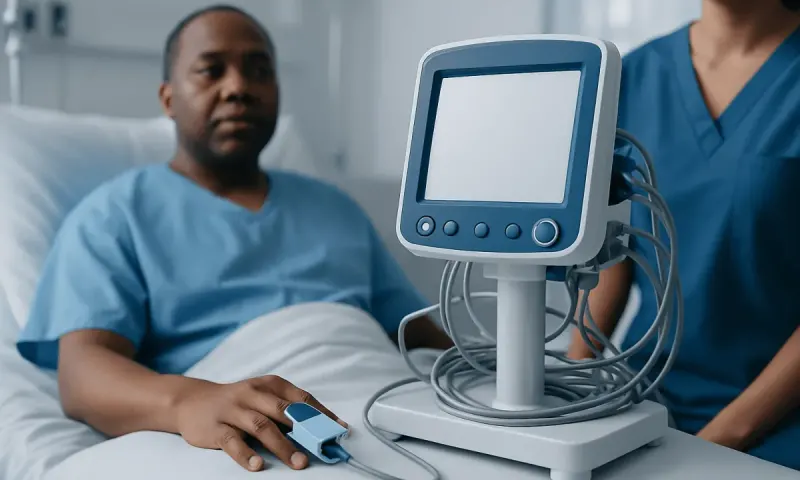
If surgery proceeds, the anesthesia plan is selected to support comfort and safety. This may include local, regional, sedation or general anesthesia depending on the operation and the patient’s needs. During the procedure, the team continuously monitors breathing, oxygen levels, heart rhythm and blood pressure.
After surgery, some patients with recent respiratory symptoms may need closer observation for coughing, low oxygen levels, airway irritation or excessive sleepiness. Most people who are cleared for surgery recover as expected, but it is important to use prescribed pain relief as directed, practice breathing exercises if recommended, stay hydrated when permitted and report worsening respiratory symptoms.
Recovery timing depends mainly on the operation itself. A mild cold may improve within days, whereas airway irritation can take longer to settle. Patients should ask their surgeon when it is safe to return to work, exercise, travel and other usual activities, particularly after a major procedure.
When to Seek Medical Care and How to Prepare
Patients should contact their surgical team promptly if cold symptoms arise in the days before surgery, even if the symptoms seem manageable. They should also seek medical care for fever that persists, worsening cough, wheezing, shortness of breath, chest pain, dehydration, confusion or symptoms that do not improve as expected. Emergency care is appropriate for severe or sudden breathing problems.
Until the team advises otherwise, patients should continue to follow their preoperative plan, including fasting instructions and guidance on regular medications. They should avoid smoking and vaping, as these can further irritate the airways and interfere with healing. Rest, fluids and appropriate symptom relief can support recovery from a routine cold, but they do not replace medical assessment before anesthesia.
For patients arranging elective procedures, clear communication is the most useful preparation. Acıbadem Health Point’s multidisciplinary specialists and JCI-accredited hospitals assess anesthesia and surgical needs for international patients, including when a recent respiratory illness requires a change in plan. The final decision should always be based on an in-person clinical evaluation and the urgency of surgery.
Frequently asked questions
01Can you have surgery with cold symptoms?
It may be possible if symptoms are mild, improving and limited to the nose, but the surgical and anesthesia teams must make that decision. Fever, a significant cough, wheezing, chest congestion or shortness of breath are more likely to lead to additional assessment or postponement of elective surgery.
02Can you have surgery with a cold and cough?
A cough should always be reported before surgery because it can indicate airway irritation or a lower respiratory infection. A mild, occasional dry cough may be assessed differently from a frequent, wet or worsening cough, particularly if general anesthesia is planned.
03Can you have major surgery with a cold?
Major surgery places more stress on the body and commonly requires general anesthesia, so an active cold deserves careful review. If symptoms suggest chest involvement or systemic illness, postponing an elective major operation may be safer; urgent surgery may still proceed with tailored precautions.
04How soon before surgery should a patient report a cold?
A patient should call the surgical team as soon as symptoms begin, including in the week before surgery or on the morning of the procedure. Early contact allows the team to give specific advice and determine whether an assessment or schedule change is needed.
05Can a stuffy nose alone cancel surgery?
A stuffy nose alone does not always cancel surgery, especially if it is due to allergies or a mild resolving cold and there is no fever or cough. The anesthesiologist still needs to know about it, as the planned operation and the person’s medical history can affect the decision.
06What should a patient do if they wake up sick on surgery day?
They should call the hospital or surgical center before leaving home, unless they have been told to arrive for an in-person assessment. They should describe their symptoms accurately and continue fasting and medication instructions unless the care team tells them otherwise.
This article is for general information only and is not a substitute for professional medical advice. Please consult a qualified doctor about your individual situation.
Explore treatments in Turkey — costs, top hospitals & a free quote
JCI-accredited · board-certified surgeons · reply within 24h
Add us as a Preferred Source to see more of our trusted health content across Google Search, AI Overviews and Discover.