Patellar Tendonitis: Symptoms, Causes and Treatment

Key Takeaways
- Tendonitis in the kneecap commonly involves the patellar tendon and is often linked to overuse rather than a single injury.
- Pain is typically felt just below the kneecap and may worsen with stairs, jumping, kneeling, or getting up from a chair.
- Diagnosis is usually based on a physical examination, with imaging used when the diagnosis is unclear or symptoms persist.
- Treatment often includes activity modification, targeted exercises, pain control, and a gradual return to sport or daily activity.
- Recovery is usually improved by addressing training errors, muscle imbalance, and footwear or movement issues.
- Medical review is important if pain is severe, swelling is significant, the knee locks or gives way, or symptoms do not improve.
Tendonitis in the kneecap usually refers to irritation or overload of the patellar tendon, the strong band that connects the kneecap to the shinbone. It often develops gradually with repetitive jumping, running, squatting, or sudden increases in activity, and it is usually manageable with the right diagnosis and a structured recovery plan.
Overview
Tendonitis in the knee cap is a common way people describe pain at the front of the knee, especially just below the kneecap. In medical terms, this is often called patellar tendonitis or patellar tendinopathy. It happens when the patellar tendon becomes irritated and overloaded, usually after repeated stress rather than one dramatic accident.
The patellar tendon plays an important role in everyday movement. It helps the thigh muscles straighten the knee during walking, Knee Pain When Climbing Stairs: Common Causes" class="ahp-ilk">climbing stairs, rising from a chair, running, and jumping. When that tendon is asked to do more than it can comfortably handle, small changes in the tissue can build up and cause pain, stiffness, and reduced performance.
For many patients, the first concern is whether the pain means something serious. In most cases, patellar tendon problems are treatable and improve with time, guidance, and a steady rehabilitation plan. The key is to recognize the pattern early and avoid pushing through pain in a way that keeps the tendon irritated.
Symptoms

The most typical symptom is pain at the front of the knee, often centered just below the kneecap where the tendon attaches. At first, the discomfort may appear only during activity, such as after a workout, a long walk, or repeated stair use. Over time, it may begin earlier in the activity or linger afterward.
People often notice that certain movements make the pain more obvious. These may include jumping, running downhill, squatting, kneeling, or standing up from a seated position. Some describe stiffness after resting, tenderness when pressing on the tendon, or a feeling that the knee is not tolerating usual loads as well as before.
Symptoms can be mild at the beginning and then become more persistent if the tendon is repeatedly stressed without recovery. A visible swelling is not always present, and the knee may still move normally. Even so, the pain can affect sports participation, work tasks, and daily mobility if it continues unchecked.
Causes & Risk Factors

Patellar tendonitis is usually an overuse condition. The tendon is exposed to repeated force every time the knee bends and straightens under load, which is why sports involving jumping, sprinting, quick direction changes, and frequent deceleration are common triggers. Basketball, volleyball, soccer, tennis, and running are frequent examples.
Training changes often play a role. A sudden increase in intensity, frequency, or volume can give the tendon less time to adapt. Hard playing surfaces, poor recovery between sessions, and training while already fatigued may also contribute. In some people, tight or weak muscles around the hip, thigh, or calf alter movement patterns and place extra stress on the knee.
Several factors may increase risk:
- Repetitive jumping or running sports
- Rapid changes in training load
- Limited flexibility or muscle imbalance in the legs
- Previous knee pain or tendon problems
- Biomechanical factors such as altered landing mechanics
- Inadequate rest or recovery
Age can matter as well, although tendon pain can occur in adolescents, active adults, and athletes at many levels. The condition is often less about a single cause and more about the sum of repeated stress, body mechanics, and recovery habits.
Diagnosis
Diagnosis usually begins with a detailed history and a physical examination. A clinician will ask where the pain is felt, what activities trigger it, how long it has been present, and whether there was a sudden injury. They may check the tendon, kneecap movement, surrounding muscles, and the way the knee behaves during squatting or resisted extension.
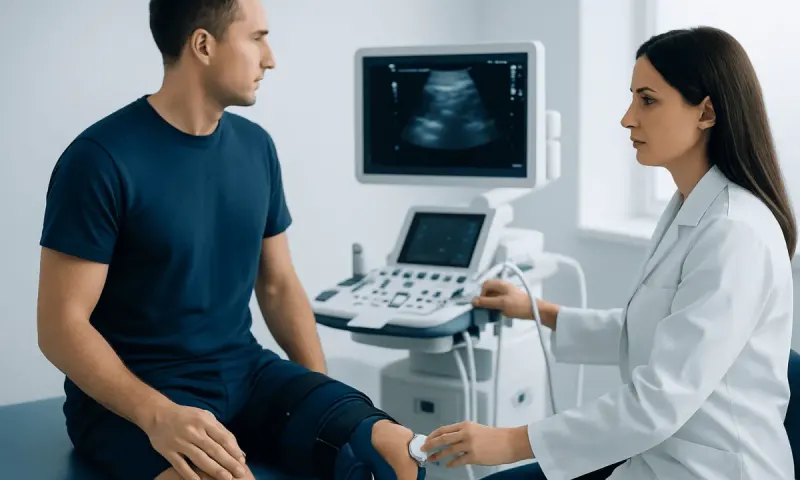
In many cases, the pattern of pain and exam findings are enough to make the diagnosis. Imaging may be considered when symptoms are unusual, severe, prolonged, or not improving as expected. Ultrasound and MRI can help evaluate tendon structure and rule out other causes of front-of-knee pain, such as cartilage problems, bursitis, or partial tendon injury.
For international patients who are seeking care away from home, a good diagnosis usually depends on clear communication about prior imaging, training history, past injuries, and the exact activities that bring on pain. Bringing previous reports, scans, and a simple timeline of symptoms can help the orthopedic team build a more precise plan quickly.
Treatment Options
Treatment is usually aimed at reducing irritation, restoring tendon capacity, and helping the patient return to normal movement in a controlled way. Rest alone is rarely the full answer, because tendons recover best when load is managed thoughtfully rather than eliminated for too long. The balance is to calm pain while keeping the knee active enough to heal.
Early care often includes temporary activity modification. This may mean reducing jumping, sprinting, deep squats, or other high-load movements that worsen symptoms. Ice may ease discomfort for some patients, and a clinician may suggest short-term pain relief options if appropriate. However, medicines do not repair the tendon by themselves, so they are usually only one part of treatment.
Exercise-based rehabilitation is central. A physiotherapist or rehabilitation specialist may guide strengthening for the quadriceps, hip muscles, and calf, along with tendon-loading exercises that progress gradually. Eccentric or heavy slow resistance programs are commonly used in practice, depending on the patient’s stage and tolerance. Movement retraining, flexibility work, and correction of training errors may also be included.
If pain persists despite structured conservative care, additional evaluation may be needed. In selected cases, a doctor may discuss procedures or injections, but these are not first-line for most people and should be considered carefully with an orthopedic specialist. Surgery is uncommon and generally reserved for resistant cases that have not improved with well-supervised rehabilitation.
Prevention & Self-care
Prevention starts with respecting the tendon’s need to adapt gradually. Sudden jumps in training load are one of the most common reasons front-of-knee pain begins, so increases in intensity, mileage, or jumping volume are best made step by step. Good recovery habits matter as much as the workout itself.
People can often reduce strain by warming up before sport, using proper technique, and paying attention to lower-body strength. Strong hips, thighs, and calves help distribute force more evenly through the knee. Footwear that suits the activity and surface may also be helpful, especially for runners and court-sport athletes.
Self-care measures that may support recovery include:
- Temporarily avoiding movements that sharply increase pain
- Using guided exercises rather than complete inactivity
- Scheduling rest days and sleep to support recovery
- Following a progressive return to sport or exercise
- Monitoring pain after activity, not only during it
For patients traveling internationally for treatment, planning rehabilitation before departure can make the process smoother. Knowing where follow-up will happen, what exercises can continue at home, and how progress will be monitored helps maintain continuity once the patient returns to another country.
When to See a Doctor
A medical assessment is advisable if front-of-knee pain lasts more than a short period, keeps returning, or begins to limit normal activities. It is especially important when pain is tied to sports or work tasks that cannot be avoided, because continuing to overload the tendon may prolong recovery.
Prompt evaluation is also recommended if the knee swells significantly, feels unstable, locks, gives way, or becomes painful after a clear injury. These features may suggest a different problem or a more significant tendon issue that should not be managed as simple overuse alone.
Patients should seek care if self-directed rest and basic measures are not helping, if pain is affecting sleep or daily function, or if they are unsure whether they can safely continue exercise. Acibadem Health Point’s multidisciplinary specialists and JCI-accredited hospitals can diagnose and treat this condition for international patients, with coordinated care that supports both treatment and follow-up planning.
Recovery and Outlook
Most people improve with a structured approach, but recovery is often gradual rather than immediate. Tendons usually need time to adapt to loading again, so progress may happen in stages. A person may first notice less pain with daily tasks, then improved tolerance for exercise, and only later a full return to sport.
The outlook is usually better when the condition is addressed early. Patients who learn how to manage training load, strengthen supporting muscles, and follow a clear progression often do well. The tendon may remain sensitive for a period, so patience and consistency are important parts of healing.
If symptoms keep returning, it may mean the knee is being asked to do more than the current recovery level allows. In that situation, a reassessment can identify whether the exercise plan needs to be adjusted, whether another diagnosis should be considered, or whether additional imaging is useful.
Frequently asked questions
01Is tendonitis in the kneecap the same as jumper’s knee?
Yes, they often refer to the same problem. Jumper’s knee is a common name for patellar tendonitis or patellar tendinopathy, which affects the tendon below the kneecap. The name reflects how often it appears in jumping and running sports.
02Should a person keep exercising with kneecap tendon pain?
Usually some activity adjustment is better than complete rest, but painful high-load movements should be reduced. A clinician or physiotherapist can help decide which exercises are safe and which should be paused temporarily. The goal is to keep the tendon active without repeatedly irritating it.
03How long does recovery take?
Recovery varies based on how long the symptoms have been present and how the knee responds to treatment. Some people improve within weeks, while others need a longer rehabilitation period. Steady progress is more important than rushing back too quickly.
04Can tendonitis in the knee cap heal on its own?
Mild cases may settle if the tendon gets enough rest from aggravating activities, but many cases improve best with guided rehabilitation. Because the issue is often related to load and movement patterns, simply waiting may not address the underlying cause. A proper plan can reduce the chance of symptoms returning.
05Does imaging always need to be done?
No, not always. Many cases are diagnosed through history and examination alone. Imaging is more useful when symptoms are persistent, severe, atypical, or when another condition needs to be ruled out.
06What is the difference between tendonitis and a torn tendon?
Tendonitis refers to irritation and overload of the tendon, while a tear means there is structural damage in the tissue. A tear is more likely to cause a sudden event, major weakness, or difficulty straightening the knee. A doctor can help distinguish between them through examination and, if needed, imaging.
This article is for general information only and is not a substitute for professional medical advice. Please consult a qualified doctor about your individual situation.
Joint and spine care in Turkey — expert assessment & treatment
JCI-accredited · board-certified surgeons · reply within 24h
Add us as a Preferred Source to see more of our trusted health content across Google Search, AI Overviews and Discover.