Partial Hysterectomy: Leaving the Cervix in Place

A partial hysterectomy, also called a supracervical or subtotal hysterectomy, removes the upper part of the uterus while leaving the cervix in place. It may be used to treat certain non-cancerous gynecological conditions when other treatments have not provided adequate relief.
Overview: What Is a Partial Hysterectomy?
A partial hysterectomy is an operation that removes the body of the uterus while leaving the cervix in place. It is also called a supracervical or subtotal hysterectomy. Because the uterus is removed, periods usually stop and pregnancy is no longer possible after the procedure.
The operation may be considered for symptoms caused by conditions such as fibroids, adenomyosis, pelvic pain or heavy menstrual bleeding when medication and less invasive options have not been effective or are not suitable. The best choice depends on the underlying diagnosis, symptom severity, future fertility wishes and the person’s overall health.
A partial hysterectomy is different from a total hysterectomy, which removes both the uterus and cervix. It is also different from removal of the ovaries. The ovaries may be preserved or removed during either type of hysterectomy, depending on the medical reason for surgery and an individual discussion with the gynecological team.
Who May Be a Candidate and How the Procedure Works
Hysterectomy is usually considered after a careful evaluation of symptoms and possible alternatives. Candidates may include people with large or symptomatic uterine fibroids, persistent heavy bleeding, chronic pelvic pressure, or pain that affects quality of life. The procedure is generally not appropriate when the uterus must be fully removed for cancer treatment or when cervical disease makes preservation of the cervix unsuitable.
Before surgery, the team may perform a pelvic examination, ultrasound and blood tests. Depending on symptoms and age, further testing such as endometrial sampling, cervical screening or MRI may be advised. These checks help identify the cause of symptoms and support safe planning.
During informed consent, the surgeon discusses whether preserving the cervix is appropriate, whether the fallopian tubes or ovaries should be removed, and which surgical route is most suitable. A hysterectomy is permanent, so discussions should include its effect on fertility, recovery and possible long-term follow-up.
Related conditions that may lead to hysterectomy include uterine fibroids and endometriosis. In some circumstances, less invasive treatments may be available before surgery is considered.
Step-by-Step: How Is a Partial Hysterectomy Performed?
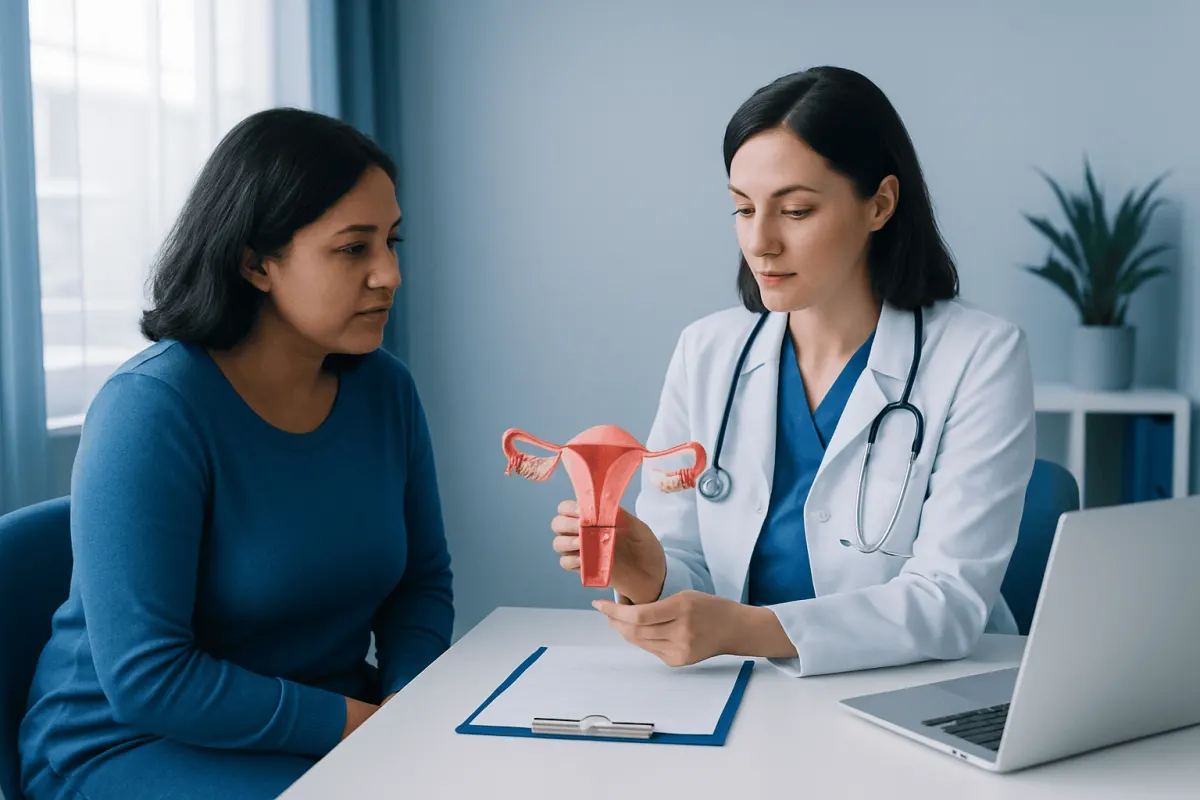
A partial hysterectomy is performed under general anesthesia, meaning the patient is asleep and does not feel the operation. The surgical approach may be laparoscopic, robot-assisted in selected centers, or open abdominal surgery. The choice is influenced by uterine size, prior surgery, the suspected condition and the need to inspect or treat other pelvic structures.
In a laparoscopic procedure, the surgeon makes several small abdominal incisions and inserts a camera and fine instruments. In an open abdominal procedure, the surgeon makes one larger incision in the abdomen. The uterus is separated from its supporting tissues and blood supply, and the upper uterus is removed while the cervix remains in place.
The surgeon may remove the fallopian tubes at the same time, a step often discussed as part of reducing future tubal or ovarian cancer risk. If the ovaries are healthy and retained, they generally continue to produce hormones until natural menopause. The removed tissue may be sent to a laboratory for examination.
After the operation, the patient is monitored while waking from anesthesia. Pain relief, fluids, early movement and prevention of blood clots are important parts of immediate postoperative care. Hysterectomy treatment planning includes choosing the safest approach for the individual condition and medical history.
Benefits, Limitations and Possible Risks
The main potential benefit of partial hysterectomy is relief from symptoms caused by the uterus, such as heavy bleeding, pressure from fibroids or certain types of pelvic pain. Since the uterus is removed, pregnancy cannot occur and menstrual bleeding usually stops. For people whose ovaries are preserved, hormonal function and the timing of menopause are often unchanged.
Keeping the cervix may be preferred by some individuals, but it does not eliminate the need for routine cervical screening. A small amount of monthly spotting can occur in some people because hormone-responsive tissue may remain in the cervical canal. Persistent bleeding should be assessed by a clinician.
As with any major surgery, risks can include bleeding, infection, blood clots, reactions to anesthesia, injury to the bladder, ureters, bowel or blood vessels, and the possible need for further surgery. Scar tissue, urinary symptoms, sexual concerns or ongoing pelvic pain can occur, although many people recover well.
Recovery and outcomes can also be influenced by related pelvic conditions. For example, symptoms from adenomyosis may need individualized evaluation, particularly when pain has more than one possible cause.
Recovery Timeline and Everyday Care
Recovery depends largely on the surgical route and the person’s health before surgery. After minimally invasive surgery, many people go home the same day or after a short hospital stay and gradually resume light daily tasks within days to a few weeks. Open abdominal surgery generally requires a longer hospital stay and a slower recovery, often over several weeks.
In the first days, tiredness, abdominal soreness, mild vaginal spotting, constipation and temporary changes in bladder or bowel habits are common. Short, gentle walks are usually encouraged as advised by the surgical team because movement supports circulation, lung function and bowel recovery. Rest is important, but complete immobility is generally not recommended unless a doctor specifically advises it.
Patients should follow their surgeon’s instructions about bathing, driving, work, lifting, exercise and sexual activity. Heavy lifting and strenuous activity are commonly restricted while internal tissues heal. A balanced diet, adequate fluids and measures recommended for constipation can make recovery more comfortable.
Emotional responses also vary. Some people feel relief after symptoms improve, while others may experience sadness, fatigue or concern about body changes and fertility. Speaking with a clinician, counselor or trusted support person can be helpful when these feelings are persistent or difficult to manage.
How Hard Is Recovery From a Partial Hysterectomy?
Recovery from a partial hysterectomy is often manageable with planned support, pain control and gradual activity, but it is still recovery from major surgery. The first one to two weeks can involve fatigue, discomfort and reduced stamina. People should avoid comparing their progress with someone else’s, as healing varies substantially.
Minimally invasive surgery generally causes less incision discomfort and may allow an earlier return to routine activities than an open abdominal operation. However, internal healing still takes time even when skin incisions are small. It is important not to increase activity too quickly simply because a person feels better externally.
Before returning to work, exercise, travel or physically demanding responsibilities, patients should seek guidance from their surgeon. Jobs involving prolonged standing, lifting or manual work may require more time away than desk-based work.
Individual recovery plans may also involve support from gynecology, anesthesia, nursing, pelvic floor rehabilitation and other specialists. Acıbadem Health Point’s multidisciplinary specialists and JCI-accredited hospitals diagnose and treat gynecological conditions for international patients.
How Much Bed Rest Do You Need After a Hysterectomy?
Most people do not need prolonged bed rest after a hysterectomy. Resting frequently during the first few days is sensible, but brief, regular walks around the home are usually encouraged as soon as the surgical team considers them safe. Early gentle movement helps reduce the risk of blood clots and can support bowel function and recovery.
A helpful approach is to alternate activity and rest. A person may take a short walk, sit upright for a meal, then rest before doing another light task. The amount of activity should increase gradually, with attention to pain, dizziness, fatigue and the surgeon’s specific instructions.
Heavy lifting, vigorous exercise, core-intensive activities and sexual intercourse are commonly postponed until follow-up confirms adequate healing. People should contact their clinician if they are unsure whether a particular movement, trip or household task is safe.
What Day Is the Hardest After a Hysterectomy? What Happens to the Body?
There is no single hardest day after a hysterectomy. Many people find the first two to three days most challenging because of anesthesia effects, surgical soreness, fatigue, gas discomfort after laparoscopy and changes in bowel function. Others notice that tiredness becomes more apparent after returning home, when pain medicines are reduced and daily routines resume.
After a partial hysterectomy, the body begins healing at the incision sites and inside the pelvis. The uterus is no longer present, so pregnancy is not possible and menstrual bleeding usually ends. If the ovaries remain, they usually continue producing estrogen and other hormones, so immediate menopause is not expected.
Because the cervix remains, continued cervical screening is needed according to local recommendations. A small number of people have occasional cyclical spotting. New or persistent bleeding, worsening pelvic pain, urinary problems or symptoms that do not improve should be discussed with a gynecologist.
Follow-up appointments allow the team to review healing, pathology findings where relevant and any ongoing symptoms. They are also an opportunity to discuss return to activity, sexual wellbeing and longer-term preventive care.
When to Seek Medical Care
Patients should follow the discharge instructions provided by their surgical team and attend scheduled follow-up visits. It is important to contact the surgeon or another qualified clinician promptly for increasing rather than improving pain, fever, heavy vaginal bleeding, foul-smelling discharge, redness or drainage from an incision, persistent vomiting, or inability to pass urine.
Urgent medical assessment is needed for chest pain, shortness of breath, coughing blood, fainting, confusion, or new pain and swelling in one leg. These symptoms can have several causes but may signal a complication that needs immediate attention.
Before surgery, medical care should also be sought for heavy or irregular bleeding, pelvic pain, pressure, painful intercourse or a rapidly enlarging abdomen. A gynecological assessment can clarify the cause and help determine whether monitoring, medication, minimally invasive treatment or surgery is most appropriate.
Frequently asked questions
01Is a partial hysterectomy the same as a total hysterectomy?
No. A partial hysterectomy removes the uterus while leaving the cervix in place. A total hysterectomy removes both the uterus and cervix. In either procedure, the ovaries may be preserved or removed depending on the person’s circumstances.
02Will periods stop after a partial hysterectomy?
Most people no longer have menstrual periods because the uterus has been removed. However, a small number may have light cyclical spotting if hormone-responsive tissue remains in the cervical canal. Persistent or unexpected bleeding should be checked by a clinician.
03Does a partial hysterectomy cause menopause?
A partial hysterectomy itself does not usually cause immediate menopause when the ovaries are retained. The ovaries typically continue making hormones until natural menopause. If both ovaries are removed, menopause begins suddenly regardless of whether the cervix is retained.
04Can someone get pregnant after a partial hysterectomy?
No. Pregnancy is not possible after the uterus is removed. For this reason, fertility wishes and alternative treatment options should be discussed carefully before choosing hysterectomy.
05How long should someone avoid lifting after a partial hysterectomy?
The timeframe depends on the surgical approach, healing progress and the type of lifting involved. Many surgeons recommend avoiding heavy lifting for several weeks, especially after open abdominal surgery. The operating surgeon should provide individualized guidance before a patient resumes demanding work or exercise.
06Do you still need cervical screening after a partial hysterectomy?
Yes, if the cervix remains, regular cervical screening is generally still needed according to local guidelines. Screening recommendations can vary by age, prior results and country. A gynecologist can explain the appropriate schedule for the individual.
This article is for general information only and is not a substitute for professional medical advice. Please consult a qualified doctor about your individual situation.
Oncology care in Turkey — second opinion and treatment plan
JCI-accredited · board-certified surgeons · reply within 24h
Add us as a Preferred Source to see more of our trusted health content across Google Search, AI Overviews and Discover.