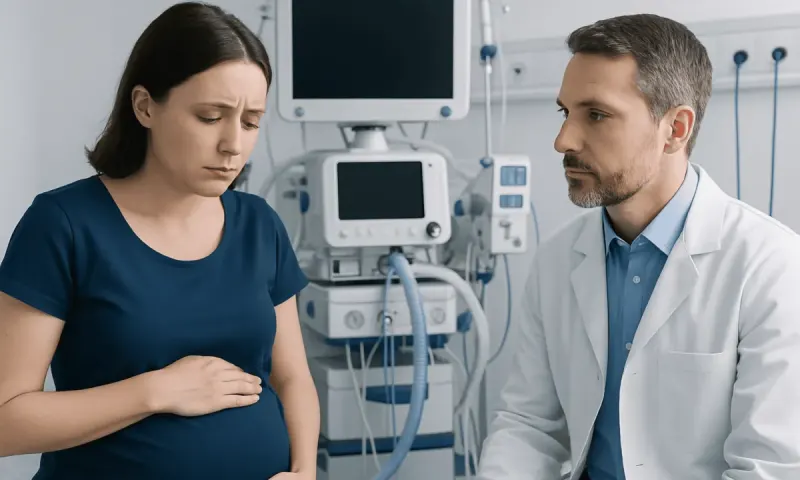
Bump on the Cervix: Possible Causes and Care
A bump on the cervix is commonly caused by a benign change, such as a mucus-filled nabothian cyst or a cervical polyp. Because the cervix cannot be reliably assessed at home and several conditions can look similar, a pelvic examination is the appropriate way to identify the cause.
Overview: What Does a Bump on the Cervix Mean?
A bump on the cervix is often a harmless finding, particularly when it is a small nabothian cyst or a cervical polyp. However, the term can describe several different changes, and only a clinician can determine whether a lump is truly on the cervix, on the vaginal wall, or related to nearby pelvic structures. A pelvic examination is therefore the most reliable next step.
The cervix is the lower, narrow part of the uterus that opens into the vagina. It has a naturally uneven surface with small glands, and its appearance may change with hormonal shifts, pregnancy, childbirth, healing, inflammation, or age. Some people learn about a cervical bump during a routine gynecologic examination, while others notice it during self-examination or are told about it after a cervical screening test.
Most cervical bumps are not cancer. Still, a new growth or a change accompanied by unexpected bleeding, persistent unusual discharge, pain during sex, or pelvic pain should not be ignored. Timely assessment can provide reassurance, identify a treatable benign condition, and ensure that appropriate cervical screening is up to date.
Common Types of Cervical Bumps
Nabothian cysts are among the most common benign cervical findings. They develop when mucus-producing glands in the cervix become covered by surface cells, trapping mucus beneath the surface. These cysts may look like small white, yellow, or clear rounded bumps. They usually cause no symptoms and typically do not need treatment.
Cervical polyps are soft, finger-like growths that arise from the cervical canal or outer surface of the cervix. They are usually noncancerous and can occur at any age, although they are more often found during the reproductive years or around menopause. A polyp may cause spotting after sex, bleeding between periods, bleeding after menopause, or increased vaginal discharge, though many cause no symptoms.
Cervical ectropion, sometimes called cervical erosion, is not a true lump but can make the cervix appear red, raised, or glandular. It occurs when delicate cells from inside the cervical canal are present on the outer surface. It is common in pregnancy, adolescence, and people using estrogen-containing contraception, and it can lead to light bleeding after sex or discharge.
Less commonly, a bump-like change can be caused by a prolapsing fibroid, a cyst from surrounding tissue, scar tissue after a procedure, or an infection-related lesion. Cervical cancer is much less common than benign causes, especially in people who attend regular screening, but it remains an important condition for a clinician to exclude when a suspicious growth or concerning symptoms are present.
Symptoms That May Occur

Many cervical bumps do not cause symptoms and are discovered incidentally during a Pap test, HPV test, pelvic examination, pregnancy visit, or imaging study. Small nabothian cysts, for example, rarely cause discomfort. A clinician may simply document the finding and recommend routine follow-up.
When symptoms occur, they can vary depending on the cause. Cervical polyps and ectropion can make the surface of the cervix more likely to bleed with contact. This may result in light bleeding after sexual intercourse, after a pelvic examination, or between menstrual periods. Some people notice a watery, white, yellowish, or blood-streaked discharge.
A larger growth, inflammation, or another pelvic condition may be associated with pelvic pressure, discomfort during intercourse, or changes in menstrual bleeding. These symptoms are not specific to a cervical bump and can also be caused by vaginal infections, hormonal changes, uterine fibroids, endometriosis, or other gynecologic conditions.
- Bleeding after menopause should always be evaluated.
- Heavy bleeding, severe pelvic pain, fever, or fainting requires urgent medical attention.
- A new foul-smelling discharge, itching, burning, or pain may suggest infection and should be assessed promptly.
Why Cervical Bumps Develop: Causes and Risk Factors
Nabothian cysts can form after normal healing or inflammation changes the surface of the cervix and blocks a mucus gland. They are often seen after childbirth, minor cervical injury, or inflammation, but they can also occur without an identifiable trigger. Their presence does not mean that a person has cancer or a sexually transmitted infection.
The exact cause of cervical polyps is not always clear. Long-term inflammation, changes in estrogen levels, and congestion of blood vessels in the cervix may contribute. Polyps are usually benign, but a removed polyp is commonly sent to a laboratory for examination because this confirms the diagnosis.
Infections can inflame the cervix, a condition called cervicitis. Some sexually transmitted infections, including chlamydia or gonorrhea, may cause cervical inflammation, bleeding after sex, discharge, or tenderness. Human papillomavirus (HPV) can cause cellular changes in the cervix and is the main cause of cervical cancer, although most HPV infections clear naturally and do not lead to cancer.
Risk factors for cervical cancer include persistent infection with a high-risk HPV type, smoking, a weakened immune system, and not attending recommended cervical screening. These factors do not mean a bump is cancerous. They help explain why regular screening and appropriate follow-up for abnormal symptoms or test results are important.
How a Clinician Diagnoses the Cause
Assessment usually begins with a discussion of symptoms, menstrual history, pregnancy history, sexual health, contraception, previous cervical screening results, and any history of abnormal Pap or HPV tests. It is helpful for the patient to mention when the bump was first noticed and whether bleeding, discharge, pain, or changes in periods have occurred.
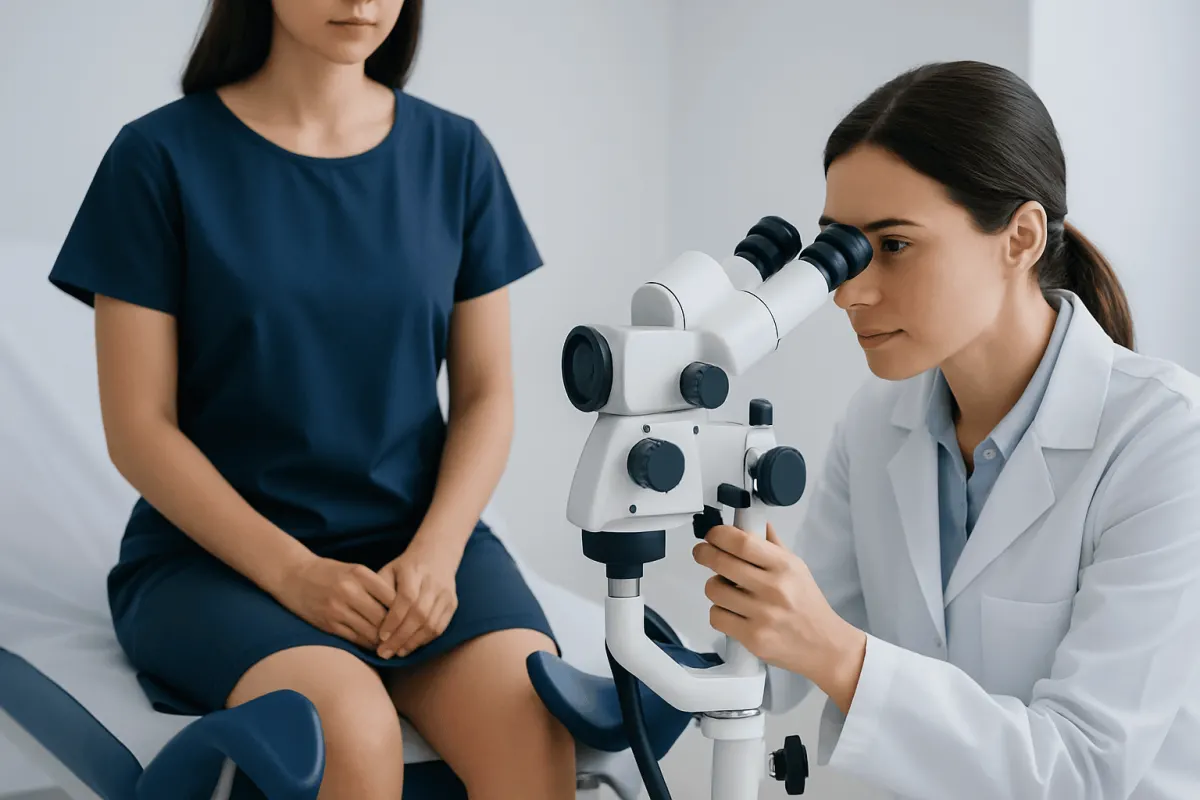
During a pelvic examination, the clinician uses a speculum to view the vagina and cervix. This allows them to assess the size, color, surface, and location of any bump. In many cases, a typical nabothian cyst or small polyp can be identified by appearance alone. The clinician may also perform a bimanual examination to check the uterus and ovaries.
Cervical screening may be recommended if it is due or if there are concerns about cell changes. Depending on local guidelines, this may involve HPV testing, a Pap test, or both. If the cervix looks abnormal, a clinician may recommend colposcopy, which uses magnification to examine the cervix more closely, and a small biopsy may be taken if needed.
Ultrasound can be useful when the finding may involve the uterus, such as a fibroid extending into the cervical canal, or when there is pelvic pain or abnormal bleeding. Testing for sexually transmitted infections may be appropriate when cervicitis is suspected. These investigations are selected based on the individual situation rather than used routinely for every cervical bump.
Treatment and Follow-Up Options
Treatment depends on the diagnosis, symptoms, size of the lesion, and whether there are concerning examination or screening findings. Small nabothian cysts generally need no treatment. They are benign and often remain stable. Rarely, a very large cyst that interferes with examination or causes symptoms may be drained or removed by a gynecologic specialist.
A cervical polyp may be removed in a clinic, particularly if it causes bleeding, is large, or has an uncertain appearance. Removal is usually a brief procedure. The tissue is commonly examined in a laboratory to confirm that it is benign. Some polyps can recur, so future gynecologic checkups remain important.
Cervical ectropion often requires no treatment. If it causes persistent troublesome bleeding or discharge and other causes have been excluded, treatment to seal the delicate surface cells may be considered. The most suitable option depends on the patient’s symptoms, pregnancy plans, screening history, and clinician’s assessment.
If an infection is identified, treatment may include appropriate antimicrobial medication and, in some cases, testing or treatment for sexual partners. When abnormal cells or cancer are suspected, referral to a gynecologic specialist is arranged for further evaluation and care. Acıbadem Health Point’s multidisciplinary specialists and JCI-accredited hospitals can assess cervical concerns and coordinate diagnosis and treatment for Myomectomy Recovery for International Patients: The Usual Travel Timeline" class="ahp-ilk">international patients.
When to Seek Medical Care
A person should arrange a non-urgent appointment with a gynecologist or qualified healthcare professional if they have noticed a new bump, have been told of a cervical growth, or are uncertain about a finding during self-examination. It is particularly important to seek assessment if symptoms persist, recur, or differ from the person’s usual menstrual pattern.
Medical review is recommended for bleeding after sex, bleeding between periods, unusually heavy or prolonged periods, new discharge, discomfort during sex, or persistent pelvic pain. Bleeding after menopause should be evaluated promptly, even when it is light or happens only once. Keeping a brief record of symptoms, dates of bleeding, and relevant screening results can help at the appointment.
Urgent care is appropriate for severe lower abdominal or pelvic pain, heavy vaginal bleeding, dizziness or fainting, fever with pelvic pain, or possible pregnancy with pain or bleeding. These symptoms may have causes unrelated to a cervical bump, but they need timely assessment.
People should avoid trying to squeeze, puncture, remove, or treat a suspected cervical bump themselves. The cervix is delicate, and self-treatment can cause bleeding, infection, or delayed diagnosis. A clinician can explain whether observation, testing, or treatment is appropriate.
Prevention, Screening and Practical Self-Care
Not every cervical bump can be prevented, especially harmless nabothian cysts and many polyps. However, regular cervical screening is an effective way to find HPV-related cell changes before they become more serious. Screening schedules vary by country, age, test type, previous results, and personal health history, so patients should follow the guidance provided by their local healthcare team.
HPV vaccination helps protect against HPV types that cause many cervical cancers and genital warts. It is most effective before exposure to HPV, but eligibility can extend beyond adolescence in some settings. A healthcare professional can advise whether vaccination is appropriate based on age, vaccination history, and local recommendations.
Using condoms can reduce, though not entirely eliminate, the chance of HPV and other sexually transmitted infections. Seeking testing when there is a new sexual partner, symptoms of infection, or known exposure can also support cervical and reproductive health. Avoiding smoking is beneficial because smoking is associated with a higher risk of persistent HPV infection and cervical cell changes.
There is no need for routine self-examination of the cervix. The cervix may feel firm, rounded, or slightly irregular depending on the point in the menstrual cycle, and self-examination cannot distinguish a normal variation from a condition needing care. Attending recommended checkups and reporting new symptoms are safer and more reliable approaches.
Frequently asked questions
01Can a bump on the cervix be normal?
Yes. Small nabothian cysts and natural variations in the cervical surface are common and usually harmless. However, a person cannot reliably identify the cause by touch, so a new or uncertain finding should be checked by a healthcare professional.
02Is a bump on the cervix usually cancer?
No. Most cervical bumps are benign, with nabothian cysts and cervical polyps being common examples. Nonetheless, a clinician should assess a new growth, especially when it is associated with abnormal bleeding, persistent discharge, pain, or overdue cervical screening.
03Can a cervical polyp go away on its own?
Some small polyps may remain unchanged and cause no symptoms, but they do not always disappear on their own. A clinician may recommend removal if a polyp causes bleeding, appears unusual, or needs laboratory confirmation.
04What does a nabothian cyst feel like?
Most people do not feel a nabothian cyst at all. If it is noticed during an examination, it may appear as a smooth, small, rounded bump on the cervix. Larger cysts are uncommon and may occasionally cause pressure or make examination more difficult.
05Can HPV cause a bump on the cervix?
HPV can cause changes in cervical cells, but these changes are usually detected through HPV testing, Pap tests, or colposcopy rather than by feeling a bump. HPV-related genital warts more often affect the outer genital area, vagina, or anus than the cervix.
06Should a bump on the cervix be removed?
Not necessarily. Benign, symptom-free nabothian cysts generally do not need removal. Polyps or other lesions may be removed when they cause symptoms, interfere with assessment, look atypical, or require testing to establish a diagnosis.
This article is for general information only and is not a substitute for professional medical advice. Please consult a qualified doctor about your individual situation.
Oncology care in Turkey — second opinion and treatment plan
JCI-accredited · board-certified surgeons · reply within 24h
Add us as a Preferred Source to see more of our trusted health content across Google Search, AI Overviews and Discover.