Parasomnia: Symptoms, Causes and Treatment

Key Takeaways
- Parasomnia can appear as sleepwalking, night terrors, vivid dreams, or unusual behaviors during sleep.
- Episodes may be triggered by stress, sleep deprivation, certain medicines, fever, or other sleep disorders.
- Diagnosis usually depends on a careful sleep history and, in some cases, a sleep study.
- Treatment focuses on safety, improving sleep habits, and addressing any underlying cause.
- People should seek medical advice if episodes are frequent, severe, injurious, or start in adulthood.
Parasomnia refers to unusual behaviors, movements, emotions, or experiences that happen while falling asleep, during sleep, or when waking. Understanding the patterns can help families feel more prepared and guide the right evaluation when episodes become frequent or risky.
Overview
Parasomnia is an umbrella term for behaviors or experiences that happen at the edges of sleep. A person may talk, walk, cry out, thrash, act out a dream, or wake confused without fully realizing what is happening.
These events can be unsettling to witness, but they are often more disruptive than dangerous when they occur occasionally. The main concern is safety and making sure the pattern is not a sign of another sleep disorder, medication effect, or neurological condition.
Parasomnias can happen in different parts of the sleep cycle, which is one reason they look so different from one person to another. Some occur during deep non-REM sleep, while others are linked to REM sleep, the stage in which dreaming is most vivid.
Symptoms
The symptoms depend on the type of parasomnia, but they usually involve unusual behavior during sleep or partial awakening. A person may seem awake yet remain confused, hard to redirect, or unaware of what is happening.
Common signs include sleepwalking, sitting up abruptly, sleeptalking, night terrors, confusional arousals, teeth grinding, nightmares, or acting out dreams. Some people remember the episode clearly in the morning, while others have little or no memory of it.
- Getting out of bed while still asleep
- Appearing frightened, sweaty, or disoriented after waking
- Moving arms or legs in response to a dream
- Shouting, crying, or talking during sleep
- Injuries, broken objects, or unexplained signs of activity at night
When episodes happen often, disrupt household safety, or lead to daytime tiredness, they deserve medical attention. A detailed sleep history often reveals a pattern that helps identify the specific parasomnia involved.
Causes & Risk Factors

Parasomnias can arise when the brain does not move smoothly through sleep stages. Instead of staying fully asleep or fully awake, the body may become partly activated, allowing behavior to occur without normal awareness or control.
Several factors can make these events more likely. Sleep deprivation, irregular sleep schedules, fever, stress, alcohol, and certain medicines may all contribute. Some parasomnias also run in families, suggesting a genetic tendency in some people.
Risk may increase when another sleep problem is present, especially obstructive sleep apnea, restless legs syndrome, or periodic limb movement disorder. In adults, a new parasomnia can also be linked to medication changes, substance use, or less commonly a neurological condition that needs evaluation.
Diagnosis
Diagnosis starts with a conversation about what happens at night, when it began, how often it occurs, and whether anyone has witnessed the episodes. Because the person may not remember the event, a bed partner or family member can provide very useful details.
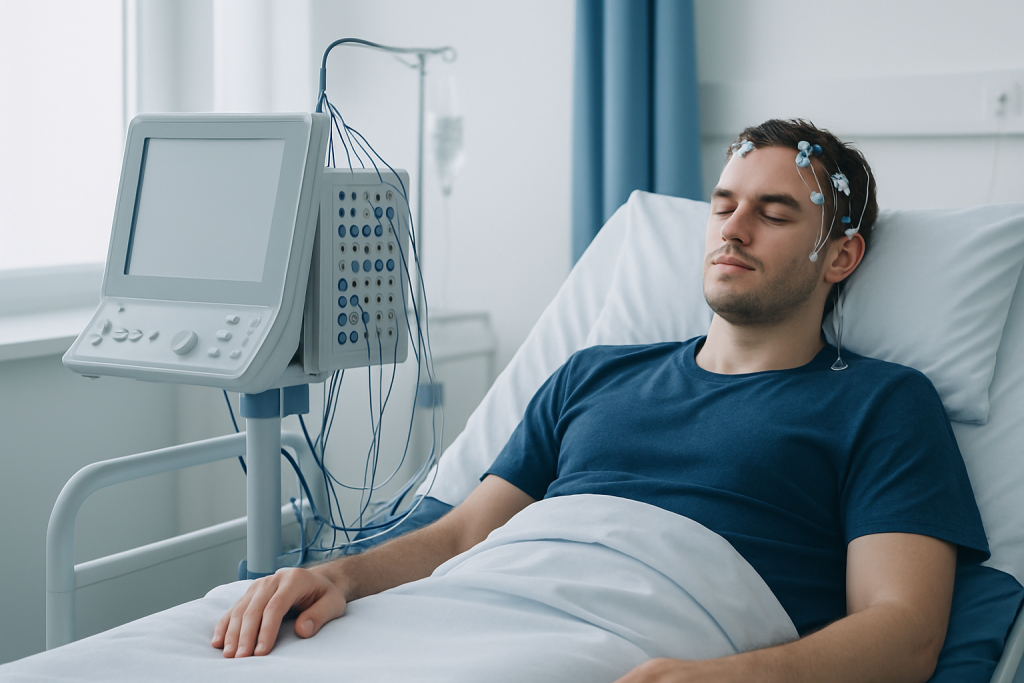
A clinician may ask about sleep habits, stress, medications, alcohol use, recent illness, and symptoms such as snoring, breathing pauses, or daytime sleepiness. In some cases, the next step is an overnight sleep study, which can show what the brain and body are doing during sleep.
Doctors may also recommend home video recordings if they are safe and practical, since visual information can help distinguish parasomnia from seizures or other conditions. The goal is not only to name the disorder but also to understand what is provoking it and whether any underlying sleep issue needs treatment.
Treatment Options
Treatment is tailored to the type of parasomnia, the frequency of episodes, and whether there is a safety concern. For many people, the first step is to improve sleep regularity and remove triggers rather than starting medication immediately.
If another sleep disorder is present, treating that problem may reduce or even stop the parasomnia. For example, managing sleep apnea can sometimes improve episodes that were occurring during repeated nighttime arousals.
In some cases, medicines may be considered by a sleep specialist, especially when episodes are severe, frequent, or dangerous. Treatment decisions should be individualized, since the best approach depends on the specific parasomnia and the person’s age, health history, and other medications.
- Creating a safer sleep environment
- Maintaining consistent sleep and wake times
- Treating underlying sleep disorders or medical issues
- Reviewing medications and alcohol use with a doctor
- Using specialist-guided therapy when needed
For international patients, diagnosis and treatment may involve coordinated testing, a clear plan before travel, and follow-up that can continue after returning home. That kind of organized approach can be especially helpful when episodes have been longstanding or not clearly labeled before.
Prevention & Self-care
Not every parasomnia can be prevented, but many episodes become less likely when sleep is protected and triggers are minimized. Regular sleep routines are especially valuable because sleep loss is a common catalyst for nighttime behaviors.
Practical safety measures matter as much as symptom reduction. Families may need to secure windows, remove sharp objects, clear floors of obstacles, and consider door alarms if sleepwalking is a concern.
- Keep a consistent bedtime and wake time, even on weekends
- Limit caffeine and alcohol, especially later in the day
- Reduce stress with calming evening routines
- Make the bedroom safer if episodes involve movement
- Track episodes in a sleep diary to identify patterns
It can also help to avoid waking someone abruptly during an episode unless there is immediate danger. A calm voice, gentle guidance, and a safe environment are usually preferable to confrontation.
When to See a Doctor
Medical evaluation is advisable when parasomnia episodes happen often, cause injury, disturb family sleep, or begin in adulthood without a clear explanation. A doctor should also be consulted if the episodes involve confusion during the day, unusual movements that could suggest seizures, or signs of a breathing problem at night.
Children may have occasional sleepwalking or night terrors that improve over time, but persistent or worsening episodes still deserve discussion with a pediatrician or sleep specialist. Adults who suddenly develop parasomnia should be checked more promptly, especially if a new medicine, alcohol use, or neurological symptoms are present.
People traveling for care often benefit from seeing a team that can connect Neurology: What Is the Difference for Patients?" class="ahp-ilk">sleep medicine, neurology, and imaging or laboratory testing when needed. Acibadem Health Point’s multidisciplinary specialists and JCI-accredited hospitals diagnose and treat parasomnia for international patients with coordinated, patient-centered care.
If the behavior places the person or others at risk, urgent assessment is appropriate. A qualified doctor can help determine whether the episodes are isolated, part of a broader sleep disorder, or a signal that further evaluation is needed.
Frequently asked questions
01What is parasomnia in simple terms?
Parasomnia means unusual events that happen while a person is asleep or partly awake. These can include sleepwalking, night terrors, sleeptalking, or acting out dreams.
02Is parasomnia dangerous?
Many episodes are not dangerous on their own, but they can become risky if someone falls, leaves the house, or injures themselves. Safety planning is an important part of care.
03Can stress cause parasomnia?
Stress can contribute, especially when it disrupts sleep or leads to sleep deprivation. It is one of several possible triggers, so a doctor may also look for other causes.
04Do children outgrow parasomnia?
Some childhood parasomnias, such as sleepwalking or night terrors, become less frequent with age. If the episodes are severe, frequent, or continue into later life, medical advice is still useful.
05How is parasomnia diagnosed?
Doctors usually start with a sleep history and a description of the events from the person or a witness. If needed, they may order a sleep study to better understand what is happening during the night.
06Can treating sleep apnea help parasomnia?
Yes, in some people it can. When parasomnia is linked to repeated arousals from sleep apnea, treating the breathing problem may reduce nighttime episodes.
This article is for general information only and is not a substitute for professional medical advice. Please consult a qualified doctor about your individual situation.
Explore treatments in Turkey — costs, top hospitals & a free quote
JCI-accredited · board-certified surgeons · reply within 24h
Add us as a Preferred Source to see more of our trusted health content across Google Search, AI Overviews and Discover.