Functional Neurological Disorder (PNES)

Key Takeaways
- PNES episodes can resemble seizures but are not epilepsy.
- Diagnosis usually requires a specialist evaluation and often video-EEG monitoring.
- Treatment commonly combines neurological assessment, psychological therapy, and support for related stress or trauma.
- People with PNES should avoid self-diagnosing or stopping seizure medicines without medical guidance.
- A clear care plan can improve safety, confidence, and quality of life.
PNES, or psychogenic nonepileptic seizures, can look very similar to epileptic seizures, yet they are not caused by abnormal electrical activity in the brain. A careful diagnosis is important because treatment focuses on understanding triggers, supporting mental health, and reducing future episodes safely.
Overview
PNES stands for psychogenic nonepileptic seizures. These events can appear dramatic and distressing, with movements, altered awareness, or collapse that may strongly resemble epilepsy. The key difference is that PNES are not caused by the abnormal electrical brain activity seen in epileptic seizures.
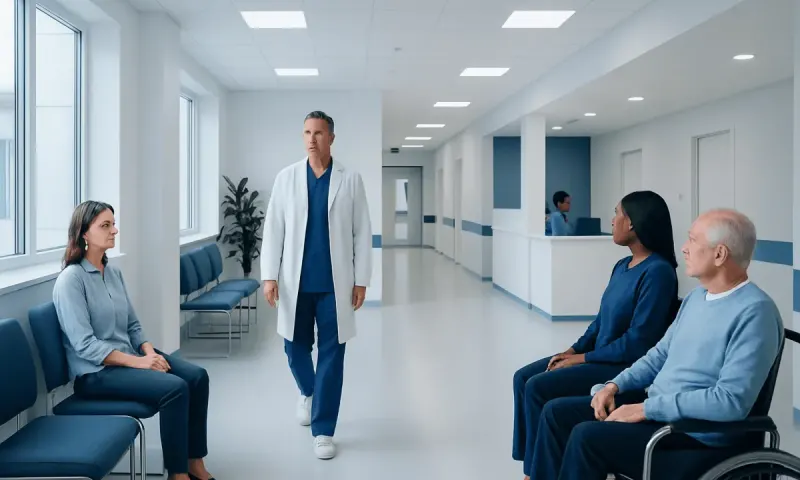
For patients and families, the first challenge is often uncertainty. Episodes may be misread as fainting, panic, or epilepsy before the correct diagnosis is made. That uncertainty can be especially difficult for international patients who are trying to arrange Stroke Specialist Evaluation: What to Expect at Your First Vascular Neurology Visit" class="ahp-ilk">specialist evaluation from another country and need clear answers about what is happening, what tests are necessary, and what care will follow.
PNES is a real and treatable condition. It is not “made up,” and symptoms should be taken seriously. The most helpful approach is usually a careful neurological assessment followed by targeted support that addresses both the episodes and the factors that may be contributing to them.
Symptoms
PNES symptoms can vary widely from one person to another and even from one episode to the next. Some episodes involve shaking or jerking movements, while others include staring, unresponsiveness, body stiffening, or sudden loss of control. Because the presentation can be diverse, the condition is sometimes mistaken for epilepsy, sleep disorders, or stress-related fainting.
Unlike many epileptic seizures, PNES episodes may last longer, fluctuate in intensity, or occur in patterns that do not match a typical seizure type. Some people remember part of the event afterward, while others do not. Emotional distress, physical strain, or crowded environments may sometimes be present before an episode, but triggers are not always obvious.
- Shaking or tremor-like movements
- Stiffening, arching, or collapse
- Temporary unresponsiveness
- Eyes closed during an event in some cases
- Sudden speech difficulty or inability to move
- Fatigue, confusion, or emotional distress after an episode
Because the symptoms can overlap with other conditions, it is important not to assume that every seizure-like episode has the same cause. A specialist evaluation helps distinguish PNES from epilepsy and other medical problems that need different treatment.
Causes & Risk Factors

PNES is usually understood as a functional neurological disorder, meaning that the brain is not functioning normally even though standard tests may not show structural damage or epileptic activity. The episodes are often linked to how the brain responds to stress, emotions, body sensations, or past experiences rather than to a single visible injury.
There is no one cause for everyone. Some people have a history of trauma, anxiety, depression, post-traumatic stress, chronic stress, or other psychological strain. Others may develop PNES in the setting of prolonged illness, pain, sleep disruption, or major life changes. Not every person with PNES has a clearly identified trigger, and the absence of one does not make the condition less real.
Risk factors may include:
- Past emotional or physical trauma
- Anxiety, depression, or post-traumatic stress symptoms
- Ongoing stress or major life transitions
- Chronic pain or other long-term health conditions
- Coexisting epilepsy in some patients
It is also important to note that PNES can coexist with epilepsy. That means a person may need assessment for both conditions, especially if the episode pattern is mixed or if prior seizure medicines have not clearly helped.
Diagnosis
Diagnosis begins with a detailed medical history and description of the events. A neurologist may ask what happened before, during, and after each episode, whether there was warning, how long it lasted, and whether any injuries occurred. Witness accounts and smartphone video clips can be very helpful when available.
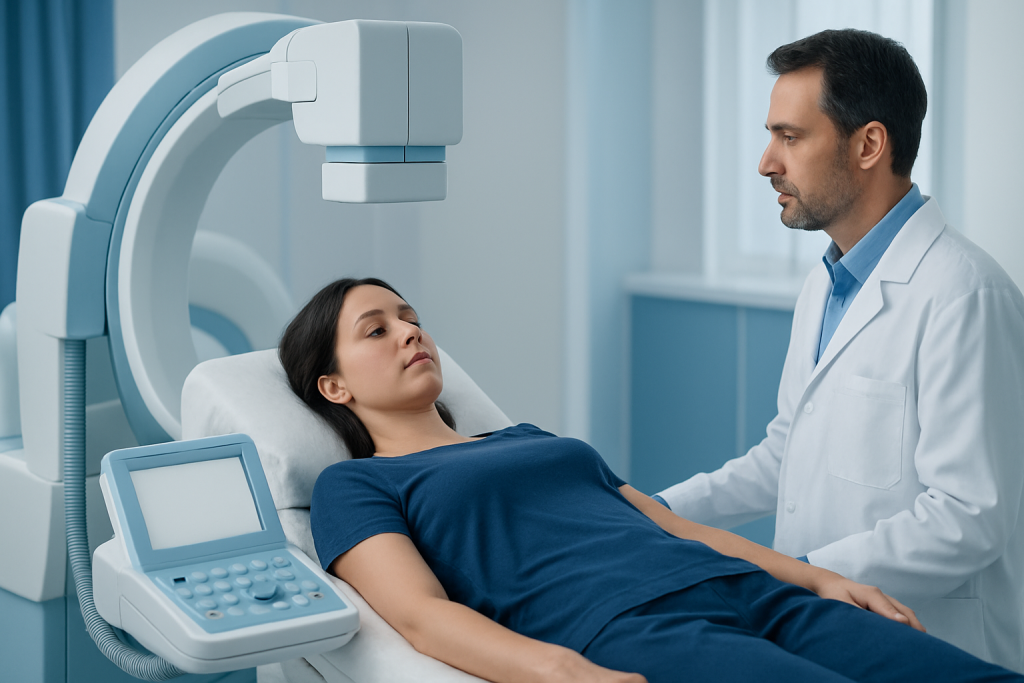
The most useful test is often video-electroencephalogram, or video-EEG, which records brain wave activity while an event is captured on camera. This helps the medical team see whether the episode is associated with epileptic activity. Depending on the situation, other tests such as blood work, brain imaging, or cardiac evaluation may be used to rule out other causes.
For international patients, diagnosis may involve coordinating records from several countries, including prior EEG reports, imaging scans, medication lists, and emergency notes. Bringing this information together can prevent repeat testing and help the specialist team build a more accurate picture of the condition.
Treatment Options
Treatment for PNES is individualized. The goal is not only to reduce episodes, but also to improve safety, daily functioning, and emotional well-being. Because PNES is not epilepsy, treatment often looks different from the seizure care many patients expect.
Psychological therapy is a common part of care, especially approaches that help a person understand stress responses, recognize patterns, and build coping skills. Cognitive behavioral therapy is frequently discussed, and trauma-focused treatment may be appropriate when trauma is part of the story. Care may also include treatment for anxiety, depression, sleep problems, or pain if those are present.
Neurology follow-up remains important, especially when the diagnosis is still being clarified or when epilepsy is also part of the picture. Antiseizure medicines do not usually treat PNES itself, so any medication plan should be reviewed carefully by a qualified doctor rather than changed at home.
- Neurologist evaluation and diagnosis confirmation
- Psychological therapy tailored to the person’s needs
- Management of stress, sleep, pain, or mood symptoms
- Safety planning for episodes
- Follow-up visits to monitor progress and adjust care
For patients traveling for treatment, a coordinated plan is especially useful. It helps explain what will happen during testing, how long care may take, and what follow-up can continue after returning home.
Prevention & Self-care
There is no guaranteed way to prevent PNES episodes, but many people benefit from learning what makes symptoms worse and what helps them recover. A calm routine, regular sleep, and steady follow-up can make daily life feel more manageable. The most effective self-care tends to be practical rather than complicated.
It can help to keep a simple episode diary that notes time, situation, emotions, sleep, and any possible trigger. This is not about blame; it is about finding patterns that may guide care. Relaxation skills, breathing exercises, grounding techniques, and therapy homework may also support recovery when used consistently.
- Keep regular sleep and meal patterns
- Reduce alcohol or substance use if relevant
- Learn safe responses for episodes with family or caregivers
- Stay engaged with therapy and neurology follow-up
- Carry medical information when traveling or away from home
People should not stop antiseizure medicines suddenly unless a doctor has given specific instructions. If the diagnosis changes from epilepsy to PNES, medication decisions should still be handled carefully and gradually under medical supervision.
When to See a Doctor
A medical evaluation is important any time a person has new seizure-like events, loses awareness, or has repeated unexplained episodes. Even if PNES is suspected, the first step is to rule out epilepsy and other possible causes. This is especially important after a first event, after an injury, or when episodes are changing in pattern.
Urgent medical attention is needed if an episode lasts unusually long, breathing seems affected, there is serious injury, the person does not return to baseline as expected, or the situation feels different from prior episodes. A doctor should also be contacted if there are new neurological symptoms such as weakness, severe headache, fever, or confusion.
For patients who are seeking care abroad, a specialist center can help organize the diagnostic process and next steps. Acibadem Health Point’s multidisciplinary specialists and JCI-accredited hospitals diagnose and treat PNES for international patients with coordinated, patient-centered care.
Frequently asked questions
01Is PNES the same as epilepsy?
No. PNES can look like epilepsy, but it is not caused by epileptic electrical activity in the brain. A specialist evaluation is needed to tell the difference, and some people can have both conditions.
02Can PNES be cured?
Many people improve significantly with the right diagnosis and treatment plan. The outlook depends on the person’s overall health, triggers, and access to therapy and follow-up care.
03Does PNES mean the symptoms are fake?
No. PNES symptoms are real and can be frightening for the person and those around them. The episodes are understood as a functional brain-body problem, not an act or a lack of control.
04What test confirms PNES?
Video-EEG monitoring is often the most helpful test because it can capture an episode while measuring brain activity. Doctors may also use other tests to rule out epilepsy or other medical causes.
05Should seizure medicines be stopped if PNES is diagnosed?
Not without a doctor’s guidance. Some people with PNES also have epilepsy, and medication changes should be planned carefully by a specialist.
06What should family members do during an episode?
They should stay calm, keep the person safe, and avoid restraining movements unless there is immediate danger. Afterward, they should encourage medical follow-up if the diagnosis is not already clear.
This article is for general information only and is not a substitute for professional medical advice. Please consult a qualified doctor about your individual situation.
Explore treatments in Turkey — costs, top hospitals & a free quote
JCI-accredited · board-certified surgeons · reply within 24h
Add us as a Preferred Source to see more of our trusted health content across Google Search, AI Overviews and Discover.