Pain Under Right Rib Cage: Causes and Treatment

Key Takeaways
- Pain under the right rib cage has many possible causes, and not all of them are related to the liver or gallbladder.
- Pain after fatty meals, with nausea, or that comes in waves may suggest a biliary or digestive cause.
- Pain that changes with movement, breathing, or pressing on the area can point to muscle, rib, or lung-related problems.
- Diagnosis usually starts with a history, physical exam, blood tests, and imaging such as ultrasound when needed.
- Seek urgent medical care for severe pain, fever, yellowing of the skin or eyes, chest pain, trouble breathing, or fainting.
Pain under the right rib cage can come from the gallbladder, liver, digestive tract, muscles, or even the lungs. The right next step depends on the pattern of pain, associated symptoms, and whether it is sudden, persistent, or linked to meals or movement.
Overview
Pain under the right rib cage often sends people searching for a single explanation, but this area contains several organs and structures that can generate discomfort. The gallbladder, liver, part of the intestines, the right kidney, the lower lung, the diaphragm, ribs, and nearby muscles can all contribute to pain in the right upper part of the abdomen or chest.
The character of the pain matters as much as its location. A dull ache after meals, a sharp twinge with twisting, or a deeper pain that comes with fever or nausea can point to very different causes. For international patients deciding whether to travel for care, the best first step is usually a medical review that connects symptoms, exam findings, and imaging rather than guessing from location alone.
In many cases, the problem is treatable and not dangerous. Still, because some causes need prompt attention, persistent or severe pain under the right rib cage should be assessed by a qualified clinician.
Symptoms and Pain Patterns
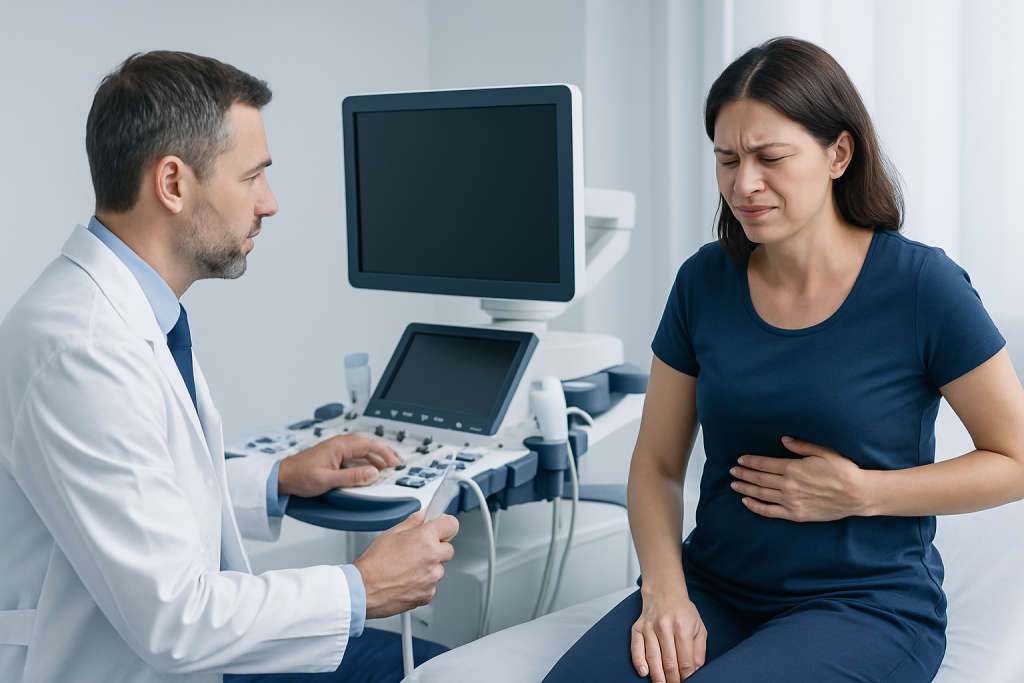
People describe this discomfort in many ways: pressure, stabbing pain, cramping, burning, or a constant ache. It may stay in one spot or spread to the back, right shoulder, chest, or upper abdomen. Some people notice it most after eating, while others feel it more when breathing deeply, coughing, or moving certain ways.
Associated symptoms help narrow the possibilities. Nausea, vomiting, bloating, fever, jaundice, changes in bowel habits, dark urine, pain with urination, shortness of breath, or a rash can all shift the medical evaluation in different directions. Pain that follows a heavy meal is often discussed differently from pain that appears after lifting, long travel, or a respiratory illness.
- Digestive clues: nausea, indigestion, gas, bloating, fatty-food intolerance.
- Gallbladder clues: pain after meals, especially rich meals, sometimes with pain into the right shoulder or back.
- Muscle or rib clues: pain that worsens with movement, pressing, or deep breathing.
- Urgent clues: fever, jaundice, chest pain, trouble breathing, or severe unrelenting pain.
Causes and Risk Factors

One of the most common causes is gallbladder disease, including gallstones and inflammation of the gallbladder. These problems can cause steady or cramping pain in the upper right abdomen, often after eating. When a stone blocks bile flow, pain may become more intense and may be accompanied by nausea or vomiting.
Conditions affecting the liver can also produce discomfort in this region. Hepatitis, Liver Disease: Symptoms, Causes and Treatment" class="ahp-ilk">fatty liver disease, liver congestion, or enlargement of the liver may cause a vague ache or sense of fullness. Because the liver itself does not always create sharp pain, people may notice only pressure, fatigue, or discomfort along with other symptoms.
Not every cause is internal to the digestive system. Muscle strain, bruised ribs, costochondritis, a pulled intercostal muscle, pneumonia, pleurisy, kidney stones, shingles, and bowel conditions can all create pain that seems to sit beneath the right rib cage. Risk rises with recent injury, intense physical activity, infection, known gallstones, obesity, rapid weight loss, certain metabolic conditions, or a history of liver or digestive disease.
Diagnosis
Evaluation usually begins with questions about when the pain started, how long it lasts, whether it relates to meals or movement, and what other symptoms are present. A careful physical examination helps the clinician tell whether the pain is coming from the abdomen, the chest wall, or a deeper organ.
Blood tests may be ordered to look for signs of infection, inflammation, liver irritation, bile duct blockage, pancreatitis, or other causes. Depending on the story, urine testing may also help evaluate kidney-related causes. Imaging is often the next step when the pain does not clearly fit a simple muscle strain or when there are warning signs.
Ultrasound is commonly used to examine the gallbladder and liver. In some cases, CT scan, chest X-ray, or other tests are needed to clarify whether the pain is coming from the intestines, lungs, kidneys, or the abdominal wall. For patients traveling from another country, it can be helpful to bring prior scans, lab reports, and a list of medicines so the local team can avoid repeating unnecessary tests and build on earlier findings.
Treatment Options
Treatment depends entirely on the cause. A gallbladder attack may be managed at first with pain control, fluids, and evaluation for surgery if gallstones are causing repeated episodes or complications. Inflammation or infection may require antibiotics or other targeted therapy, while liver conditions are treated according to the underlying diagnosis.
Muscle or rib-related pain is often managed with rest, activity modification, heat or ice, and pain relief recommended by a clinician. Digestive causes may improve with diet changes, acid-suppressing medicine, bowel-directed treatment, or treatment for infection. When a kidney stone, pneumonia, shingles, or another non-digestive cause is identified, the care plan changes accordingly.
Some patients, especially those considering treatment abroad, want to know whether one visit is enough. In reality, the answer depends on the problem found. Simple cases may settle with outpatient treatment, while more serious causes need observation, procedures, or surgery and a planned follow-up strategy before travel home.
Prevention and Self-care
There is no single way to prevent all causes of pain under the right rib cage, but a few habits can lower the risk of some common problems. A balanced diet, maintaining a healthy weight, avoiding crash diets, staying active, and moderating alcohol intake can support gallbladder and liver health. Good posture and careful lifting may reduce strain on the chest wall and upper abdominal muscles.
Self-care should stay conservative until the cause is clear. Rest, hydration, and gentle movement are often reasonable for minor muscle strain, but persistent pain should not be repeatedly self-treated without evaluation. It is also wise to note whether symptoms follow meals, appear at night, or flare with breathing, because that pattern can be valuable during a consultation.
For people managing a known condition such as gallstones or chronic liver disease, following the treatment plan, keeping scheduled checks, and avoiding alcohol or other triggers recommended by the doctor can help prevent recurrence. Travelers should keep copies of imaging and lab results, as continuity of care is easier when a future physician can compare old and new findings.
When to See a Doctor
Medical assessment is appropriate when the pain lasts more than a short time, keeps returning, interferes with eating or breathing, or is unexplained. It is especially important to seek care if the pain is accompanied by nausea and vomiting, fever, yellowing of the skin or eyes, unexplained weight loss, black stools, or changes in urine or bowel habits.
Urgent evaluation is needed for severe sudden pain, chest pain, shortness of breath, fainting, a rigid abdomen, or pain after significant injury. These symptoms can signal a condition that should not wait for routine follow-up. Even when the cause turns out to be minor, a timely diagnosis can prevent unnecessary worry and reduce repeat episodes.
Acibadem Health Point’s multidisciplinary specialists and JCI-accredited hospitals diagnose and treat a wide range of right upper abdominal and rib-cage pain causes for international patients, with coordinated testing and follow-up planning when needed. That kind of organized review can be especially helpful when symptoms start at home and care continues after travel.
Living With Ongoing or Recurrent Pain
Recurring pain under the right rib cage can be frustrating because symptoms may come and go before a clear cause is found. Keeping a simple symptom log can help: note meal timing, activity, stress, fever, bowel changes, and whether pain moves to the back or shoulder. This record often gives the clinician a better picture than a single description during a brief visit.
If a chronic condition is identified, follow-up matters as much as the initial diagnosis. Some people need medication adjustments, dietary guidance, repeat imaging, or referral to a specialist such as a gastroenterologist, surgeon, or pulmonologist. Clear instructions before travel home are particularly useful when treatment spans more than one country or healthcare system.
With the right evaluation, most people can move from uncertainty to a practical plan. The aim is not only to relieve the pain, but also to understand what is causing it and how to prevent it from returning.
Frequently asked questions
01Is pain under the right rib cage always a gallbladder problem?
No. The gallbladder is a common cause, but the liver, intestines, kidneys, lungs, ribs, and muscles can also be involved. The pattern of pain and any related symptoms are important clues.
02What does it mean if the pain gets worse after eating?
Pain after meals can happen with gallbladder disease, indigestion, or some stomach and bowel conditions. Fatty foods are a common trigger in gallbladder-related pain, but a doctor should confirm the cause.
03Can muscle strain feel like an internal organ problem?
Yes. Strained chest wall or abdominal muscles can cause sharp or aching pain near the ribs, especially with movement, coughing, or pressing on the area. A clinician can help distinguish this from deeper causes.
04Should someone wait to see if the pain goes away on its own?
A short-lived, mild ache may settle, but persistent, recurrent, or severe pain should be checked. Waiting is not a good idea if there is fever, vomiting, yellowing of the skin or eyes, trouble breathing, or chest pain.
05What tests are commonly used to find the cause?
Doctors often start with a history, physical exam, and blood tests. Ultrasound is commonly used for gallbladder and liver concerns, while other imaging may be needed depending on the symptoms.
06Can this pain come from the lungs?
Yes. Conditions such as pneumonia or pleurisy can cause pain that is felt near the right rib cage, especially if it worsens with breathing. A cough, fever, or shortness of breath makes this more important to evaluate.
This article is for general information only and is not a substitute for professional medical advice. Please consult a qualified doctor about your individual situation.
Persistent digestive symptoms? Get evaluated in Turkey
JCI-accredited · board-certified surgeons · reply within 24h
Add us as a Preferred Source to see more of our trusted health content across Google Search, AI Overviews and Discover.