Right Side Abdominal Pain: Causes and Treatment

Key Takeaways
- Right side abdominal pain has many possible causes, ranging from mild indigestion to conditions that need prompt treatment.
- Pain location matters: upper, lower, and flank pain can point to different organs.
- Doctors usually combine a physical exam with blood tests, urine tests, and imaging to find the cause.
- Severe pain, fever, vomiting, jaundice, blood in urine, or worsening tenderness should be assessed quickly.
- Self-care may help mild discomfort, but persistent or recurring pain should not be ignored.
Right side abdominal pain can come from the digestive system, gallbladder, appendix, kidneys, muscles, or reproductive organs. Most causes are treatable, but the location, timing, and accompanying symptoms help guide the next step in care.
Overview
Right side abdominal pain is a symptom, not a diagnosis. It can start suddenly after a meal, develop gradually over several days, or appear alongside nausea, bloating, fever, urinary changes, or back pain. Because several organs sit on the right side of the abdomen, the same broad complaint can have very different explanations.
The upper right abdomen includes the liver and gallbladder; the lower right abdomen includes the appendix, parts of the bowel, and, in people with female reproductive organs, the right ovary and fallopian tube. Pain can also be felt in the right flank or side of the body when the kidneys, ureter, or abdominal wall are involved. A careful history of where the pain is felt and what makes it better or worse is often the first clue.
For international patients planning care abroad, this symptom is especially worth describing in detail before travel when possible: exact location, duration, fever, vomiting, recent meals, urinary symptoms, and any past surgeries can help a medical team decide how urgently evaluation is needed and what tests may be most useful on arrival.
Symptoms
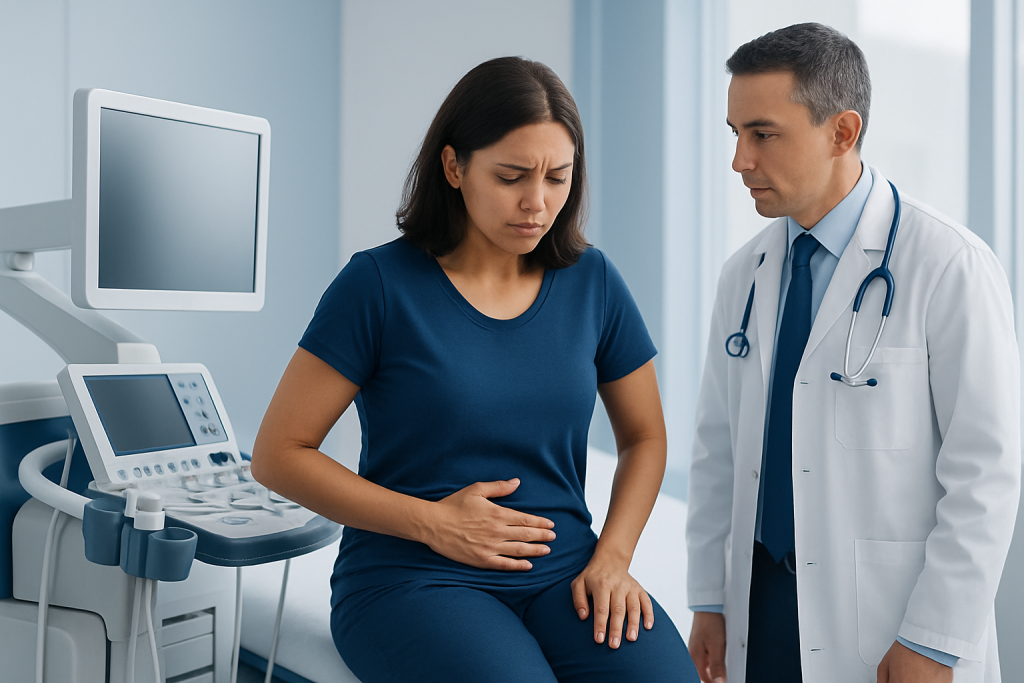
Right side abdominal pain may feel sharp, cramping, dull, burning, or pressure-like. Some people notice a constant ache, while others have pain that comes in waves. The pattern matters because colicky pain often suggests a blocked or irritated hollow organ, while steady worsening pain may point to inflammation.
Symptoms that travel with the pain can be very informative. Nausea after eating, poor appetite, yellowing of the skin or eyes, bloating, diarrhea, constipation, urinary burning, frequency, or pain that moves into the back or shoulder can all narrow the list of possible causes. In women, cycle-related pain or abnormal bleeding may suggest a gynecologic source.
- Upper right pain may worsen after fatty foods if the gallbladder is involved.
- Lower right pain may become sharper with walking, coughing, or pressing on the area.
- Flank pain with fever or urinary symptoms can suggest a kidney-related problem.
- Pain with vomiting, swelling, or inability to pass stool or gas may signal a bowel issue.
Because symptoms overlap, the overall picture is more helpful than any single detail. Even mild pain deserves attention if it keeps returning or gradually becomes more frequent.
Causes & Risk Factors

Common causes of right side abdominal pain include indigestion, gas, constipation, muscle strain, gallstones, appendicitis, kidney stones, kidney infection, liver inflammation, bowel inflammation, and hernias. In people with ovaries, ovarian cysts, ovulation pain, pelvic inflammatory disease, or twisting of the ovary can also cause right-sided discomfort.
The location often offers clues. Right upper abdominal pain is more often linked to the gallbladder, liver, or upper digestive tract. Right lower abdominal pain raises concern for appendicitis, bowel inflammation, or gynecologic causes. Pain along the side or back may reflect the urinary tract, including stones or infection.
Risk factors vary by condition. A history of gallstones, a very fatty meal, dehydration, prior abdominal surgery, constipation, pregnancy, urinary tract infections, or Ulcerative Colitis, and Flares" class="ahp-ilk">inflammatory bowel disease can increase the likelihood of certain diagnoses. Age, sex, medications, and travel history also matter. For example, recent travel, dehydration, and limited access to care can make kidney stone symptoms or infections harder to manage early.
Not every cause is serious, but some are time-sensitive. Appendicitis, bowel obstruction, gallbladder infection, ectopic pregnancy, and kidney infection can become urgent if symptoms progress. That is why doctors ask about the exact start time, pain migration, and any associated fever or vomiting.
Diagnosis
Diagnosis usually begins with a conversation and examination. A clinician will ask where the pain started, whether it moved, how severe it is, what the stool and urine have been like, and whether there is any chance of pregnancy. Pressing on the abdomen, checking for guarding, and listening to the bowel may help identify inflammation or obstruction.
Testing depends on the suspected cause. Blood tests can look for infection, liver inflammation, dehydration, or pancreatic involvement. A urinalysis may show blood or signs of infection. In many cases, ultrasound is used first for gallbladder or pelvic concerns, while CT scanning may be helpful for appendicitis, kidney stones, or other abdominal conditions.
When a patient is arriving from another country, previous records, imaging reports, and medication lists can be very helpful, even if they are not in the local language. Digital copies, photos of prescriptions, and discharge summaries often save time and help the new team compare symptoms with earlier findings. This is especially useful when a problem has been intermittent and previously treated elsewhere.
Treatment Options
Treatment depends entirely on the cause of the pain. Mild indigestion, constipation, or muscle strain may improve with rest, fluids, dietary adjustments, and over-the-counter measures recommended by a clinician. More significant conditions, such as gallbladder inflammation, appendicitis, kidney infection, bowel inflammation, or ovarian torsion, may require prescription medicines, hospital observation, procedures, or surgery.
For gallstones that cause repeated symptoms, doctors may discuss surgical removal of the gallbladder. Appendicitis is often treated with surgery, although the plan can vary based on the individual case. Kidney stones may pass on their own or require pain control, hydration guidance, and urologic procedures if they are large or blocked. Infections generally need targeted antibiotics after evaluation.
The right treatment is usually chosen after clarifying the source of pain, not before. That is why self-diagnosing from the site of pain alone can be misleading. A person with right-sided discomfort after eating may have a gallbladder issue, but could also have a stomach, bowel, or liver problem. The safest path is to match treatment to the confirmed cause.
For patients traveling for care, treatment planning may also include recovery logistics: how long to stay, whether follow-up imaging is needed, and which warning signs should prompt contact after returning home. Acibadem Health Point’s multidisciplinary specialists and JCI-accredited hospitals diagnose and treat this condition for international patients with coordinated care across specialties.
Prevention & Self-care
Not every cause of right side abdominal pain can be prevented, but several habits can reduce common triggers. Drinking enough fluids may lower the risk of some kidney stones and constipation. Regular meals, balanced fiber intake, and gradual activity can also support bowel regularity and reduce gas-related discomfort.
If pain seems linked to certain foods, keeping a short symptom diary can help identify patterns. Fatty meals, alcohol, or large late-night meals may worsen some digestive conditions. For people with known gallstones, doctors may advise limiting trigger foods until a treatment plan is made. Gentle movement can help some people with bloating or constipation, but intense exercise should be avoided if the pain is unexplained.
- Stay hydrated, especially during travel, heat, or illness.
- Do not ignore constipation that lasts more than a few days.
- Use medicines only as directed, since some can irritate the stomach or mask symptoms.
- Seek advice before taking pain relievers if there is liver, kidney, or stomach disease.
Self-care is appropriate only when symptoms are mild and improving. If the pain keeps returning, becomes localized, or is paired with fever, vomiting, jaundice, faintness, or urinary problems, professional assessment is the safer choice.
When to See a Doctor
Medical evaluation is important if right side abdominal pain is severe, persistent, or steadily worsening. It should also be assessed promptly if it comes with fever, repeated vomiting, shortness of breath, chest pain, swollen abdomen, black or bloody stools, blood in the urine, or yellowing of the eyes or skin.
Lower right abdominal pain with tenderness, loss of appetite, or pain that worsens with movement can be a warning sign for appendicitis. Upper right pain after meals with nausea or jaundice may point to gallbladder or liver disease. Flank pain with burning urination, fever, or chills may suggest a kidney infection, which should not be delayed.
Emergency care is also needed when there is a chance of pregnancy and the pain is one-sided, especially if there is vaginal bleeding or dizziness. Even when the cause turns out to be minor, a clinician can help rule out urgent conditions and guide safe next steps.
For people arranging evaluation from abroad, it is reasonable to seek care before traveling if the pain is severe or accompanied by red-flag symptoms. If it is mild but ongoing, scheduling a medical review after arrival may still be worthwhile so the underlying cause is not missed.
Frequently asked questions
01What does right side abdominal pain usually mean?
It can come from many sources, including the gallbladder, appendix, kidneys, bowel, muscles, or reproductive organs. The exact location and any related symptoms help doctors narrow the cause. Because the possibilities are broad, persistent pain should be evaluated rather than guessed at.
02Is right side abdominal pain always an emergency?
No, many cases are related to gas, constipation, or muscle strain. However, severe pain, fever, vomiting, jaundice, blood in the urine or stool, or worsening tenderness should be checked promptly. A sudden change in pattern is especially important.
03Where is appendicitis pain usually felt?
Appendicitis often starts near the belly button and then moves to the lower right abdomen, though not everyone follows that pattern. The pain may become sharper with walking, coughing, or pressing on the area. Fever, nausea, and loss of appetite are common accompanying signs.
04Can gallbladder problems cause right upper abdominal pain after eating?
Yes, gallbladder pain often appears in the upper right abdomen and may be noticed after heavier or fatty meals. Some people also feel nausea or pain that spreads to the back or right shoulder. Repeated episodes should be discussed with a doctor.
05What tests are commonly used for right side abdominal pain?
Doctors often start with a physical exam and may order blood tests, urine tests, and imaging such as ultrasound or CT. The choice depends on the suspected cause and the person's age, sex, and symptoms. Pregnancy testing may also be important when relevant.
06Can I manage mild right side abdominal pain at home?
If the pain is mild, improving, and clearly linked to something minor like constipation or muscle strain, rest, fluids, and gentle observation may help. Still, symptoms that last, recur, or become more intense should be reviewed by a clinician. It is safer not to use pain medicine to cover up an unexplained problem.
This article is for general information only and is not a substitute for professional medical advice. Please consult a qualified doctor about your individual situation.
Persistent digestive symptoms? Get evaluated in Turkey
JCI-accredited · board-certified surgeons · reply within 24h
Add us as a Preferred Source to see more of our trusted health content across Google Search, AI Overviews and Discover.