Pain Inside Forearm: Causes, Relief and When to Worry

Key Takeaways
- Pain inside the forearm is commonly caused by overuse, tendon irritation, or minor muscle injury.
- Pain that spreads, causes numbness, or follows an injury may point to a nerve, joint, or bone problem.
- Simple measures such as rest, activity modification, ice, and gradual stretching can help many mild cases.
- Medical assessment is important if the pain is severe, recurrent, swelling is present, or hand strength is changing.
- Diagnosis may include a physical exam and, when needed, imaging or nerve tests to find the source.
- Early treatment helps prevent long-lasting stiffness and supports a safer return to work, sport, or daily tasks.
Pain inside the forearm is often linked to muscle strain, tendon irritation, or nerve-related problems, but the exact cause depends on where the pain sits and what triggers it. Most cases improve with rest and simple care, while persistent, severe, or unusual symptoms deserve medical evaluation.
Overview
Pain inside the forearm usually means discomfort along the inner side of the arm between the elbow and wrist. In many people, it comes from repetitive use, such as typing, lifting, gripping tools, racquet sports, or carrying luggage. The exact reason matters, because pain in this area can come from muscles, tendons, nerves, the elbow, the wrist, or even a nearby injury that is felt lower down the arm.
In practical terms, the location offers clues. Pain closer to the elbow often suggests tendon or muscle strain around the inner elbow, while pain nearer the wrist may be linked to overuse, inflammation, or nerve irritation. Some cases are temporary and settle with rest, but ongoing pain should not be ignored just because it seems minor at first.
For people traveling for care, this symptom is also worth evaluating when it affects work, sleep, or the ability to use the hand normally. A focused assessment can usually identify whether the issue is simple overuse or something that needs more structured treatment.
Symptoms
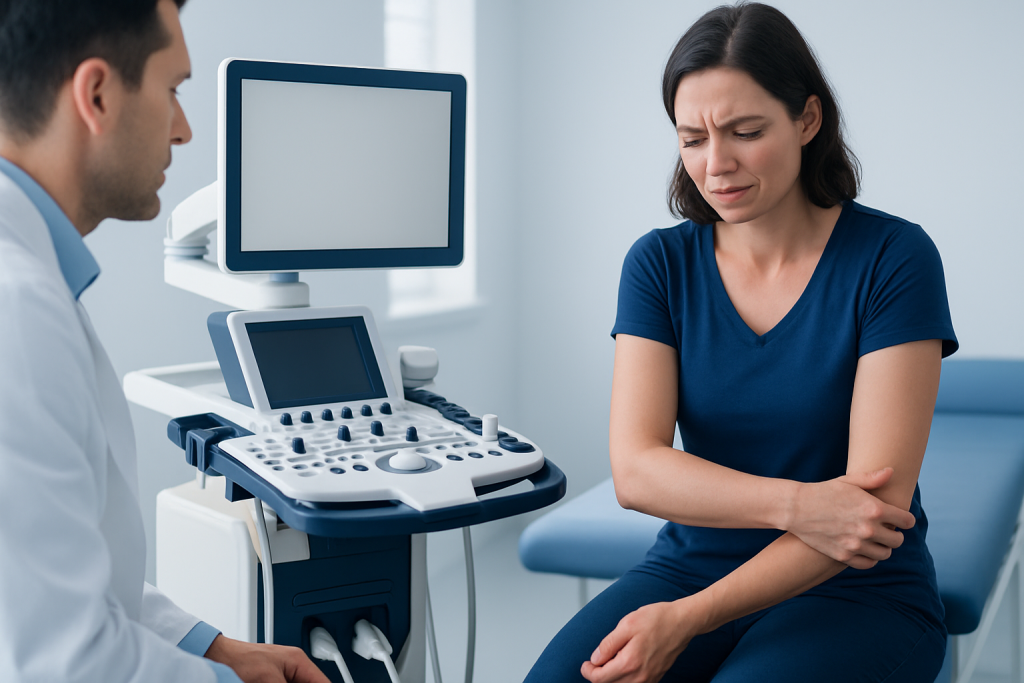
Inner forearm pain may feel dull, aching, sharp, burning, or tight. It can appear only during certain movements, such as twisting a doorknob, lifting a pan, opening a jar, or typing for a long period. Some people notice tenderness when pressing on a specific spot, while others feel discomfort that moves toward the wrist or elbow.
Associated symptoms can help narrow the cause. Swelling, bruising, weakness, tingling, or numbness may suggest a more specific problem than simple muscle soreness. Pain that wakes a person at night, follows a fall, or appears suddenly after a pop or pulling sensation should be taken more seriously.
- Tenderness along the inner forearm
- Pain with gripping or lifting
- Stiffness in the elbow, wrist, or hand
- Burning or tingling into the fingers
- Weak grip or reduced endurance
Symptoms can be mild at first and then become more noticeable as activity continues. That pattern is common with overuse injuries, which is one reason early rest and technique changes often help.
Causes & Risk Factors

The most common cause of pain inside forearm is overuse. Repeated gripping, wrist bending, and forearm rotation can irritate the muscles and tendons that support hand movement. This can happen during sports, manual work, gardening, lifting children, or extended computer use, especially when posture and workstation setup are not ideal.
Other possible causes include tendon inflammation or small tendon tears, muscle strain, nerve compression, elbow conditions that refer pain down the forearm, and less commonly bone or joint problems. Pain can also develop after an awkward movement, a direct blow, or a fall onto the hand or arm. In some situations, pain in the forearm is part of a broader pattern such as arthritis, cervical spine irritation, or carpal tunnel-related symptoms.
Risk is higher when the same motion is repeated many times, when tools are heavy or poorly fitted, when training intensity changes too quickly, or when there is limited rest between activities. Older age, prior arm injury, and poor conditioning can also make tissues more vulnerable. For international patients planning care abroad, it is helpful to bring any prior imaging, therapy notes, or sports injury records, because a detailed history often speeds up diagnosis.
Diagnosis
A clinician usually begins by asking where the pain is located, which movements make it worse, and whether there was an injury, new exercise, or change in work demands. A physical examination can then check tenderness, range of motion, grip strength, swelling, and nerve function in the hand and fingers. These details often point strongly toward the cause before any test is ordered.
When the diagnosis is not clear, or when symptoms suggest a more complex injury, imaging or other tests may be useful. An X-ray can help rule out a fracture or joint problem after trauma. Ultrasound or MRI may be considered if tendon injury, soft tissue damage, or persistent inflammation is suspected. If numbness, weakness, or radiating pain is present, nerve studies may help identify compression or irritation.
Good diagnosis is not only about naming the problem; it is about matching treatment to the person’s daily demands. That is especially important for patients who need to return safely to sports, work, or a long trip home after treatment.
Treatment Options
Treatment depends on the underlying cause, but many mild cases improve with conservative care. Temporary rest from the activity that triggered the pain is often the first step. Ice packs may help if the area feels inflamed or sore after use, while gentle movement can prevent stiffness once the acute discomfort begins to settle.
Some people benefit from physical therapy, where exercises are chosen to restore flexibility, improve forearm strength, and correct movement patterns that contributed to the problem. A therapist may also help with posture, ergonomic adjustments, and gradual return-to-activity planning. If a nerve is involved, treatment may focus on reducing pressure and avoiding positions that worsen symptoms.
Depending on the diagnosis, a doctor may recommend a brace, splint, anti-inflammatory measures, or other non-surgical options. More persistent tendon, nerve, or structural problems sometimes need specialist care. The goal is not just pain relief, but also preventing the same irritation from returning when normal routines resume.
Prevention & Self-care
Simple changes often make a meaningful difference. Reducing repetitive strain, taking breaks during gripping tasks, and keeping the wrist in a neutral position can lower stress on the forearm. In the workplace, small ergonomic adjustments such as keyboard height, mouse position, and chair support may reduce unnecessary strain over time.
At home, it helps to warm up before exercise, build intensity gradually, and stop before pain becomes sharp or persistent. Strengthening the shoulder, forearm, and hand under guidance may improve tolerance for daily activity. People returning from injury should increase activity step by step rather than testing the arm with a sudden heavy load.
- Use brief rest periods during repetitive tasks
- Keep lifting close to the body when possible
- Stretch gently rather than forcing painful motion
- Check sport technique and equipment fit
- Address neck, elbow, or wrist issues early
For international travelers, carrying supportive items such as a brace or therapy instructions can help maintain consistency after returning home. The most useful prevention plan is the one that fits real daily habits and can be continued comfortably.
When to See a Doctor
Medical review is sensible if pain inside the forearm lasts more than a short period, keeps returning, or limits daily tasks. It should also be assessed if there is swelling, redness, bruising, deformity, or pain after a fall or direct impact. Numbness, tingling, or clear weakness in the hand or fingers deserves attention because it may reflect nerve involvement.
Anyone with severe pain, loss of function, fever, or rapidly worsening symptoms should seek prompt care. The same applies if the arm becomes pale, cold, or unusually swollen, or if the pain is accompanied by chest discomfort or shortness of breath, since those symptoms need urgent evaluation for reasons unrelated to the forearm itself.
Persistent symptoms do not necessarily mean a serious condition, but they do mean the body needs a more careful look. A qualified clinician can identify the source and guide safe treatment, which is especially helpful when a person is navigating recovery while living abroad or preparing to travel. At Acibadem Health Point, multidisciplinary specialists and JCI-accredited hospitals diagnose and treat forearm pain for international patients with coordinated care and follow-up.
Frequently asked questions
01What does pain inside the forearm usually mean?
It often means a muscle, tendon, or nerve is irritated, especially after repetitive use or a minor strain. The exact cause depends on the pain’s location, what movements trigger it, and whether there are symptoms such as numbness or weakness.
02Can forearm pain come from the elbow or wrist?
Yes. Problems in the elbow or wrist can send pain into the forearm, so the source is not always where the discomfort is felt most strongly. That is why a physical examination is often helpful.
03Should people keep exercising with forearm pain?
Light movement may be fine in some mild cases, but painful activities should be reduced until the cause is clearer. If exercise makes the pain sharper, more frequent, or accompanied by weakness, it is better to stop and seek advice.
04How long does inner forearm pain take to improve?
Recovery time varies widely because the cause may be simple overuse, tendon irritation, or something more complex. Mild strain often improves with rest and activity changes, while persistent symptoms may need therapy or further evaluation.
05Is numbness with forearm pain a warning sign?
Numbness or tingling can suggest nerve irritation or compression, especially if it spreads into the hand or fingers. It is a good reason to arrange medical assessment rather than waiting it out.
06What can a doctor do for forearm pain?
A doctor can check for tendon, muscle, nerve, joint, or bone causes and recommend the most appropriate treatment. This may include rest guidance, therapy, bracing, imaging, or referral to a specialist if needed.
This article is for general information only and is not a substitute for professional medical advice. Please consult a qualified doctor about your individual situation.
Joint and spine care in Turkey — expert assessment & treatment
JCI-accredited · board-certified surgeons · reply within 24h
Add us as a Preferred Source to see more of our trusted health content across Google Search, AI Overviews and Discover.