Pain in Lower Right Abdomen Near Hip Bone Female: Causes, Relief and When to Worry
Key Takeaways
- The pain may originate from the appendix, ovary, bowel, urinary tract, or nearby muscles and ligaments.
- The pattern of pain matters: sudden, worsening, or one-sided pain deserves more attention than mild discomfort that improves.
- Pregnancy-related causes, including ectopic pregnancy, must be considered in anyone who could be pregnant.
- Doctors usually combine a physical exam, pregnancy testing, urine tests, blood tests, and imaging to find the cause.
- Home relief may help mild cases, but persistent or severe pain should not be managed without medical advice.
Pain in the lower right abdomen near the hip bone in females can come from the digestive system, urinary tract, muscles, or the reproductive organs. Some causes are mild and self-limited, while others need prompt medical assessment, especially if the pain is sudden, severe, or paired with fever, vomiting, or unusual vaginal bleeding.
Overview
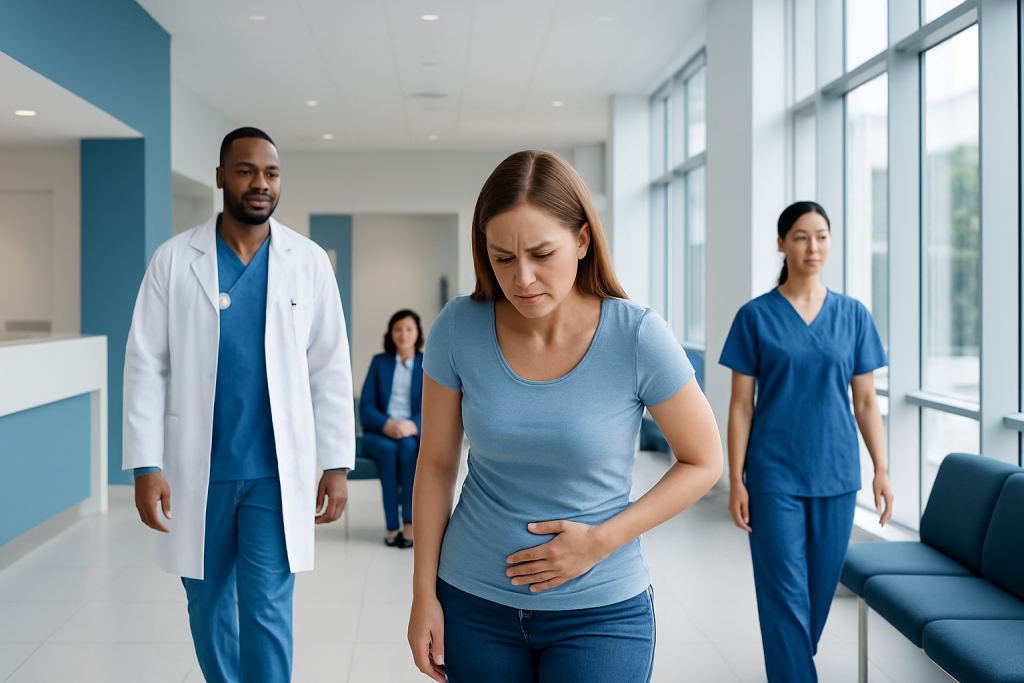
Pain in the lower right abdomen near the hip bone female patients notice is often described as a sharp, dull, cramping, or pulling sensation low in the pelvis or just above the groin. It can be hard to localize because several organs and muscle groups share this region, so the same symptom may point to very different causes. In some people, the discomfort is temporary and linked to the menstrual cycle, digestion, or a strained muscle; in others, it can signal an urgent condition that needs same-day care.
That is why the first step is not trying to label the pain by location alone, but by the full pattern: when it started, how fast it changed, whether it moves, and what else came with it. Pain that is new, worsening, or paired with fever, nausea, vomiting, faintness, pregnancy possibility, or abnormal vaginal bleeding deserves medical evaluation. A careful assessment helps separate common but manageable problems from conditions that should not wait.
For women traveling for care, a clear symptom history is especially useful because it speeds up decision-making. Noting the timing of the last period, any chance of pregnancy, digestive changes, urinary symptoms, and whether the pain began after exercise, lifting, or intercourse can help clinicians narrow the possibilities quickly.
Symptoms
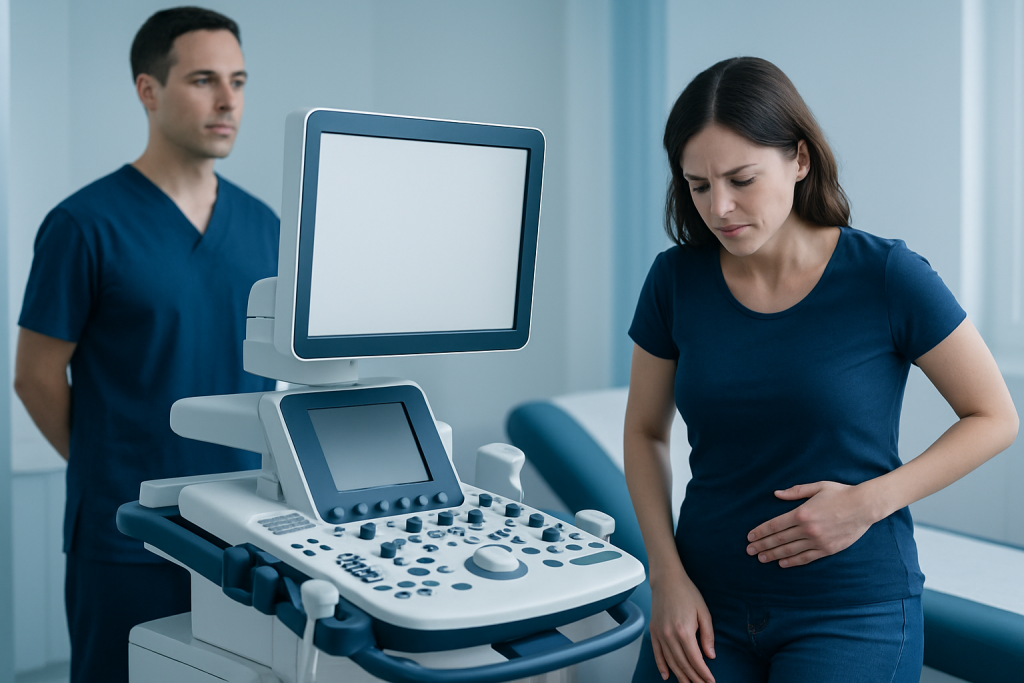
The pain itself may feel different depending on the cause. Some women describe a crampy ache that comes and goes, while others notice a constant pressure, a pulling sensation when moving, or a sharper pain when coughing, walking, or pressing on the area. The discomfort may stay in one spot near the right hip bone or spread to the lower back, groin, thigh, or deeper into the pelvis.
Associated symptoms often provide the biggest clue. Digestive causes may bring bloating, constipation, diarrhea, or nausea. Urinary causes may cause burning with urination, increased frequency, or cloudy urine. Gynecologic causes can be linked with missed periods, vaginal spotting, painful periods, pain during sex, or a feeling of pelvic fullness.
Seek urgent attention sooner if any of the following appear with the pain:
- fever, chills, or worsening nausea
- vomiting that prevents fluids from staying down
- fainting, dizziness, or a clammy feeling
- unusual vaginal bleeding or discharge
- pain with a possible pregnancy
- abdominal swelling, inability to pass stool or gas, or severe tenderness
Causes & Risk Factors
Several common conditions can cause pain in the lower right abdomen near the hip bone in females. Appendicitis is one of the best-known, and it often begins as vague discomfort that becomes sharper and more localized over time. Ovarian cysts can cause one-sided pain, especially if a cyst stretches, leaks, or twists. Ovulation itself may also produce brief mid-cycle pain in some women, though this is usually short-lived and less intense.
Other gynecologic possibilities include endometriosis, pelvic inflammatory disease, and ectopic pregnancy. Endometriosis may cause recurring pain that tracks with menstrual cycles. Pelvic inflammatory disease is more likely when there is pelvic pain plus fever, vaginal discharge, or pain during sex. Ectopic pregnancy is a medical emergency when a fertilized egg implants outside the uterus, and it must be ruled out whenever pregnancy is possible.
Non-gynecologic causes are also common. Constipation, irritable bowel syndrome, gas, urinary tract infection, kidney stones, muscle strain, and hernia can all create pain near the right hip bone. Risk may be higher when there is a history of prior pelvic surgery, irregular cycles, recent heavy lifting, urinary infections, known ovarian cysts, endometriosis, or a missed period with pregnancy possibility.
Diagnosis
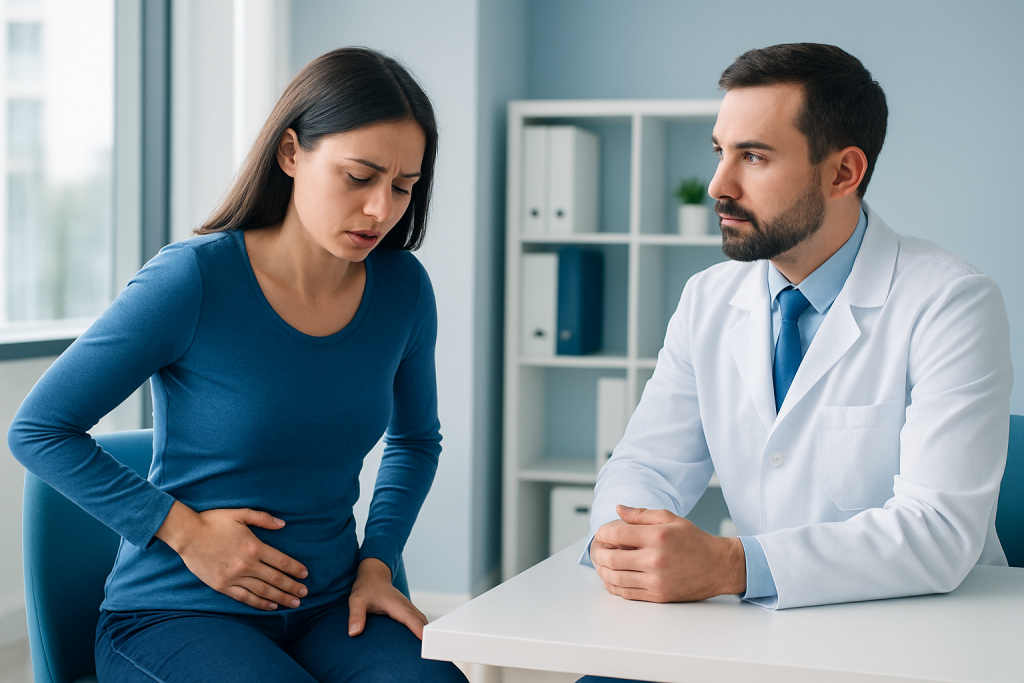
Diagnosis usually begins with a detailed conversation about the pain. Clinicians often ask when it started, whether it moves or worsens with activity, where the last menstrual period began, whether pregnancy is possible, and whether there have been bowel, urinary, or vaginal symptoms. A physical exam then helps identify whether the tenderness seems abdominal, pelvic, muscular, or related to the urinary tract.
Because many conditions overlap, tests are often needed. A pregnancy test is standard for anyone who could be pregnant. Urine testing can point to infection or stones, while blood tests may help look for inflammation, infection, or anemia. Depending on the findings, imaging such as pelvic ultrasound or abdominal CT may be recommended to look at the appendix, ovaries, uterus, or kidneys.
When symptoms are unclear, doctors may monitor the pain closely rather than assume a harmless cause. That approach is especially important if the pain is getting worse, the abdominal exam changes over time, or the person is traveling and may not be able to return promptly if symptoms escalate.
Treatment Options
Treatment depends entirely on the cause, which is why self-diagnosis can be misleading. Mild constipation, gas, or muscle strain may improve with rest, hydration, gentle movement, and avoidance of heavy lifting. Menstrual or ovulation-related pain may respond to heat, rest, and over-the-counter pain relief if a clinician says it is appropriate for the person’s situation.
More specific treatment is needed for many other causes. Antibiotics may be used for some infections. Ovarian cysts sometimes need observation, but a twisted ovary, ruptured cyst with significant bleeding, or suspected ectopic pregnancy may require urgent procedures. Appendicitis often needs surgical treatment, and a hernia or bowel obstruction may also require specialist care. The key point is that treatment follows the diagnosis rather than the pain location alone.
For patients arranging care from another country, the treatment plan should include the practical details as well as the medical ones: whether imaging or surgery is likely, how long observation may take, and what follow-up is needed after returning home. This helps avoid rushed decisions and supports safer recovery planning.
Prevention & Self-care
Not every cause of lower right abdominal pain can be prevented, but some steps can lower the chance of common triggers or help reduce discomfort. Staying hydrated, keeping bowel habits regular, and increasing dietary fiber gradually may help with constipation-related pain. Using proper lifting technique and pacing exercise can reduce muscle strain near the abdominal wall and hip.
Menstrual tracking can also be useful. If pain tends to happen at a similar time each month, noting the cycle pattern helps a doctor distinguish ovulation pain, period-related cramps, endometriosis, and other causes. Safe self-care measures such as rest, a warm compress, and gentle stretching may help when the pain is mild and clearly linked to a non-urgent cause.
It is safer to avoid masking a new or severe pain with repeated pain medicine and waiting too long. If the pain is changing, one-sided and intense, or unlike a person’s usual menstrual or digestive discomfort, medical assessment is the better form of self-care. A symptom diary, photos of any visible swelling, and a record of medications taken can make the appointment more productive.
When to See a Doctor
Medical advice is appropriate if the pain lasts more than a short period, keeps returning, or interferes with walking, eating, sleeping, or daily tasks. It should also be checked if there is pain during urination, unusual vaginal discharge, pelvic bleeding outside the usual period, or increasing tenderness in the right lower abdomen. Even when the cause turns out to be minor, an evaluation can provide reassurance and a clear plan.
Same-day or urgent care is especially important if the pain is severe, sudden, or accompanied by fever, vomiting, fainting, a missed period with pregnancy possibility, shoulder pain, or abdominal swelling. These combinations can point to appendicitis, ectopic pregnancy, a twisted ovary, or another condition that should not be delayed. In those situations, it is better to seek help promptly rather than wait for the pain to declare itself.
If a patient is abroad or considering travel for assessment, it helps to choose a center that can coordinate imaging, gynecology, surgery, and emergency care in one pathway. Acibadem Health Point’s multidisciplinary specialists and JCI-accredited hospitals diagnose and treat this condition for international patients with coordinated follow-up planning.
Frequently asked questions
01Is pain in the lower right abdomen near the hip bone always appendicitis?
No. Appendicitis is an important possibility, but ovarian cysts, ovulation pain, urinary infections, constipation, muscle strain, and other conditions can cause similar pain. The overall pattern and accompanying symptoms are what help determine the cause.
02Can ovarian pain feel like hip bone pain?
Yes. Pain from the ovaries or nearby pelvic structures can be felt low in the abdomen, near the groin, or close to the hip bone. It may be one-sided and may worsen with movement, sex, or during parts of the menstrual cycle.
03When is this kind of pain an emergency?
It needs urgent assessment if it is sudden, severe, or comes with fever, vomiting, fainting, shoulder pain, heavy bleeding, or possible pregnancy. Those signs can point to conditions that require prompt treatment.
04What can be done at home for mild pain?
Rest, fluids, a warm compress, and gentle movement may help if the pain is clearly mild and not getting worse. Over-the-counter pain relief may be reasonable for some people, but it is best to follow a clinician’s advice, especially if pregnancy is possible or symptoms are unusual.
05Should a pregnancy test be done if the pain is one-sided?
Yes, if pregnancy is possible, testing is an important early step. A positive test with one-sided pain should be evaluated promptly because ectopic pregnancy must be ruled out.
06Can digestive problems cause pain near the right hip bone in women?
Yes. Constipation, gas, bowel spasm, and sometimes appendiceal or intestinal conditions can all cause pain in that area. Digestive symptoms such as bloating, constipation, diarrhea, or nausea often provide helpful clues.
This article is for general information only and is not a substitute for professional medical advice. Please consult a qualified doctor about your individual situation.
Persistent digestive symptoms? Get evaluated in Turkey
JCI-accredited · board-certified surgeons · reply within 24h
Add us as a Preferred Source to see more of our trusted health content across Google Search, AI Overviews and Discover.