Fibrocystic Breast Disease: Causes, Symptoms, Diagnosis and Treatment

Key Takeaways
- Fibrocystic breast disease is a benign breast condition, not cancer, but new or changing breast lumps still need evaluation.
- Symptoms often fluctuate with hormones and may include tenderness, fullness, lumpiness, or cyst-like areas.
- Diagnosis usually starts with a clinical breast exam and may include imaging, especially if a lump feels new or different.
- Treatment is often focused on comfort, symptom tracking, and reassurance rather than surgery.
- Lifestyle adjustments and regular follow-up can help many people manage symptoms safely.
Fibrocystic breast disease is a common, noncancerous breast condition that can cause lumpiness, tenderness, and swelling that often changes with the menstrual cycle. Understanding its typical pattern, how it is diagnosed, and when to seek medical advice can help patients feel more confident and prepared.
Overview
Fibrocystic breast disease is a common, noncancerous pattern of breast tissue changes that can make the breasts feel lumpy, tender, or swollen. Many people notice that symptoms are more noticeable before a menstrual period and ease afterward, which is one reason the condition is often linked to normal hormone fluctuations.
The term can sound more serious than the condition usually is. In many cases, fibrocystic changes are simply a way the breast tissue responds to hormonal shifts over time. Even so, any new lump, persistent pain, or change in shape should be reviewed by a clinician so that a benign pattern is not confused with something that needs more urgent attention.
For Myomectomy Recovery for International Patients: The Usual Travel Timeline" class="ahp-ilk">international patients deciding whether to travel for breast assessment, the main goal is clarity: determining whether symptoms fit a typical fibrocystic pattern or whether imaging and follow-up are needed. A well-structured evaluation can reduce uncertainty and help patients return home with a clear plan.
Symptoms
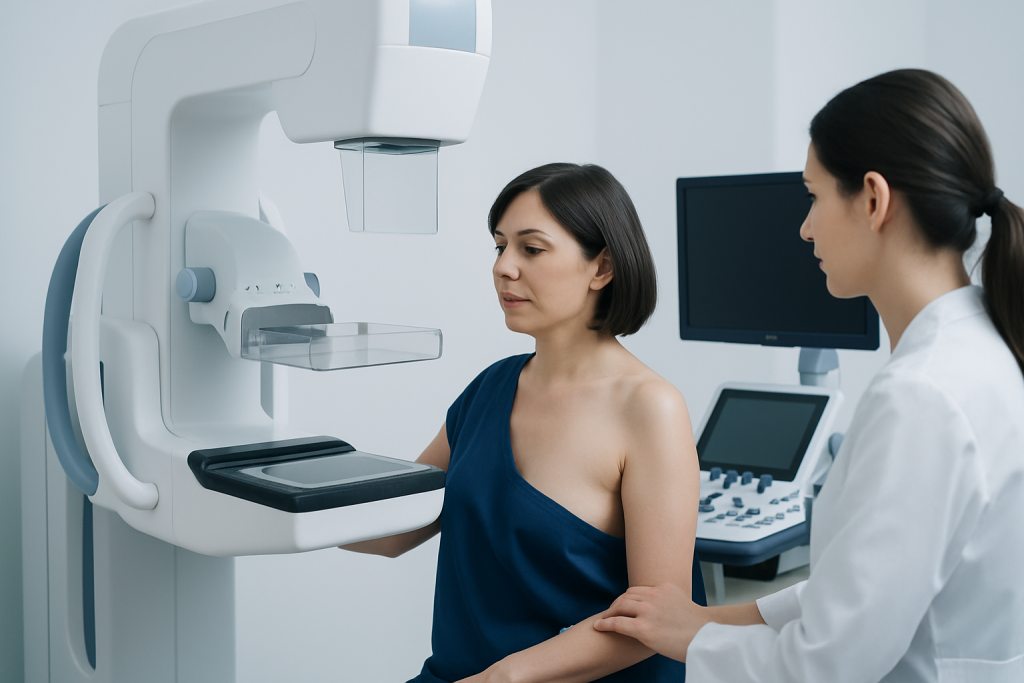
The most common symptom is a breast that feels uneven or nodular, sometimes described as “rope-like” or “gritty.” Some people have one noticeably tender area; others feel diffuse fullness or mild swelling in both breasts.
Symptoms may include:
- Breast tenderness or aching
- Lumpiness that feels more pronounced at certain times of the month
- Swelling or heaviness
- Small, smooth, movable lumps that may come and go
- Nipple sensitivity or discomfort
These symptoms often vary from one menstrual cycle to the next. In some people, they are mild and only noticeable on self-exam. In others, discomfort can interfere with sleep, exercise, or daily activities, especially if the breasts are more sensitive around menstruation.
Causes & Risk Factors
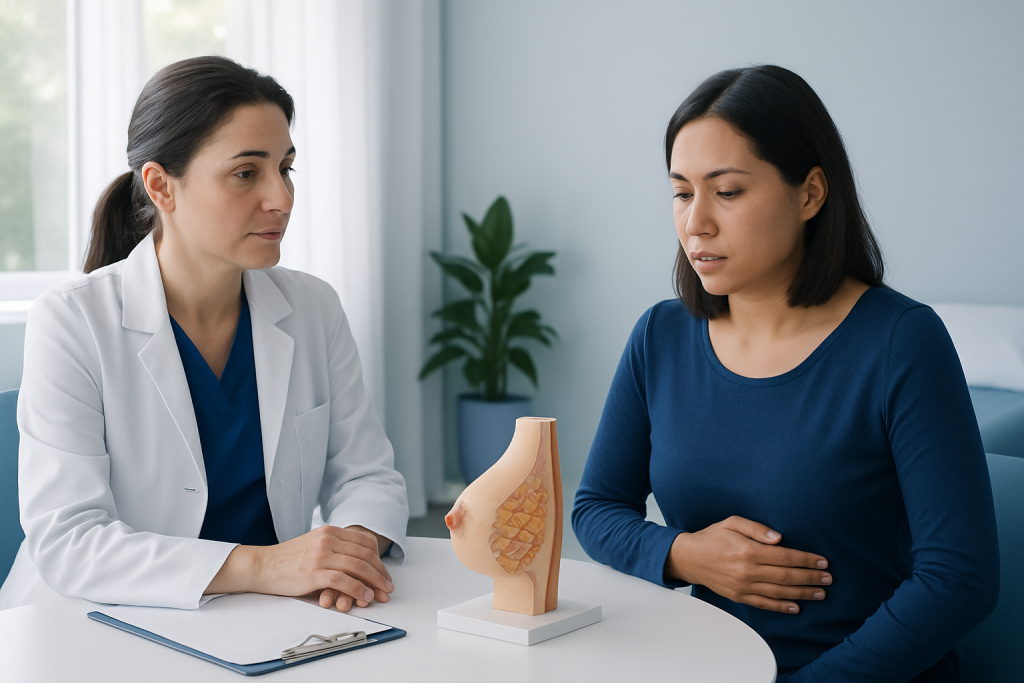
The exact cause of fibrocystic breast changes is not fully understood, but hormones appear to play a central role. Breast tissue responds to estrogen and progesterone, and some people seem more sensitive to these natural changes than others.
Fibrocystic changes are more often seen during the reproductive years and may become less noticeable after menopause unless hormone therapy is involved. Some people notice symptoms fluctuate with caffeine intake, stress, or overall fluid retention, though these factors do not cause the condition in every case and do not affect everyone in the same way.
Risk factors or associations may include:
- Being of reproductive age
- Symptoms that track with the menstrual cycle
- A personal history of benign breast changes
- Hormone therapy use in some postmenopausal patients
It is important to remember that fibrocystic changes are common and usually benign. They do not automatically mean a person has an increased cancer risk, although any separate suspicious finding still deserves proper assessment.
Diagnosis
Diagnosis usually begins with a conversation about symptoms: when they started, whether they change with the menstrual cycle, and whether the sensation is in one spot or spread throughout the breast. A clinician will also ask about family history, prior breast problems, hormone use, and whether there is nipple discharge or skin change.
A breast examination can help determine whether the tissue feels like a typical fibrocystic pattern or whether a lump needs further testing. Depending on age, symptoms, and examination findings, imaging such as ultrasound or mammography may be recommended. Ultrasound is especially useful for distinguishing a fluid-filled cyst from a solid mass.
If a cyst is particularly noticeable or painful, a doctor may use a needle to drain it. If a lump persists, feels unusual, or does not match a benign pattern, more evaluation may be needed. The purpose of diagnosis is not only to confirm fibrocystic disease, but also to make sure no other condition is being missed.
Treatment Options
Many people do not need active medical treatment once fibrocystic breast disease has been recognized. Reassurance, monitoring, and symptom relief are often enough, especially when symptoms are mild and clearly cycle-related.
When discomfort is more troublesome, clinicians may suggest supportive bras, warm or cool compresses, and over-the-counter pain relief if appropriate for the patient’s health profile. Some people benefit from reducing breast strain during exercise and choosing well-fitted support garments, particularly during the days when tenderness is strongest.
For selected patients, treatment may include:
- Drainage of a painful or large cyst
- Follow-up imaging if a lump does not resolve
- Review of hormone therapy or other medications if symptoms are significant
- Occasional specialist assessment for persistent or complex breast findings
Surgery is rarely needed for typical fibrocystic changes. If surgery is discussed, it is usually because a finding is not fully explained by fibrocystic disease or because the diagnosis needs to be clarified.
Prevention & Self-care
There is no guaranteed way to prevent fibrocystic breast changes, but some people find that tracking symptoms helps them identify patterns and plan ahead. A simple monthly record of tenderness, swelling, and lumpiness can make follow-up visits more useful and can help the clinician see whether the pattern is stable.
Helpful self-care measures may include wearing a supportive bra, noting whether symptoms worsen before the period, and choosing comfort-based strategies during flare-ups. If a person is already under care in another country, it can help to save imaging reports, examination notes, and symptom logs so they can be shared easily with the next doctor.
Because each body responds differently, lifestyle changes should be approached gently and realistically. A patient does not need to “solve” the condition at home; the aim is to reduce discomfort and notice changes early enough for appropriate medical review.
When to See a Doctor
Medical review is wise whenever a breast lump is new, becoming larger, or feels different from a person’s usual pattern. The same is true for persistent one-sided pain, skin dimpling, nipple inversion, bloody discharge, redness, warmth, or swelling that does not settle.
It is also important to seek assessment if symptoms continue after the menstrual period, if a lump remains after one cycle, or if the person is unsure whether the change is consistent with fibrocystic disease. Even when the cause turns out to be benign, an evaluation can provide peace of mind and a baseline for future comparison.
For patients traveling for breast care, planning ahead matters. Bringing prior imaging, hormone medication lists, and a summary of symptoms can make the consultation more efficient. Acibadem Health Point’s multidisciplinary specialists and JCI-accredited hospitals diagnose and treat fibrocystic breast disease for international patients in a coordinated setting.
Living With Fibrocystic Breast Changes
Living with fibrocystic breast disease often means learning the body’s own rhythm. Once the pattern is recognized, many people feel less anxious because they know which changes are typical for them and which changes deserve a check-up.
Follow-up is usually straightforward, but it remains important. Breast tissue can change over time, and a symptom that once fit a benign pattern may later need a fresh look if it behaves differently. A calm, consistent approach is usually the safest one: monitor, compare, and seek advice when something does not feel right.
With proper assessment and sensible symptom management, most people with fibrocystic breast changes continue their normal routines without major limits. The condition is common, manageable, and often best handled through clear communication with a trusted clinician.
Frequently asked questions
01Is fibrocystic breast disease cancer?
No. Fibrocystic breast disease is a benign condition and does not mean a person has breast cancer. However, a new, persistent, or changing lump should still be examined so that the cause is confirmed correctly.
02Why do fibrocystic breast symptoms get worse before a period?
Hormone changes during the menstrual cycle can make breast tissue more sensitive, fuller, or tender. Many people notice their symptoms peak before menstruation and then improve afterward.
03What does a fibrocystic breast lump feel like?
It often feels rubbery, lumpy, or like multiple small nodules rather than one fixed hard mass. Some cysts are smooth and movable, but any new lump should be checked by a clinician.
04Do fibrocystic breast changes need treatment?
Not always. If the symptoms are mild and the diagnosis is clear, reassurance and comfort measures may be enough; treatment is usually aimed at relieving pain or evaluating a cyst if needed.
05Can diet or caffeine cure fibrocystic breast disease?
There is no proven cure through diet alone. Some people notice symptom differences with caffeine or other habits, but responses vary, so changes should be individualized and discussed with a doctor.
06When should someone get imaging for breast lumpiness?
Imaging is often considered when the lump is new, persistent, one-sided, or unclear on examination, or when the person’s age and symptoms make further evaluation appropriate. A clinician can choose the most suitable test, such as ultrasound or mammography.
This article is for general information only and is not a substitute for professional medical advice. Please consult a qualified doctor about your individual situation.
Explore treatments in Turkey — costs, top hospitals & a free quote
JCI-accredited · board-certified surgeons · reply within 24h
Add us as a Preferred Source to see more of our trusted health content across Google Search, AI Overviews and Discover.