Pain Bottom Right Abdomen Female: Causes, Relief and When to Worry

Key Takeaways
- Pain in the bottom right abdomen in females is not one diagnosis; it can come from the bowel, urinary tract, ovaries, fallopian tubes, appendix, or abdominal wall.
- Sudden, severe, worsening, or pregnancy-related pain needs prompt medical assessment.
- Menstrual timing, fever, nausea, urinary symptoms, and vaginal bleeding can help narrow the cause.
- Simple comfort measures may ease mild pain, but they should not delay care when warning signs are present.
- A doctor may use examination, pregnancy testing, urine tests, blood work, and imaging to find the cause safely.
Pain in the bottom right abdomen in a female can have several causes, ranging from bowel gas or muscle strain to ovarian cysts, urinary infection, appendicitis, or ectopic pregnancy. The right next step depends on the pattern of pain, related symptoms, and whether the person could be pregnant.
Overview
When a female has pain in the bottom right abdomen, the symptom may point to something as minor as trapped gas or a strained muscle, but it can also signal a problem that needs quick medical attention. The right lower abdomen contains part of the bowel, the appendix, the right ureter, and reproductive organs such as the ovary and fallopian tube, so several body systems can create similar discomfort.
The most important first question is not only where the pain is, but how it behaves. A dull ache that comes and goes after eating is different from a sharp pain that starts suddenly, worsens with movement, or appears together with fever, vomiting, abnormal vaginal bleeding, or a missed period.
For an international patient deciding whether to travel for care, it is helpful to think in terms of urgency. Mild, stable symptoms can often be discussed with a local clinician first, while severe or changing symptoms should be assessed promptly before any journey. When there is any chance of pregnancy, the threshold for medical evaluation should be lower because some causes require immediate treatment.
Symptoms
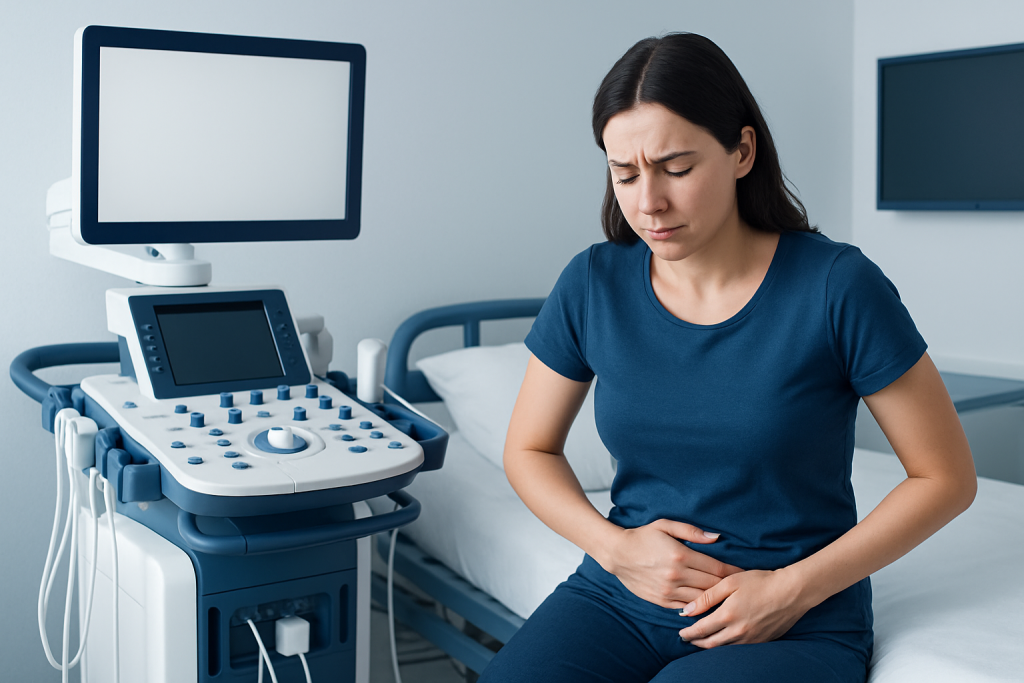
Right lower abdominal pain can feel crampy, stabbing, burning, heavy, or like pressure. It may stay in one spot or spread toward the back, groin, thigh, or pelvis. Some people notice that it becomes worse when coughing, walking, pressing the area, or after eating.
Associated symptoms are often the best clues to the source. Digestive causes may bring bloating, constipation, diarrhea, or nausea. Urinary causes may cause burning with urination, frequency, urgency, or cloudy urine. Gynecologic causes may be linked to a period, ovulation, unusual discharge, pain during sex, or bleeding outside the normal cycle.
- Possible bowel signs: bloating, constipation, diarrhea, loss of appetite, nausea
- Possible urinary signs: burning, frequent urination, urgency, flank pain, fever
- Possible gynecologic signs: missed period, vaginal bleeding, pelvic cramping, pain with intercourse
- Urgent warning signs: severe pain, fainting, fever, persistent vomiting, rigid abdomen, or shoulder pain with possible pregnancy
Because pain perception varies from person to person, even mild discomfort can sometimes hide a more serious issue, especially if it is new, persistent, or different from previous menstrual pain.
Causes & Risk Factors
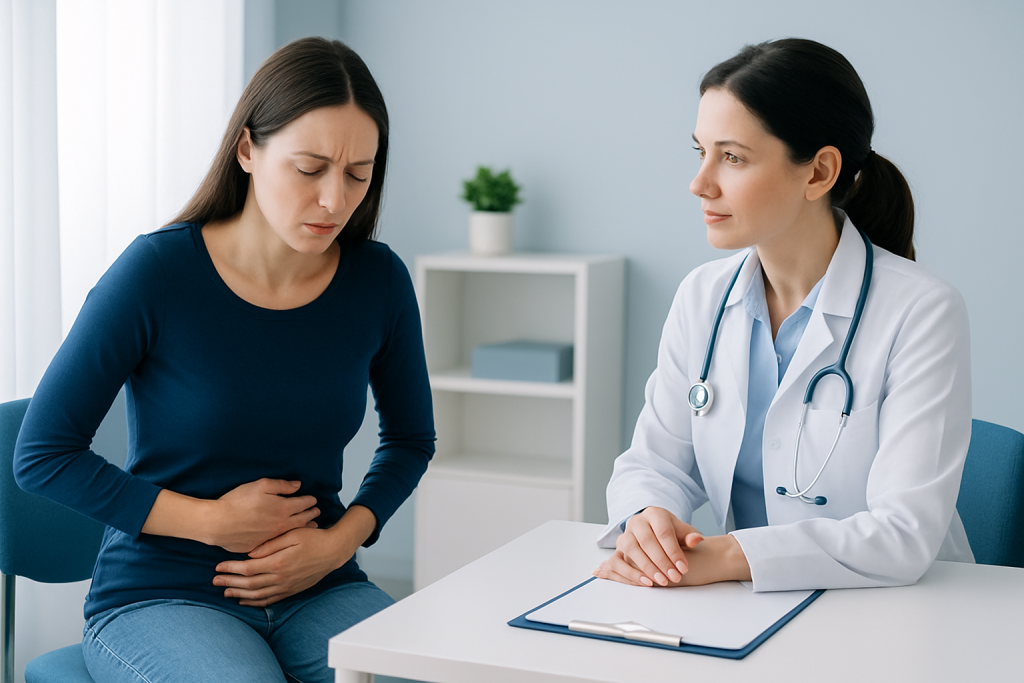
One common cause is digestive irritation, such as constipation, gas, or bowel spasm. These problems can create local pressure and cramping in the lower abdomen, often improving after passing stool or gas. Less commonly, inflammation of the bowel or conditions such as irritable bowel syndrome may lead to recurring pain.
Appendicitis is another well-known cause of right lower abdominal pain. It often begins as vague pain that becomes more focused and sharper over time, and it may come with nausea, fever, and reduced appetite. Not every person follows the classic pattern, so changing pain in this area should be taken seriously.
In females, ovarian and fallopian tube conditions are especially important. An ovarian cyst can stretch or irritate the ovary; ovulation can cause brief one-sided pain; pelvic inflammatory disease can cause pelvic tenderness and abnormal discharge; and ectopic pregnancy can cause pain with vaginal bleeding or a missed period. Urinary tract infection or a kidney stone may also cause pain that seems to sit low on the right side.
Risk factors depend on the cause. Recent missed periods, sexual activity without reliable contraception, a history of cysts, prior pelvic infection, bowel disease, constipation, recent strenuous exercise, and prior abdominal surgery can all influence the likelihood of certain diagnoses. Age matters too: adolescents and people of reproductive age need particular attention to gynecologic causes, while older adults can present with different and sometimes less typical symptoms.
Diagnosis
Doctors usually start by asking when the pain began, whether it is constant or comes in waves, what makes it better or worse, and whether there are bowel, urinary, or menstrual changes. A physical examination helps identify tenderness, guarding, bloating, or pain that suggests an abdominal or pelvic source.
For females of reproductive age, a pregnancy test is often one of the first and most important steps. Urine tests may look for infection or blood, while blood tests can help check for inflammation, infection, anemia, or signs that point toward a specific diagnosis.
Imaging may be needed if the cause is not obvious. Ultrasound is often used to look at the ovaries, uterus, and sometimes the appendix, especially when pelvic causes are suspected. CT scan or other imaging may be recommended when bowel or appendix problems are more likely, or when the pain pattern is unclear.
In practice, the diagnosis is often built step by step rather than from one single test. That approach helps doctors choose the safest treatment and avoids missing time-sensitive conditions such as appendicitis or ectopic pregnancy.
Treatment Options
Treatment depends entirely on the cause. Mild pain from gas or constipation may improve with hydration, gentle movement, fiber as tolerated, and bowel-friendly habits. A clinician may recommend specific medicines if the pain is linked to spasms, reflux, infection, or a menstrual or hormonal issue.
When infection is present, treatment may involve antibiotics or other targeted therapy. Ovarian cysts may simply be watched if they are small and uncomplicated, while larger cysts, twisting of the ovary, or heavy bleeding may require urgent gynecologic care. Appendicitis often needs surgery, and ectopic pregnancy requires immediate specialist treatment.
Self-medication is not always a safe substitute for evaluation. Pain relievers can sometimes blunt symptoms without addressing the cause, which may delay diagnosis in conditions that need timely treatment. For that reason, persistent or significant right lower abdominal pain should not be managed at home for long without medical advice.
If a person is traveling from another country for care, it is usually best to arrange assessment after symptoms have been reviewed locally or after urgent issues have been excluded. Acibadem Health Point’s multidisciplinary specialists and JCI-accredited hospitals diagnose and treat this condition for international patients with coordinated care when appropriate.
Prevention & Self-care
Not every cause of right lower abdominal pain can be prevented, but some discomfort can be reduced with practical habits. Regular hydration, balanced meals, adequate fiber, and physical activity may help lower constipation-related pain. Paying attention to menstrual patterns can also help identify whether the pain seems cyclical and needs gynecologic review.
Self-care is most appropriate only when symptoms are mild and clearly improving. Rest, warm compresses on the abdomen, and gentle movement may ease minor cramps or muscle strain. If the pain is associated with constipation, a doctor or pharmacist may advise a suitable bowel regimen; if it relates to periods, a clinician can discuss safer ways to manage recurring discomfort.
It is also useful to keep a symptom note: when the pain started, exactly where it is, whether it moves, what food or activity preceded it, and whether there is fever, urinary change, or vaginal bleeding. This record can make a consultation more efficient, especially if the patient may need referral or follow-up after returning home from travel.
- Stay hydrated and avoid long periods of constipation.
- Use gentle movement if the pain appears related to gas or muscle strain.
- Track the menstrual cycle and any abnormal bleeding.
- Seek medical advice before using repeated pain relief for new or unexplained pain.
When to See a Doctor
Medical evaluation is recommended if the pain is new and persistent, keeps returning, or interferes with normal activity. It should be assessed promptly if it becomes sharp, severe, or worse with movement, or if it is accompanied by fever, vomiting, fainting, abdominal swelling, or blood in the urine or stool.
Females should seek urgent care if there is any chance of pregnancy and the pain is one-sided, especially if there is vaginal bleeding, shoulder pain, dizziness, or weakness. These can be warning signs of ectopic pregnancy, which requires emergency attention.
A doctor should also be contacted if there is painful urination, unusual vaginal discharge, painful intercourse, a missed period, or a history of ovarian cysts, pelvic infection, or abdominal surgery. Even when the cause turns out to be non-serious, a proper assessment helps rule out conditions that should not be watched at home.
If symptoms are severe or worsening, the safest decision is to seek care locally right away rather than waiting for travel. For less urgent cases, a coordinated review can help determine whether imaging, blood tests, or a gynecology or surgical consultation is needed.
Frequently asked questions
01What does pain bottom right abdomen female most commonly mean?
It can come from the bowel, appendix, urinary tract, or female reproductive organs. Common possibilities include constipation, an ovarian cyst, a urinary infection, or appendicitis. The exact cause depends on how the pain started and what other symptoms are present.
02Can ovulation cause pain on the right side?
Yes, some people feel brief one-sided pain around ovulation, often called mittelschmerz. It is usually mild to moderate and lasts a short time. If the pain is severe, persistent, or unusual for that person, it should be checked.
03How can a person tell if it is appendicitis?
Appendicitis often causes pain that worsens over time and may be joined by loss of appetite, nausea, fever, or pain that becomes more focused in the right lower abdomen. However, symptoms can vary, so diagnosis should not rely on symptoms alone. A medical assessment is important if appendicitis is possible.
04When is right lower abdominal pain an emergency?
It is an emergency if the pain is sudden and severe, occurs with fainting, vomiting that will not stop, a rigid abdomen, or fever, or if pregnancy is possible and there is vaginal bleeding or dizziness. These signs need prompt medical attention.
05Can constipation cause pain in the bottom right abdomen?
Yes, constipation and trapped gas can cause lower abdominal pain, including on the right side. The pain often improves after a bowel movement or passing gas. If it is persistent, severe, or linked to other symptoms, a doctor should evaluate it.
06What tests are usually done for this pain?
Doctors commonly use a physical exam, pregnancy test, urine test, and sometimes blood tests. Ultrasound or CT imaging may be used depending on whether a gynecologic, urinary, or bowel cause is suspected.
This article is for general information only and is not a substitute for professional medical advice. Please consult a qualified doctor about your individual situation.
Persistent digestive symptoms? Get evaluated in Turkey
JCI-accredited · board-certified surgeons · reply within 24h
Add us as a Preferred Source to see more of our trusted health content across Google Search, AI Overviews and Discover.