Pain Beneath Ribs: Causes, Relief and When to Worry

Key Takeaways
- Pain beneath ribs is a symptom, not a diagnosis, and the cause may be digestive, muscular, or related to nearby organs.
- Pain on the right side can point toward the gallbladder or liver, while left-sided pain may involve the stomach, spleen, or bowel.
- Associated symptoms such as fever, vomiting, shortness of breath, jaundice, black stools, or chest pressure deserve prompt medical attention.
- A doctor may use an exam, blood tests, urine tests, ultrasound, or other imaging to find the cause.
- Simple measures can help some mild cases, but self-care should not delay evaluation when warning signs are present.
Pain beneath ribs can come from the digestive organs, muscles, lungs, or ribs themselves, and the location often gives useful clues. Most causes are treatable, but sudden, severe, or persistent pain should be assessed by a doctor.
Overview
“Pain beneath ribs” is a broad description, not a final diagnosis. It can come from the digestive tract, muscles, the rib cage, the lungs, or organs tucked just under the ribs. The exact side, the quality of the pain, and whether it changes with eating, movement, or breathing all help narrow the cause.
For many people, the discomfort is temporary and linked to indigestion, muscle strain, or a minor infection. In other cases, it can be a sign of gallbladder disease, stomach inflammation, kidney stones, or a condition that needs timely treatment. Because the possible causes range from mild to urgent, it is useful to look at the whole picture rather than the pain alone.
This article explains the most common reasons people feel pain beneath the ribs, how clinicians sort through the possibilities, and what patients can do while deciding whether they need medical care. For international patients, understanding the likely cause early can help them plan whether local assessment is enough or whether further testing and follow-up are needed during travel.
Symptoms and patterns that help identify the cause
The feel of the pain often gives the first clue. A burning or gnawing discomfort in the upper abdomen may suggest acid-related irritation, while sharp pain that worsens with deep breaths or twisting may be more likely to involve the muscles, ribs, or lining around the lungs. Cramping pain can point toward bowel spasm or trapped gas.
Location also matters. Pain beneath the right ribs is commonly associated with the gallbladder, liver, or the upper part of the colon. Pain beneath the left ribs may arise from the stomach, spleen, pancreas, or the bowel. Pain centered under the breastbone can be related to the stomach, esophagus, or, less commonly, the heart.
Other symptoms are important clues as well. Nausea, vomiting, bloating, fever, cough, jaundice, heartburn, back pain, shortness of breath, or pain that spreads to the shoulder, chest, or back can all change the level of concern. A doctor uses these details to decide whether the issue is likely digestive, musculoskeletal, or something else entirely.
- Digestive clues: bloating, reflux, nausea, changes in bowel habits, black stools
- Gallbladder or liver clues: right-sided pain, pain after fatty meals, yellowing of the skin or eyes
- Muscle or rib clues: pain with movement, pressing on the area, or coughing
- Urgent clues: chest pressure, shortness of breath, fainting, severe tenderness, or persistent vomiting
Causes and risk factors

One of the most common digestive causes is indigestion or acid reflux, which can create a burning or pressure-like discomfort just under the ribs. Gastritis and peptic ulcers can also cause upper abdominal pain, sometimes with nausea or a feeling of fullness after small meals. Infections and irritation of the stomach lining may become more noticeable after alcohol, certain pain relievers, or heavy meals.
Gallbladder problems are another frequent reason for pain beneath the right ribs. Gallstones can block the flow of bile and cause a sudden, steady pain that may move to the back or right shoulder, especially after eating. Liver inflammation, while less common, can also produce discomfort in this area, often along with fatigue, dark urine, or jaundice.
Not all pain beneath the ribs comes from the digestive system. Muscle strain from exercise, coughing, lifting, or poor posture can hurt in the same region. Rib inflammation, injuries, pneumonia, kidney stones, and shingles may all be felt near the ribs too. Risk factors vary by cause, but they can include recent heavy exertion, frequent use of anti-inflammatory medicines, gallstone history, alcohol use, smoking, prior abdominal surgery, or a recent infection.
In patients who travel for care, it is especially helpful to think about the timing of symptoms: whether the pain began before travel, changed after long flights or road trips, or appeared after a new medication or diet change. Those details can help the specialist decide which tests are most useful.
How doctors diagnose the problem
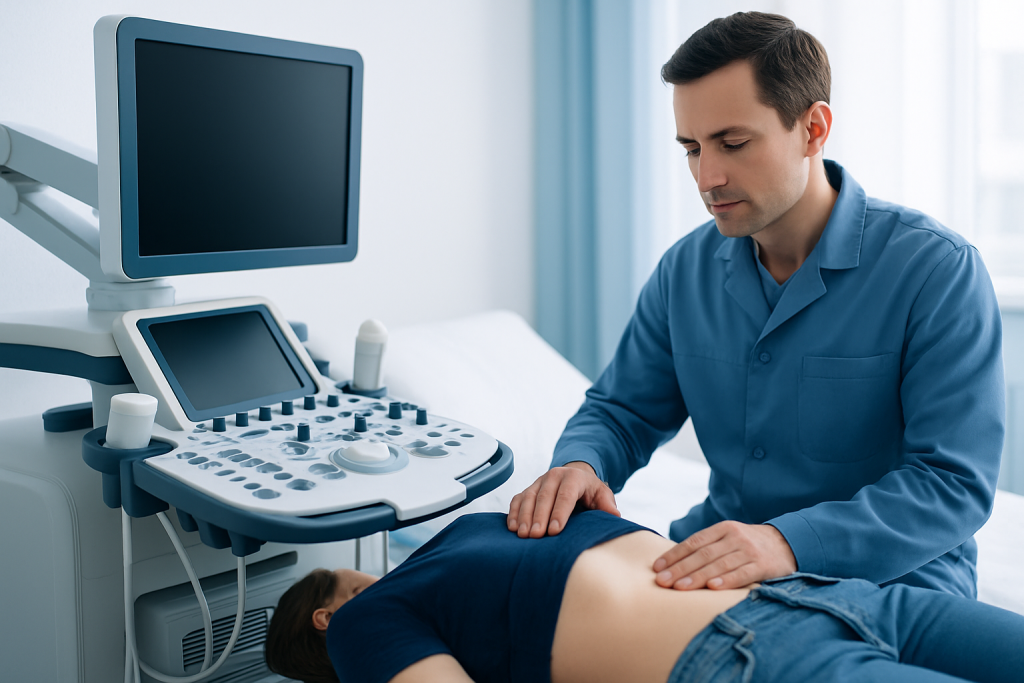
Diagnosis usually starts with a careful history and physical examination. A clinician asks where the pain is located, how long it has been present, what makes it better or worse, and whether there are symptoms such as fever, vomiting, heartburn, shortness of breath, or changes in urine or stool. The exam may include gentle pressure over the abdomen and ribs to see whether the pain is localized or widespread.
Depending on the findings, tests may be ordered to check for inflammation, infection, anemia, liver or pancreatic problems, urinary issues, or signs of bleeding. Common tests include blood work, urine analysis, and sometimes stool tests. If the pain seems to involve the gallbladder, liver, kidneys, or other abdominal organs, ultrasound is often an important first imaging test.
In some cases, a doctor may recommend more advanced imaging, such as CT or MRI, or an endoscopy to inspect the esophagus, stomach, and upper digestive tract. The exact pathway depends on the suspected cause and the urgency of the symptoms. A clear diagnosis is important because treatment for reflux, gallstones, muscle strain, or infection will be very different.
Treatment options
Treatment is directed at the underlying cause rather than the location of the pain. For reflux or mild stomach irritation, a clinician may suggest diet changes, acid-reducing medicine, and avoiding triggers that worsen symptoms. If an ulcer, infection, or significant inflammation is found, more specific medical treatment may be needed.
Gallbladder-related pain may require observation, medicine for symptoms, or surgery if gallstones keep causing attacks or complications develop. Liver, pancreatic, kidney, or lung-related causes are treated according to the specific diagnosis, and some of these conditions may need urgent or specialist care. Muscle strain or rib inflammation often improves with rest, posture correction, gentle movement, and simple pain relief recommended by a doctor.
It is important not to assume all upper abdominal pain is “just indigestion.” Pain that is severe, repeated, or accompanied by red-flag symptoms needs medical assessment before taking strong pain medicines or making travel plans. For patients coming from abroad, a coordinated evaluation can help avoid unnecessary tests and create a practical follow-up plan once they return home.
Prevention and self-care
Self-care can help when the pain is mild and there are no warning signs. Smaller meals, limiting alcohol, avoiding foods that reliably trigger reflux, and staying upright after eating may ease acid-related discomfort. For muscle-related pain, temporary rest, careful stretching, and avoiding heavy lifting can be useful.
People who already know they have reflux, gallstones, or recurrent stomach irritation can reduce flare-ups by following their doctor’s plan consistently. That may include taking prescribed medicine as directed, reviewing over-the-counter pain relievers with a clinician, maintaining hydration, and noting which foods or activities seem to trigger symptoms. A symptom diary can be surprisingly helpful during a workup.
Prevention also means knowing when self-care is no longer enough. If the pain keeps returning, becomes more intense, or starts to interfere with eating, sleep, breathing, or daily activity, it should be assessed rather than managed at home indefinitely. For those traveling for care, planning ahead for medications, records, and follow-up appointments can make the process smoother and safer.
- Eat in a way that does not aggravate symptoms.
- Avoid known triggers such as heavy alcohol use or very fatty meals if these worsen pain.
- Use pain medicines cautiously and only as advised, especially if stomach irritation is possible.
- Keep medical records and prior imaging available for follow-up visits.
When to see a doctor
A doctor should be contacted if pain beneath the ribs lasts more than a few days, returns repeatedly, or is interfering with eating, sleeping, or normal activity. An evaluation is also appropriate if the person has unexplained weight loss, ongoing nausea, bowel changes, fever, or pain that is clearly linked to meals.
Immediate medical attention is important when the pain is sudden and severe, comes with shortness of breath or chest pressure, causes fainting, or is paired with vomiting blood, black stools, yellowing of the skin or eyes, or a swollen abdomen. These symptoms can signal a more serious problem that should not wait.
Patients who are unsure whether their discomfort is digestive, muscular, or related to another organ should not try to guess for too long. A timely assessment helps prevent complications and often brings reassurance as well. Acibadem Health Point’s multidisciplinary specialists and JCI-accredited hospitals diagnose and treat conditions causing pain beneath the ribs for international patients, with coordinated care when further evaluation or follow-up is needed.
Frequently asked questions
01What does pain beneath the ribs usually mean?
It can mean several different things, including indigestion, muscle strain, gallbladder problems, or irritation of the stomach or intestines. The side of the pain and any associated symptoms help narrow the cause. Because the term is broad, a medical assessment is sometimes needed to identify the source.
02Is pain beneath the right ribs more serious than pain beneath the left ribs?
Not necessarily, but the right side more often points to the gallbladder or liver, while the left side may involve the stomach, spleen, or bowel. Either side can also be affected by muscle or rib pain. What matters most is how the pain behaves and whether other warning signs are present.
03Can gas cause pain beneath the ribs?
Yes, trapped gas and bowel spasm can cause pressure or cramping under the ribs. This type of pain often comes and goes and may improve after passing gas or having a bowel movement. If it is persistent, severe, or paired with other symptoms, it should be checked.
04How do I know if it is muscle pain or an internal organ problem?
Muscle pain often worsens with movement, twisting, coughing, or pressing on the area. Internal organ pain is more likely to relate to meals, nausea, fever, or other digestive or systemic symptoms. A clinician may still need to examine the area and order tests to be sure.
05What tests might a doctor order for pain beneath the ribs?
Common tests include blood work, urine tests, and ultrasound. Depending on the symptoms, a doctor may also recommend CT, MRI, or endoscopy. The choice depends on the suspected cause and whether urgent problems need to be ruled out.
06When should someone go to urgent care or the emergency department?
Urgent evaluation is appropriate for severe sudden pain, chest pressure, shortness of breath, fainting, vomiting blood, black stools, jaundice, or a swollen abdomen. These symptoms may indicate a serious condition. If the person is unsure, it is safer to seek prompt medical assessment.
This article is for general information only and is not a substitute for professional medical advice. Please consult a qualified doctor about your individual situation.
Persistent digestive symptoms? Get evaluated in Turkey
JCI-accredited · board-certified surgeons · reply within 24h
Add us as a Preferred Source to see more of our trusted health content across Google Search, AI Overviews and Discover.