
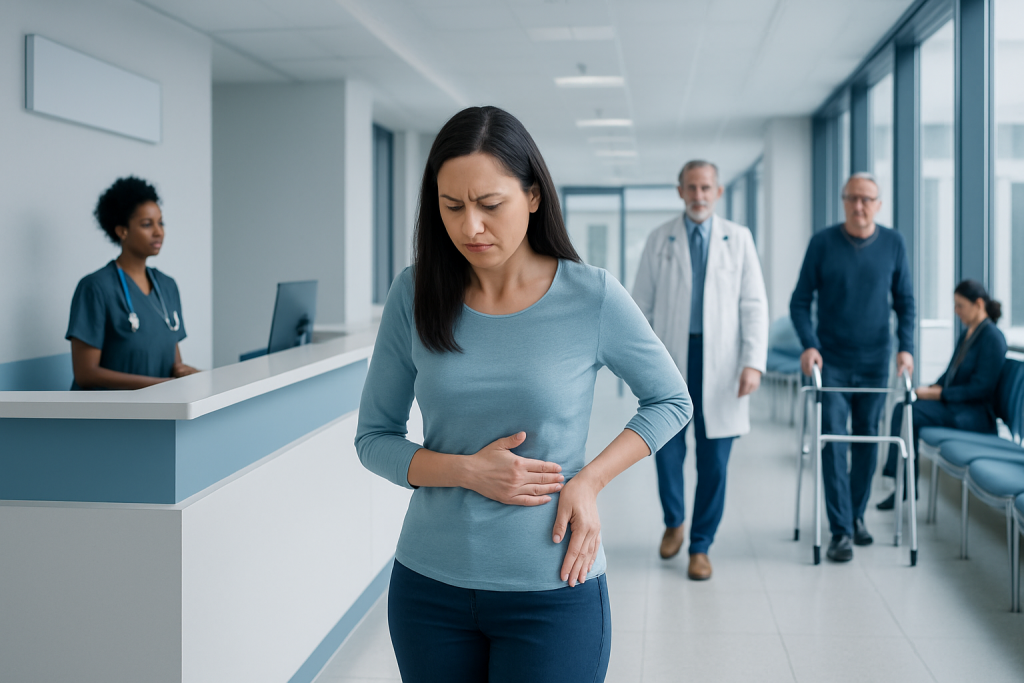
Pain Behind the Left Rib Cage: Causes, Relief and When to Worry
- 10 min read
- Published November 27, 2026
Key Takeaways
- Pain behind the left rib cage is a symptom, not a diagnosis, and the cause may be muscular, digestive, respiratory, or cardiac.
- Sharp pain that changes with movement or touch often points to the chest wall, while pressure, nausea, shortness of breath, or sweating need closer assessment.
- A careful history, exam, and sometimes imaging, blood tests, or an ECG help identify the source of pain.
- Home measures may help mild muscle-related pain, but worsening, persistent, or unexplained symptoms should be evaluated by a clinician.
- Seek urgent care for chest pain with breathing difficulty, fainting, radiation to the arm or jaw, or sudden severe pain.
Pain behind the left rib cage can arise from the chest wall, lungs, heart, stomach, spleen, or nearby nerves. Many causes are not serious, but some symptoms need prompt medical attention because the same location can be involved in important conditions.
Overview
Pain behind the left rib cage is a broad symptom that can come from several nearby structures, including the ribs and muscles, the lungs and lining around them, the heart, the stomach and upper digestive tract, the spleen, or nerves in the chest wall. Because the left side of the chest houses more than one body system, the first step is not guessing the cause, but noticing what the pain feels like and what seems to trigger it.
Some people describe a dull ache under the left ribs, while others feel a sharp stab when breathing deeply, twisting, coughing, or pressing on the area. That pattern can offer useful clues. Pain linked to movement or tenderness is often musculoskeletal, whereas pain with shortness of breath, dizziness, pressure, or nausea deserves faster medical assessment.
For international patients, this symptom can also create uncertainty while traveling or living away from home. A clear evaluation helps separate temporary discomfort from conditions that need treatment, and it can guide the safest next step whether the concern is mild, recurrent, or sudden.
Symptoms
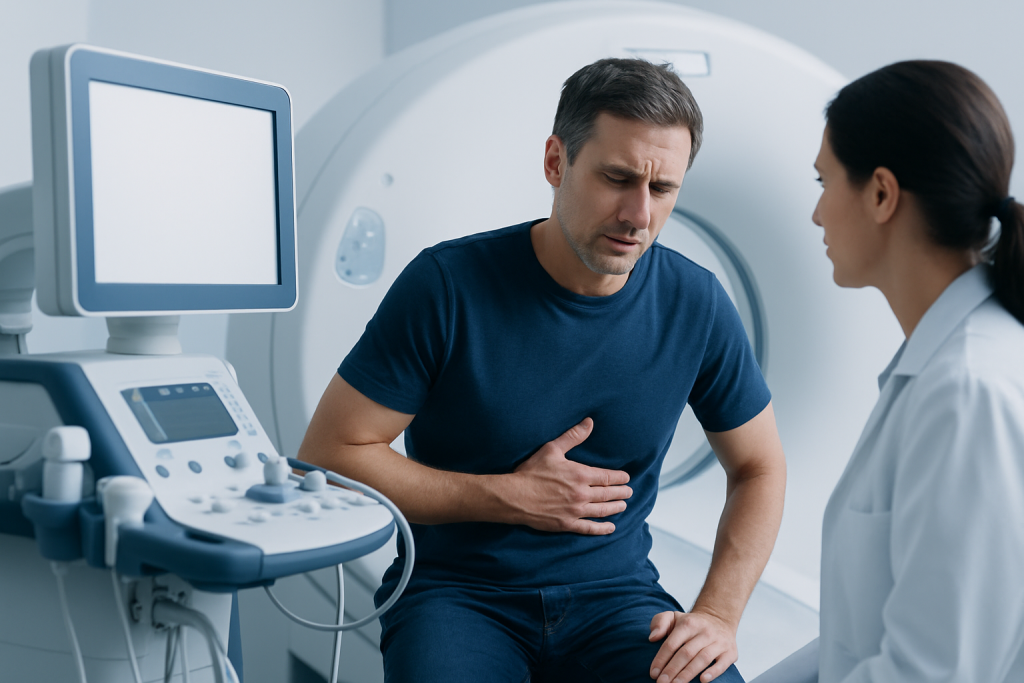
The word “pain” covers many sensations. It may be sharp, burning, aching, cramping, squeezing, or stabbing, and it may stay in one spot or move toward the shoulder, back, arm, or upper abdomen. The timing matters too: pain that appears after a meal, after exercise, during a deep breath, or when lying down can suggest different causes.
Associated symptoms can change the level of concern. People should pay attention to shortness of breath, palpitations, fever, cough, vomiting, heartburn, bloating, constipation, rash, or pain that becomes worse with touching the ribs. These details help doctors narrow the possible source more efficiently.
- Chest wall pain: often worse with movement, coughing, or pressing the area
- Digestive pain: may relate to meals, bloating, reflux, or nausea
- Heart-related pain: may feel like pressure or tightness and may come with sweating or breathlessness
- Lung-related pain: may be sharper with breathing or coughing
Not every symptom fits neatly into one category, and that is why persistent pain should not be self-diagnosed. A careful description of the pain is often more valuable than a single label.
Causes & Risk Factors

One of the most common explanations is a strained muscle or irritated rib joint. Heavy lifting, sudden twisting, intense coughing, sports injury, or sleeping in an awkward position can inflame the chest wall and cause pain that feels close to the ribs. Costochondritis, which affects the cartilage connecting ribs to the breastbone, can also create localized tenderness.
Digestive causes are another frequent source. Acid reflux, gas trapping, gastritis, and sometimes stomach or upper intestinal irritation can create discomfort that is felt under the left ribs. The spleen sits in the upper left abdomen, so enlargement, inflammation, or injury in that area can also cause pain, although these are less common and may be accompanied by other signs.
Lung and heart conditions deserve special attention because pain can be felt in the same region. Pleurisy, pneumonia, a pneumothorax, angina, or a heart attack may present with left-sided chest discomfort, especially when the pain is accompanied by breathlessness, faintness, sweating, or a heavy squeezing sensation. Nerve pain, shingles, and referred pain from the back or shoulder can also be felt behind the left rib cage.
Risk factors depend on the cause. Recent injury, strenuous activity, frequent coughing, acid reflux, smoking, infection, known heart disease, high blood pressure, diabetes, and a personal history of ulcers or gallstone-type digestive problems can all shape the likelihood of a specific diagnosis. Age and overall health also matter, but anyone can experience this symptom.
Diagnosis
Diagnosis begins with a detailed conversation about the pain itself. Clinicians usually ask where it started, what it feels like, how long it lasts, whether it changes with movement or breathing, and what other symptoms are present. A physical examination can reveal tenderness, muscle spasm, abnormal lung sounds, abdominal discomfort, or signs that suggest a heart or digestive problem.
Tests are chosen according to the story the body is telling. An electrocardiogram may be used if heart-related pain is possible. Blood tests can check for infection, inflammation, or heart injury when needed. Chest X-rays, ultrasound, CT scans, or other imaging may help evaluate the lungs, ribs, spleen, or upper abdomen.
When pain is mild and clearly linked to a strained muscle, extensive testing may not be necessary. When the cause is unclear, repeated, or associated with other symptoms, a more complete workup is appropriate. This is especially important for patients who are traveling, because a clear diagnosis helps determine whether they can safely continue routine activities or need urgent care before flying or driving long distances.
Treatment Options
Treatment depends on the underlying cause rather than the location alone. Muscle strain and costochondritis often improve with rest, activity modification, gentle stretching when advised, and measures to reduce inflammation. Digestive causes may respond to dietary adjustments and medication recommended by a clinician, while infections, lung conditions, or cardiac concerns require targeted medical treatment.
For many people, conservative care is the first step when a clinician has ruled out dangerous causes. This may include avoiding movements that aggravate the pain, using heat or cold if recommended, and maintaining normal but gentle activity rather than complete immobility. If reflux is involved, smaller meals and avoiding late-night eating may help; if coughing is the trigger, treating the cough can reduce repeated strain on the ribs.
More serious causes may need prescription treatment, monitoring, or procedures. For example, a collapsed lung, heart-related pain, severe abdominal disease, or complications from injury should be managed urgently. In those situations, treatment is individualized and often depends on imaging and lab findings.
People should avoid assuming that over-the-counter pain relief alone is enough, especially if the pain is new, unexplained, or occurring with chest pressure or breathing symptoms. Symptom relief is useful, but it should not replace evaluation when the cause is uncertain.
Prevention & Self-care
Not every episode can be prevented, but some practical habits reduce strain on the left rib area. Warm up before exercise, use proper lifting technique, manage coughing early, and pay attention to posture during long periods of sitting or travel. These steps can lower the chance of muscle irritation and rib joint discomfort.
Digestive prevention focuses on patterns. Eating slowly, avoiding very large meals, limiting personal reflux triggers, and staying upright after eating may help if symptoms are linked to the stomach or esophagus. Staying hydrated and maintaining regular bowel habits can also reduce gas-related discomfort in some people.
Self-care is most useful when the pain has already been assessed as low risk. Rest, gentle movement, and symptom tracking can help identify patterns such as pain after meals, after exercise, or when breathing deeply. A simple note of what was eaten, what activity occurred, and how the pain changed can be valuable if a doctor later needs to review the history.
Travelers should keep medicines and medical documents accessible and know where to find urgent care in the destination city. If someone has a known heart, lung, or digestive condition, carrying a brief summary of prior diagnoses and medications can make care faster and safer if pain recurs away from home.
When to See a Doctor
Medical evaluation is recommended if pain behind the left rib cage is new and unexplained, keeps returning, lasts more than a short period, or interferes with daily life. A clinician should also be consulted if the pain is associated with fever, cough, vomiting, black stools, unexplained weight loss, or ongoing tenderness after an injury.
Urgent care is important when left-sided chest or rib pain comes with shortness of breath, sweating, fainting, marked weakness, a racing or irregular heartbeat, confusion, or pain that spreads to the arm, back, neck, or jaw. Sudden severe pain after trauma or with difficulty breathing should also be assessed immediately.
Even when symptoms turn out to be benign, it is better to confirm the cause than to assume. This is particularly true for adults with cardiovascular risk factors or anyone whose pain feels different from typical muscle soreness. If a patient is seeking evaluation abroad, a multidisciplinary team can help coordinate imaging, cardiology, gastroenterology, or orthopedic review as needed; Acibadem Health Point’s multidisciplinary specialists and JCI-accredited hospitals diagnose and treat this condition for international patients.
Living With the Symptom and Following Up
When the cause is not dangerous, most people do well with a plan that includes symptom monitoring and follow-up if the pain changes. Keeping track of what makes the pain better or worse can help confirm the diagnosis over time. If the pain persists despite conservative care, the diagnosis may need to be revisited rather than simply extended.
Follow-up is especially helpful after an emergency visit, a travel-related evaluation, or any treatment for a lung, heart, rib, or digestive condition. A second look can ensure symptoms are improving and that medications, activity limits, or further testing are still appropriate.
The most useful goal is not to memorize every possible cause, but to understand the pattern that makes a symptom more likely to be muscle-related, digestive, respiratory, or cardiac. That awareness helps people respond calmly and seek care at the right time.
Frequently asked questions
01Is pain behind the left rib cage always a heart problem?
No. Many cases are caused by muscles, ribs, reflux, gas, or other non-cardiac issues. However, heart-related pain can sometimes appear in this area, so symptoms such as pressure, shortness of breath, sweating, or radiation to the arm or jaw should be checked promptly.
02What does it mean if the pain gets worse when pressing on the area?
Pain that is tender to touch often points to the chest wall, such as a muscle strain or inflamed rib cartilage. That said, tenderness alone does not rule out other causes, especially if there are additional symptoms or a recent injury.
03Can gas or acid reflux cause pain under the left ribs?
Yes, digestive discomfort can sometimes be felt under the left rib cage. Reflux, bloating, and stomach irritation may create aching, burning, or pressure-like pain, often related to meals or lying down after eating.
04When is left rib pain an emergency?
It is an emergency if the pain is sudden and severe, happens with breathing difficulty, fainting, heavy sweating, or major weakness, or spreads to the arm, back, neck, or jaw. Chest pain after trauma also needs urgent evaluation.
05How do doctors figure out the cause of this pain?
They start with the pain pattern, medical history, and a physical exam, then choose tests based on what seems most likely. Depending on the case, that may include an ECG, blood work, chest X-ray, ultrasound, or CT scan.
06What can someone do at home while waiting for an appointment?
If the pain is mild and there are no warning signs, rest, avoid movements that worsen it, and note any triggers such as meals, exercise, or breathing. If the pain is new, unexplained, or getting worse, it should not be managed at home for long without medical advice.
This article is for general information only and is not a substitute for professional medical advice. Please consult a qualified doctor about your individual situation.
Persistent digestive symptoms? Get evaluated in Turkey
JCI-accredited · board-certified surgeons · reply within 24h
Add us as a Preferred Source to see more of our trusted health content across Google Search, AI Overviews and Discover.



How can we help you today?
Meet an Acibadem specialist by secure video, before you travel.
Book a video visit