
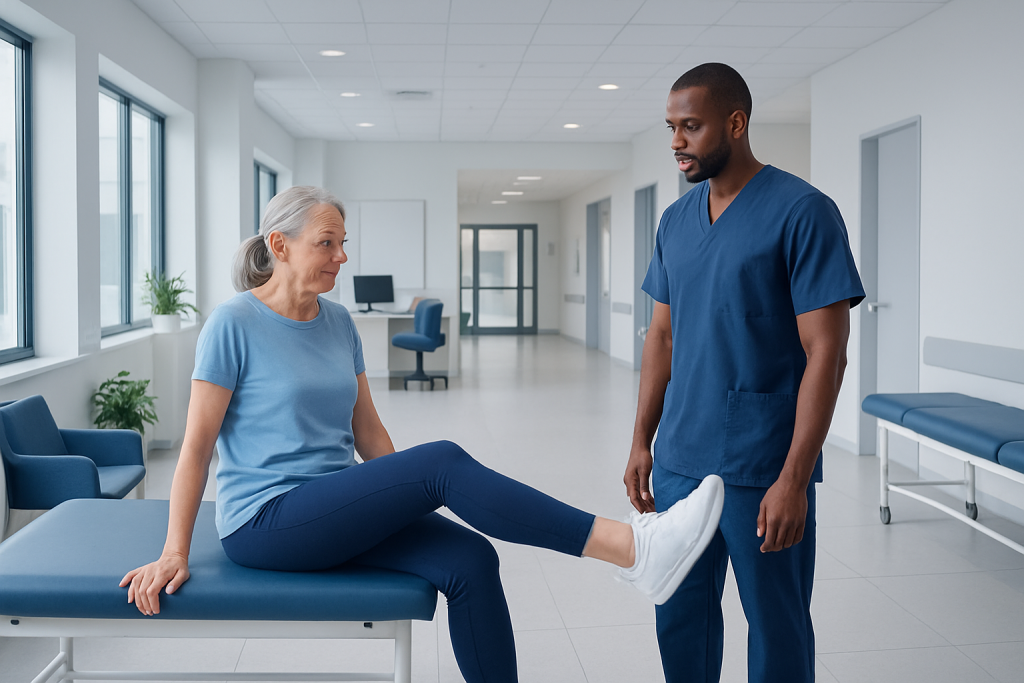
Hip Strengthening Exercises: Safe Techniques That Actually Help
- 10 min read
- Published November 27, 2026
Key Takeaways
- Strong hips help support balance, posture, and efficient movement.
- The safest hip strengthening exercises usually start with controlled, low-impact movements.
- Pain, pinching, or worsening limp should not be pushed through during exercise.
- Exercise plans work best when matched to the reason for hip weakness or pain.
- People recovering from surgery or injury may need supervised rehabilitation first.
Hip strengthening exercises can improve stability, support walking and daily movement, and help reduce strain on the knees, back, and pelvis. When chosen and performed correctly, they are a practical part of recovery for many common hip and lower-limb problems.
Overview
Hip strengthening exercises are a practical way to build support around one of the body’s most important joints. The hips do far more than carry weight; they help control walking, standing from a chair, climbing stairs, and keeping the pelvis steady during movement. When the muscles around the hips become weak or deconditioned, everyday tasks can start to feel harder and other areas, such as the knees or lower back, may begin to compensate.
For many people, the question is not whether hip exercises are useful, but which ones are safe and likely to help. The most effective routines are usually simple, controlled, and tailored to the person’s pain level, mobility, and diagnosis. A good program may be used after long periods of sitting, during recovery from an injury, or as part of a plan for osteoarthritis, tendinopathy, bursitis, or general deconditioning.
Because hip symptoms can have different causes, the same exercise is not right for everyone. A strengthening plan should support function without creating pinching, sharp pain, or extra irritation. In international care settings, patients often arrive having tried several online routines; the most helpful next step is usually a focused assessment that identifies what the hip actually needs.
Symptoms That Suggest the Hips Need More Support
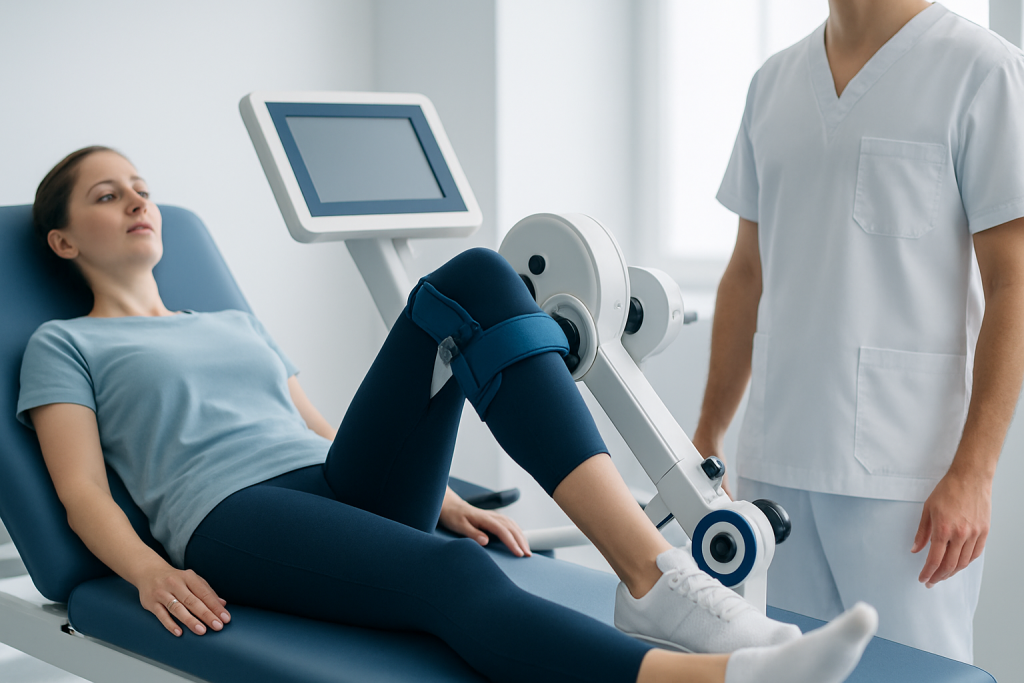
Hip weakness is not always obvious at first. Some people notice tiredness in the outer hip after walking, while others feel unsteady when standing on one leg or getting out of a car. A person may also begin to shift weight away from one side without realizing it.
Common signs that the hip muscles may need strengthening include:
- Difficulty climbing stairs or rising from a low seat
- Wobbling, swaying, or leaning to one side while walking
- Outer hip fatigue after standing or walking for a short time
- Knee discomfort that appears during activity or after longer walks
- Reduced confidence with balance on one leg
- Stiffness after long periods of sitting
These symptoms do not always mean there is a serious problem. They do suggest that the hips may not be controlling movement as efficiently as they should. If symptoms are one-sided, severe, or linked with a recent fall, swelling, or a clear loss of function, medical assessment is important before starting a new exercise plan.
Causes and Risk Factors
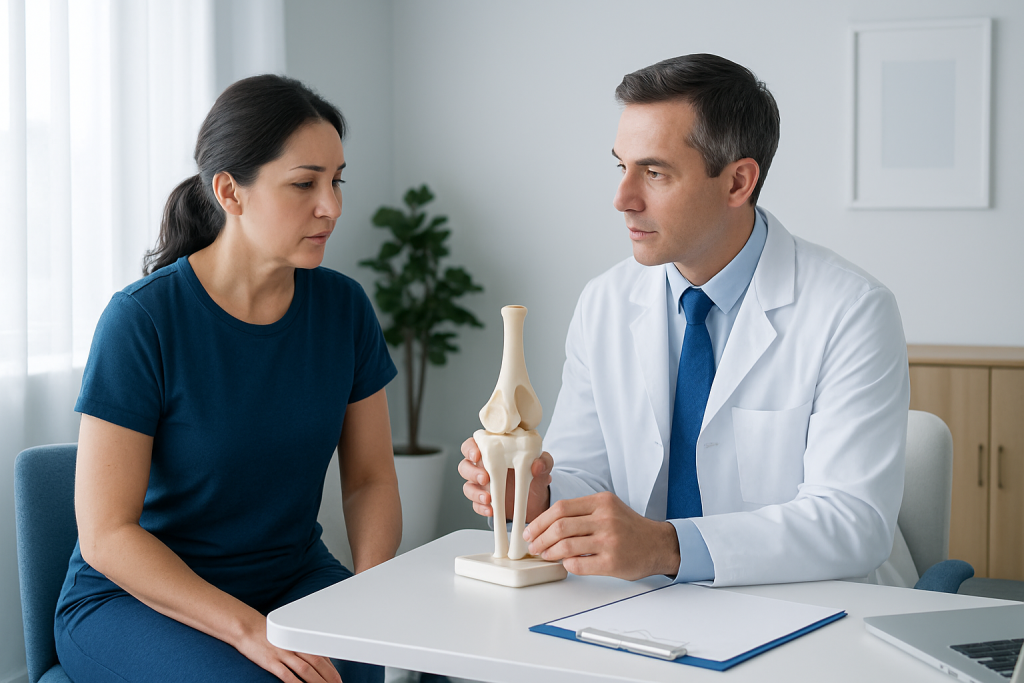
Hip weakness often develops gradually. A sedentary lifestyle, prolonged sitting, limited walking, or reduced activity after illness or injury can all lead to muscle loss and stiffness. Age-related changes also play a role, especially when strength and balance have not been maintained over time.
Other common contributors include hip osteoarthritis, tendon irritation around the outside of the hip, low-back disorders, previous hip injury, and recovery after surgery. In some cases, poor movement habits such as always favoring one leg, standing with the hip dropped to one side, or repeatedly training through pain can make the problem worse instead of better.
Risk tends to increase when weakness is combined with reduced mobility, excess body weight, poor balance, or a job and travel routine that involves long hours of sitting. For international patients, long flights, unfamiliar beds, and changes in daily activity can temporarily worsen hip stiffness, which is why gradual, well-timed movement matters during recovery and travel.
Diagnosis and Assessment
Before starting a strengthening program, a clinician may want to understand where the pain is coming from and which movements are limited. A careful history and physical examination often provide the most useful information. The clinician may ask when the symptoms started, what makes them better or worse, whether there is clicking or catching, and whether pain spreads into the groin, buttock, thigh, or knee.
During examination, the doctor or physiotherapist may check walking pattern, hip range of motion, single-leg balance, muscle strength, and tenderness around the joint. They may also screen the lower back, knees, and pelvis, since these areas often influence how the hip functions.
Imaging is not always required, but it may be recommended when symptoms are persistent, severe, or atypical, or when there is concern about arthritis, fracture, labral injury, inflammation, or another structural issue. The main goal of assessment is not just naming the diagnosis, but deciding which movements are safe, which should be modified, and how much load the hip can tolerate.
Treatment Options and Safe Hip Strengthening Exercises
The best exercise plan depends on the underlying cause, but many people start with low-impact movements that train the muscles around the hip without overloading the joint. The main target muscles include the gluteals, hip flexors, hip abductors, hip extensors, and the muscles that help control the pelvis during walking.
Examples of commonly used hip strengthening exercises include:
- Glute bridge: Lifting the pelvis while lying on the back to activate the glutes and hamstrings
- Clamshell: Opening the top knee while lying on the side to target the outer hip
- Side-lying leg raise: Raising the top leg slowly to strengthen hip abductors
- Sit-to-stand: Standing up from a chair with control to improve functional strength
- Mini squat: A shallow squat that helps build hip and thigh control
- Step-up: Stepping onto a low platform to train strength and stability
These exercises work best when performed with good alignment and slow control rather than speed. The pelvis should stay level, the knee should track in a comfortable direction, and the movement should be small enough to avoid sharp pain. Mild muscle effort is expected; pinching, catching, or increasing joint pain is a sign to stop and reassess.
Other treatment options may be needed alongside exercise. These can include activity modification, guided physiotherapy, pain-relief strategies advised by a clinician, walking aids for short-term support, or treatment of the underlying cause such as arthritis or tendon irritation. After surgery, strengthening is usually introduced in stages and should follow the surgeon or rehabilitation team’s instructions closely.
How to Do Them Safely at Home
Home exercise can be very effective, but safety comes first. A person should begin with a comfortable surface, supportive footwear if standing, and a stable chair or wall nearby for balance. Movements should be slow enough to stay in control, especially during the lowering phase, which often matters more than the lift itself.
A useful rule is to choose a level of effort that feels challenging but manageable. If symptoms settle quickly after exercise and do not worsen later that day or the next morning, the routine is often reasonable. If pain increases significantly, sleep is disturbed, or limping becomes more noticeable, the program may be too aggressive.
Helpful habits include warming up with a short walk, breathing normally during exercise, and avoiding sudden twisting or bouncing. It can also help to work both sides even if one hip hurts more, because symmetry and balance are important for long-term movement quality. People who are unsure about technique may benefit from one or two supervised sessions so they can confirm form before continuing independently.
Prevention and Self-care
Strong hips are built through regular use, not only through formal workouts. Walking, gentle stair use, standing up frequently from sitting, and maintaining general activity all contribute to healthier hip mechanics. For many people, the simplest preventive strategy is breaking up long sitting periods and keeping the body moving in small, regular doses.
Self-care also includes respecting recovery time. Muscles adapt when they are challenged and then allowed to recover, so doing more is not always better. A balanced routine often combines strengthening with light mobility work, daily movement, and attention to footwear, sleep, and overall conditioning.
When travel is part of the picture, especially for people receiving care abroad, planning matters. Short walks during long flights, comfortable clothing, and a paced return to activity can reduce stiffness. In a multidisciplinary setting, Acibadem Health Point’s specialists and JCI-accredited hospitals can diagnose and treat hip conditions for international patients, while helping align rehabilitation with travel and follow-up needs.
When to See a Doctor
Medical advice is recommended if hip pain is persistent, worsening, or associated with a new limp, falls, swelling, fever, numbness, or significant loss of motion. It is also important to seek assessment if pain is deep in the groin, if the hip feels unstable, or if exercise consistently makes symptoms worse rather than gradually better.
A clinician should also review the situation if the person has had hip replacement surgery, a fracture, known arthritis, inflammatory disease, or a recent injury. In these situations, exercise can still be valuable, but the timing and type of movement should be individualized.
For someone planning treatment abroad, it is reasonable to ask for a clear diagnosis, an exercise plan that can be continued at home, and guidance on what improvement should look like over time. A thoughtful assessment helps turn hip strengthening from a generic internet routine into a practical recovery plan that fits the person’s life.
Frequently asked questions
01Which hip strengthening exercises are safest for beginners?
For many beginners, bridges, clamshells, side-lying leg raises, and sit-to-stand exercises are a sensible starting point. They are usually low impact and can be adjusted to match comfort and strength. A clinician or physiotherapist can help choose the right starting level if pain or balance is a concern.
02How often should hip strengthening exercises be done?
Most people do best with a regular routine several times a week rather than intense daily sessions. The exact frequency depends on the condition, overall fitness, and how the hip responds after exercise. Recovery between sessions matters because muscles strengthen during rest as well as during activity.
03Should hip exercises hurt?
Some muscle effort is normal, but sharp pain, pinching, or a clear increase in joint pain is not the goal. Mild soreness after a new exercise can happen, but it should settle and not steadily worsen. If symptoms intensify or movement becomes more limited, the exercise plan should be reviewed.
04Can hip strengthening help knee or back pain?
It sometimes can, because weak or poorly controlled hips may shift extra load to the knees or lower back. Strengthening the hips can improve alignment and movement control, which may reduce strain elsewhere. The benefit is greatest when the exercise plan matches the person’s actual movement pattern and diagnosis.
05Is walking enough to strengthen the hips?
Walking is valuable and supports general mobility, but it may not be enough on its own when specific hip muscles are weak. Targeted strengthening is often needed to improve stability and control. Many people do best with a mix of walking, strengthening, and mobility work.
06When should someone stop exercising and get checked?
They should pause and seek medical review if there is sharp pain, a new limp, swelling, locking, numbness, fever, or loss of function. It is also wise to get checked if symptoms keep returning despite a sensible routine. A proper evaluation can confirm whether the exercises are appropriate or need to be changed.
This article is for general information only and is not a substitute for professional medical advice. Please consult a qualified doctor about your individual situation.
Joint and spine care in Turkey — expert assessment & treatment
JCI-accredited · board-certified surgeons · reply within 24h
Add us as a Preferred Source to see more of our trusted health content across Google Search, AI Overviews and Discover.



How can we help you today?
Meet an Acibadem specialist by secure video, before you travel.
Book a video visit