Pain Behind Left Side of Ribs: Causes, Relief and When to Worry

Key Takeaways
- Pain behind the left ribs is a symptom, not a diagnosis, and it can come from several body systems.
- Digestive causes such as gas, reflux, gastritis, and constipation are common, but muscle, lung, spleen, and heart issues also matter.
- Short-lived discomfort without warning signs often improves with rest, posture changes, gentle movement, and simple self-care.
- Urgent medical attention is important if the pain is severe, spreading, linked to shortness of breath, fainting, vomiting blood, fever, or chest pressure.
- A doctor may use history, examination, blood tests, imaging, or heart and digestive tests to find the cause safely.
Pain behind the left side of the ribs can have many causes, ranging from muscle strain and gas to stomach, spleen, lung, or heart-related problems. The right next step depends on the pain pattern, accompanying symptoms, and whether the discomfort is new, severe, or persistent.
Overview
Pain behind the left side of the ribs is a common reason people start searching for answers, especially when the discomfort feels sharp, dull, tight, or hard to localize. In many cases, the cause is not dangerous and may come from the stomach, bowel, muscles, or the rib cage itself, but the same area can also reflect problems in the lung, spleen, or heart.
Because the left upper abdomen and lower chest contain several organs and layers of tissue, the pattern of pain matters as much as the location. A doctor will usually look at when the pain began, whether it changes with movement or meals, and what other symptoms are present before deciding how urgent the situation is.
For international patients deciding whether to travel for care, this symptom often raises practical questions: Should it be checked locally first? Is it safe to wait? The best approach is to seek prompt medical advice if the pain is new, recurrent, or accompanied by other warning signs, then plan further testing based on the suspected cause.
Symptoms
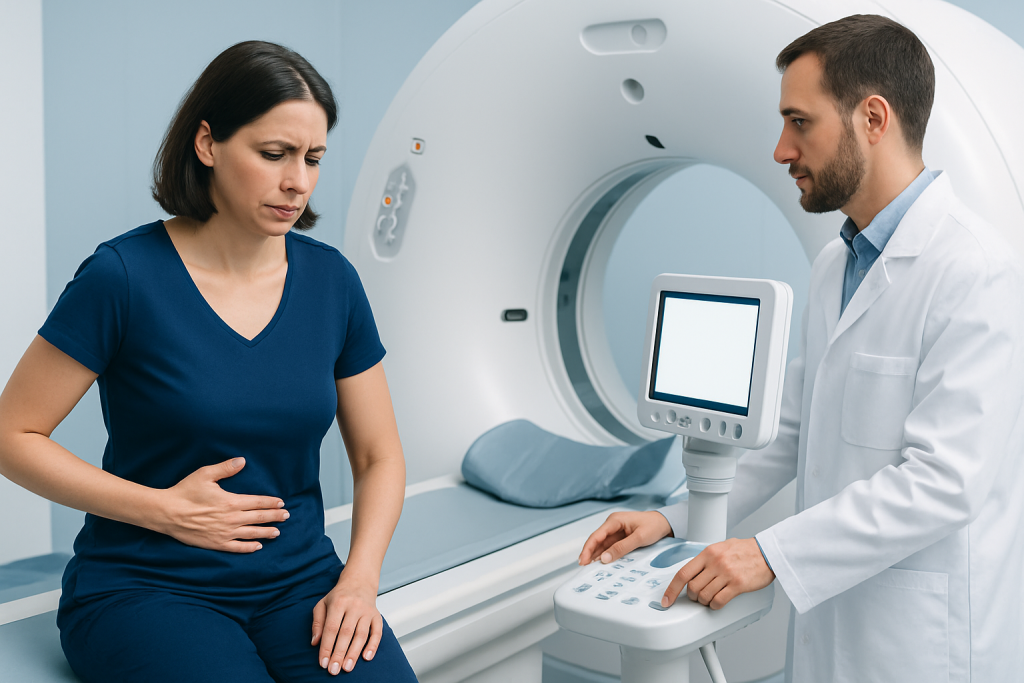
The sensation can vary widely. Some people describe a stabbing pain under the left ribs, while others feel pressure, soreness, burning, bloating, or a cramping discomfort that seems to move. Pain may stay in one place or spread to the shoulder, back, upper abdomen, or chest.
Clues from the symptom pattern are often helpful. Pain that worsens after heavy lifting, twisting, coughing, or deep breathing may suggest a muscle or rib-related source. Pain that appears after meals, with burping, nausea, or a sour taste in the mouth, may point more toward digestive causes.
People should also pay attention to associated symptoms, since these can change the level of concern:
- Shortness of breath
- Fever or chills
- Nausea or vomiting
- Black stools or blood in vomit
- Chest pressure or pain spreading to the arm, jaw, or back
- Dizziness, fainting, or marked weakness
If the pain is mild and short-lived, it may settle with rest. If it keeps returning or slowly worsens, it should be evaluated rather than guessed at.
Causes & Risk Factors

Many people first think of the ribs themselves, but pain behind the left side of the ribs can originate from several different structures. Digestive causes are common, including gas trapping, indigestion, acid reflux, gastritis, constipation, and, less commonly, problems involving the stomach or pancreas. These often create discomfort after eating or when the abdomen feels distended.
Muscle strain is another frequent explanation. Heavy exercise, lifting, repetitive movement, poor posture, or an awkward sleeping position can irritate the intercostal muscles between the ribs. In these cases, the pain is often easier to reproduce with movement, pressing on the area, or taking a deep breath.
Other possible causes include inflammation of the lining around the lungs, pneumonia, shingles before the rash appears, an enlarged spleen, kidney stones, or heart-related conditions. Risk rises when there is recent trauma, infection, known digestive disease, smoking history, cardiovascular risk factors, or a prior problem in the spleen or pancreas.
It is worth noting that anxiety can intensify awareness of chest or upper abdominal sensations, but it should never be assumed to be the only explanation until more serious causes are considered.
Diagnosis
Diagnosis begins with a careful history and physical examination. A clinician will ask where the pain is located, how it feels, how long it has lasted, what makes it better or worse, and whether there are digestive, breathing, or heart-related symptoms. This conversation often narrows the likely cause before any test is ordered.
Depending on the findings, the next step may include blood tests to look for infection, inflammation, liver or pancreatic problems, or anemia. If the pain seems related to the chest or upper abdomen, imaging such as an X-ray, ultrasound, CT scan, or other studies may be recommended to view the ribs, lungs, spleen, or abdominal organs more clearly.
If heart symptoms are possible, an electrocardiogram and other cardiac tests may be needed, even when the pain seems to sit near the ribs rather than the center of the chest. When digestive symptoms dominate, a doctor may consider reflux, ulcer disease, gallbladder issues, bowel problems, or inflammation in the upper digestive tract.
For patients traveling from another country, it helps to bring a list of symptoms, prior test results, medication names, and any imaging reports in digital form. That information can shorten the time needed to reach a safe diagnosis and avoid repeating unnecessary tests.
Treatment Options
Treatment depends entirely on the cause, so the goal is not simply to mask the pain but to correct the underlying problem. Mild muscle strain may improve with rest, heat or cold as advised, posture correction, and gradual return to activity. Digestive discomfort may improve with dietary changes, hydration, and treatment directed at reflux, gastritis, constipation, or gas-related bloating.
When infection, inflammation, or another medical condition is found, a doctor may prescribe targeted therapy and follow-up. For example, treatment plans can differ greatly between a simple chest wall strain, a lung infection, pancreatitis, a spleen issue, or a heart condition. That is why self-diagnosis can be misleading, especially when the symptom is near the border between chest and abdomen.
In some cases, pain relief medicine may be used short term, but it should be chosen carefully, particularly if the cause might involve the stomach, kidneys, liver, or bleeding risk. A clinician can advise which medications are appropriate and which ones should be avoided until the cause is known.
When a more complex problem is suspected, care may involve a multidisciplinary team. Acibadem Health Point’s multidisciplinary specialists and JCI-accredited hospitals diagnose and treat this condition for international patients, which can be helpful when several possibilities need to be ruled in or out efficiently.
Prevention & Self-care
Not every cause of pain behind the left side of the ribs can be prevented, but a few habits may reduce common triggers. Good posture, safe lifting techniques, regular movement, and avoiding sudden overexertion can lower the chance of chest wall strain. People who notice symptoms after meals may benefit from smaller portions, slower eating, and limiting foods that commonly worsen reflux or bloating.
Simple self-care can also help when the discomfort is mild and there are no warning signs. Resting from strenuous activity, avoiding very heavy meals, staying hydrated, and observing whether certain foods or positions trigger the pain can all provide useful clues. Keeping a symptom diary can be especially valuable if the discomfort comes and goes.
At the same time, self-care should stay within safe limits. It is best not to repeatedly rely on pain medicine without knowing the cause, and not to ignore recurring symptoms just because they settle temporarily. A symptom that returns in the same spot deserves a medical review, even if it seems minor.
When to See a Doctor
Medical assessment is recommended if the pain is new, persistent, recurring, or interfering with normal activity. A doctor should also be consulted if the discomfort follows an injury, appears with fever, comes with nausea or vomiting that does not ease, or is linked to digestive bleeding such as black stools or vomit that looks like coffee grounds.
Urgent care is important if the pain is accompanied by shortness of breath, chest pressure, fainting, confusion, sweating, a racing heartbeat, or pain spreading to the arm, jaw, or back. These symptoms can signal conditions that should not be watched at home.
People with a history of heart disease, lung disease, ulcers, pancreatitis, spleen problems, or recent infections should be especially careful about changes in symptoms. When in doubt, it is safer to have the pain evaluated than to wait and hope it resolves on its own.
Frequently asked questions
01What does pain behind the left side of the ribs usually mean?
It can come from the digestive tract, muscles, ribs, lungs, spleen, or heart. The exact meaning depends on whether the pain is related to meals, movement, breathing, or other symptoms.
02Is pain under the left ribs always a stomach problem?
No. Digestive causes are common, but left rib pain can also come from a muscle strain, lung irritation, or a more serious chest or abdominal condition. That is why the pattern of pain matters.
03When should left rib pain be considered urgent?
It should be checked urgently if it is severe, sudden, or paired with shortness of breath, chest pressure, fainting, fever, vomiting blood, black stools, or pain spreading to other areas. These symptoms need prompt medical attention.
04Can gas cause pain behind the left side of the ribs?
Yes. Gas trapped in the bowel can create pressure or sharp discomfort in the upper abdomen or beneath the left ribs, especially after eating. If the pain keeps returning or becomes intense, it should still be evaluated.
05What kind of doctor should evaluate this pain?
A primary care doctor, gastroenterologist, or emergency clinician may be appropriate depending on severity and associated symptoms. If the pain could be heart- or lung-related, urgent assessment is the safest choice.
06What can a person do at home for mild pain behind the left ribs?
Rest, gentle movement, hydration, and avoiding heavy meals may help if the pain is mild and there are no warning signs. If the pain persists, worsens, or returns often, medical review is recommended.
This article is for general information only and is not a substitute for professional medical advice. Please consult a qualified doctor about your individual situation.
Persistent digestive symptoms? Get evaluated in Turkey
JCI-accredited · board-certified surgeons · reply within 24h
Add us as a Preferred Source to see more of our trusted health content across Google Search, AI Overviews and Discover.