What Is Ulceration Esophagus? A Complete Medical Guide

Key Takeaways
- Ulceration esophagus means the esophageal lining has been damaged enough to form an open sore.
- Common causes include acid reflux, certain medicines, infections, and swallowing irritants.
- Symptoms may include painful swallowing, chest discomfort, reflux, nausea, or vomiting blood.
- Diagnosis often involves endoscopy and sometimes biopsy or testing for infection and reflux.
- Treatment focuses on the cause, protecting the lining, and preventing complications.
- Prompt medical care is important if swallowing becomes difficult, pain is severe, or bleeding occurs.
Ulceration esophagus refers to an open sore or break in the lining of the esophagus, the tube that carries food from the mouth to the stomach. It can cause pain, swallowing difficulty, or bleeding, and it deserves medical evaluation because the underlying cause guides treatment.
Overview
Ulceration esophagus is a medical term for an ulcer in the esophagus, which is the muscular tube that moves food and liquid from the throat to the stomach. In simple terms, the lining has been injured deeply enough to create an open sore. This is not a diagnosis by itself so much as a clue that something is irritating or damaging the esophagus.
Many people first notice it through symptoms that feel like “more than ordinary heartburn,” such as pain when swallowing or a burning pain behind the breastbone. Others only learn about it after a doctor investigates persistent reflux, unexplained anemia, or trouble eating. The next step is not to guess the cause, but to identify what is behind the injury so treatment can be targeted and safe.
Because the esophagus sits at the center of digestion and swallowing, ulceration can affect daily eating, hydration, and comfort. It can also be linked to conditions that need follow-up, such as reflux disease, infections, medication irritation, or, less commonly, more serious disease. For that reason, it is best approached as a condition that deserves careful evaluation rather than a symptom to simply “wait out.”
Symptoms

Symptoms vary depending on how deep the ulcer is and what caused it. A person may feel pain when swallowing, known as odynophagia, or notice that food seems to stick in the chest. Some describe a sharp or burning discomfort behind the breastbone, especially during meals or after lying down.
Other possible symptoms include frequent reflux, nausea, vomiting, a sour taste in the mouth, or reduced appetite because eating becomes unpleasant. If the ulcer is bleeding, there may be dark stools, vomiting that looks like coffee grounds, or tiredness from anemia. In some cases, symptoms are mild at first and gradually become more noticeable over days or weeks.
- Pain when swallowing
- Trouble swallowing solids or liquids
- Chest or upper abdominal burning
- Nausea or vomiting
- Unintended weight loss or poor intake
- Signs of bleeding, such as black stools
These symptoms are not specific to ulceration esophagus, which is why a medical assessment matters. Similar complaints can come from reflux, esophagitis, infection, motility disorders, or even heart-related causes of chest discomfort. A clinician uses the symptom pattern, exam, and tests to narrow the cause.
Causes & Risk Factors
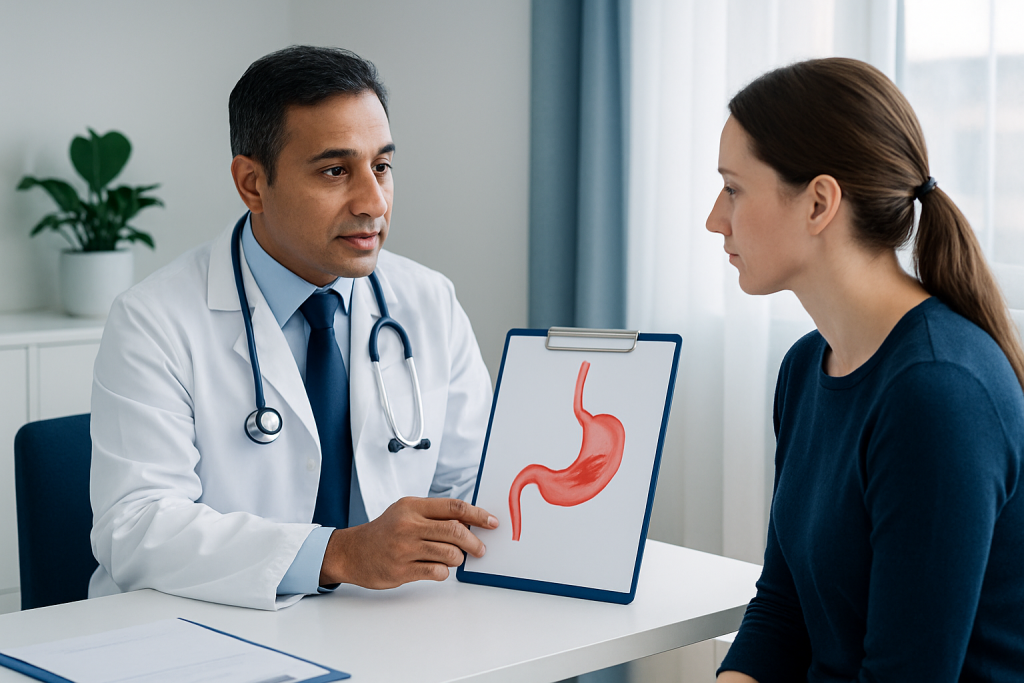
Several different problems can lead to an esophageal ulcer. Chronic acid reflux is one of the most common contributors, because repeated exposure to stomach acid can injure the lining over time. Certain medicines can also irritate the esophagus if they are swallowed with too little water or taken while lying down; examples include some pain relievers, antibiotics, potassium supplements, and bisphosphonates.
Infections may cause ulcers, especially in people with weakened immune systems. Viral infections such as herpes simplex virus or cytomegalovirus, and sometimes fungal infections, can inflame and damage the esophageal lining. Less commonly, ulcers may arise from swallowing corrosive substances, radiation therapy, inflammatory disorders, or severe vomiting that traumatizes the tissue.
Risk is higher in people with longstanding gastroesophageal reflux disease, a history of esophagitis, immune suppression, smoking, heavy alcohol use, or chronic medication exposure that can irritate the esophagus. An older age, poor dental health, and limited mobility can also contribute indirectly by making swallowing and medication use less protective. Still, ulceration can occur in people without obvious risk factors, which is another reason evaluation should be individualized.
Diagnosis
Diagnosis usually begins with a detailed medical history. A clinician will ask about the timing of symptoms, reflux history, medications, swallowing patterns, infections, immune status, and any signs of bleeding. This information often provides important clues before any test is done.
The most useful test is often upper endoscopy, also called esophagogastroduodenoscopy or EGD. During this procedure, a thin camera is passed through the mouth so the doctor can see the esophagus directly, identify the ulcer, and assess how extensive the damage is. If needed, small tissue samples may be taken for biopsy or to look for infection, inflammation, or other causes.
Depending on the situation, additional testing may be recommended. These can include reflux studies, blood tests for anemia or infection, swallow studies, or imaging if a complication is suspected. In some cases, the pattern of the ulcer and the patient’s background make the diagnosis clearer, but the main goal remains the same: determine what injured the esophagus and whether anything dangerous is being missed.
Treatment Options
Treatment is aimed at the underlying cause and at allowing the esophageal lining to heal. For reflux-related ulceration, doctors often focus on reducing acid exposure and improving the timing of meals, sleep position, and medication use. If a medicine is irritating the esophagus, the prescribing clinician may adjust how it is taken or consider a different option altogether.
When infection is the cause, treatment depends on the organism involved and the person’s immune status. If an ulcer is associated with a viral, fungal, or bacterial process, specific therapy may be prescribed after the cause is identified. In more severe cases, especially when swallowing is difficult or dehydration is a concern, hospital care may be needed for fluids, nutritional support, and closer monitoring.
Doctors may also recommend medications that help the lining heal and reduce irritation, along with temporary dietary changes such as softer foods or smaller meals. If strictures, bleeding, or recurrent ulcers develop, further endoscopic treatment may be needed. The exact plan is best tailored to the patient’s symptoms, test results, and broader health history, particularly for those traveling internationally for care and needing a coordinated follow-up plan after returning home.
Prevention & Self-care
Prevention starts with protecting the esophagus from repeated irritation. For people with reflux, that often means identifying triggers, avoiding late-night meals, and following the clinician’s guidance for reflux control. Medicines should be taken with enough water, and patients are usually advised not to lie down immediately afterward unless a doctor has said otherwise.
Simple habits can also support healing: eating slowly, choosing softer foods during recovery if swallowing is painful, and avoiding tobacco and heavy alcohol use. Staying well hydrated is important, particularly if eating has been reduced. If a person has been told that a specific drug has caused irritation before, that history should be shared with every clinician who prescribes medications in the future.
Self-care should be gentle rather than experimental. Home remedies that strongly coat, burn, or “cleanse” the throat are not a substitute for medical care and may worsen symptoms in some people. The safest approach is to use the plan provided by a clinician and report any new or worsening symptoms promptly.
- Take medicines exactly as directed, with plenty of water when appropriate
- Limit known reflux triggers if they clearly worsen symptoms
- Avoid lying flat soon after meals
- Stop smoking and reduce alcohol if advised
- Follow up if symptoms do not improve as expected
When to See a Doctor
Medical review is important if swallowing hurts, food feels stuck, or heartburn becomes persistent or unusually severe. A doctor should also be consulted if symptoms do not improve with basic reflux measures, because repeated irritation can keep the lining from healing. Early assessment is especially helpful when there is a history of medication irritation, immune suppression, or prior esophageal disease.
Some symptoms need quicker attention. These include vomiting blood, black or tarry stools, inability to swallow liquids, severe chest pain, fainting, or signs of dehydration. Unexplained weight loss or ongoing anemia also deserves prompt evaluation, since these may indicate bleeding or another condition that needs treatment.
For patients who are considering diagnosis or treatment abroad, a coordinated approach matters. Acibadem Health Point’s multidisciplinary specialists and JCI-accredited hospitals diagnose and treat esophageal conditions for international patients, helping guide testing, treatment, and follow-up in a structured way. Even so, any urgent symptoms should be evaluated immediately wherever the patient is located.
Living With Recovery and Follow-up
Recovery from ulceration esophagus is often straightforward once the cause is identified and treated, but healing does not happen the same way for everyone. Some people improve quickly after reflux is controlled or an irritating medicine is changed, while others need closer follow-up to be sure the ulcer is closing and not recurring. The body’s response is usually checked through symptoms, and sometimes through repeat endoscopy when the original ulcer was significant.
Follow-up matters because an esophageal ulcer may be a signal rather than the whole story. Ongoing reflux, repeated medication injury, or an untreated infection can all bring symptoms back if the original trigger remains in place. Patients who travel from another country should leave with a clear plan for medication timing, dietary progression, and where to seek help if symptoms return after they go home.
The best outcome usually comes from combining medical treatment with practical day-to-day changes and a reliable follow-up path. That allows the esophagus to heal while also addressing the reason it was injured in the first place.
Frequently asked questions
01What is ulceration esophagus in simple terms?
It means there is an open sore in the lining of the esophagus, the tube that carries food to the stomach. It usually develops because something has irritated or damaged the tissue, such as acid reflux, a medicine, or an infection.
02Is an esophageal ulcer the same as heartburn?
No. Heartburn is a symptom, while an esophageal ulcer is a visible injury to the lining. Heartburn can occur without an ulcer, but persistent reflux can sometimes contribute to ulcer formation.
03Can medicine cause an esophageal ulcer?
Yes. Some tablets can irritate the esophagus if they stick or are taken incorrectly, especially without enough water or right before lying down. A clinician can help decide whether a different medicine or dosing routine is safer.
04How is ulceration esophagus diagnosed?
Doctors usually use upper endoscopy to look directly at the esophagus and may take a biopsy if needed. They also review symptoms, medications, and medical history to identify the cause.
05Does an esophageal ulcer always need surgery?
No, most cases are treated with medicines, cause-specific therapy, and changes that reduce irritation. Surgery is not common and is usually considered only if there is a separate complication that requires it.
06When should someone seek urgent care?
Urgent evaluation is important if there is vomiting blood, black stools, severe chest pain, inability to swallow liquids, or signs of dehydration. These can indicate bleeding or another complication that should not wait.
This article is for general information only and is not a substitute for professional medical advice. Please consult a qualified doctor about your individual situation.
Persistent digestive symptoms? Get evaluated in Turkey
JCI-accredited · board-certified surgeons · reply within 24h
Add us as a Preferred Source to see more of our trusted health content across Google Search, AI Overviews and Discover.