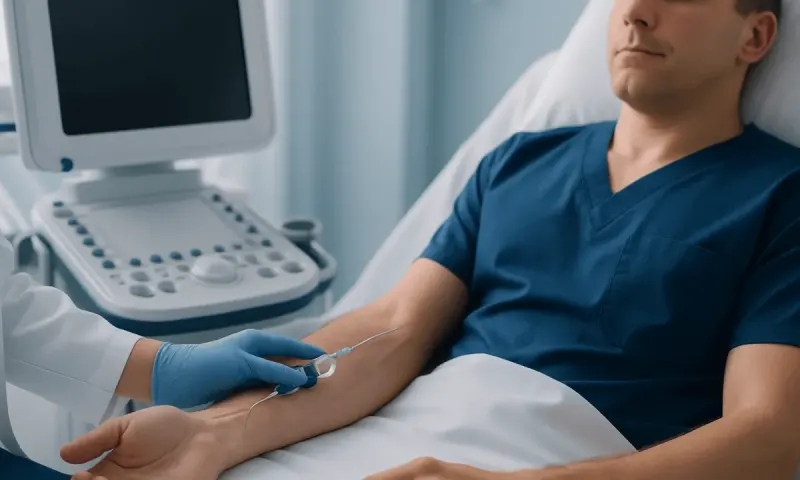
Pacemaker Surgery Death Rate: Candidacy, Procedure Steps, and Recovery Timeline
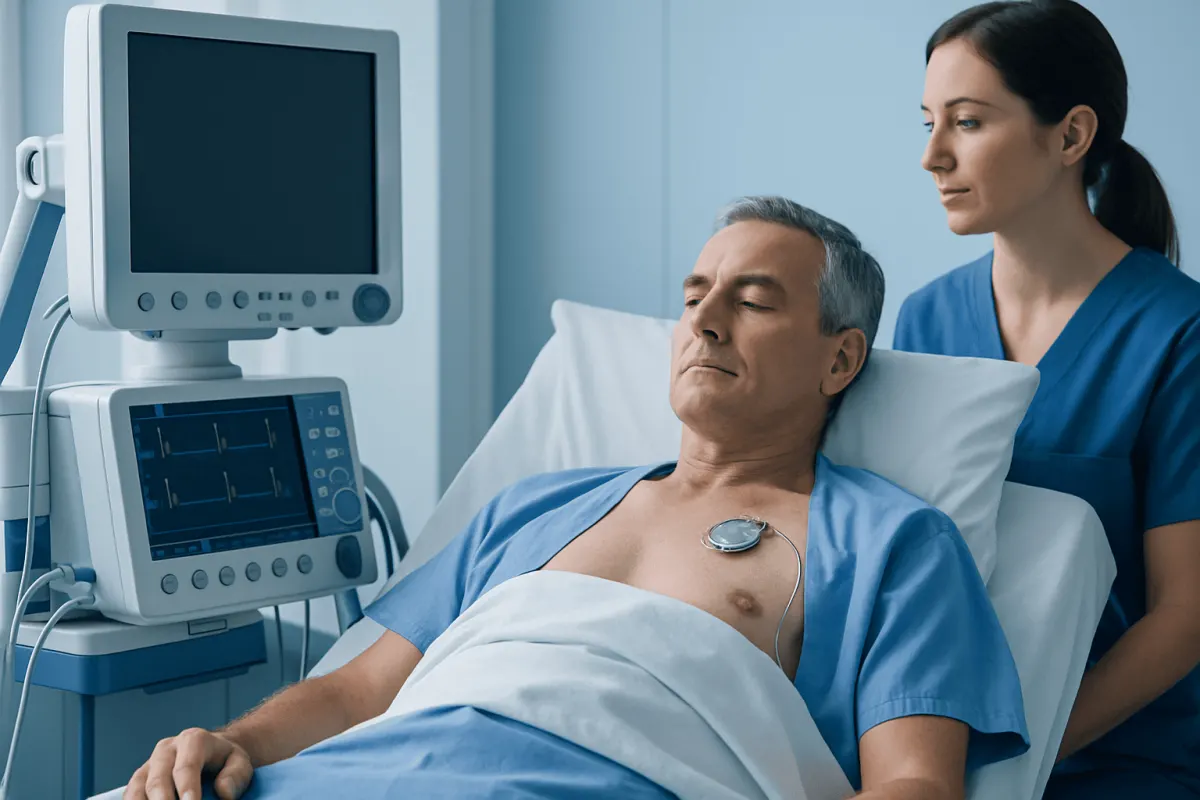
The pacemaker surgery death rate is low because implantation is a commonly performed, minimally invasive cardiac procedure, but no procedure is risk-free. A person’s individual risk depends on the reason for pacing, overall heart and lung health, age, kidney function, infection risk, and whether the procedure is planned or urgent.
Overview: What Does the Pacemaker Surgery Death Rate Mean?
The pacemaker surgery death rate is low overall, particularly for planned implantation in people who are medically stable. However, it is not possible to give one meaningful number that applies to every person. Outcomes vary according to the underlying heart rhythm problem, whether the patient has advanced heart disease or other serious conditions, and whether implantation is elective or performed during an emergency.
A pacemaker is a small electronic device placed under the skin, usually beneath the collarbone. It monitors the heartbeat and sends gentle electrical impulses if the heart beats too slowly, pauses too long, or does not conduct electrical signals reliably. For many people, this can relieve symptoms and help prevent complications related to an excessively slow heart rate.
It is important to separate the risks of the implantation procedure from the risks of the condition that makes a pacemaker necessary. Some people need pacing because of serious heart disease or acute illness; their overall health may affect survival more strongly than the device procedure itself. A cardiology team can explain the expected benefits and the person-specific risks before treatment.
How a Pacemaker Works and Who May Need One
The pulse generator contains a battery and computer circuitry. One or more insulated wires, called leads, connect the generator to the heart in most conventional systems. The device continuously senses the heart rhythm and provides pacing only when the natural rhythm is too slow or misses beats. Some modern systems are leadless and are placed directly inside the heart through a catheter, but they are suitable only for selected patients.
A pacemaker may be recommended for symptomatic bradycardia, certain forms of heart block, sinus node dysfunction, or pauses in the heartbeat. Symptoms can include fatigue, dizziness, fainting, breathlessness with activity, confusion, or reduced exercise tolerance. Not every slow heart rate needs treatment; athletes and some healthy people may have a naturally slow resting pulse without symptoms.
The decision is based on symptoms, electrocardiogram findings, ambulatory rhythm monitoring, medical history, and the likely cause of the rhythm disturbance. Related rhythm problems may be assessed as part of care for arrhythmia, especially when episodes come and go and are not captured during a routine clinic ECG.
- Persistent or intermittent heart block that causes symptoms or poses a significant risk
- Sinus node dysfunction with troublesome slow rates or pauses
- Slow heart rhythms caused by necessary medicines when alternatives are unsuitable
- Selected people after certain heart procedures or with specific cardiomyopathies
Candidacy and Preparing for Pacemaker Implantation

Before implantation, the clinical team confirms that pacing is likely to improve symptoms or protect against clinically important slow rhythms. Assessment commonly includes an ECG, blood tests, a review of medicines, and sometimes echocardiography, Holter monitoring, or other rhythm studies. The team also checks for active infection, bleeding concerns, allergies, kidney problems, and prior chest or heart procedures.
Age alone does not determine candidacy. Older adults may benefit substantially when symptoms are due to bradycardia, while younger people may need discussion about device type, long-term lead management, physical activity, and future generator replacements. Shared decision-making should include the person’s health goals, daily activities, and preferences.
Patients should tell the care team about blood thinners, diabetes medicines, herbal products, contrast reactions, and any history of infection involving an implanted device. They should not stop prescribed medicines independently. The team will give individualized instructions about eating, drinking, and medication adjustments before the procedure.
For people who have complex heart disease, the choice between a standard pacemaker, a leadless device, or a specialized resynchronization device may require input from electrophysiology and heart failure specialists. The appropriate device is selected for the heart rhythm and anatomy rather than by a one-size-fits-all approach.
Pacemaker Procedure Steps: What Usually Happens
Pacemaker implantation is usually performed in a cardiac catheterization or electrophysiology laboratory. Most patients receive local anesthetic to numb the area and medication to help them relax. General anesthesia is not usually required for a conventional pacemaker, although the approach can differ for children, people with particular medical needs, or more complex procedures.
After the skin is cleaned and covered with sterile drapes, the clinician makes a small incision below the collarbone. Using X-ray guidance, the leads are advanced through a nearby vein into the appropriate heart chamber or chambers. The leads are tested to confirm stable sensing and pacing, then connected to the generator, which is placed in a small pocket beneath the skin.
The incision is closed and covered with a dressing. A chest X-ray, ECG, and device check may be performed afterward to confirm lead position and rule out early complications. The procedure often takes a few hours or less, though timing varies with the device type and individual anatomy.
Patients considering implantation can learn more about pacemaker implantation and what their evaluation may involve. The care team should explain the planned device, expected hospital stay, and practical recovery instructions before discharge.
Benefits and Possible Risks of Pacemaker Surgery
The main benefit of a pacemaker is more reliable heart rhythm support. When symptoms are caused by slow heart rates or pauses, pacing may reduce fainting, dizziness, fatigue, and exercise limitation. In appropriate circumstances, it can also help prevent dangerous consequences of prolonged bradycardia. A pacemaker does not cure every cause of palpitations, breathlessness, or fatigue, so ongoing evaluation may still be needed.
Most implants are completed without major complications, but patients should understand the potential risks. These include bleeding or bruising around the device pocket, infection, lead movement, damage to a blood vessel, lung collapse, blood clot formation, and a rare perforation of the heart muscle. A device may occasionally require reprogramming, lead revision, or later replacement.
Serious outcomes, including death, are uncommon but possible. The risk can be higher in people who are severely unwell, have significant heart failure, advanced kidney disease, frailty, serious lung disease, an active infection, or urgent need for pacing. The implanting cardiologist can put these risks in context based on the individual’s clinical situation.
Device-related infection is uncommon but important to recognize because it may require antibiotics and, in some cases, removal of the system. Careful sterile technique, wound care, and attending follow-up appointments help reduce this risk.
Recovery Timeline and Living With a Pacemaker
Recovery begins immediately after the procedure. Many people are observed for several hours and go home the same day or after one night in hospital, depending on their health and the complexity of implantation. Mild soreness, bruising, and tightness near the incision are common for a short time. The care team can recommend suitable pain relief and provide instructions for the dressing.
During the first one to two weeks, the wound should be kept clean and dry as instructed. Heavy lifting, vigorous upper-body exercise, and repetitive reaching above shoulder level on the implant side are commonly limited for several weeks to allow the leads and pocket to settle. Exact restrictions vary, so the discharge plan should take priority over general advice.
Many people resume light daily activities within days and return to work according to the type of work, symptoms, and recovery progress. A device check is usually arranged soon after implantation and at regular intervals thereafter, often including remote monitoring. Batteries commonly last for years, but the generator eventually needs replacement in a separate procedure.
Everyday electronics are generally safe when used normally, but patients should carry their device identification card and ask about workplace equipment, security screening, MRI scans, and strong magnetic fields. Some newer pacemakers are designed to be MRI-conditional under specific conditions, but imaging staff must always be told about the device in advance.
When to Seek Medical Care
Patients should contact their cardiac team promptly if the incision becomes increasingly red, warm, swollen, painful, or starts to drain fluid. Fever, chills, or feeling generally unwell after implantation can also indicate infection and should not be ignored. New swelling of the arm or neck on the implant side should be assessed.
Urgent medical assessment is needed for chest pain, severe or worsening shortness of breath, fainting, persistent dizziness, a rapid or irregular heartbeat with significant symptoms, or sudden weakness. These symptoms may have many causes, but they need timely evaluation after a heart procedure.
Follow-up should also be arranged if symptoms that led to implantation do not improve, recur, or change. A pacemaker can be checked and adjusted, while other heart or non-heart causes of symptoms can be investigated. People should keep all scheduled device appointments even if they feel well.
Acıbadem Health Point’s multidisciplinary specialists and JCI-accredited hospitals diagnose and treat heart rhythm conditions for international patients, including assessment and follow-up for pacemaker therapy.
Frequently asked questions
01Is pacemaker surgery considered high risk?
Pacemaker implantation is generally considered a low-risk cardiac procedure, especially when it is planned and performed in a stable patient. Nevertheless, the risk is individual and may be higher with serious heart disease, infection, kidney disease, frailty, or emergency implantation. The cardiology team can discuss the expected risk in the context of the person’s health.
02How long does it take to recover from pacemaker surgery?
Many patients return home the same day or the day after implantation and can do light activities within a few days. The skin incision and device pocket generally need several weeks to heal, and arm movement or lifting restrictions may apply during that period. Follow the implanting team’s specific instructions because recovery plans vary.
03Will a pacemaker improve life expectancy?
For people with clinically important slow heart rhythms or heart block, a pacemaker can prevent prolonged pauses and support a safer, more reliable heart rate. Its effect on life expectancy depends on the underlying heart condition and other health concerns. A pacemaker is most beneficial when it is used for a clear, evidence-based indication.
04Can a person feel a pacemaker working?
Most people do not feel their pacemaker delivering routine electrical impulses. Some may notice temporary awareness of the device pocket while the area heals, and occasionally pacing can be felt in certain situations. New palpitations, twitching, dizziness, or discomfort should be reported to the cardiac team.
05What should be avoided after pacemaker implantation?
For the early recovery period, patients are usually advised to avoid heavy lifting, strenuous activity, and repeated overhead movement of the arm on the implant side. They should also avoid rubbing the incision or exposing it to water until the clinician says it is safe. Long-term precautions mainly involve strong magnetic fields and ensuring healthcare professionals know about the device.
06How often does a pacemaker need to be checked or replaced?
A pacemaker is checked shortly after implantation and then at regular intervals, often through clinic visits and remote monitoring. The generator battery typically lasts for years, but its lifespan depends on the device settings and how much pacing is needed. When the battery runs low, the generator is replaced while the existing leads may remain in place if they are functioning well.
This article is for general information only and is not a substitute for professional medical advice. Please consult a qualified doctor about your individual situation.
Heart care in Turkey — expert evaluation and treatment
JCI-accredited · board-certified surgeons · reply within 24h
Add us as a Preferred Source to see more of our trusted health content across Google Search, AI Overviews and Discover.