Ovarian Torsion: Symptoms, Causes and Treatment

Key Takeaways
- Ovarian torsion usually causes sudden, one-sided lower abdominal or pelvic pain that may come with nausea or vomiting.
- An ovarian cyst or enlarged ovary can increase the chance of twisting, but torsion can also occur without a clear trigger.
- Ultrasound helps support the diagnosis, but symptoms and clinical judgment remain important because no test is perfect.
- Treatment is usually surgery to untwist the ovary and, when possible, preserve it.
- Prompt medical attention matters, especially for severe pain, faintness, fever, or pain that is rapidly worsening.
Ovarian torsion is a gynecologic emergency in which an ovary twists around the tissues that support it, reducing or blocking blood flow. Quick evaluation and treatment can help protect ovarian tissue and relieve symptoms.
Overview
Ovarian torsion happens when an ovary twists around the ligaments and blood vessels that help hold it in place. That twist can slow down or stop blood flow, which is why the condition is treated as an urgent medical problem rather than a routine cause of pelvic pain.
The twisting may involve the fallopian tube as well, and the pain often begins suddenly. Some people describe it as a sharp, cramping, or persistent pain on one side of the lower abdomen or pelvis. Because the symptoms can overlap with appendicitis, kidney stones, ruptured cysts, or stomach problems, many people do not know the cause until they are examined by a clinician.
Although ovarian torsion is more likely when an ovary is enlarged, it can affect adolescents, adults, and pregnant patients. From an international-patient perspective, it is the kind of problem that should not wait for a long flight home or a delayed appointment; the safest path is prompt local assessment wherever symptoms begin.
Symptoms
The hallmark sign is sudden pain, usually on one side of the lower abdomen or pelvis. The pain may be constant or come in waves, and it can range from uncomfortable to severe. Some people notice that moving, walking, or changing position makes it worse.
Nausea and vomiting are common and may appear at the same time as the pain. Some people also experience bloating, tenderness, back pain, or a feeling of pressure in the pelvis. Fever is not always present, but if it does occur, it can suggest that the situation needs urgent attention.
Symptoms do not always look dramatic at first. Intermittent twisting and untwisting can cause pain that comes and goes, which may delay care. That is one reason clinicians advise taking new one-sided pelvic pain seriously, especially when it is paired with nausea or a known ovarian cyst.
- Sudden one-sided pelvic or lower abdominal pain
- Nausea or vomiting
- Bloating or abdominal tenderness
- Pain that worsens with movement
- Occasional pain that seems to improve and then return
Causes & Risk Factors

Ovarian torsion usually develops when the ovary becomes heavier or larger than usual, making it easier to rotate. A functional cyst, benign ovarian mass, or enlarged ovary after fertility treatment can all increase the chance of twisting. Pregnancy can also change the position of the ovaries and nearby structures, creating additional risk in some patients.
Other factors may include a long ovarian ligament, prior torsion, or conditions that affect the size and mobility of the ovary. In adolescents, torsion can occur even without a cyst because the tissues are naturally more flexible. In many cases, no single cause is identified, which can be frustrating for patients looking for a clear explanation.
It is helpful to understand that risk factors do not mean torsion is inevitable. They simply raise the likelihood, which is why people with known ovarian cysts or sudden pelvic pain should know the warning signs and seek evaluation without delay.
Diagnosis
Diagnosis starts with a careful medical history and physical examination. A clinician will ask when the pain began, where it is located, whether it moves, and whether nausea, vomiting, or Common Causes and How Doctors Evaluate It" class="ahp-ilk">vaginal bleeding is present. These details help narrow the possibilities, although they cannot confirm torsion on their own.
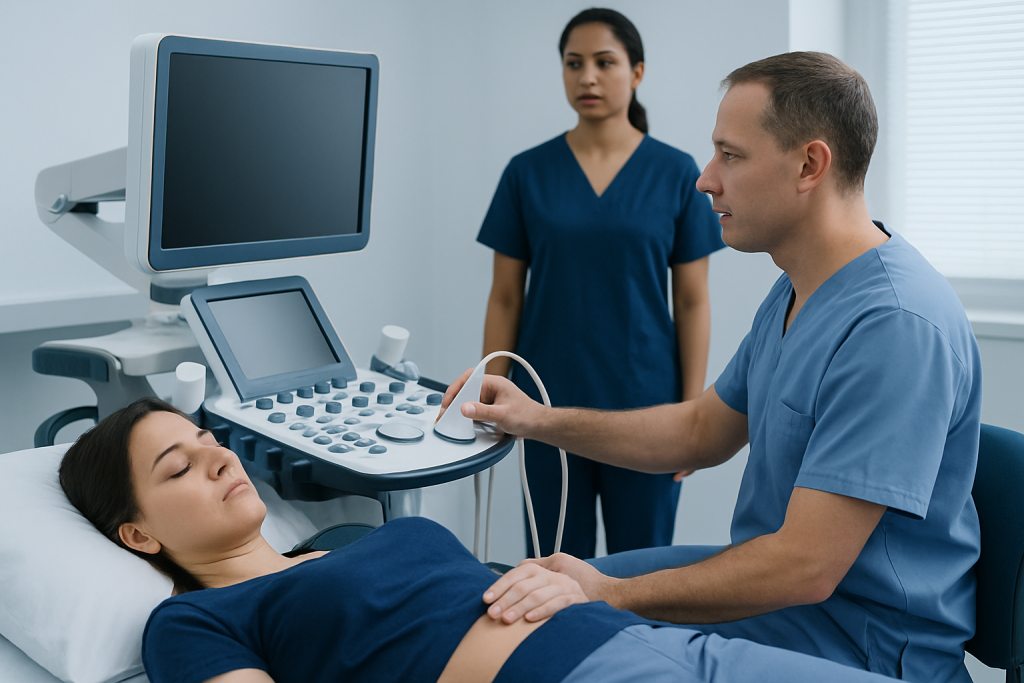
Pelvic ultrasound, often with Doppler imaging, is the most common imaging test used to look at the ovaries and blood flow. Even so, a normal-looking blood flow study does not completely rule out torsion, because the ovary may still be twisted. For that reason, doctors often make decisions based on the full clinical picture rather than a single test result.
Blood tests or pregnancy testing may be ordered to rule out other causes of pelvic pain and to guide next steps. In some cases, the diagnosis is confirmed during surgery, which is why timely specialist evaluation matters. Patients traveling for care should share any prior scans, fertility treatment history, or known cyst diagnoses to help the team move quickly and safely.
Treatment Options
Surgery is the main treatment for ovarian torsion. The goal is to untwist the ovary and restore blood flow as soon as possible. In many cases, surgeons can save the ovary, especially when treatment happens early.
The procedure is often done through minimally invasive surgery, which uses small incisions and a camera. If a cyst or mass is contributing to the problem, it may be removed during the same operation. If the ovary appears severely damaged, the surgeon may need to remove it, but modern care aims to preserve healthy tissue whenever possible.
Pain relief, fluids, and anti-nausea treatment may be given before surgery. After the procedure, follow-up focuses on healing, pathology results if tissue was removed, and planning for future gynecologic care. For Myomectomy Recovery for International Patients: The Usual Travel Timeline" class="ahp-ilk">international patients, this follow-up may include coordinating records with the home doctor so recovery can continue smoothly after travel.
Prevention & Self-care
Not every case of ovarian torsion can be prevented, especially when the underlying risk is not known in advance. Still, people with ovarian cysts, prior torsion, or fertility-related ovarian enlargement can lower risk by keeping up with recommended gynecologic follow-up and discussing whether a cyst needs monitoring or treatment.
Self-care is less about home treatment and more about timely action. If sudden one-sided pelvic pain occurs, the safest step is to seek urgent medical evaluation rather than waiting to see whether it passes. Avoid eating or drinking heavily if emergency care seems likely, since surgery may be needed.
After treatment, recovery advice usually includes rest, wound care if surgery was performed, and a gradual return to normal activity as directed. Patients who must travel should ask their care team about warning signs during recovery, medication timing, and when it is safe to fly or take long trips. A written summary can be especially useful when follow-up will happen in another country.
- Attend routine gynecologic checkups if cysts or ovarian enlargement are known
- Learn the warning signs of acute pelvic pain
- Seek urgent care for sudden severe one-sided pain
- Follow postoperative instructions closely
- Arrange follow-up before international travel when possible
When to See a Doctor
Immediate medical care is needed if sudden one-sided pelvic or lower abdominal pain develops, especially when it is severe or accompanied by nausea and vomiting. Ovarian torsion is not a condition to watch at home for long, because blood flow to the ovary can be compromised.
Emergency evaluation is also important if pain is paired with fainting, fever, heavy vaginal bleeding, or a rigid, very tender abdomen. These symptoms can point to torsion or another urgent condition that needs fast treatment. Even if the pain eases for a while, it should still be assessed, since intermittent torsion can return.
For patients already abroad, the right move is to contact local emergency services or a nearby hospital rather than waiting for the trip to end. Acibadem Health Point’s multidisciplinary specialists and JCI-accredited hospitals diagnose and treat ovarian torsion for international patients, helping coordinate urgent assessment and follow-up care when needed.
Living With the Diagnosis
Being told that ovarian torsion was found can feel sudden and disruptive, especially when it leads to emergency surgery. Many people want to know whether they will recover fully, whether future pain could happen again, and whether fertility might be affected. Those questions deserve clear, individualized answers from the treating gynecologist.
In many cases, recovery is straightforward after timely treatment, and the ovary can be preserved. Follow-up visits are useful for reviewing pathology results, discussing any underlying cysts, and planning whether additional monitoring is needed. If one ovary was removed, the other ovary may still support normal hormonal function, but each situation is different and should be discussed with a doctor.
For people who live far from the treating hospital, a good discharge plan matters. That plan may include a summary of the operation, images or reports from imaging tests, and instructions on when to seek care again. A careful handoff helps make the next steps feel less overwhelming, whether recovery continues at home or across borders.
Frequently asked questions
01Is ovarian torsion the same as an ovarian cyst?
No. An ovarian cyst is a fluid-filled sac or growth on the ovary, while ovarian torsion is the twisting of the ovary itself. A cyst can increase the risk of torsion by making the ovary heavier or larger.
02Can ovarian torsion go away on its own?
The pain may sometimes come and go if the ovary twists and untwists, but the problem can return and threaten blood flow again. Because of that risk, sudden one-sided pelvic pain should be assessed urgently.
03Does ovarian torsion always require surgery?
In most cases, yes. Surgery is usually the only way to untwist the ovary and check whether the tissue can be preserved.
04Can ovarian torsion affect fertility?
It can, especially if treatment is delayed or the ovary cannot be saved. When care is prompt, doctors often aim to preserve the ovary, which may help protect future fertility.
05What should someone do first if they suspect ovarian torsion while traveling?
They should seek urgent medical care right away, rather than waiting to reach home. If possible, they can bring any prior scan reports, fertility treatment records, and a list of current medicines.
06Is ovarian torsion more common in pregnancy or after fertility treatment?
The risk can be higher in those settings because the ovaries may be enlarged or positioned differently. That does not mean torsion will occur, but it does mean new pelvic pain should be checked promptly.
This article is for general information only and is not a substitute for professional medical advice. Please consult a qualified doctor about your individual situation.
Persistent digestive symptoms? Get evaluated in Turkey
JCI-accredited · board-certified surgeons · reply within 24h
Add us as a Preferred Source to see more of our trusted health content across Google Search, AI Overviews and Discover.