Ovarian Follicles and Their Role in the Menstrual Cycle
You read your ultrasound report and one word keeps catching your eye: follicle. Is that a problem? Almost always, no.
An ovarian follicle is a small fluid-filled sac in the ovary where an egg grows and matures before ovulation. Most follicles are a normal part of the menstrual cycle. Problems can arise, though, if a follicle does not develop or release the egg as expected.
Overview: what an ovarian follicle is
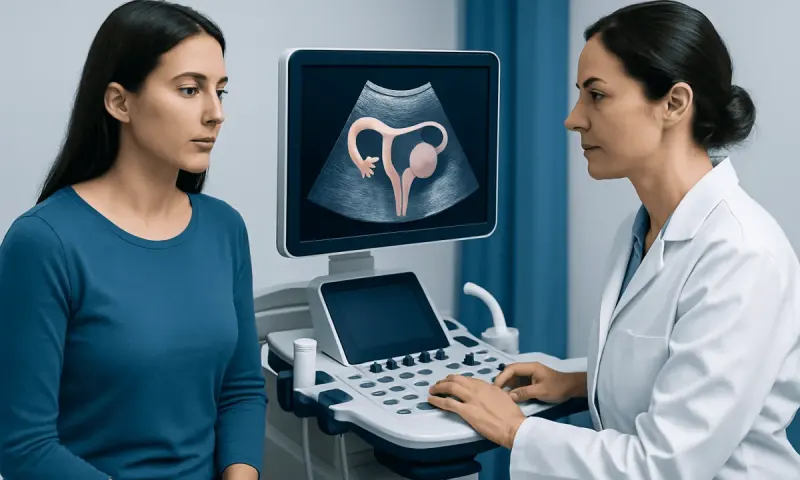
An ovarian follicle is a tiny sac inside the ovary that contains an immature egg. During each menstrual cycle, several follicles begin to grow, but usually one becomes dominant. That dominant follicle supports the egg as it matures and then releases it during ovulation.
Follicles also produce important hormones, especially estrogen, which helps prepare the lining of the uterus for a possible pregnancy. After ovulation, the emptied follicle changes into a structure called the corpus luteum, which makes progesterone for the second half of the cycle.
If the term “ovarian follicle” on an ultrasound report threw you, you are not alone. In most cases it describes a normal part of reproductive function, not a disease. What it means for you depends on your age, your symptoms, your cycle pattern, and whether the follicle is growing and ovulating as expected.
How ovarian follicles work during the menstrual cycle
At the beginning of a menstrual cycle, the brain sends hormonal signals that stimulate the ovaries. Follicle-stimulating hormone, or FSH, encourages a group of small follicles to begin developing. These early follicles are sometimes called antral follicles and can often be seen on ultrasound.
As the cycle progresses, one follicle usually becomes larger than the others. This dominant follicle continues maturing the egg and produces more estrogen. A rise in luteinizing hormone, or LH, then triggers ovulation, when the follicle ruptures and releases the egg into the fallopian tube.
If pregnancy does not occur, hormone levels fall, the uterine lining sheds, and menstruation begins. If ovulation does not happen, the follicle may remain unruptured or become a functional cyst. This is one reason follicle monitoring can be helpful in people with irregular cycles or trouble conceiving.
Follicle development changes throughout life. In puberty, cycles may be irregular while hormone patterns are still maturing. With age, the number and quality of follicles naturally decline, which is one factor behind reduced fertility and the transition to menopause.
Common symptoms and what patients may notice
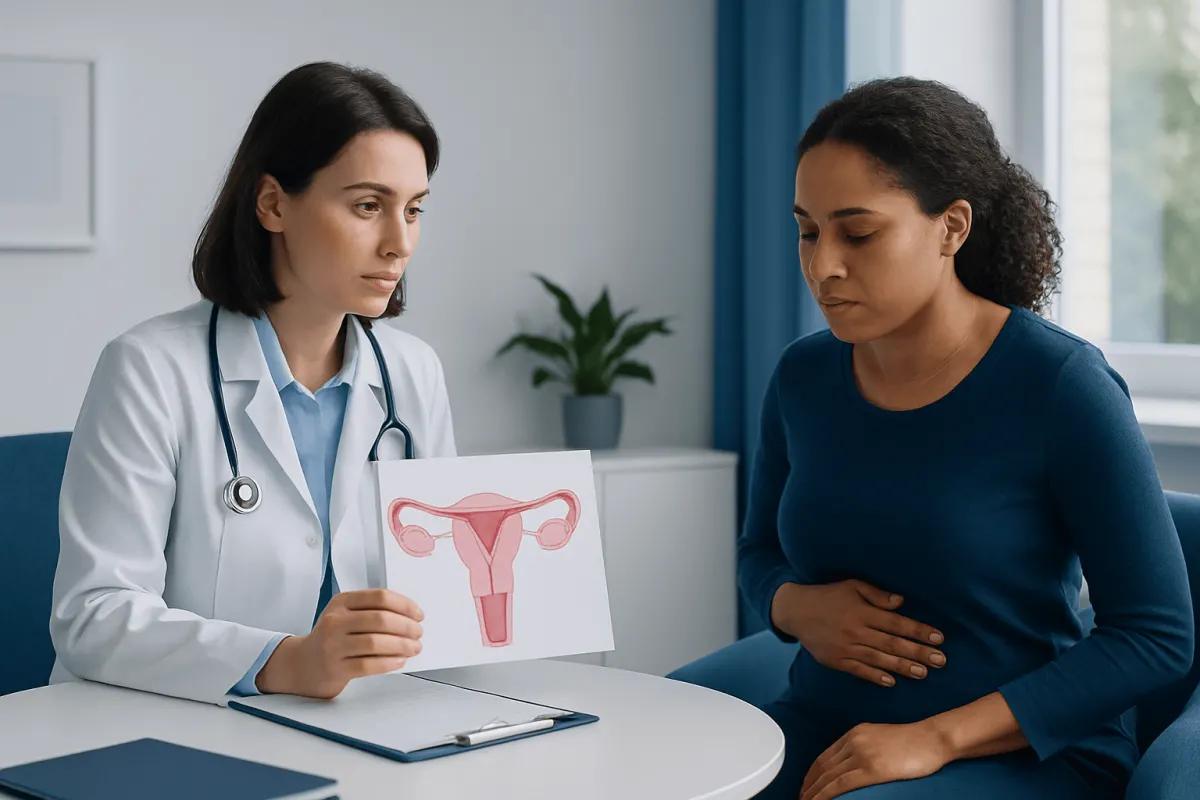
A normal ovarian follicle usually causes no symptoms at all. Most people are unaware of follicle growth unless they are having fertility monitoring or a pelvic ultrasound for another reason. The follicle itself is part of normal ovarian activity.
When symptoms do occur, they may include mild one-sided pelvic discomfort around ovulation, a feeling sometimes called mittelschmerz. Some people also notice changes in cervical mucus, light spotting, or cycle-related bloating. These symptoms are often brief and not harmful.
Problems can develop if a follicle grows but does not release the egg, bleeds, or enlarges into a cyst. In those cases, symptoms may include:
- Pelvic pain or pressure
- Irregular menstrual bleeding
- Bloating or abdominal fullness
- Pain during sex in some cases
- Difficulty predicting ovulation or getting pregnant
Symptoms rarely point to one answer on their own. Pelvic pain, for instance, may also come from ovarian cysts, endometriosis, gastrointestinal conditions, or urinary problems. A medical evaluation can help determine whether a follicle-related issue is present.
Why follicle problems happen: causes and risk factors
Many follicle-related concerns are caused by hormone imbalance or a disruption in the normal ovulation process. A follicle may fail to mature properly, may not release the egg, or may continue growing after it should have resolved. These changes are often temporary, but sometimes they repeat over multiple cycles.
Conditions that affect ovulation can also affect ovarian follicles. Polycystic ovary syndrome is one of the best-known examples, because multiple small follicles may be seen on the ovaries while regular ovulation does not occur. Patients exploring this possibility may also read more about polycystic ovary syndrome.
Other possible factors include:
- Natural hormonal fluctuations
- Stress, major weight changes, or intense exercise
- Thyroid disorders or elevated prolactin
- Perimenopause or age-related decline in ovarian reserve
- Use of fertility medications that stimulate the ovaries
Not every enlarged follicle is abnormal, and not every irregular cycle means something is wrong. But if pain keeps coming back, ovulation is absent, or you are struggling to conceive, it is worth a fuller look at your reproductive health, hormone function, and ovarian structure.
How doctors diagnose and monitor ovarian follicles
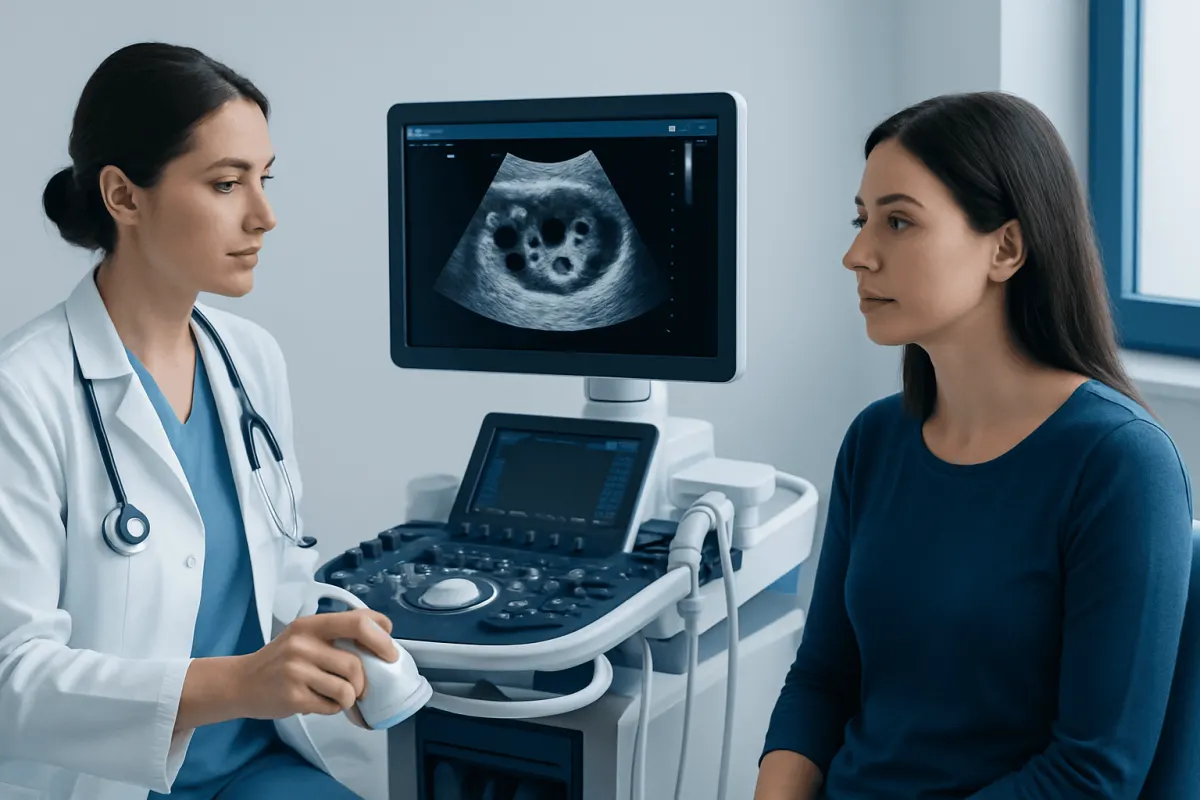
Doctors diagnose follicle-related issues by combining symptoms, menstrual history, pelvic examination when needed, and imaging. The most useful test is usually transvaginal ultrasound, which can show the number, size, and appearance of follicles in the ovaries. Ultrasound may also help distinguish a normal follicle from a cyst or another ovarian mass.
In people trying to conceive, serial ultrasounds may be used to monitor follicle growth across the cycle. This can help identify whether a dominant follicle is developing and whether ovulation is likely to occur. Hormone blood tests, such as FSH, LH, estradiol, progesterone, thyroid tests, and prolactin, may also be recommended depending on the situation.
Sometimes doctors evaluate ovarian reserve, especially in fertility assessment. Antral follicle count on ultrasound and anti-Mullerian hormone testing can give useful information about the number of remaining recruitable follicles. These tests do not predict pregnancy with certainty, but they can help guide planning.
When symptoms are complex or persistent, diagnosis may involve a broader workup. Depending on the findings, patients may be referred for fertility evaluation and IVF care or other gynecologic assessment to better understand ovulation patterns and treatment options.
Treatment options and when treatment is needed
Treatment is not always necessary. A normal ovarian follicle requires no treatment, and even some follicular cysts resolve on their own over time. If symptoms are mild and imaging looks reassuring, a doctor may suggest observation and repeat ultrasound rather than immediate intervention.
When treatment is needed, the approach depends on the cause. If the main issue is irregular ovulation, care may focus on correcting contributing factors such as thyroid imbalance, weight changes, or polycystic ovary syndrome. In patients seeking pregnancy, ovulation-inducing treatment or close follicle monitoring may be appropriate.
In fertility medicine, doctors may use targeted therapies to help follicles mature and ovulate in a controlled way. Some patients may benefit from egg freezing if they are planning for future fertility, while others may proceed with ovarian cyst surgery if a persistent cyst is causing pain, growing, or appearing suspicious on imaging.
Surgery is not routine for a simple follicle. It is generally reserved for selected cases, such as ongoing symptoms, complications, uncertainty in diagnosis, or concern for torsion or another ovarian disorder. Decisions should be individualized in discussion with a gynecologist or fertility specialist.
Prevention, self-care, and fertility awareness
There is no guaranteed way to prevent all follicle-related problems, because many are linked to natural hormone patterns and reproductive aging. However, general reproductive health habits may support more regular ovulation and earlier recognition of changes. These include maintaining a balanced weight, getting regular physical activity, managing stress, and discussing cycle changes with a doctor.
Tracking menstrual cycles can be especially useful. Patients may record period timing, ovulation predictor results, mid-cycle pain, bleeding patterns, or pelvic symptoms. This information often helps doctors understand whether follicles are likely developing and ovulating normally.
Those trying to conceive may also benefit from early evaluation if cycles are very irregular or absent. Timely assessment can identify issues such as anovulation, reduced ovarian reserve, or structural concerns. In more complex situations, multidisciplinary specialists at Acıbadem Health Point and its JCI-accredited hospitals diagnose and treat reproductive conditions for Myomectomy Recovery for International Patients: The Usual Travel Timeline" class="ahp-ilk">international patients.
Self-care has limits. Ongoing pelvic pain, repeated cysts, or trouble getting pregnant deserve a proper evaluation — cycle apps and ovulation kits alone cannot give you the answer.
When to seek medical care
Medical care is appropriate if pelvic pain is severe, sudden, or associated with nausea, vomiting, fainting, fever, or heavy bleeding. These symptoms can have many causes, but urgent evaluation is important to rule out ovarian torsion, a ruptured cyst, ectopic pregnancy, or another condition needing prompt treatment.
Patients should also arrange a non-urgent appointment if they have frequent irregular periods, missed ovulation, ongoing bloating or pressure, or pain that returns month after month. Evaluation is also reasonable if they have been trying to conceive without success, especially if they are over 35 or have known hormone or ovarian conditions.
If a new ovarian finding shows up on your ultrasound, ask three things: what it most likely is, whether you need follow-up imaging, and how it relates to your symptoms or fertility plans. Often the answer is reassuring — and a clear conversation is what tells you whether you are looking at a normal follicle or a problem that needs attention.
Frequently asked questions
01Is an ovarian follicle normal?
Yes. An ovarian follicle is a normal structure in the ovary that helps an egg mature before ovulation. Most follicles are part of healthy menstrual function and do not indicate disease.
02What is the difference between an ovarian follicle and an ovarian cyst?
A follicle is a normal sac that develops during the menstrual cycle and usually releases an egg. A cyst is a broader term for a fluid-filled structure in or on the ovary; some cysts come from follicles, while others have different causes.
03Can an ovarian follicle cause pain?
Sometimes. Mild mid-cycle pain can happen around ovulation when the dominant follicle releases the egg, but many people feel nothing at all. More noticeable or persistent pain may need evaluation to rule out a cyst or another pelvic condition.
04How do doctors know if a follicle is growing normally?
Doctors usually use pelvic ultrasound, especially transvaginal ultrasound, to measure follicle size and follow its development. In some cases, hormone blood tests are also used to check whether ovulation is likely to occur.
05Can problems with ovarian follicles affect fertility?
Yes. If follicles do not mature properly or if ovulation does not happen regularly, conception may become more difficult. This does not always mean infertility, but it may signal that further evaluation would be helpful.
06Do ovarian follicles go away after ovulation?
After ovulation, the follicle changes rather than simply disappearing right away. It becomes the corpus luteum, which produces hormones for the second half of the menstrual cycle. If pregnancy does not occur, it then gradually breaks down.
This article is for general information only and is not a substitute for professional medical advice. Please consult a qualified doctor about your individual situation.
Hair transplant in Turkey — costs, graft counts & a free assessment
JCI-accredited · board-certified surgeons · reply within 24h
Add us as a Preferred Source to see more of our trusted health content across Google Search, AI Overviews and Discover.