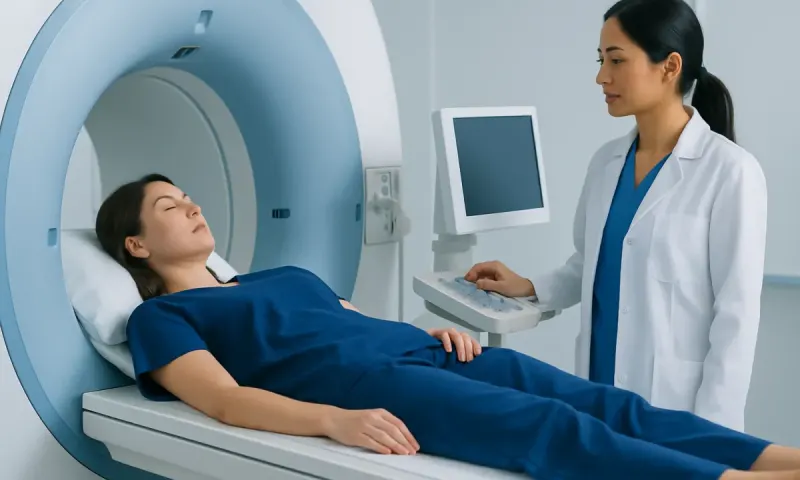
Ovarian Cyst Causes: From Ovulation to Endometriosis
Ovarian cysts are fluid-filled sacs that develop in or on an ovary. Most are linked to the normal menstrual cycle and resolve without treatment, while others may be associated with conditions such as endometriosis, pregnancy or pelvic infection.
Overview: What Causes Ovarian Cysts?
Ovarian cyst causes most commonly involve normal ovulation. During the menstrual cycle, the ovaries form small structures that release eggs and produce hormones; sometimes one of these structures does not release the egg or does not shrink as expected, allowing it to fill with fluid and form a cyst.
These common cysts are called functional cysts. They are especially frequent during the reproductive years and usually disappear on their own over one or a few menstrual cycles. Finding an ovarian cyst does not automatically mean that there is a serious health problem.
Other cysts can develop because of endometriosis, pregnancy, pelvic infection, benign ovarian growths or, less commonly, cancer. A clinician considers the person’s age, symptoms, medical history and ultrasound appearance to understand the likely cause and decide whether observation, follow-up or treatment is appropriate.
How Normal Ovulation Can Lead to a Cyst
Each month, several follicles begin developing in the ovaries. A follicle is a small, fluid-filled sac containing an immature egg. Usually, one follicle becomes dominant, releases an egg at ovulation and then changes into a hormone-producing structure called the corpus luteum.
A follicular cyst can form when the follicle does not release its egg and continues to grow. A corpus luteum cyst can develop after ovulation when the corpus luteum seals and fills with fluid or blood. Both are functional cysts and commonly settle without intervention.
Hormonal changes and irregular ovulation can make functional cysts more likely. They may occur around puberty and in the years before menopause, when cycles can be less predictable. Hormonal contraceptives that reliably suppress ovulation may reduce the likelihood of new functional cysts, although they do not make every type of cyst disappear.
Functional cysts usually cause no symptoms. If a cyst becomes larger, leaks fluid, bleeds or twists the ovary, it may cause pelvic discomfort or sudden pain and should be assessed promptly.
Other Causes and Risk Factors

Not every ovarian cyst is linked directly to routine ovulation. Endometriosis, a condition in which tissue similar to the uterine lining grows outside the uterus, can cause ovarian endometriomas. These cysts may contain old blood and are sometimes called “chocolate cysts.” They can be associated with pelvic pain, painful periods and difficulties with fertility.
Pregnancy can also be associated with a corpus luteum cyst, particularly in early pregnancy. The corpus luteum supports early hormonal changes and often resolves as the pregnancy progresses. A cyst found during pregnancy is assessed carefully, with management based on its appearance, size, symptoms and stage of pregnancy.
Pelvic inflammatory disease, usually caused by infection spreading from the reproductive tract, can occasionally lead to a collection of infected fluid involving an ovary and fallopian tube. This is different from a routine functional cyst and needs timely medical care. Risk may also be higher with fertility treatments that stimulate the ovaries, because more follicles may develop.
- Reproductive age and ongoing ovulation
- A previous ovarian cyst
- Endometriosis
- Pregnancy
- Fertility medicines that stimulate ovulation
- Pelvic infection
- Some inherited cancer syndromes or a strong family history of ovarian or breast cancer
A risk factor does not mean a cyst will develop, and many ovarian cysts occur without any identifiable risk factor. Menopause does not cause cysts, but a newly detected ovarian mass after menopause deserves medical evaluation because the approach differs from that used before menopause.
Symptoms and How Ovarian Cysts Are Diagnosed
Many ovarian cysts are discovered incidentally during a pelvic examination or imaging performed for another reason. When symptoms occur, they may include one-sided pelvic aching, lower abdominal pressure or bloating, pain during sex, changes in periods or discomfort when passing urine or opening the bowels. These symptoms are common and can have many causes besides a cyst.
A cyst that ruptures may cause sudden pain. If an ovary twists around its supporting tissues, known as ovarian torsion, pain may be sudden and severe and can occur with nausea or vomiting. These symptoms require urgent assessment because torsion can affect the ovary’s blood supply.
Assessment usually begins with a discussion of symptoms, periods, pregnancy possibility and relevant medical history. A pelvic examination may be recommended, although it cannot reliably determine a cyst’s exact type or size. A pregnancy test and blood tests may be used when clinically appropriate.
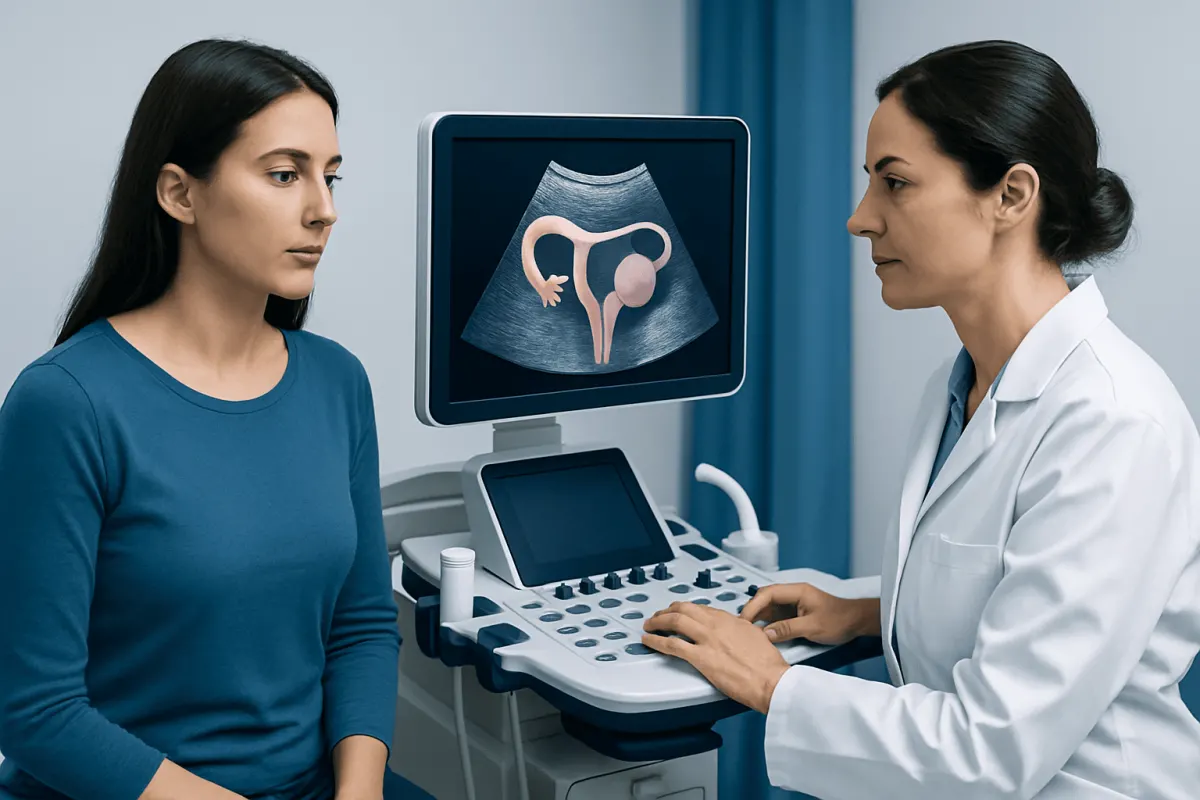
Pelvic ultrasound, often including transvaginal ultrasound, is the main imaging test. It can show whether a cyst is simple and fluid-filled, contains blood, has solid areas or needs closer review. Follow-up imaging, specialist assessment or additional tests may be advised depending on the findings and the person’s age.
Treatment Options and When a Procedure May Be Considered
Treatment is based on the likely cyst type, size, ultrasound features, symptoms, age and plans for future pregnancy. For a simple cyst that appears benign and is not causing troublesome symptoms, watchful waiting with repeat ultrasound may be all that is needed. Pain relief may be recommended by a clinician when appropriate.
Hormonal contraception may be considered for some people who have recurrent functional cysts, mainly by reducing future ovulation. It does not usually shrink an existing functional cyst. Cysts caused by endometriosis or other underlying conditions may require management directed at the underlying condition as well.
Surgery may be recommended when a cyst is large, persistent, painful, complex on imaging, suspected to be twisted or ruptured with significant bleeding, or concerning for cancer. The goal is generally to remove the cyst while preserving healthy ovarian tissue whenever this is safe and appropriate. More extensive surgery may be needed in selected circumstances.
For a fuller discussion of evaluation and management, see ovarian cyst diagnosis and treatment. Decisions should be individualized with a gynecologist, particularly for people who are pregnant, have fertility concerns or have reached menopause.
Ovarian Cyst Surgery: How It Works, Recovery and Risks
When surgery is needed, the most common approach is laparoscopic cystectomy. Under general anesthesia, the surgeon makes a few small abdominal incisions, inserts a camera and specialized instruments, and removes the cyst. Tissue may be sent to a laboratory for examination. In some cases, an open operation with a larger incision is safer, especially for a very large mass or when cancer is a concern.
Before surgery, the care team reviews ultrasound results, medical history, medications, pregnancy status and anesthesia considerations. The person may have blood tests or further imaging. The procedure plan includes whether the aim is cyst removal alone, ovary removal if necessary, or additional steps based on findings during surgery.
Recovery after laparoscopy is often quicker than after open surgery, but timelines vary. Many people return home the same day or after a short stay following laparoscopy and gradually resume light activities over the following days to weeks. Open surgery usually requires a longer hospital stay and recovery period. The surgical team provides individualized guidance about work, exercise, driving, wound care and sexual activity.
Potential benefits include relief of symptoms, confirmation of the diagnosis and treatment of complications. Risks include bleeding, infection, blood clots, injury to nearby organs, anesthesia reactions, scar tissue and possible effects on ovarian reserve. Acıbadem Health Point’s multidisciplinary specialists and JCI-accredited hospitals assess and treat ovarian cysts for international patients, including when ovarian cyst surgery is considered appropriate.
Can Ovarian Cysts Be Prevented?
Most functional ovarian cysts cannot be completely prevented because they are part of the ovulation process. There is no proven diet, supplement or home remedy that reliably prevents or dissolves ovarian cysts. Trying unproven treatments may delay appropriate assessment when symptoms need medical attention.
Regular gynecological care can help people discuss menstrual changes, pelvic pain and family history. Hormonal methods may be an option for some people with recurrent functional cysts, but the choice depends on overall health, contraceptive needs and personal preferences.
Reducing the risk of sexually transmitted infections through safer-sex practices and seeking early treatment for symptoms of infection may help lower the risk of pelvic inflammatory disease. Anyone receiving fertility treatment should discuss the possibility of ovarian enlargement and cyst formation with their fertility team.
It can be useful to note new pelvic symptoms, their timing in relation to periods and what makes them better or worse. This information can help a clinician distinguish between a temporary cycle-related symptom and a concern that needs further testing.
When to Seek Medical Care
Routine medical review is appropriate for persistent or recurring pelvic pain, bloating, pain during sex, unexplained changes in periods, feeling full quickly or a new pelvic pressure sensation. These symptoms do not necessarily indicate an ovarian cyst, but they deserve evaluation if they continue or affect daily life.
Urgent medical care is needed for sudden severe pelvic or abdominal pain, especially if it occurs with nausea, vomiting, fever, fainting, dizziness, weakness, heavy vaginal bleeding or a rigid abdomen. These symptoms may indicate a ruptured cyst, ovarian torsion, infection, ectopic pregnancy or another urgent condition.
Anyone who is pregnant, postmenopausal or has a personal or strong family history of ovarian or breast cancer should discuss a newly found ovarian cyst with a qualified doctor. Early, careful assessment helps ensure that follow-up and treatment are appropriate to the individual situation.
Frequently asked questions
01What is the most common cause of an ovarian cyst?
The most common cause is normal ovulation. A follicle may keep growing instead of releasing an egg, or the corpus luteum may fill with fluid after ovulation. These functional cysts are usually benign and often go away without treatment.
02Can stress cause ovarian cysts?
Stress is not considered a direct cause of ovarian cysts. Stress can affect menstrual regularity and may make symptoms feel harder to manage, but it does not usually explain a cyst on its own. Persistent pelvic symptoms should be discussed with a clinician.
03Are ovarian cysts cancerous?
Most ovarian cysts, particularly those in people who are still having periods, are not cancerous. Ultrasound features, age, symptoms and sometimes blood tests help clinicians estimate whether further assessment is needed. A new ovarian mass after menopause is evaluated more carefully.
04Can an ovarian cyst affect fertility?
Many functional cysts do not affect fertility. However, cysts related to endometriosis, severe pelvic infection or some ovarian conditions may be associated with fertility difficulties. A gynecologist can explain how a specific cyst and any proposed treatment may affect future fertility.
05Can ovarian cysts go away on their own?
Yes. Many simple functional cysts resolve naturally within one or a few menstrual cycles. A clinician may recommend repeat ultrasound to confirm that the cyst is shrinking or has disappeared, especially if it is larger or symptoms are present.
06When is an ovarian cyst emergency?
Sudden severe pelvic pain with vomiting, faintness, dizziness, fever or heavy bleeding needs urgent medical attention. These symptoms can occur with torsion, rupture, infection or other conditions that require prompt evaluation. It is safest not to wait for symptoms to settle if they are intense or worsening.
This article is for general information only and is not a substitute for professional medical advice. Please consult a qualified doctor about your individual situation.
Hair transplant in Turkey — costs, graft counts & a free assessment
JCI-accredited · board-certified surgeons · reply within 24h
Add us as a Preferred Source to see more of our trusted health content across Google Search, AI Overviews and Discover.