Ovarian Cyst Symptoms: Common Causes, Related Conditions, and When to See a Doctor

Have you ever felt a dull ache low on one side of your belly and wondered what it was? Ovarian cyst symptoms vary a lot. Some women feel nothing at all. Others notice pelvic pain, bloating, pressure, or changes during the menstrual cycle.
Here is the reassuring part: most ovarian cysts are harmless and go away on their own. But if you get sudden severe pain, or pain with fever, vomiting, or fainting, don’t wait — get checked urgently.
Overview: what ovarian cyst symptoms usually feel like
Ovarian cyst symptoms most often involve discomfort in the lower abdomen or pelvis, but many cysts do not cause any symptoms at all. When symptoms do appear, they may feel like pressure, fullness, bloating, or a dull ache on one side of the pelvis. Some people notice symptoms around ovulation or during their menstrual period, while others only learn they have a cyst during a routine examination or ultrasound.
An ovarian cyst is simply a fluid-filled sac in or on an ovary. Often it forms as a normal part of your menstrual cycle — we call these functional cysts, and they usually shrink without any treatment. That said, the symptoms can mimic other gynecologic problems, so if pelvic symptoms persist or worry you, have a doctor take a look.
What matters most isn’t whether a cyst exists — it’s what the cyst is doing. Is it causing pain? Growing? Twisting the ovary, rupturing, or showing features that need closer follow-up? Since symptoms range from mild to urgent, the pattern of your pain and what comes with it tell us more than any single symptom on its own.
Common symptoms and how they may present

The most commonly reported ovarian cyst symptoms include pelvic pain, abdominal bloating, and a feeling of pressure or heaviness in the lower abdomen. Pain may be dull and ongoing or intermittent and sharper at certain times, especially mid-cycle, during exercise, or during sexual intercourse. Some people describe discomfort mainly on one side, depending on which ovary is affected.
Other possible symptoms include pain before or during periods, difficulty fully emptying the bladder because of pelvic pressure, and discomfort with bowel movements if a larger cyst presses on nearby structures. Menstrual changes can happen, although they are not present in every case. Nausea can occur, especially if pain is more intense.
Symptoms may include:
- One-sided pelvic or lower abdominal pain
- Bloating or abdominal fullness
- Pelvic pressure or heaviness
- Pain during sex
- Pain around ovulation or menstruation
- Urinary frequency or difficulty emptying the bladder
- Discomfort during bowel movements
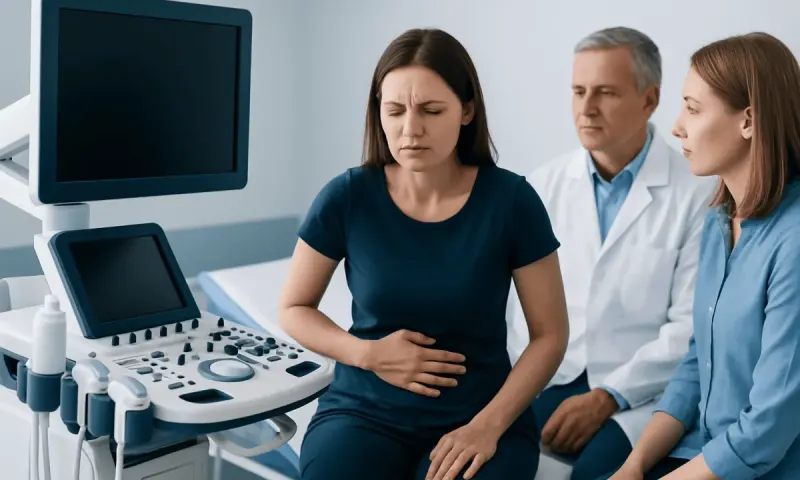
Most cyst-related pain isn’t dangerous. But sudden severe pain — especially with vomiting, dizziness, or fainting — may point to a complication rather than a routine cyst. So when you see a doctor, mention when the pain started, how strong it is, and what else you felt.
Why ovarian cysts happen and which conditions are related

The most common causes of ovarian cysts are normal hormonal changes related to ovulation. A follicular cyst can form when a follicle does not release an egg as expected, and a corpus luteum cyst can develop after ovulation. These are both types of functional cysts and are usually temporary.
Not every ovarian cyst is functional. Some cysts are related to other gynecologic conditions. Endometriomas can form in people with endometriosis, while multiple small cysts may be seen in polycystic ovary syndrome (PCOS). Benign growths such as dermoid cysts or cystadenomas can also occur. In some cases, pelvic symptoms that seem like a cyst may be caused by another issue entirely, such as fibroids, bowel conditions, urinary problems, or ovarian cancer, which is why proper diagnosis matters.
Risk factors for developing ovarian cysts or noticing symptoms may include reproductive age, hormonal fluctuations, pregnancy, endometriosis, a prior history of cysts, and fertility treatments in some situations. After menopause, an ovarian cyst is less likely to be functional, so doctors usually assess these cysts more carefully.
When symptoms may signal a complication
Most ovarian cysts are uncomplicated, but some can cause sudden or more serious symptoms. A cyst may rupture, leading to sudden pain and sometimes internal bleeding. Another important complication is ovarian torsion, where the ovary twists around the tissues that support it. Torsion can reduce blood flow to the ovary and is considered a medical emergency.
Symptoms of rupture or torsion can overlap and may include sudden severe pelvic pain, pain with nausea or vomiting, weakness, dizziness, shoulder pain, or fainting. Fever is not typical of a simple functional cyst and may suggest another problem such as infection or significant inflammation. Heavy vaginal bleeding or rapidly worsening symptoms also need prompt evaluation.
It can be difficult to tell the difference between severe ovarian cyst symptoms and appendicitis, ectopic pregnancy, kidney stones, or other causes of acute abdominal pain. Because of this overlap, it is safer to seek urgent care if pain is intense, abrupt, or accompanied by systemic symptoms.
How doctors diagnose ovarian cysts
Diagnosis begins with a medical history and a physical or pelvic examination. The doctor will ask about the timing of pain, menstrual patterns, pregnancy possibility, and symptoms such as bloating, urinary changes, or pain during sex. This helps narrow down whether a cyst is the likely cause or whether another condition may be involved.
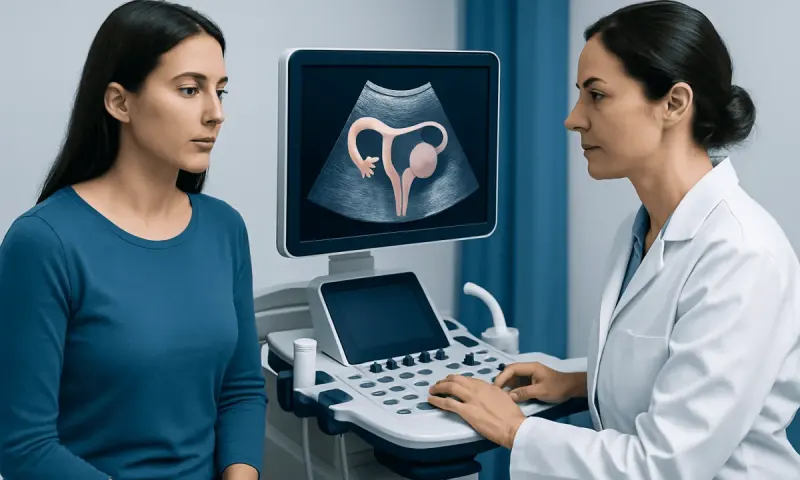
The most useful imaging test is usually a pelvic ultrasound, often performed transabdominally or transvaginally. Ultrasound can show the cyst’s size, location, and appearance, which helps distinguish a simple fluid-filled cyst from a more complex one. If symptoms are unclear or if the cyst has unusual features, additional imaging or blood tests may be recommended.
Depending on your age, menopausal status, and what the ultrasound shows, you may also need a pregnancy test, blood work, or tumor marker tests. The aim isn’t just to confirm a cyst is there — it’s to work out whether it’s likely benign, whether it explains your symptoms, and whether it needs watching or treating.
If a fuller gynecologic assessment is needed, doctors may use gynecology evaluation and follow-up alongside imaging and laboratory tests. This individualized approach helps avoid unnecessary treatment while identifying people who need closer care.
Treatment options and what follow-up may involve
Treatment depends on the type of cyst, the severity of symptoms, the cyst’s size and appearance, and the person’s age and reproductive plans. Many simple ovarian cysts in premenopausal women do not need immediate treatment and can be monitored with repeat ultrasound. Mild discomfort may be managed conservatively with rest and doctor-approved pain relief.
If symptoms persist, the cyst grows, or imaging suggests a more complex lesion, a specialist may recommend further evaluation or surgery. Surgery may also be advised if there is concern for torsion, rupture with significant bleeding, or a cyst that is unlikely to resolve on its own. The approach can range from removing only the cyst to removing the ovary in selected cases, depending on the situation.
When surgery is appropriate, minimally invasive options may sometimes be used, such as laparoscopic surgery, which can allow diagnosis and treatment through small incisions. If the cyst is linked to another condition, such as endometriosis or hormonal imbalance, management also focuses on the underlying problem rather than only the cyst itself.
For people with complex gynecologic symptoms, care may involve specialists in imaging, gynecology, and if needed obstetrics and gynecology care. Near the end of the care pathway, international patients may also seek evaluation at Acıbadem Health Point, where multidisciplinary specialists in JCI-accredited hospitals diagnose and treat ovarian cysts and related gynecologic conditions.
Self-care, monitoring, and when to seek medical care
If your symptoms are mild, self-care mostly means paying attention — track the pattern of discomfort, and don’t assume you know the cause. A symptom diary helps: note whether pain lines up with your period, activity, sex, or bowel and bladder symptoms. Gentle daily movement, hydration, and rest can ease things, but don’t ignore pain that won’t go away.
People should seek non-urgent medical evaluation if they have recurring pelvic pain, bloating that does not improve, menstrual changes, pain during sex, or pressure symptoms affecting urination or bowel movements. It is also reasonable to book an appointment if a prior cyst was found and symptoms have changed, or if symptoms continue beyond one or two cycles.
Urgent medical care is needed if there is sudden severe pelvic or abdominal pain, fainting, marked dizziness, vomiting, fever, or heavy bleeding. These symptoms may suggest a ruptured cyst, ovarian torsion, ectopic pregnancy, or another emergency. Anyone who is pregnant or might be pregnant should seek prompt medical advice for new pelvic pain.
Ovarian cyst symptoms are common and often manageable — but no two cases are the same. Let a clinician decide whether reassurance and follow-up are enough for you, or whether you need treatment right away.
Frequently asked questions
01Can ovarian cyst symptoms come and go?
Yes. Ovarian cyst symptoms can be intermittent, especially if they are related to ovulation, physical activity, or pressure on nearby organs. Some people notice discomfort only at certain times in the menstrual cycle, while others have no symptoms at all.
02Where is ovarian cyst pain usually felt?
Pain is often felt in the lower abdomen or pelvis, sometimes more on one side than the other. It may feel dull, achy, sharp, or like pressure rather than constant severe pain.
03Do ovarian cysts always cause bloating?
No. Bloating can happen, especially with larger cysts or pelvic pressure, but many cysts do not cause bloating. Because bloating has many causes, persistent symptoms should be evaluated rather than attributed to a cyst without confirmation.
04Can an ovarian cyst affect periods?
It can. Some people notice pain around periods, irregular bleeding, or cycle-related discomfort, especially with certain cyst types or related hormonal conditions. However, many ovarian cysts do not noticeably affect menstruation.
05How are ovarian cysts different from PCOS?
An ovarian cyst is a specific fluid-filled sac in or on the ovary, while PCOS is a broader hormonal condition that can involve multiple small follicles, irregular periods, and signs of excess androgens. The two are not the same, and a person can have one without the other.
06Can ovarian cysts go away without treatment?
Yes, many functional ovarian cysts resolve on their own over time. Doctors often recommend follow-up rather than immediate treatment when the cyst appears simple and symptoms are mild.
07When should someone worry about ovarian cyst symptoms?
Urgent assessment is important for sudden severe pain, pain with vomiting, fainting, dizziness, fever, or heavy bleeding. These symptoms may suggest a complication or another urgent condition and should not be managed at home without medical advice.
This article is for general information only and is not a substitute for professional medical advice. Please consult a qualified doctor about your individual situation.
Persistent digestive symptoms? Get evaluated in Turkey
JCI-accredited · board-certified surgeons · reply within 24h
Add us as a Preferred Source to see more of our trusted health content across Google Search, AI Overviews and Discover.