Ovarian Cancer Surgery Aims to Remove All Visible Disease
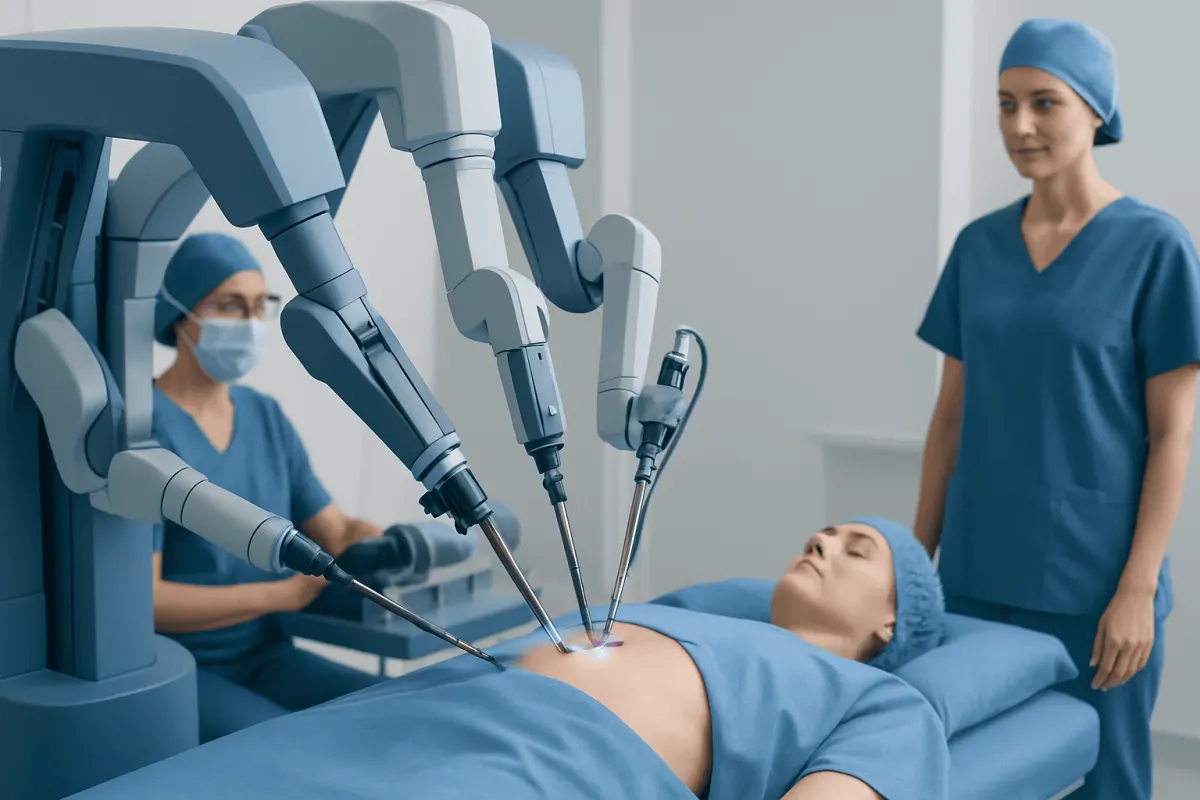
If you have just been told you need surgery for ovarian cancer, the first question is usually simple: what exactly will they take out? The aim is to remove the ovaries and as much visible cancer as can safely be removed. Nothing about the plan is off the shelf. The operation itself, your recovery plan and the results you can expect are shaped around the type of cancer, its stage, how it responds to treatment and your overall health.
Overview: What ovarian cancer surgery involves
Surgery does three jobs at once: it confirms the diagnosis, shows how far the cancer has spread, and removes cancerous tissue. For many people, it is the single most important part of treatment. The surgeon aims to remove the tumor and, where possible, all visible disease while protecting safety and function.
The exact operation varies widely. It may involve removing one or both ovaries and fallopian tubes, the uterus, nearby lymph nodes, the omentum (a fatty layer in the abdomen), and tissue or organs affected by cancer. This is often called cytoreductive or debulking surgery. It is usually performed by a gynecologic oncologist, a specialist in cancers of the female reproductive system.
Surgery may be performed before chemotherapy, after several cycles of chemotherapy, or occasionally during treatment for a recurrence. The treatment plan is developed using pathology results, imaging, surgical findings, the cancer subtype and stage, and the person’s wishes and general health. You can read more about the disease itself on our ovarian cancer page.
How the procedure works and who may be a candidate
Before surgery, the care team reviews symptoms, examination findings, blood tests, imaging scans and, when available, biopsy or fluid-sample results. CT scans are commonly used to estimate where disease may be located, although the full extent of ovarian cancer is sometimes only clear during the operation.
A person may be considered for primary surgery when the team believes visible disease can likely be removed safely and the person is well enough for a major operation. In other cases, chemotherapy may be recommended first. This approach, called neoadjuvant chemotherapy, can shrink cancer before interval debulking surgery and may make a complete operation more achievable.
Factors considered include the cancer’s apparent spread, tumor biology, nutritional status, heart and lung health, prior operations, daily functioning and personal priorities. Fertility-sparing surgery may be possible in carefully selected people with certain early-stage tumors, usually involving removal of only the affected ovary and fallopian tube while preserving the uterus and the other ovary.
- Staging surgery checks whether cancer has spread beyond the ovary.
- Debulking surgery removes visible cancer within the abdomen and pelvis.
- Interval surgery is performed after chemotherapy when surgery was not the best first step.
- Secondary cytoreductive surgery may be discussed for selected recurrences.
Step by step: what happens during ovarian cancer surgery
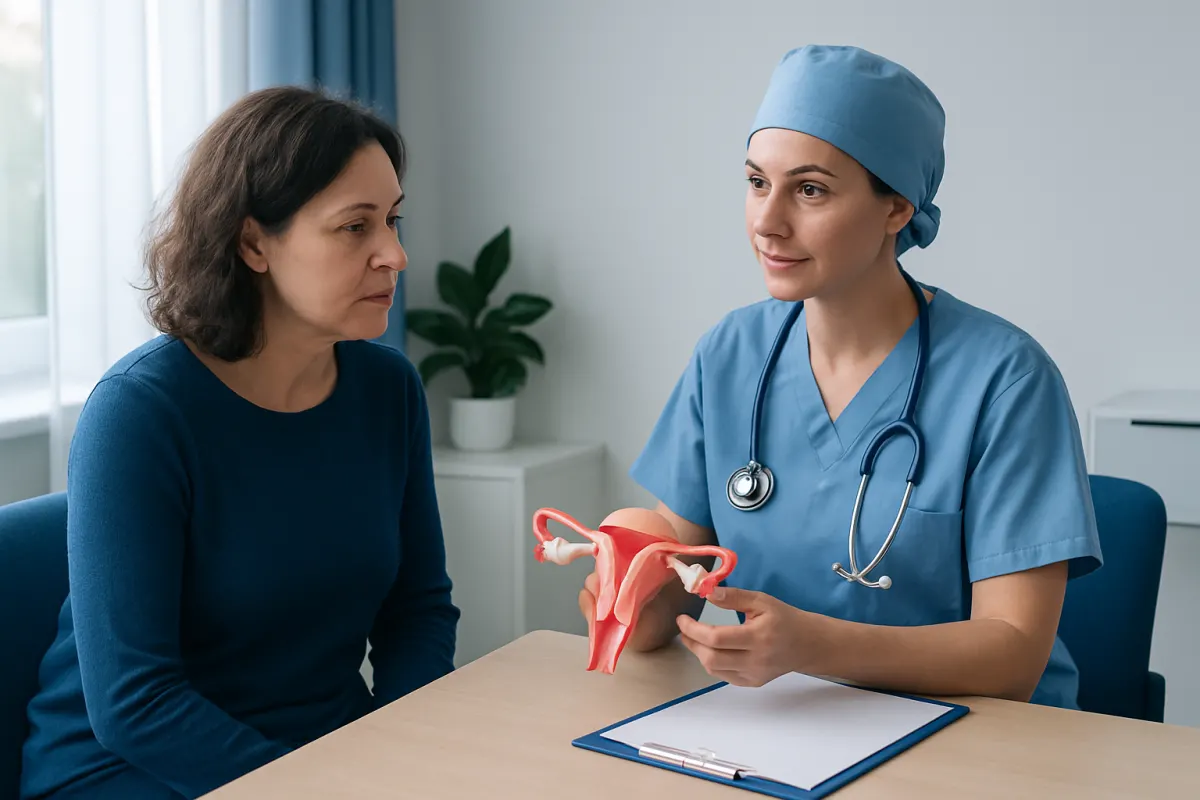
Almost all of these operations are done under general anesthesia, so you are asleep and feel nothing during the procedure. The surgeon commonly makes an incision down the abdomen to allow a careful examination of the pelvis and upper abdomen. Minimally invasive surgery may be suitable in selected diagnostic or early-stage situations, but open surgery is often needed when more extensive removal is planned.
The surgeon inspects the abdominal and pelvic organs and may collect fluid or washings for laboratory analysis. Tissue samples can be taken from areas where spread is suspected. Depending on the findings, surgery may include removal of the ovaries, fallopian tubes, uterus, omentum, selected lymph nodes, and visible deposits on abdominal surfaces.
If cancer involves nearby structures, parts of the bowel, bladder surface, diaphragm lining, spleen, liver surface or other tissues may require treatment. These decisions are made to achieve the best possible cancer clearance while maintaining safety. A colorectal surgeon, urologist, anesthesiologist, pathologist and other specialists may be involved when needed.
After removal, tissue is examined by a pathologist to identify the precise tumor type, grade and stage. These results help the oncology team recommend chemotherapy, targeted treatment, maintenance therapy, surveillance or another individualized next step. Ovarian Skin Cancer Treatment: Procedure, Recovery and Results" class="ahp-ilk">cancer treatment commonly combines surgery with systemic therapy when appropriate.
Recovery timeline, benefits and possible risks
How quickly you bounce back depends on how big the operation was, whether the bowel or other organs were involved, and how well you were beforehand. A hospital stay may range from a few days to longer after complex surgery. During this time, the team manages pain, encourages safe movement, monitors bowel and bladder function, and supports nutrition and prevention of blood clots.
At home, tiredness, reduced appetite, discomfort around the incision and temporary changes in bowel habits are common. Many people gradually resume light daily activities over several weeks, while recovery after extensive debulking surgery can take longer. The surgical team provides specific guidance about lifting, driving, bathing, wound care, sexual activity and returning to work.
The main benefit of surgery is reducing the amount of cancer remaining in the body and obtaining accurate staging information. For advanced epithelial ovarian cancer, the amount of disease left after surgery is closely linked with outcomes; however, the safest and most appropriate operation differs from person to person.
Possible complications include bleeding, infection, blood clots, injury to the bowel, bladder or ureters, wound problems, bowel blockage, fluid collections and anesthesia-related complications. Removal of both ovaries causes immediate menopause in people who have not already reached menopause. The team discusses individual risks before consent and advises when to seek help after discharge.
What are the common causes of abdominal pain after ovarian cancer surgery?
Abdominal pain after ovarian cancer surgery is often related to normal healing. The incision, internal tissues and abdominal muscles need time to recover, and gas used or trapped during surgery can cause pressure or shoulder-tip discomfort. Constipation, reduced movement, changes in diet and some pain medicines can also contribute to cramping or bloating.
After more extensive procedures, the bowel may take longer to return to its usual rhythm. Adhesions, which are bands of internal scar tissue, can occasionally contribute to later discomfort or bowel obstruction. Pain can also be associated with urinary infection, wound infection, fluid collections or other complications, so new or worsening symptoms should not be ignored.
Urgent medical advice is appropriate for severe or increasing pain, fever, persistent vomiting, a swollen abdomen, inability to pass stool or gas, heavy bleeding, redness or discharge from the wound, chest pain, shortness of breath, or one-sided leg swelling. The treating surgical team is best placed to assess symptoms in the early recovery period.
How successful is ovarian cancer surgery?
The success of ovarian cancer surgery is measured in several ways: whether cancer is accurately staged, whether all visible disease can be removed, whether surgery is completed safely, and how it contributes to long-term disease control. There is no single success rate to quote, because ovarian cancer covers many tumor types and stages, and every treatment path is different.
For many epithelial ovarian cancers, achieving no visible residual disease after debulking surgery is associated with better outcomes than leaving visible tumor behind. However, surgeons do not pursue extensive removal if the likely harms outweigh the potential benefit. In some situations, chemotherapy before surgery offers a safer path to effective cytoreduction.
Results are also influenced by tumor biology, response to chemotherapy, stage at diagnosis, general health and access to ongoing follow-up. A surgeon and medical oncologist can explain what the operative findings and pathology mean for an individual prognosis. Surgery is often only one part of care, alongside chemotherapy and, for some people, targeted or maintenance medicines.
Who is a survivor of stage 4 ovarian cancer?
A survivor of stage 4 ovarian cancer is any person living after a diagnosis of stage 4 disease, whether they are receiving treatment, have no evidence of disease after treatment, or are living with ovarian cancer as a controlled long-term condition. Survivorship does not have one universal definition, and people may use the term differently depending on their experience.
Stage 4 ovarian cancer means the disease has spread beyond the abdomen, such as to fluid around the lungs or to distant organs. It is serious, but outcomes vary substantially. Some people respond very well to combinations of surgery and systemic treatment and may have long periods of remission or stable disease.
Survivorship care includes regular reviews, management of treatment effects, attention to emotional wellbeing, sexual health, nutrition, activity and practical support. It can also include monitoring for recurrence and discussing new treatment options if cancer returns. Support from oncology nurses, psychologists, rehabilitation specialists and support groups can be valuable alongside medical treatment.
What is the likelihood of recurrence of ovarian cancer after 10 years?
Ovarian cancer recurrence after 10 years is possible, but the likelihood depends strongly on the type and stage of cancer, grade, molecular features, completeness of surgery and response to initial treatment. In general, recurrence is more common in advanced-stage epithelial ovarian cancer than in early-stage disease, and many recurrences happen within the first several years after treatment.
A long period without evidence of disease is encouraging, but it does not completely eliminate the possibility of a late recurrence. Some less common ovarian tumor types can have different patterns of recurrence, including later relapse. For this reason, follow-up plans are individualized rather than stopped solely because a certain number of years has passed.
Follow-up may include symptom review, physical examination and tests only when clinically indicated. Symptoms such as persistent bloating, new abdominal or pelvic pain, early fullness, unexplained weight change, altered bowel habits or shortness of breath should be discussed with a clinician, particularly for someone with a history of ovarian cancer.
When to seek medical care and continuing follow-up
People should seek medical assessment for persistent or frequent abdominal bloating, pelvic or abdominal pain, feeling full quickly, urinary urgency or frequency, or unexplained changes in appetite or bowel habits. These symptoms are common and usually have causes other than ovarian cancer, but they deserve assessment when they are new, ongoing or getting worse.
After surgery, prompt contact with the surgical team is important if symptoms suggest a complication, including fever, worsening abdominal pain, vomiting, wound drainage, heavy vaginal bleeding, inability to eat or drink, or signs of a blood clot. Emergency care is needed for chest pain, sudden shortness of breath, fainting or severe uncontrolled pain.
Follow-up appointments allow the team to review healing, pathology, further treatment and personal concerns. Acıbadem Health Point’s multidisciplinary specialists and JCI-accredited hospitals diagnose and treat ovarian cancer for international patients, with care plans coordinated across gynecologic oncology, medical oncology, surgery and supportive services.
Fertility, menopausal symptoms, rehabilitation, how you are coping emotionally, when you can get back to normal life — bring all of it to your follow-up visits. Nothing is too small to ask. The more openly you talk with your team, the clearer each stage of treatment becomes for you and your family.
Frequently asked questions
01How long does ovarian cancer surgery take?
The length of ovarian cancer surgery varies according to how much tissue needs to be removed and whether other organs are involved. A staging operation may be shorter than extensive debulking surgery, which can take many hours. The surgical team can give the most realistic estimate after reviewing imaging and the planned procedure.
02Will ovarian cancer surgery cause menopause?
Removing both ovaries causes immediate surgical menopause in people who have not reached natural menopause. Symptoms may include hot flashes, sleep changes, vaginal dryness and mood changes. Menopause management should be discussed with the oncology team because hormone treatment is not appropriate for every cancer type or situation.
03Can ovarian cancer surgery be done laparoscopically?
Laparoscopic or robotic surgery may be used in selected cases, particularly for diagnosis, assessment or some early-stage tumors. However, open abdominal surgery is commonly used when the surgeon needs broad access to remove visible cancer safely. The approach depends on the suspected extent of disease and the goals of surgery.
04Do all people need chemotherapy after ovarian cancer surgery?
Not all people need chemotherapy after surgery. The recommendation depends on the cancer type, stage, grade, surgical findings and other pathology results. Many people with advanced epithelial ovarian cancer receive chemotherapy as part of their treatment plan.
05Can ovarian cancer return after a complete surgery?
Yes. Even when all visible cancer is removed, microscopic cancer cells may remain and can lead to recurrence later. Additional treatment and long-term follow-up are used to reduce risk, detect concerns early and guide care if cancer returns.
06What should someone bring to an ovarian cancer surgery consultation?
It is helpful to bring imaging reports and discs, pathology reports, a medication list, prior operative notes if available, and details of medical conditions or allergies. A family member or trusted support person can help take notes. Patients may also wish to prepare questions about the surgical goal, expected recovery, fertility, menopause and next treatment steps.
This article is for general information only and is not a substitute for professional medical advice. Please consult a qualified doctor about your individual situation.
Oncology care in Turkey — second opinion and treatment plan
JCI-accredited · board-certified surgeons · reply within 24h
Add us as a Preferred Source to see more of our trusted health content across Google Search, AI Overviews and Discover.