Mastoid Surgery: Why It Is Done, Risks, and Recovery Steps

Mastoid surgery is an ear operation used to remove infected or abnormal tissue from the mastoid bone behind the ear. It is usually recommended when medicines alone are not enough or when ongoing ear disease threatens hearing and nearby structures.
Overview: what mastoid surgery is
Mastoid surgery, also called mastoidectomy, is a procedure performed to remove diseased air cells from the mastoid bone, which sits just behind the ear. These air cells connect with the middle ear. When infection or abnormal tissue spreads into this area, surgery may be needed to clear it safely.
The operation is most often carried out by an ear, nose, and throat surgeon with advanced ear surgery experience. It may be done on its own or combined with other procedures, such as eardrum repair or reconstruction of the hearing bones. In some cases, it is part of a broader plan that includes tympanoplasty to repair damage within the middle ear.
Mastoid surgery is not usually the first step for a simple ear infection. It is generally considered when ear disease becomes long-lasting, keeps coming back, causes complications, or does not improve enough with medicines and other treatments. The aim is to remove disease, control infection, and protect hearing and nearby important structures.
Why mastoid surgery may be needed
The most common reason for mastoid surgery is chronic middle ear disease. This can include repeated ear infections, persistent ear discharge, damage to the eardrum, or infection that spreads into the mastoid bone. A person may also need surgery if there is trapped skin growth in the middle ear called cholesteatoma, which can gradually erode bone and lead to serious complications if left untreated.
Another reason is infection or inflammation that has not responded well to antibiotics or ear drops. In some cases, imaging shows disease in the mastoid air cells even when the outer symptoms seem mild. The surgeon may recommend mastoid surgery to remove hidden infection and help create a stable, dry ear.
Mastoid surgery can also be considered when ear disease affects hearing, balance, or nearby nerves and tissues. It may help lower the risk of more serious problems, such as deeper infection, dizziness, facial weakness, or spread toward the inner ear and surrounding areas. If hearing problems are also present, the care plan may involve assessment for hearing loss and other ear-specific treatment decisions.
Symptoms and conditions linked to mastoid disease

People who need mastoid surgery often have symptoms that have lasted for a long time or keep returning. These may include repeated ear infections, ongoing drainage from the ear, a feeling of fullness, ear pain, reduced hearing, ringing in the ear, or balance disturbance. Some people notice a bad smell from ear discharge or a visible hole in the eardrum.
Not everyone has severe pain. In chronic ear disease, symptoms can be subtle but persistent. A doctor may suspect a problem in the mastoid area when an ear infection does not fully settle or when there is concern about structural damage inside the middle ear.
Several related conditions may be involved, such as otitis media, eardrum perforation, or cholesteatoma. These problems can overlap, and a careful ear examination helps identify whether mastoid surgery is likely to help.
- Repeated or long-term ear infections
- Persistent ear discharge
- Hearing changes or muffled hearing
- Pressure, fullness, or ear discomfort
- Dizziness or balance symptoms in some cases
- Findings of cholesteatoma or mastoid inflammation on examination or scans
How doctors diagnose the problem
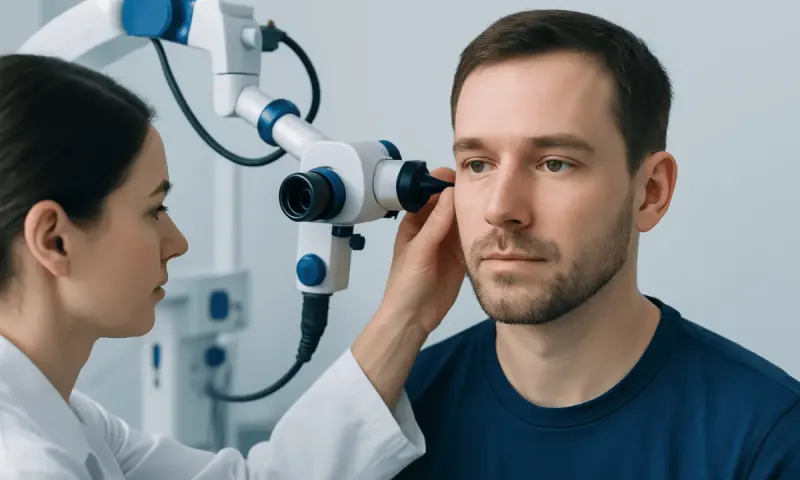
Diagnosis starts with a detailed history and ear examination. The doctor asks about infections, drainage, hearing changes, prior ear surgery, and symptoms such as dizziness or facial weakness. Examination often includes looking into the ear with an otoscope or a microscope to assess the eardrum, signs of infection, and possible cholesteatoma.
Hearing tests are commonly used to understand whether the middle ear or inner ear has been affected. These tests help guide treatment and provide a baseline before surgery. In many cases, imaging such as a CT scan of the temporal bone is important because it shows the mastoid air cells, the middle ear space, and how far disease may have spread.
The surgeon uses these findings to decide whether surgery is necessary and what type of operation is most suitable. Some people need a more limited procedure, while others need a more extensive one to clear disease fully. If balance symptoms or more complex ear conditions are involved, assessment through services such as neurotology may be part of the evaluation.
Types of mastoid surgery and what happens during the operation
There are different forms of mastoid surgery, and the exact approach depends on the disease. Broadly, surgeons may perform a simple or cortical mastoidectomy, a canal wall up mastoidectomy, or a canal wall down mastoidectomy. The choice is based on how extensive the disease is, whether cholesteatoma is present, and how best to create a safe, healthy ear.
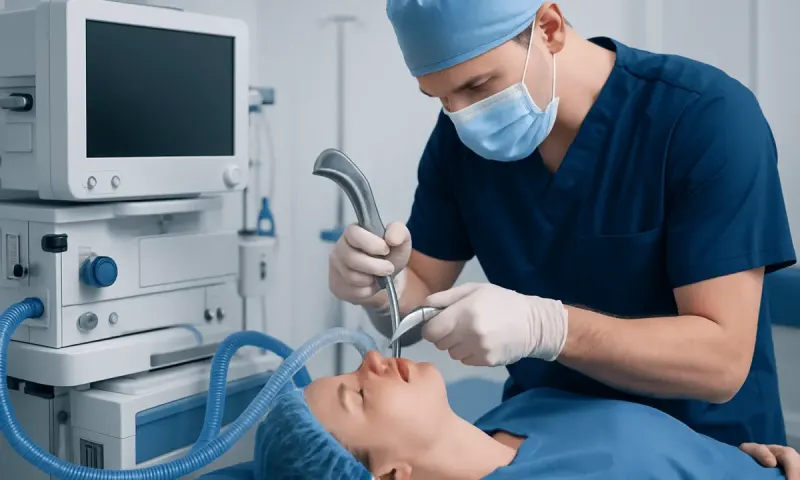
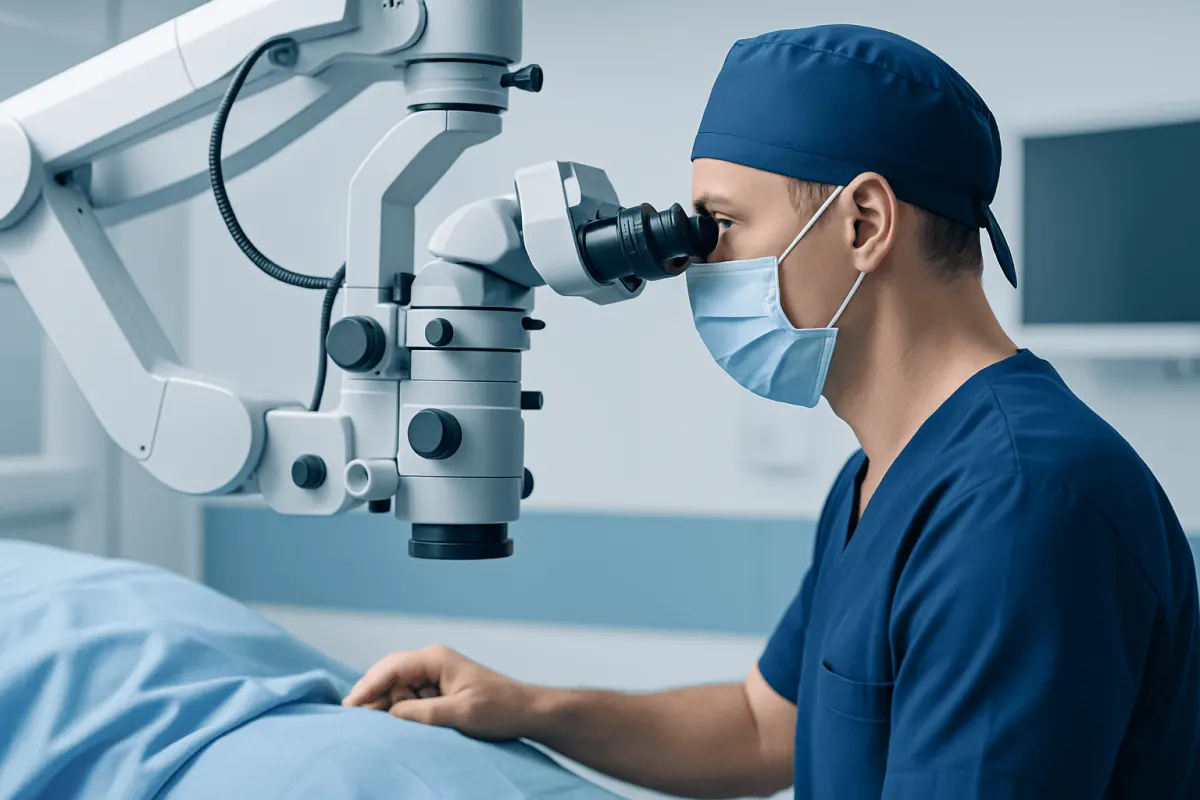
The operation is usually performed under general anesthesia. The surgeon commonly makes an incision behind the ear, then uses fine instruments and a surgical drill to remove infected or abnormal tissue from the mastoid air cells and middle ear area. If needed, the surgeon may also repair the eardrum, remove cholesteatoma, or reconstruct the small hearing bones.
In some situations, the procedure is combined with other ear operations. For example, eardrum repair or middle ear reconstruction may be done in the same session, while selected patients may require a staged operation to check for any remaining disease later. Patients who want to understand the procedure in more detail may discuss mastoid surgery options with their ENT surgeon, including whether additional reconstruction is likely during the same operation.
Risks and possible complications
Mastoid surgery is a well-established procedure, but all operations carry some risks. General surgical risks include bleeding, infection, pain, scarring, and reactions related to anesthesia. Most people recover without major problems, especially when the surgery is carefully planned and follow-up instructions are followed closely.
There are also ear-specific risks because the mastoid and middle ear are close to delicate structures. These may include changes in hearing, ringing in the ear, dizziness, altered taste, facial nerve weakness, continued ear drainage, or recurrence of cholesteatoma. In some cases, a second procedure is recommended later to check healing or remove any remaining disease.
The exact risk level depends on the reason for surgery, the extent of disease, previous ear operations, and whether the inner ear or nearby nerves are already affected. The surgeon explains the expected benefits and possible complications in relation to the individual case, helping the patient make an informed decision.
Recovery steps and self-care after mastoid surgery
Recovery after mastoid surgery is gradual. Many people go home the same day or after a short hospital stay, depending on the extent of surgery and their overall health. It is normal to have some ear fullness, mild discomfort, tiredness, or a temporary change in hearing while dressings and packing are in place.
Follow-up visits are important because the surgeon needs to check wound healing, remove packing if used, and look for any signs of persistent disease. The ear should usually be kept dry until the doctor says it is safe to get it wet. Patients are often advised to avoid heavy lifting, straining, nose blowing, and air travel for a period if their surgeon recommends this.
Helpful recovery steps often include:
- Taking prescribed medicines exactly as directed
- Keeping the wound and ear area clean and dry
- Sleeping with the head slightly elevated if advised
- Avoiding smoking and secondhand smoke, which can delay healing
- Reporting fever, worsening pain, bad-smelling discharge, severe dizziness, or facial weakness promptly
Healing time varies, but many people return to light daily activities within days to a couple of weeks, while full internal healing can take longer. If hearing reconstruction was part of the surgery, hearing improvement may not be immediate. In international care settings, centers such as Acıbadem Health Point offer diagnosis and treatment for ear disease through multidisciplinary specialists in JCI-accredited hospitals.
When to see a doctor and can mastoid problems be prevented?
A doctor should assess ear symptoms that do not improve, keep recurring, or involve discharge, hearing changes, or dizziness. Prompt evaluation is especially important if there is swelling behind the ear, severe pain, fever, facial weakness, or sudden worsening of symptoms. Early treatment can reduce the chance of complications and may prevent more extensive surgery.
Not all mastoid problems can be prevented, but good ear care does help. Treating middle ear infections properly, attending follow-up appointments, and seeking review for persistent eardrum problems are practical steps. People with repeated ear disease should avoid inserting objects into the ear and should ask a doctor before using ear drops not specifically prescribed for them.
Long-term prevention focuses on managing the underlying ear condition and keeping regular ENT follow-up when advised. In some patients, ongoing specialist ear care, hearing monitoring, or balance assessment through services such as neuro-otology can support safer long-term outcomes.
Frequently asked questions
01Is mastoid surgery a major surgery?
Mastoid surgery is a significant ear operation, but it is also a routine and well-established procedure for ENT surgeons who specialize in ear disease. How extensive it is depends on the amount of infection or abnormal tissue present and whether additional repair is needed.
02How long does it take to recover from mastoid surgery?
Early recovery often takes days to a couple of weeks, but complete healing inside the ear can take several weeks or longer. Follow-up visits are important because the surgeon needs to monitor healing and check for any remaining disease.
03Will mastoid surgery improve hearing?
It can help protect or improve hearing in some people, especially if disease in the middle ear is treated and damaged structures are repaired. However, hearing results vary, and the main goal is often to remove disease and create a safe, dry ear.
04Is mastoid surgery painful?
Most people have mild to moderate discomfort rather than severe pain. Pain is usually manageable with medicines recommended by the surgical team, and it tends to improve over the first several days.
05Can cholesteatoma come back after mastoid surgery?
Yes, cholesteatoma can recur or small remnants can remain, which is why follow-up is essential. Some patients need a planned second-look procedure or periodic monitoring with examination and imaging.
06When should someone call the doctor after surgery?
A patient should contact the doctor if there is worsening pain, fever, increasing redness or swelling, heavy bleeding, bad-smelling discharge, severe dizziness, or facial weakness. These symptoms do not always mean a serious problem, but they should be assessed promptly.
This article is for general information only and is not a substitute for professional medical advice. Please consult a qualified doctor about your individual situation.
Explore treatments in Turkey — costs, top hospitals & a free quote
JCI-accredited · board-certified surgeons · reply within 24h
Add us as a Preferred Source to see more of our trusted health content across Google Search, AI Overviews and Discover.