Numbing of Mouth: Common Causes and When to Seek Care
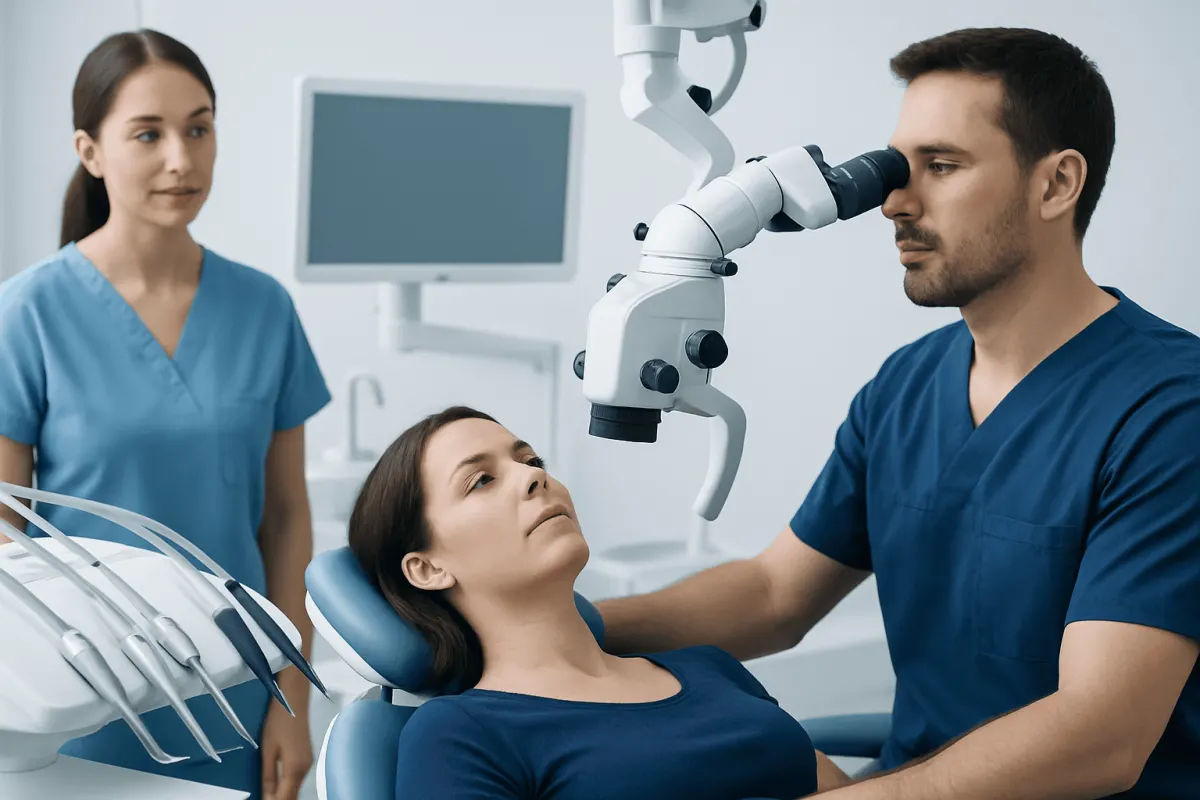
Numbing of mouth can happen after dental treatment, from local irritation, migraine, anxiety-related overbreathing, or nerve-related conditions. While it is often short-lived, sudden numbness with facial weakness, speech difficulty, or other neurological symptoms requires emergency care.
What does numbing of mouth mean?
Numbing of mouth describes reduced or altered feeling in the lips, tongue, gums, cheeks, palate, or inside of the mouth. It may feel like tingling, pins and needles, heaviness, reduced sensitivity, or a sensation similar to the effect of dental anesthetic. The symptom can involve a small area or a larger part of the mouth and face.
Many episodes are temporary and have a straightforward explanation, such as a local anesthetic used during dental care. However, numbness can also occur when a nerve is irritated, compressed, inflamed, or affected by a medical condition. The pattern matters: sudden onset, symptoms on one side, recurrence, and accompanying weakness or difficulty speaking all provide important clues.
It is helpful to note when the numbness began, whether it is improving, and whether it affects the tongue, lips, face, teeth, or other body areas. This information can help a healthcare professional decide whether the cause is likely dental, neurological, metabolic, allergic, or related to another concern.
Common triggers of mouth numbness
The most common cause is local anesthetic after dental work. Numbness in the lips, cheek, tongue, or jaw can continue for several hours after fillings, root canal treatment, tooth extraction, or other procedures. It should gradually wear off as the anesthetic leaves the body. During this time, it is sensible to avoid hot drinks and to take care not to bite the lip, cheek, or tongue.
Minor irritation or trauma may also affect sensation. Examples include biting the tongue or cheek, burns from very hot food, mouth ulcers, swelling around an infected tooth, or pressure from dental appliances. In some cases, infection or inflammation near a tooth can irritate nearby nerves and cause discomfort alongside altered feeling.
Other possible triggers include migraine aura, hyperventilation during anxiety or panic, and certain medicines. Rapid breathing can temporarily change carbon dioxide levels in the blood and may cause tingling around the mouth and in the hands. Less commonly, nutritional deficiencies, diabetes, autoimmune conditions, viral infections, or nerve disorders may contribute to ongoing or recurrent oral numbness.
Symptoms that occur after dental treatment but do not begin to improve, or that remain after the expected anesthetic effect has passed, should be reported to the treating dentist. A clinician can assess whether local swelling, tissue injury, or nerve irritation may be involved.
The role of nerves and symptom patterns

Sensation in the mouth and face is mainly carried by branches of the trigeminal nerve. Different branches supply the forehead, cheek, jaw, teeth, gums, lips, and tongue. This is why the location of numbness can help distinguish between a local dental issue and a wider neurological problem.
For example, numbness limited to the lower lip, chin, gum, or tongue may occur after treatment involving lower teeth or the jaw, where nearby nerves can be affected by local anesthetic, inflammation, or surgical procedures. Numbness that also extends into an arm or leg, or involves weakness on the same side of the body, is more concerning and needs urgent assessment.
Migraine can cause temporary sensory changes, sometimes before or during a headache. These may include tingling that spreads across the face, lips, tongue, or hand. Nevertheless, a first episode of sudden facial or mouth numbness should not be assumed to be migraine without medical evaluation, particularly in people with stroke risk factors or new neurological symptoms.
Persistent altered sensation can also be associated with conditions affecting peripheral nerves. Diabetes, low vitamin B12 levels, thyroid disorders, and some neurological illnesses are among the possibilities a clinician may consider, depending on a person’s overall health and examination findings.
Red flags that need urgent attention
Sudden numbing of mouth can be a warning sign of stroke, especially when it occurs with facial drooping, weakness or numbness in an arm or leg, confusion, difficulty speaking or understanding speech, loss of balance, severe sudden headache, or changes in vision. These symptoms should be treated as an emergency, even if they improve after a few minutes. Prompt assessment is important because some transient episodes may be a warning of a future stroke.
Seek emergency help immediately if mouth numbness starts suddenly and is accompanied by trouble breathing, throat tightness, widespread hives, swelling of the lips or tongue, faintness, or wheezing. These may be signs of a severe allergic reaction and require urgent treatment.
Urgent medical or dental assessment is also appropriate for numbness after facial or jaw injury, severe tooth pain with facial swelling, fever, difficulty opening the mouth, or trouble swallowing. These symptoms may indicate infection, trauma, or another problem that should not be managed at home.
- Call emergency services for sudden numbness with signs of stroke or a severe allergic reaction.
- Seek same-day clinical advice for numbness with significant facial swelling, fever, trauma, or worsening pain.
- Arrange assessment for numbness that persists, recurs, or has no clear explanation.
How clinicians assess numbing of mouth
A dentist or doctor will usually begin by asking about the onset, duration, location, and progression of symptoms. They may ask about recent dental procedures, injuries, headaches, infections, medicines, medical conditions, and whether numbness affects other parts of the body. Details about speech, swallowing, vision, strength, balance, and breathing are particularly important when symptoms began suddenly.
The examination may include checking sensation and movement in the face, mouth, tongue, and limbs. A dental examination may look for tooth decay, gum disease, abscesses, oral injury, jaw problems, or signs of infection. Depending on the situation, blood tests may be used to check for diabetes, vitamin deficiencies, thyroid disease, or other contributors to nerve symptoms.
When a neurological cause is possible, the clinician may arrange brain or blood-vessel imaging, such as CT or MRI, particularly when stroke or transient ischemic attack is suspected. Dental X-rays or other oral imaging may be useful when symptoms are linked to teeth, the jaw, or a recent procedure.
Diagnosis is based on the full clinical picture rather than numbness alone. This is why self-diagnosis is not reliable when symptoms are new, unusual, persistent, or associated with other changes in health.
Treatment and practical self-care
Treatment for numbing of mouth depends on the cause. When numbness follows routine dental anesthesia, it typically resolves without treatment. Protecting the numb area is the main priority: wait until sensation returns before chewing, avoid hot foods and drinks, and supervise children carefully because they may accidentally bite their lips or tongue.
If a dental infection, inflamed tissue, or dental injury is responsible, treatment focuses on the underlying problem. This may include dental care to manage the affected tooth or gum area. For persistent symptoms after dental procedures, the dentist may monitor recovery, evaluate nerve function, and consider referral when appropriate.
For conditions such as migraine, diabetes, or vitamin deficiency, care is directed toward managing the identified condition and reducing future episodes. If stroke is suspected, rapid hospital assessment and specialist treatment are essential. Information about stroke can help patients and families recognize why sudden neurological symptoms require immediate action.
It is generally best not to apply strong topical products, use unprescribed medicines, or repeatedly test numb areas by biting or poking them. Keeping a brief record of episodes, including triggers and accompanying symptoms, can be useful at a medical appointment.
When to seek medical care
Emergency care is needed for sudden mouth or facial numbness with weakness, facial drooping, speech problems, confusion, severe headache, vision changes, or loss of coordination. These may be symptoms of a stroke or transient ischemic attack and should be assessed immediately, even if they resolve quickly.
Contact a dentist promptly if numbness starts after dental treatment and lasts longer than expected, gets worse, or is accompanied by increasing pain, swelling, fever, or difficulty swallowing. A doctor should assess numbness that is persistent, frequently recurring, unexplained, or associated with symptoms elsewhere in the body.
Acıbadem Health Point’s multidisciplinary specialists and JCI-accredited hospitals diagnose and treat neurological, dental, and systemic causes of oral numbness for international patients. The appropriate specialist depends on the symptom pattern and may include emergency, neurology, dental, ear, nose and throat, or internal medicine teams.
Frequently asked questions
01Is numbing of mouth always caused by dental anesthesia?
No. Dental anesthetic is a common cause, especially after procedures involving teeth or gums, but mouth numbness can also result from irritation, migraine, anxiety-related hyperventilation, infections, nerve conditions, or other medical problems. New or persistent symptoms should be assessed by a qualified clinician.
02How long should mouth numbness last after a dental procedure?
The duration varies with the anesthetic used, the procedure, and the location treated, but it commonly fades gradually over several hours. If it does not begin to improve after the expected period, or if it is worsening, the person should contact the treating dentist.
03Can anxiety cause numb lips or tongue?
Yes. Anxiety can lead to rapid or deep breathing, also called hyperventilation, which may cause tingling or numbness around the mouth and in the hands. However, sudden, severe, or first-time numbness should not automatically be attributed to anxiety without medical assessment.
04Can a stroke cause numbness in the mouth?
Yes. Stroke can cause sudden numbness in the face, lips, mouth, or tongue, often on one side. If this happens with facial drooping, arm weakness, speech difficulty, confusion, vision changes, or balance problems, emergency services should be called immediately.
05What should someone avoid while their mouth is numb?
They should avoid chewing until sensation returns and take care with hot foods and drinks, as burns or accidental biting can occur without normal feeling. Children may need close supervision after dental anesthesia to prevent injury to the lips, tongue, or cheeks.
06Which doctor should assess persistent mouth numbness?
A dentist is often the right first contact when symptoms follow dental care, tooth pain, gum swelling, or jaw symptoms. A primary care doctor or neurologist may be appropriate when numbness is unexplained, recurrent, affects the face or body more widely, or occurs with neurological symptoms.
This article is for general information only and is not a substitute for professional medical advice. Please consult a qualified doctor about your individual situation.
Persistent digestive symptoms? Get evaluated in Turkey
JCI-accredited · board-certified surgeons · reply within 24h
Add us as a Preferred Source to see more of our trusted health content across Google Search, AI Overviews and Discover.