Norrie Disease: Symptoms, Causes, and Treatment Options
Your baby doesn’t seem to follow your face. There’s a white or pale glint in the pupil where you’d expect a dark centre. For some families, this is the first sign of Norrie disease — a rare inherited condition that mainly affects how the eyes develop before birth, and often causes severe vision loss or blindness from infancy.
The eyes aren’t always the whole story. Some children and adults also develop hearing loss or developmental challenges, which is why care usually means long-term follow-up with several specialists rather than a single visit.
Overview
Norrie disease is a rare genetic disorder that primarily affects the eyes. It disrupts normal retinal development before birth, so babies are often born with severe visual impairment or blindness in both eyes. The condition is present from birth, although the exact eye findings can vary from one child to another.
While the eye changes are the best-known feature, Norrie disease is not always limited to vision. Some people also develop progressive hearing loss later in childhood or adulthood. Others may have differences in development, learning, behavior, or balance, although these features are not present in every case.
Because more than one body system can be involved, care rarely stops after infancy. Over the years you may see pediatric ophthalmologists, genetic specialists, audiologists, neurologists, developmental experts and rehabilitation teams. Knowing the diagnosis early helps you understand what to expect and line up the right support.
How Norrie Disease Affects the Eyes, Hearing, and Development
The hallmark of Norrie disease is abnormal retinal formation. The retina is the light-sensitive tissue at the back of the eye that helps convert light into signals for the brain. In this condition, the retina does not develop normally, and the eyes may show a gray-yellow mass behind the lens, retinal detachment, bleeding inside the eye, cataract, or shrinkage of the eyeball over time.
Most affected infants have profound vision loss from birth or shortly afterward. In some cases, the eyes may also become irritated, painful, or develop increased pressure. That matters, because treatment isn’t only about vision. Keeping the eye comfortable and heading off secondary problems is just as much a part of the plan.
Outside the eyes, hearing changes are also a recognized part of Norrie disease. Hearing is often normal in infancy but may gradually decline later, especially in adolescence or adulthood. Some people also experience balance problems, delayed milestones, intellectual disability, or behavioral changes. No two children follow the same pattern. One child with severe eye findings may have only mild symptoms elsewhere; another may need much broader developmental support.
Symptoms and Signs
Symptoms of Norrie disease often become noticeable very early, usually at birth or in the first months of life. Parents or doctors may notice that the baby does not respond visually, has unusual pupils, or has abnormal findings on eye examination. In some cases, the eyes may look cloudy, small, or different in appearance.
Common signs and symptoms can include:
- Severe vision loss or blindness from birth or early infancy
- Abnormal retinal development
- Leukocoria, meaning a white or pale reflex seen in the pupil
- Retinal detachment or bleeding within the eye
- Cataract, glaucoma, or shrinking of the eyeball over time
- Progressive hearing loss, often developing later
- Developmental delay, learning difficulties, or behavioral differences in some individuals
- Occasional balance or coordination problems
Several eye disorders of infancy look similar, so a specialist needs to take a proper look. Doctors may also consider related pediatric retinal conditions such as retinoblastoma or other causes of leukocoria before confirming the diagnosis. The presence of hearing or developmental symptoms can provide additional clues, but they are not required for diagnosis.
Causes and Risk Factors
Norrie disease is caused by changes, also called mutations or pathogenic variants, in the NDP gene. This gene helps produce a protein involved in the normal development of blood vessels and tissues in the retina and inner ear. When the gene does not work properly, the eye may not develop as expected, and other systems can also be affected.
The condition is most often inherited in an X-linked pattern. This means the altered gene is located on the X chromosome. Because males usually have one X chromosome, they are more likely to develop the full condition if that chromosome carries the gene change. Females who carry one altered copy may have no symptoms or milder findings, though some carriers can show eye or hearing changes.
A family history of Norrie disease, unexplained congenital blindness, or a known NDP gene variant increases the likelihood that a baby may be affected. That said, plenty of families hear about the condition for the first time only when their first affected child is diagnosed. Genetic counseling is where you can talk through inheritance, carrier testing and options for future pregnancies.
Norrie disease belongs to a broader group of inherited eye conditions. Depending on the eye findings, doctors may compare it with inherited retinal disorders or other rare causes of childhood blindness, but the age at presentation and retinal changes in Norrie disease are usually distinctive.
Diagnosis
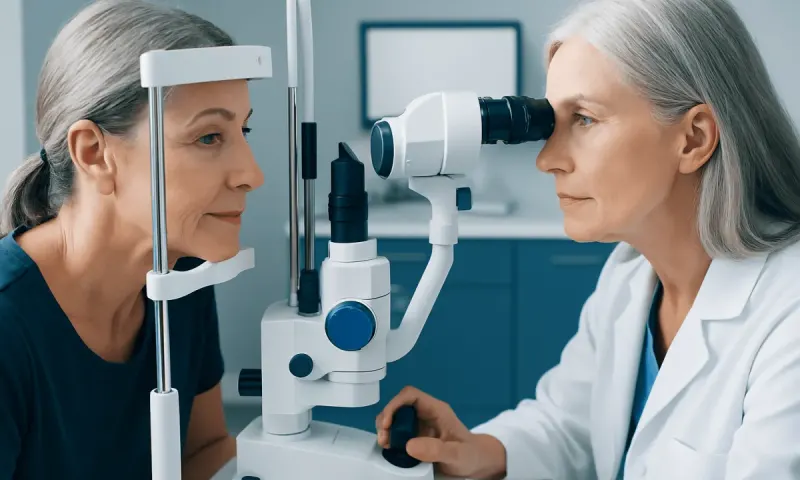
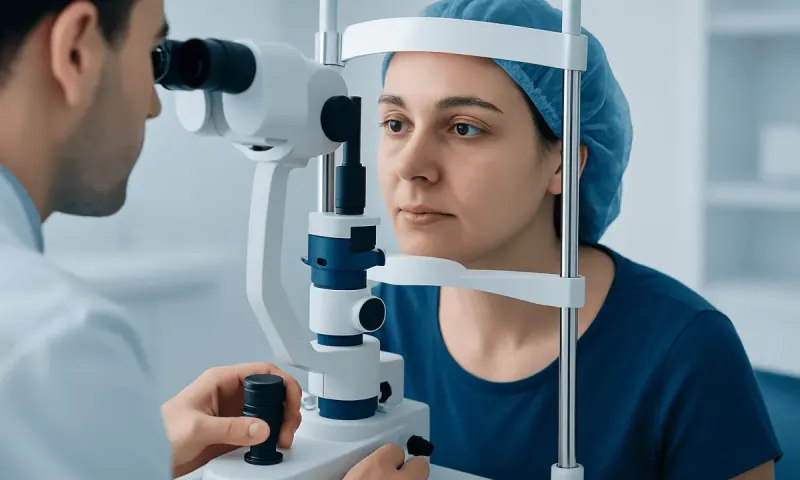
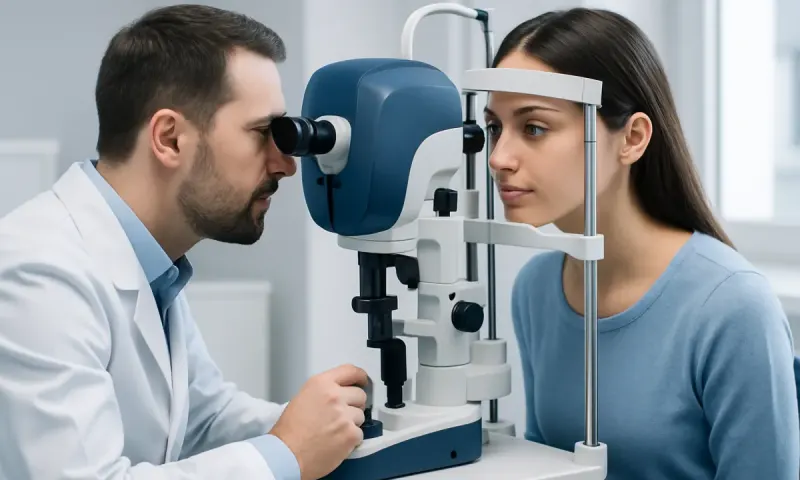
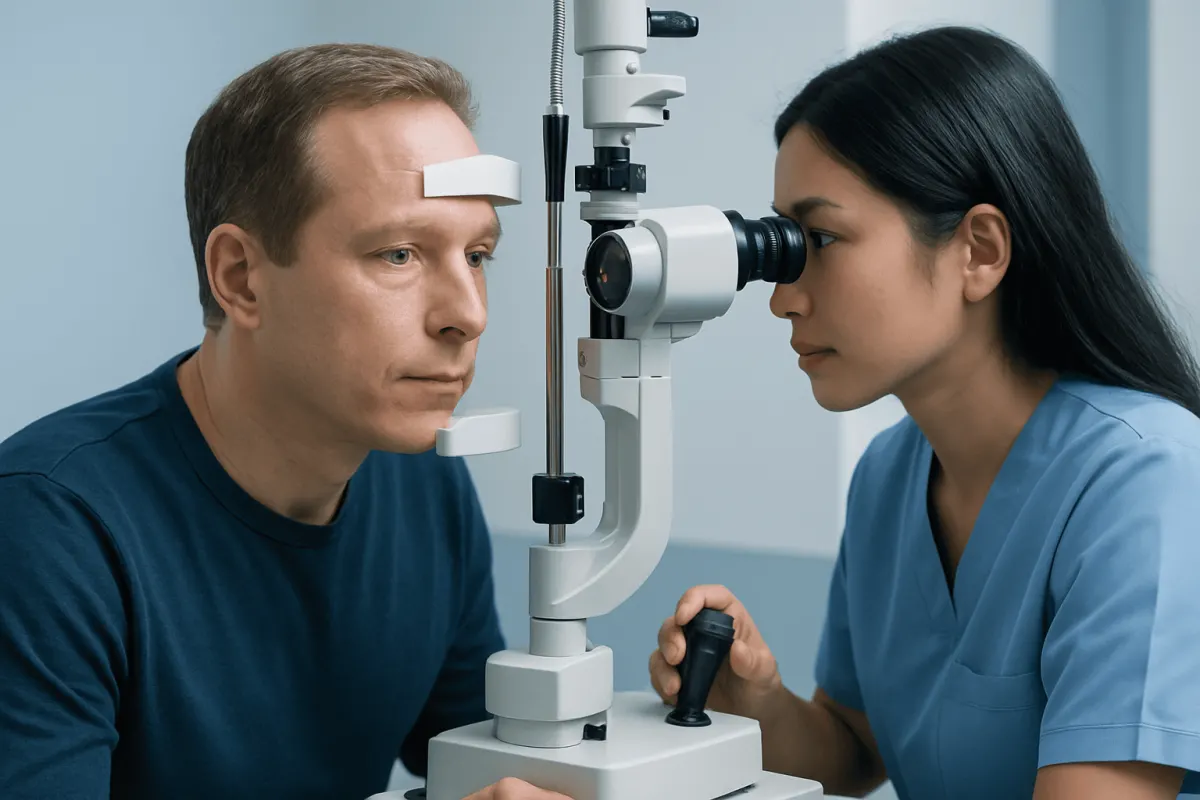
Diagnosis begins with a careful medical history and a detailed eye examination, often by a pediatric ophthalmologist or retinal specialist. Doctors look for characteristic findings such as retinal malformation, detachment, vitreous changes, or a mass-like appearance behind the lens. Because some newborn eye findings can resemble other serious conditions, accurate evaluation is important.
Imaging and specialized tests may be used to better understand the eye structure. Depending on the child’s age and needs, clinicians may perform ocular ultrasound, retinal imaging, or examinations under anesthesia. Hearing tests and developmental assessments may also be recommended, especially as the child grows older.
Genetic testing is a key part of confirming Norrie disease. Identifying a change in the NDP gene can support the diagnosis, guide family counseling, and help distinguish the disorder from other inherited eye diseases. In some families, testing may also be offered to parents, siblings, or other relatives who could be carriers.
If the retina needs very detailed assessment or if surgery is being considered, the care team may discuss advanced eye evaluation and procedures such as retinal examination and treatment. No single symptom settles the question. The diagnosis comes from putting clinical findings, imaging and genetic information together.
Treatment Options and Long-Term Care
There is currently no cure that reverses the underlying genetic cause of Norrie disease. Treatment focuses on preserving eye comfort, managing complications, monitoring hearing, and supporting development. The specific plan depends on the child’s symptoms, age, and whether there are painful or structurally threatened eyes.
For the eyes, treatment may include observation, protective care, or surgery in selected cases. Some children need treatment for complications such as glaucoma, cataract, retinal detachment, or inflammation. In advanced cases where an eye is painful and vision cannot be restored, care may focus on comfort and preventing further distress. Depending on the eye findings, specialists may consider procedures within eye surgery when this is likely to improve comfort or manage a complication.
Because hearing loss can emerge later, regular audiology follow-up is important even when hearing seems normal in early childhood. Hearing aids or other hearing support may be considered if changes develop. Developmental therapies, educational planning, low-vision or blindness support services, and family counseling can also play a major role in daily quality of life.
Care tends to involve several teams and to last for years. Some families look for coordinated evaluation at centers experienced in pediatric genetics, ophthalmology and neurology. Acıbadem Health Point’s multidisciplinary specialists and JCI-accredited hospitals diagnose and treat complex rare conditions for international patients when advanced assessment is needed.
Daily Living, Family Planning, and Self-Care
Although Norrie disease cannot be prevented once the genetic change is present, families can take practical steps to support health and development. Regular checkups with eye and hearing specialists allow problems to be recognized early. Developmental screening, speech support, mobility training, and educational services can help children build independence and communication skills.
At home, a safe and predictable environment can be very helpful for a child with severe visual impairment. Parents may use consistent room layouts, tactile cues, verbal routines, and early orientation training. Don’t overlook emotional support. Ongoing medical needs take a toll on the whole family, not just the child.
Genetic counseling is an important part of self-care at the family level. It can help explain whether relatives may be carriers, what recurrence risks may exist, and what testing options are available before or during pregnancy. Families who understand the inheritance pattern are often better prepared to make informed decisions.
As children grow, transition planning becomes important. Hearing should be monitored over time, and school support may need to change with age. Adults with Norrie disease may also benefit from continued audiology care, balance assessment, mental health support, and access to rehabilitation services.
When to Seek Medical Care
Medical evaluation is important whenever a newborn or infant seems not to fix on faces or lights, has an unusual white reflex in the pupil, or has eyes that appear cloudy or abnormal. These signs can have several causes, some of which require urgent assessment. Prompt examination by an eye specialist can help clarify the diagnosis and guide next steps.
Children already diagnosed with Norrie disease should be reviewed if they develop eye redness, pain, swelling, new sensitivity to light, or signs of rising eye pressure. Families should also mention any concerns about hearing, speech, school progress, balance, or changes in behavior, since non-eye features may appear gradually.
You don’t have to wait until several symptoms pile up before asking for help. Early referral to pediatric ophthalmology, genetics, and audiology can make long-term care more organized and supportive. If a family history of this condition is known, discussing testing and monitoring early in pregnancy or soon after birth may also be useful.
Frequently asked questions
01What is Norrie disease?
Norrie disease is a rare inherited disorder that mainly affects the development of the retina before birth. It usually causes severe vision loss or blindness from infancy and may also affect hearing and development in some people.
02Is Norrie disease genetic?
Yes. Norrie disease is usually caused by changes in the NDP gene and most often follows an X-linked inheritance pattern. This means it commonly affects males more severely, while some female carriers may have mild or no symptoms.
03Can Norrie disease be cured?
There is no cure that corrects the genetic cause of Norrie disease at this time. Treatment focuses on managing eye complications, monitoring hearing, and providing developmental and educational support.
04Does Norrie disease always cause blindness?
Norrie disease usually causes very severe vision impairment from birth or early infancy, often resulting in blindness. However, the exact degree of visual function and the course of eye complications can vary between individuals.
05Can hearing loss happen later in life?
Yes. Hearing may be normal in infancy and early childhood, but some people with Norrie disease develop progressive hearing loss later. Regular hearing checks are important because changes can appear gradually.
06How is Norrie disease diagnosed?
Doctors diagnose Norrie disease using a combination of eye examination, imaging, and genetic testing. Hearing tests and developmental assessments may also be recommended because the condition can affect more than the eyes.
07Should families consider genetic counseling?
Yes. Genetic counseling can help families understand inheritance, carrier status, and the chances of the condition affecting future children. It also helps explain available testing options for relatives or future pregnancies.
This article is for general information only and is not a substitute for professional medical advice. Please consult a qualified doctor about your individual situation.
Explore treatments in Turkey — costs, top hospitals & a free quote
JCI-accredited · board-certified surgeons · reply within 24h
Add us as a Preferred Source to see more of our trusted health content across Google Search, AI Overviews and Discover.