Norovirus Rash: When a Skin Change May Have Another Cause
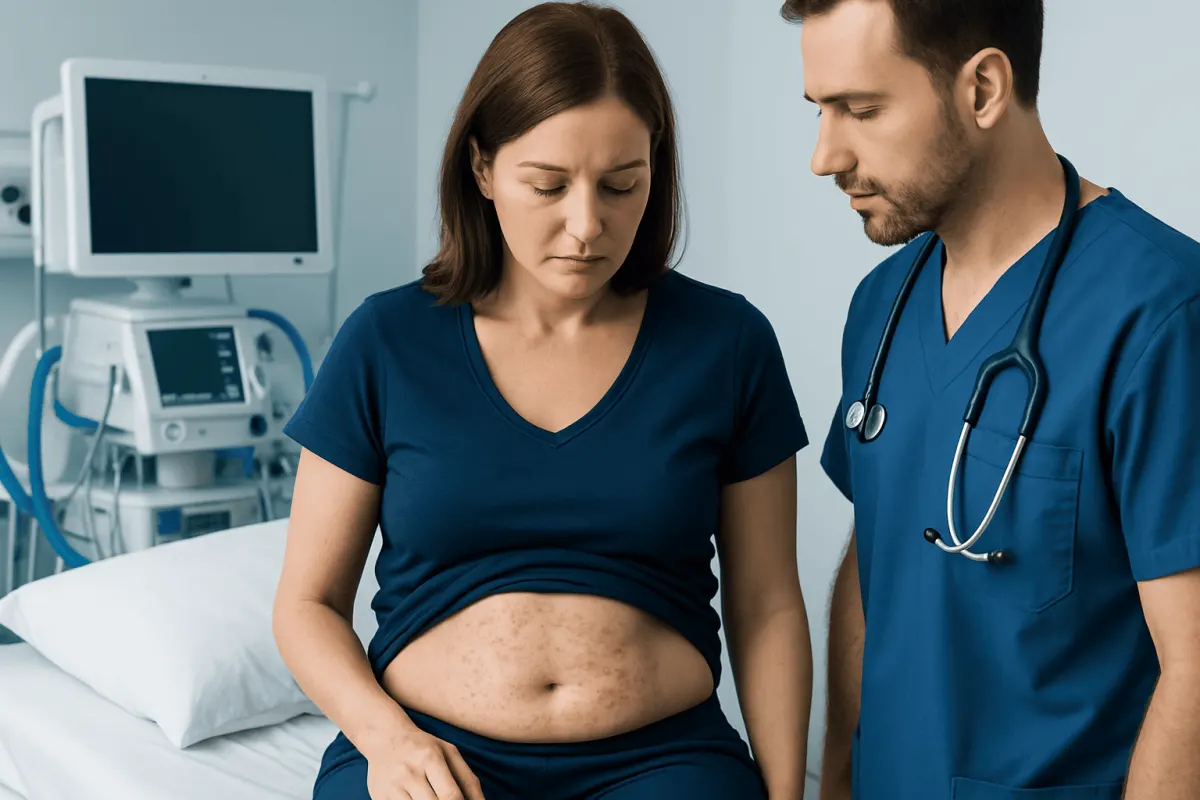
A norovirus rash is not considered a usual feature of norovirus gastroenteritis. When vomiting or diarrhea occurs with a rash, the skin changes may be caused by another viral illness, skin irritation, hives, a medicine reaction, or, less commonly, a condition requiring urgent assessment.
Norovirus Rash: What It Usually Means
Norovirus is a highly contagious virus that causes acute gastroenteritis, an inflammation of the stomach and intestines. Its most typical symptoms are sudden nausea, vomiting, watery diarrhea, stomach pain or cramps, and sometimes a mild fever, headache, or muscle aches. A rash is not a classic or expected symptom of norovirus.
If a person develops a rash while they have vomiting or diarrhea, both symptoms may occur at the same time without having the same cause. For example, another virus can cause both gastrointestinal symptoms and a skin eruption, while frequent wiping, sweating, soaps, or disinfectants can irritate the skin. In some cases, hives can appear during an infection because the immune system is activated.
It is important not to assume that every rash accompanying a stomach illness is harmless or caused by norovirus. The rash’s location, color, texture, speed of onset, and associated symptoms can offer useful clues. A clinician can assess whether testing or treatment is needed, particularly when the illness is severe, unusual, or affecting a child or medically vulnerable adult.
How a Rash May Look During a Stomach Illness
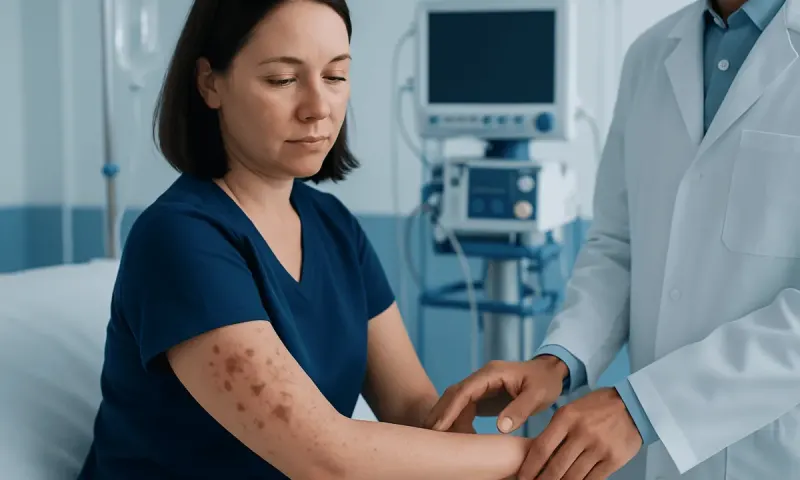
There is no single rash pattern that confirms norovirus. Some people may notice temporary itchy, raised welts known as hives. These can be pink, red, or skin-colored and may move from one area of the body to another over hours. Hives may occur with viral illnesses, but they can also be linked to foods, medicines, insect bites, or allergic reactions.
Other skin changes may be related to irritation rather than an internal illness. Repeated diarrhea can cause soreness, redness, or broken skin around the anus, especially in babies and young children. Handwashing, sanitizers, cleaning products, or prolonged exposure to moisture can also cause dry, itchy, or inflamed skin on the hands.
A fine widespread rash with fever may point toward a different infection. Small purple, red, or brown spots that do not fade when pressed should be evaluated urgently, especially when accompanied by fever, severe headache, neck stiffness, confusion, or marked illness. These signs are not typical of uncomplicated norovirus and need prompt medical assessment.
- Hives: raised, itchy welts that can change location.
- Irritant rash: red, dry, sore, or cracked skin after frequent cleaning or diarrhea.
- Viral exanthem: a more widespread flat or bumpy rash associated with some viral infections.
- Concerning spots: purple or red marks that do not blanch, particularly with fever or severe illness.
Common Triggers That Can Explain a Norovirus Rash

When gastrointestinal symptoms and a rash occur together, clinicians consider several possibilities. A person may have a viral infection other than norovirus, or more than one infection at the same time. Some respiratory and childhood viruses can cause fever, diarrhea, and a rash, so the full pattern of symptoms matters.
Hives are another possible explanation. Viral infections can sometimes trigger hives even when there is no true allergy. However, a new medication taken for fever, nausea, pain, or another condition can also cause a drug-related rash. A suspected medicine reaction should be discussed with a clinician or pharmacist; the person should not take another dose without appropriate advice if the rash appeared after starting a medicine.
Environmental contact is also common. Skin may react to fragranced wipes, soaps, laundry products, diapers, adhesive products, or surface cleaners. Rehydration drinks and foods rarely cause an allergy, but lip, tongue, or facial swelling, wheezing, or faintness after eating or drinking requires emergency care.
Food poisoning, bacterial intestinal infections, and inflammatory conditions may also produce diarrhea and systemic symptoms. Blood in stool, persistent high fever, intense localized abdominal pain, or symptoms lasting longer than expected are reasons to seek clinical evaluation rather than self-diagnosing norovirus.
Recognizing Norovirus and Dehydration
Norovirus symptoms often begin suddenly, usually after exposure to an infected person, contaminated food, water, or surfaces. Vomiting and watery, non-bloody diarrhea are common. Many people begin to feel better within a few days, although tiredness can last longer. Because vomiting and diarrhea can cause substantial fluid loss, preventing dehydration is a central part of care.
Adults and older children may notice thirst, dry mouth, dark yellow urine, urinating less often than usual, lightheadedness, weakness, or headache. Infants and young children may have fewer wet diapers, dry lips or tongue, unusually few tears when crying, sleepiness, or unusual irritability. Older adults and people with kidney disease, diabetes, or weakened immunity may become dehydrated more quickly.
Small, frequent sips of fluids are often easier to tolerate than large amounts at once after vomiting. Oral rehydration solutions can be useful because they contain a balanced amount of water and electrolytes. Breastfed infants should generally continue breastfeeding, while parents or caregivers should seek individualized advice for babies and young children who are unable to keep fluids down.
Norovirus itself is usually diagnosed from symptoms and exposure history. Laboratory stool testing is more likely when an outbreak is being investigated, symptoms are severe or prolonged, or another cause of diarrhea is suspected. A rash may prompt a separate skin and medication history, and occasionally additional tests.
Supportive Care for the Stomach Symptoms and Skin
There is no specific antiviral medicine routinely used for norovirus. Treatment focuses on fluids, rest, and managing discomfort safely. Clear fluids, oral rehydration solutions, and small amounts of bland foods as appetite returns can be appropriate for many people. It is often best to avoid alcohol and drinks that may worsen diarrhea until recovery is underway.
For irritated skin, gentle cleansing with lukewarm water and a mild, fragrance-free product can help. Patting rather than rubbing the skin dry, changing soiled clothing or diapers promptly, and using a simple protective barrier ointment for diaper-area irritation may reduce discomfort. Fragranced products and harsh antiseptics can make irritation worse.
An itchy rash should not be treated as an allergy without assessment, especially if it is new, widespread, painful, blistering, or associated with swelling. A healthcare professional can advise whether an antihistamine or other treatment is suitable based on age, medical history, pregnancy status, current medicines, and the appearance of the skin.
People should be cautious with over-the-counter antidiarrheal medicines, particularly if there is fever, blood in the stool, severe abdominal pain, or concern for a bacterial infection. A doctor or pharmacist can advise which options are appropriate. More information on common gastrointestinal infections is available in gastroenteritis guidance.
Preventing Spread and Protecting the Skin
Norovirus spreads very easily through tiny particles from vomit or stool. Careful handwashing with soap and water for at least 20 seconds is especially important after using the toilet, changing diapers, cleaning a sick person, and before preparing food. Alcohol-based hand sanitizer can be useful when soap and water are unavailable, but it does not replace handwashing for norovirus prevention.
People with vomiting or diarrhea should avoid preparing food for others while ill and for at least 48 hours after symptoms stop. Frequently touched surfaces should be cleaned promptly with a product effective against norovirus, following the product instructions. Laundry contaminated with vomit or stool should be handled carefully and washed thoroughly.
To limit contact dermatitis, caregivers can wear suitable gloves when cleaning bodily fluids and wash hands gently afterward. Moisturizer applied after handwashing may help protect dry skin. If a rash develops after a specific soap, wipe, glove, or disinfectant exposure, stopping that product and choosing a fragrance-free alternative may be helpful.
When to Seek Medical Care
Medical care is recommended if a person cannot keep fluids down, has signs of dehydration, has bloody stools, severe or worsening abdominal pain, persistent high fever, or diarrhea that does not improve as expected. Parents and caregivers should contact a clinician promptly for infants with vomiting or diarrhea, particularly if wet diapers are much less frequent or the child appears unusually sleepy, difficult to wake, or distressed.
Urgent emergency assessment is needed for trouble breathing; swelling of the lips, tongue, face, or throat; fainting; widespread hives with breathing symptoms; a blistering or peeling rash; or purple or red spots that do not fade with pressure. These symptoms may indicate a serious allergic reaction, severe infection, or another condition that is not explained by uncomplicated norovirus.
A clinician should also assess a rash that is painful, rapidly spreading, associated with joint swelling, or present after starting a new medicine. Bringing a list of medicines, noting when symptoms began, and taking a clear photo of the rash before it changes can assist evaluation.
Acıbadem Health Point’s multidisciplinary specialists and JCI-accredited hospitals can assess gastrointestinal symptoms, dehydration, and unexplained rashes for international patients when in-person care is needed.
Frequently asked questions
01Can norovirus cause a rash?
A rash is not a common or defining symptom of norovirus. If a rash occurs with vomiting or diarrhea, it may be due to another viral illness, hives, skin irritation, a medicine reaction, or another cause that should be assessed in context.
02What does a norovirus rash look like?
There is no characteristic rash that identifies norovirus. Some people may develop itchy hives during an infection, while others have redness from frequent washing, diarrhea, wipes, or cleaning products. A clinician should assess a new, widespread, painful, blistering, or non-fading rash.
03Are hives during a stomach bug an allergy?
Not always. Viral infections can trigger hives without a food or medication allergy. However, hives that begin after a new medicine or food, especially with facial swelling, breathing difficulty, dizziness, or vomiting beyond the usual illness pattern, require urgent medical evaluation.
04How long does norovirus usually last?
Symptoms commonly improve within a few days, although fatigue can continue for a short time afterward. Persistent, worsening, or unusually severe symptoms should be reviewed by a healthcare professional because another infection or condition may be present.
05How can dehydration from norovirus be prevented?
Frequent small sips of water, oral rehydration solution, or other tolerated fluids can help replace losses from vomiting and diarrhea. Seek medical advice if the person cannot retain fluids, urinates very little, becomes dizzy or confused, or shows signs of dehydration.
06When is a rash with diarrhea an emergency?
Emergency care is needed for rash with trouble breathing, swelling of the lips or tongue, fainting, or rapidly worsening hives. It is also urgent when purple or red spots do not fade under pressure, particularly with fever, severe headache, neck stiffness, confusion, or marked weakness.
This article is for general information only and is not a substitute for professional medical advice. Please consult a qualified doctor about your individual situation.
Persistent digestive symptoms? Get evaluated in Turkey
JCI-accredited · board-certified surgeons · reply within 24h
Add us as a Preferred Source to see more of our trusted health content across Google Search, AI Overviews and Discover.