AML Rash: Skin Changes That Need Prompt Assessment

An AML rash can result from low blood cell counts, bleeding beneath the skin, infection, medication reactions, or—less commonly—leukemia cells involving the skin. Although a rash alone does not diagnose acute myeloid leukemia, new unexplained spots or bruising should be assessed promptly, particularly when accompanied by fever, fatigue, or bleeding.
What does an AML rash mean?
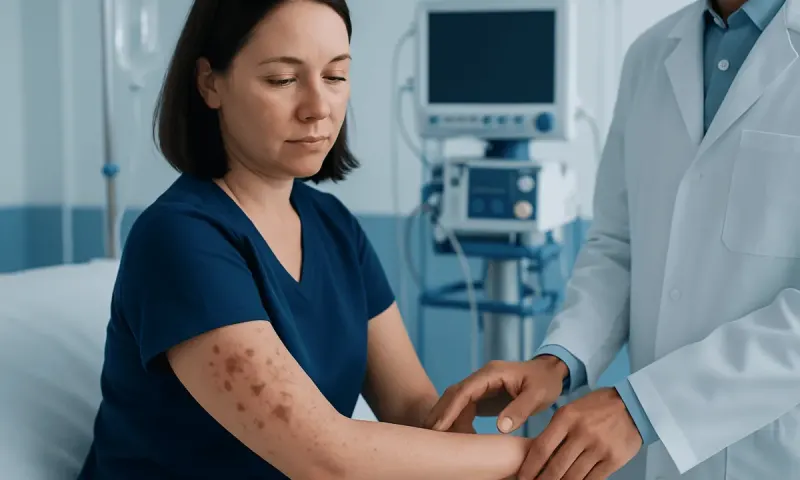
An AML rash refers to skin changes that may occur in a person with acute myeloid leukemia (AML), before diagnosis, during treatment, or after treatment has started. It is not a single, defining symptom. Rather, it is a broad description that can include pinpoint red or purple spots, easy bruising, larger patches of bleeding under the skin, itchy eruptions, or raised nodules.
In AML, abnormal blood-forming cells in the bone marrow can reduce the production of healthy blood cells. Low platelets can make bleeding into the skin more likely, while low infection-fighting white blood cells can increase vulnerability to skin infections. Some rashes are also caused by medicines or, less often, by leukemia cells collecting in the skin.
A rash by itself is far more often related to common conditions such as irritation, allergy, viral illness, or another skin disorder than to AML. However, unexplained skin changes deserve timely assessment when they occur alongside unusual tiredness, recurrent infections, fever, paleness, nosebleeds, bleeding gums, or easy bruising. More information about the underlying cancer is available in acute myeloid leukemia.
How an AML rash may look
Skin changes linked to AML vary widely. Petechiae are very small, flat red, purple, or brownish dots caused by tiny amounts of bleeding under the skin. They often occur in clusters on the legs, although they may appear elsewhere. Unlike many inflamed rashes, petechiae generally do not fade or turn pale when gentle pressure is applied.
Purpura and ecchymoses are larger purple areas or bruiselike patches. They may develop after minor bumps or with no clear injury when platelet levels are low. Bleeding-related marks are usually flat, but their color can change as they heal, much like an ordinary bruise.
Leukemia cutis is a less common cause of an AML rash. It occurs when leukemia cells infiltrate the skin and may cause firm, smooth bumps, plaques, or nodules that are red, brown, purple, or skin-colored. These lesions may be painless and can occur on the trunk, face, scalp, or limbs. A clinician cannot confirm leukemia cutis from appearance alone; a skin biopsy is usually needed.
People receiving AML treatment may also develop dry, sensitive, itchy, or inflamed skin. Drug reactions and infections can look similar to other rashes, which is why any new or changing eruption should be reported to the care team rather than treated without guidance.
Why rashes can occur in AML

The most important mechanisms behind an AML rash are changes in blood counts, infection, treatment effects, and direct involvement of the skin by leukemia. AML can crowd healthy platelet-producing cells out of the bone marrow. Platelets help blood clot, so low levels may lead to petechiae, purpura, prolonged bleeding, or bruising that seems out of proportion to an injury.
AML and its treatments can also lower neutrophils, a type of white blood cell that helps fight infection. Bacterial, viral, and fungal infections can cause rashes or painful skin lesions. In a person with weakened immunity, skin redness, warmth, swelling, blisters, or a tender area may need rapid evaluation because infections can progress more quickly.
Medication-related rashes can occur with chemotherapy, targeted therapies, antibiotics, antifungal medicines, pain medicines, or other drugs used during care. Some are mild, while others signal a serious reaction. It is important not to stop prescribed treatment independently; the oncology team can assess the rash and decide whether treatment changes are needed.
Leukemia cutis may occur at the time AML is diagnosed or later in the disease course. While it is uncommon, it is clinically important because its presence can influence staging discussions and treatment planning. A skin specialist and hematology team may work together to establish the diagnosis.
How clinicians evaluate an AML rash
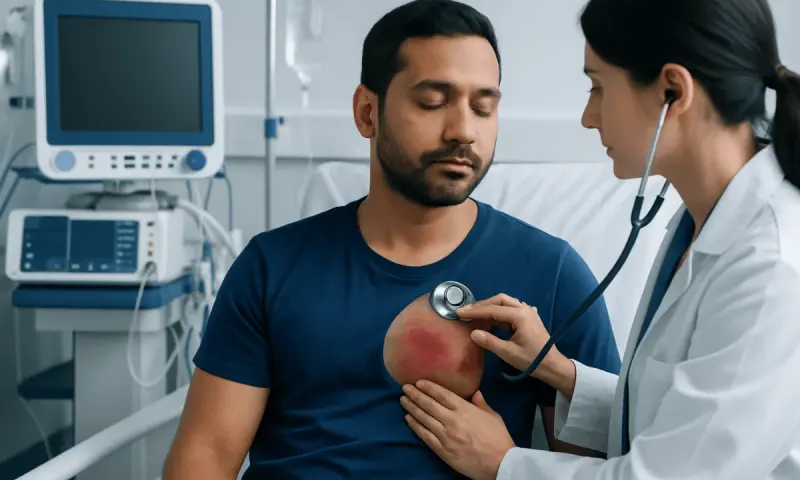
Evaluation begins with a careful history and examination. A clinician will ask when the rash began, whether it is itchy, painful, spreading, or associated with fever, bleeding, recent illness, new medicines, or changes in treatment. They will examine the size, color, texture, location, and distribution of the lesions, as well as look for bruising, mouth sores, or signs of infection.
Blood tests are often central to the assessment. A complete blood count can identify low platelets, anemia, and abnormal white blood cell levels. Depending on the circumstances, clinicians may request clotting tests, blood cultures, tests for infection, or liver and kidney function tests. These results help distinguish bleeding-related skin changes from other causes.
If raised or persistent lesions raise concern for leukemia cutis, infection, or an inflammatory skin condition, a dermatologist may perform a skin biopsy. This involves taking a small sample of skin for laboratory analysis. In people already diagnosed with AML, the results can help guide the overall treatment plan.
When AML is suspected, a hematologist may arrange further testing of blood and bone marrow. The diagnostic process is individualized, and a rash alone cannot confirm or rule out AML.
Treatment depends on the cause
There is no one treatment for an AML rash because the appropriate care depends on what is causing the skin change. If low platelets are contributing to bleeding into the skin, the medical team will address the low count and the underlying leukemia as clinically appropriate. People should avoid medicines or supplements that can increase bleeding risk unless their clinician has specifically advised them to use them.
Rashes caused by infection may require prompt antimicrobial treatment and close monitoring. If a medicine reaction is suspected, the prescribing team will review all medications and may recommend supportive skin care, a change in medication, or further testing. Severe reactions require urgent medical assessment.
Leukemia cutis is generally treated by managing the underlying AML with systemic therapy. Local measures may occasionally be considered for selected lesions, but treating the blood and bone marrow disease is usually the central approach. Treatment plans can include chemotherapy and other therapies chosen according to AML subtype, genetic findings, overall health, and treatment goals.
For people who are candidates, bone marrow transplant may be part of AML treatment in certain situations. The hematology team will explain potential benefits, risks, timing, and alternatives. Supportive care for skin symptoms should always be coordinated with the treating clinicians.
Skin care and practical precautions
Gentle skin care can support comfort, but it should not replace medical review of a new rash. Using mild fragrance-free cleansers, applying a simple moisturizer, and avoiding scratching or harsh exfoliation may help reduce irritation. Loose, soft clothing can be more comfortable if the skin is tender or sensitive.
People with low platelets should take steps to reduce cuts and bruises. A soft toothbrush, careful shaving practices, and avoiding contact sports or activities with a high risk of injury may be sensible, depending on the platelet count and advice of the care team. It is best to ask before taking aspirin, ibuprofen, herbal products, or over-the-counter remedies, as some can affect bleeding or interact with treatment.
It is helpful to photograph a new rash in good lighting and note when it appeared, whether it changes, and any associated symptoms. This information can assist clinicians, especially if the rash comes and goes. New creams, antibiotics, cosmetics, supplements, or medicines should also be mentioned during the assessment.
A person with AML should not apply strong steroid creams, use home remedies on broken skin, or attempt to drain blisters or lumps without medical advice. These actions can mask important signs or increase the risk of irritation and infection.
When to seek medical care
Urgent medical care is needed for a rash accompanied by fever, chills, confusion, shortness of breath, fainting, rapidly spreading redness, severe pain, blistering, peeling skin, or swelling of the face, lips, tongue, or throat. These symptoms can indicate a serious infection, severe allergic reaction, or another condition requiring immediate treatment.
A person with known AML should contact their hematology or oncology team promptly for new petechiae, unexplained bruising, bleeding from the nose or gums, blood in urine or stool, a painful skin lesion, or a rash that spreads or changes quickly. Fever during AML treatment should always be treated as important, even if other symptoms seem mild.
For someone not diagnosed with AML, an appointment with a doctor is appropriate for persistent unexplained bruising, clusters of non-blanching spots, repeated infections, marked fatigue, paleness, or bleeding that is unusual for them. These symptoms often have causes other than leukemia, but a blood count can help clarify what is happening.
Acıbadem Health Point’s multidisciplinary specialists and JCI-accredited hospitals can assess blood-related symptoms and coordinate dermatology, hematology, pathology, and oncology care for international patients when needed.
Frequently asked questions
01Can AML cause a skin rash?
Yes. AML may be associated with skin changes from low platelet counts, infection, treatment-related reactions, or, less commonly, leukemia cells in the skin. A rash does not on its own mean a person has AML, so a clinician should assess the appearance and accompanying symptoms.
02What does petechiae from AML look like?
Petechiae are tiny flat red, purple, or brownish spots caused by small amounts of bleeding beneath the skin. They often appear in groups and generally do not fade with gentle pressure. Petechiae can have many causes, but unexplained new spots should be discussed with a doctor.
03Is leukemia cutis always a sign of AML?
No. Leukemia cutis can occur with several types of leukemia and is not exclusive to AML. It refers to leukemia cells involving the skin and requires confirmation through medical assessment, often including a biopsy.
04Can chemotherapy cause a rash in AML treatment?
Yes. Chemotherapy and other medicines used during AML care can cause dry skin, itching, redness, or a drug-related rash. The treatment team should be told about any new skin change, because they can determine whether it is a manageable side effect, an infection, or a more serious reaction.
05When is a rash with AML an emergency?
Emergency assessment is needed for fever, rapidly spreading redness, severe pain, blisters, peeling skin, breathing difficulty, facial swelling, or significant bleeding. A person receiving AML treatment should also promptly report fever or a new painful skin lesion to their care team.
06How is an AML rash diagnosed?
Clinicians use the rash’s appearance, medical history, physical examination, and blood tests to identify likely causes. A skin biopsy may be needed when leukemia cutis, infection, or another specific skin disorder is suspected. If AML has not been diagnosed, additional blood and bone marrow tests may be considered based on the findings.
This article is for general information only and is not a substitute for professional medical advice. Please consult a qualified doctor about your individual situation.
Oncology care in Turkey — second opinion and treatment plan
JCI-accredited · board-certified surgeons · reply within 24h
Add us as a Preferred Source to see more of our trusted health content across Google Search, AI Overviews and Discover.