

Non Itchy Red Blotches on Legs: What You Need to Know
- 11 min read
- Published November 27, 2026
Key Takeaways
- Non itchy red blotches on legs are a symptom, not a diagnosis, and their appearance can point to several different conditions.
- Some causes are minor and temporary, while others need medical assessment, especially if the blotches spread, bruise easily, or appear with fever, swelling, or pain.
- A careful history and skin examination often guide diagnosis; some people also need blood tests or imaging.
- Self-care may help if the cause is mild, but new or unexplained blotches should not be ignored if they persist.
- Urgent evaluation is wise if the blotches are paired with shortness of breath, significant leg swelling, severe pain, fever, or bleeding elsewhere.
Non itchy red blotches on legs can come from many causes, ranging from mild skin irritation to circulation issues or inflammation of the blood vessels. The key is to notice the pattern, timing, and any other symptoms so a doctor can identify the most likely cause and recommend the right next step.
Overview
Non itchy red blotches on legs are often the body’s way of signaling that something in the skin, blood vessels, or circulation has changed. The appearance can range from flat red spots to larger patches, and the meaning depends on details such as size, location, whether they blanch when pressed, and whether they fade or spread.
For many people, the first question is whether the blotches are dangerous. Sometimes the answer is no: minor irritation, heat, or temporary inflammation can settle on its own. In other cases, the same-looking blotches can be linked to conditions such as capillary leakage, vasculitis, medication effects, clotting problems, or venous disease, which is why pattern recognition matters.
Because legs are affected by gravity, pressure, exercise, and circulation, they often show changes early. That makes the legs a useful place to spot a problem, but it also means a wide range of causes must be considered. The goal is not to guess from appearance alone, but to combine the skin findings with the person’s overall health picture.
When someone is deciding whether to seek care, it can help to think in practical terms: are the blotches new, are they changing, and are they accompanied by anything else such as swelling, fever, pain, easy bruising, or tiredness? Those added clues often guide the next step more than the color itself.
Symptoms and What the Blotches May Look Like
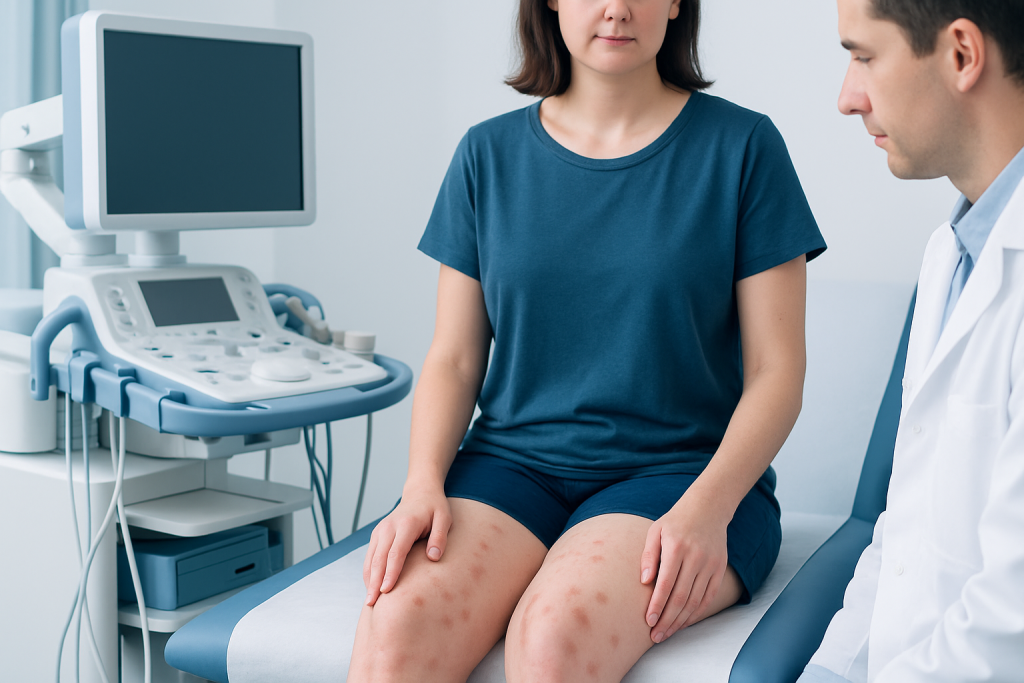
Non itchy red blotches can look different from person to person. They may be small pinpoints, larger flat patches, clustered spots, or areas that resemble bruising. Some are bright red or purple-red, while others are darker, especially if blood has leaked slightly under the skin.
A helpful distinction is whether the blotches blanch, meaning they fade when pressed and then return. Blanching redness often reflects increased blood flow or superficial irritation. Non-blanching spots can suggest tiny blood vessels have leaked or broken, which may happen with purpura, petechiae, trauma, certain medications, or inflammation of the vessels.
- Flat or slightly raised red patches
- Red, purple, or brownish spots that do not itch
- Clusters around the ankles, calves, or shins
- Areas that become more visible after standing, walking, or heat exposure
- Blotchiness that comes with tenderness, swelling, or easy bruising
Other symptoms can be just as important as the blotches themselves. A person may also notice leg heaviness, warmth, pain, swelling, joint aches, fatigue, fever, or bleeding gums. These associated features help a clinician decide whether the issue is primarily skin-related or part of a broader health condition.
Causes and Risk Factors
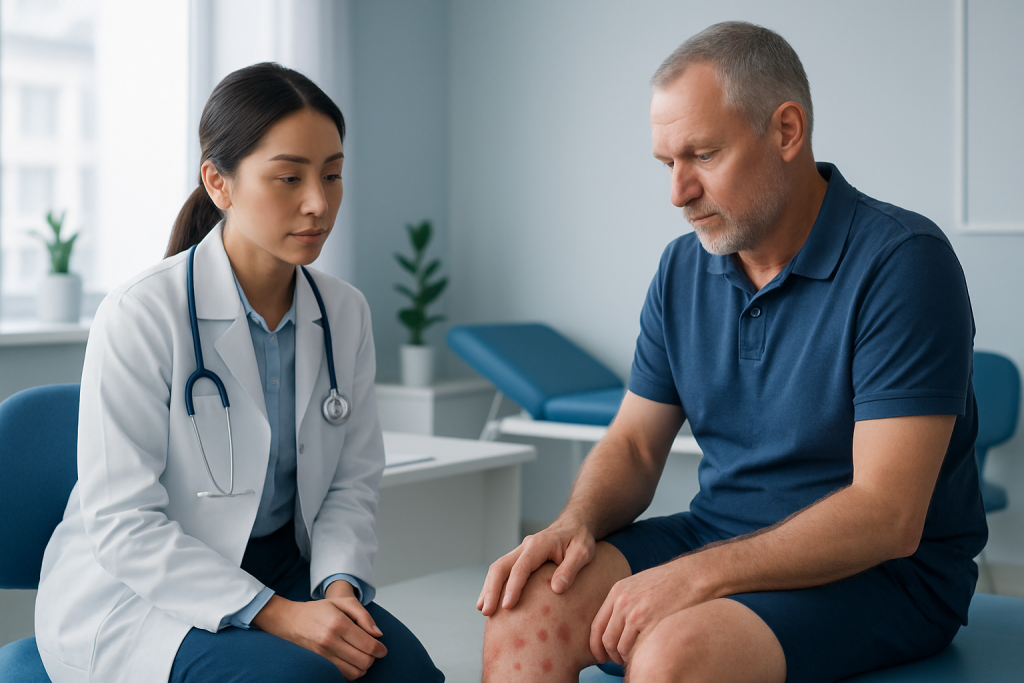
There is no single cause of non itchy red blotches on legs. One common group of explanations involves minor trauma or pressure, especially in people who have recently exercised, shaved, worn tight clothing, or had repeated friction. In these cases, small capillaries can break and create red or purple marks that resemble bruises.
Another important category includes venous and circulation problems. When blood pools in the lower legs, the skin may become blotchy, brownish-red, or inflamed. Chronic venous insufficiency, varicose veins, and prolonged standing can all contribute, particularly when blotches are near the ankles and lower calves.
Sometimes the underlying issue is inflammatory. Vasculitis, for example, affects blood vessel walls and may cause palpable or non-palpable purpura, often on the legs. Infections, autoimmune conditions, and some medications can also trigger vessel inflammation. These causes are more likely when the blotches are recurrent, widespread, or accompanied by systemic symptoms.
Other possible triggers or risk factors include:
- Blood-thinning medicines or drugs that affect platelets
- Bleeding or clotting disorders
- Recent viral or bacterial illness
- Diabetes-related skin changes
- Sun damage or skin fragility in older adults
- Prolonged immobility or long travel
Because the list is broad, risk factors should be interpreted alongside the person’s age, medical history, and how quickly the blotches appeared. A sudden change after starting a new medication or after a long flight deserves particular attention.
How Doctors Diagnose the Cause
Diagnosis usually starts with a detailed history and physical examination. A doctor will want to know when the blotches began, whether they have changed in size or color, whether they are painful or tender, and whether anything makes them better or worse. Questions about recent infections, injuries, new medications, travel, exercise, and family history are often especially useful.
The skin itself offers important clues. A clinician may check whether the blotches blanch, whether they are raised, whether the area is warm or swollen, and whether similar spots appear elsewhere on the body. Photos taken at home can be helpful, especially if the blotches come and go.
Depending on the suspected cause, tests may include blood counts, inflammation markers, clotting studies, liver or kidney tests, urine testing, or autoimmune screening. If a vascular or clotting problem is suspected, imaging or specialist review may be needed. In some cases, a skin biopsy helps distinguish between eczema-like inflammation, vasculitis, bleeding under the skin, or another process.
For international patients, this stepwise approach is useful because it reduces unnecessary testing while still looking carefully for anything significant. When people are traveling for care, bringing a medication list, prior lab results, and any clear photos of the rash can make the evaluation smoother and faster.
Treatment Options
Treatment depends entirely on the cause, which is why the first goal is to identify what the blotches represent. If the spots come from minor irritation, friction, or a small bruise-like reaction, reassurance and observation may be enough. If they are linked to a medication, a doctor may consider whether an alternative is safer or more appropriate.
When circulation is part of the picture, treatment may focus on reducing leg swelling and improving venous return. That can include elevation of the legs, regular movement, compression therapy when appropriate, and managing underlying vein disease. These measures are often paired with lifestyle adjustments rather than a single medication.
If the cause is inflammatory, infectious, or related to a blood disorder, treatment becomes more specific. A doctor might treat an infection, manage an autoimmune condition, or address a platelet or clotting issue. Because some of these conditions overlap in appearance, self-diagnosis is not reliable, especially when blotches are new or progressive.
Supportive care may also be recommended while the cause is being clarified:
- Rest the legs when swelling is present
- Avoid scratching, rubbing, or aggressive massage
- Use gentle skin care and non-irritating cleansers
- Track changes in size, color, and spread
- Follow the doctor’s advice about exercise, compression, or medications
The right treatment plan should be individualized and safe for the person’s overall health, especially if they take blood thinners, have diabetes, or have had clotting or autoimmune problems before.
Prevention and Self-care
Not every cause can be prevented, but a few practical habits can reduce the chance of recurrence or catch problems earlier. Paying attention to the legs after long travel, long work shifts, or strenuous exercise can help identify changes before they become more noticeable.
Good skin and circulation habits are useful for many people. Moving regularly, avoiding long uninterrupted standing or sitting, and elevating the legs at rest can support blood flow. For those with known venous issues, following the clinician’s guidance about compression stockings and activity can make a real difference.
Self-care should remain gentle. Harsh scrubbing, hot water, and unnecessary topical products can worsen irritation or hide the pattern that helps diagnosis. If photos are taken, they should include the whole leg and a close-up, ideally in natural light, to help show distribution and color accurately.
Helpful self-care steps may include:
- Record when the blotches first appeared and whether they spread
- Note new medications, supplements, or recent illnesses
- Check for swelling, tenderness, fever, or bruising elsewhere
- Use comfortable clothing that does not rub the skin
- Seek advice before starting compression if there is significant pain, numbness, or known arterial disease
For people arranging care from abroad, it is sensible to gather prior medical records before travel so the receiving team can review the full picture quickly and avoid repeating tests that are not needed.
When to See a Doctor
Medical evaluation is a good idea if non itchy red blotches on legs are new, unexplained, persistent, or recurring. It is especially important if they do not fade with time, become more widespread, or appear after starting a new medicine. Even when the person feels well, a persistent rash-like change can still deserve assessment.
Prompt attention is recommended if the blotches are accompanied by leg swelling, pain, warmth, fever, shortness of breath, chest pain, fainting, unusual bruising, bleeding, or dark urine. These signs can point to a condition that needs timely treatment rather than simple observation.
Emergency care is not needed for every red patch, but it is appropriate when symptoms suggest a blood clot, severe infection, major allergic reaction, or serious bleeding disorder. If there is uncertainty, it is safer to speak with a clinician than to wait for the blotches to resolve on their own.
Acibadem Health Point’s multidisciplinary specialists and JCI-accredited hospitals diagnose and treat a wide range of skin, vascular, and internal medical causes for international patients, with coordinated evaluation when more than one cause needs to be considered. That kind of joined-up care can be especially helpful when a person is far from home and needs both a clear diagnosis and a sensible follow-up plan.
Living With Unexplained Blotches: Practical Questions to Bring to the Visit
People often feel more prepared when they arrive with a short list of observations rather than trying to remember everything on the spot. A useful approach is to describe the first day the blotches appeared, how they evolved, and whether anything around that time changed in the body or routine. Even seemingly small details can matter.
It is also worth asking whether the pattern suggests a skin issue, a vein problem, a blood count or clotting issue, or something inflammatory. That question helps shape the next step, whether the plan is watchful waiting, lab work, medication changes, or referral to another specialist.
For those traveling internationally, continuity matters. A clear written summary of the diagnosis, test results, and what should be monitored after return home can make follow-up much easier and reduce confusion if the blotches reappear later.
In short, the best way to approach non itchy red blotches on legs is calmly and methodically: notice the pattern, look for associated symptoms, and seek medical advice when the cause is uncertain. A careful evaluation is usually enough to move from worry to a practical plan.
Frequently asked questions
01Are non itchy red blotches on legs always a rash?
Not always. Some are true inflammatory rashes, while others are caused by tiny blood vessels leaking, bruising, or circulation changes. The appearance and whether the spots blanch with pressure can help a doctor tell the difference.
02Can exercise cause red blotches on the legs?
Yes, exercise, heat, and friction can sometimes trigger temporary redness or small broken capillaries. If the spots are painful, persistent, or accompanied by swelling or fever, they should be checked rather than assumed to be exercise-related.
03Should I worry if the blotches do not itch?
Lack of itch does not rule out a medical cause. Many circulation-related, bruising-related, or vessel-related conditions are not itchy, so persistence and associated symptoms are more important than itching alone.
04What does it mean if the blotches do not fade when pressed?
Non-blanching blotches can suggest blood has leaked under the skin rather than simple surface redness. This can happen with purpura, petechiae, or vessel inflammation, and it is worth medical review if the cause is not obvious.
05Can varicose veins cause red blotches on the legs?
Yes, venous disease can cause blotchy discoloration, especially near the lower legs and ankles. The skin may also feel heavy or swollen, particularly after standing for long periods.
06When should I seek urgent care?
Urgent care is appropriate if the blotches come with shortness of breath, chest pain, significant swelling, severe pain, fever, or bleeding elsewhere. Those symptoms can point to conditions that need timely assessment.
This article is for general information only and is not a substitute for professional medical advice. Please consult a qualified doctor about your individual situation.
Explore treatments in Turkey — costs, top hospitals & a free quote
JCI-accredited · board-certified surgeons · reply within 24h
Add us as a Preferred Source to see more of our trusted health content across Google Search, AI Overviews and Discover.



How can we help you today?
Meet an Acibadem specialist by secure video, before you travel.
Book a video visit