

Missing Period by 2 Days: What You Need to Know
- 8 min read
- Published November 27, 2026
Key Takeaways
- A period that is 2 days late does not automatically mean something is wrong.
- Early pregnancy is one common reason, but stress, travel, weight changes, and illness can also shift a cycle.
- At-home pregnancy testing may be useful if pregnancy is possible, especially if the period continues to be absent.
- Repeated cycle changes, severe pain, or unusual bleeding deserve medical evaluation.
- Tracking cycle length over time can help identify whether a pattern is developing.
A period that is 2 days late is often within the range of normal cycle variation and is frequently linked to stress, changes in routine, illness, or early pregnancy. Understanding the possible reasons can help a person decide whether to monitor, test for pregnancy, or speak with a clinician.
Overview
Missing a period by 2 days is usually not an emergency. Menstrual cycles naturally vary, and even people with regular periods can have occasional shifts from one month to the next. For many, a short delay reflects ordinary hormonal fluctuation rather than a sign of illness.
The first question is often whether pregnancy is possible. If there has been sexual activity that could lead to pregnancy, a home pregnancy test may be appropriate once the period is late. If pregnancy is not possible, or the test is negative and the period still does not arrive, other common explanations should be considered.
It can help to think of the menstrual cycle as responsive to the body’s overall state. Sleep disruption, emotional stress, travel across time zones, recent illness, changes in exercise, and weight changes can all affect timing. A 2-day delay can be part of that wider picture.
Symptoms and What a 2-Day Delay May Mean
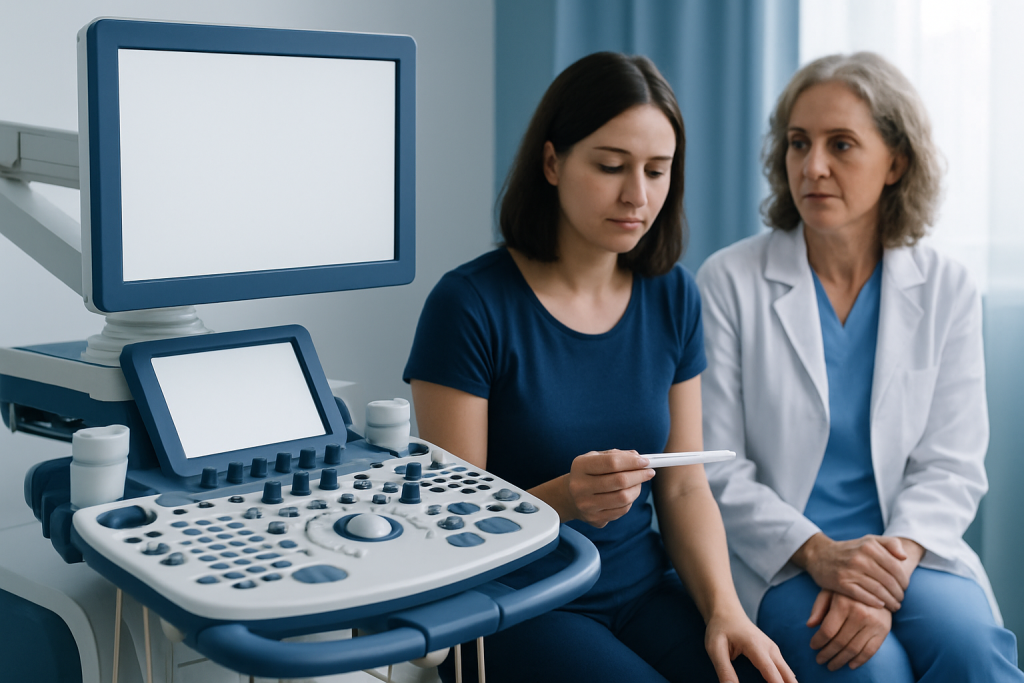
The main sign is simple: the expected period has not started yet. Some people may also notice early menstrual symptoms such as breast tenderness, cramping, bloating, mood changes, or acne without bleeding beginning on time. These symptoms are not specific and can occur before both a period and pregnancy.
When pregnancy is possible, early signs may include nausea, breast sensitivity, increased urination, fatigue, or light spotting. However, these symptoms are also not definitive on their own. The most reliable next step is testing if the timing and circumstances make pregnancy a realistic possibility.
If the delay is related to stress, travel, or illness, the period may start within a few days without any treatment. In some cases, the cycle may simply be a little longer than usual and return to normal the following month.
Causes and Risk Factors

There are many reasons for a period that is 2 days late, and most are common and temporary. Pregnancy is one of the best-known causes, but it is far from the only one. Hormone levels can shift because the brain, ovaries, and other body systems respond to physical and emotional changes.
- Stress: Emotional strain, poor sleep, or major life changes may affect ovulation.
- Travel or schedule disruption: Jet lag and unusual routines can shift cycle timing.
- Illness: A recent infection or fever can temporarily affect the menstrual cycle.
- Weight change or undernutrition: Rapid loss or gain may influence hormones.
- Intense exercise: High training loads can lead to delayed ovulation in some people.
- Hormonal conditions: Polycystic ovary syndrome, thyroid disorders, or elevated prolactin can cause irregular cycles.
Age also matters. Periods often become less predictable in the years leading up to menopause. During adolescence, cycles may also be irregular as the body establishes a more stable rhythm. For people who usually have very regular periods, a new pattern of delay is more noticeable and may be worth tracking.
How Doctors Evaluate a Late Period
Evaluation usually begins with a careful history: the date of the last period, usual cycle length, sexual activity, contraception use, recent stressors, medication changes, and any symptoms such as pain or unusual discharge. This information often points to the most likely explanation.
If pregnancy is possible, a urine or blood pregnancy test is often the first step. If the test is negative but the period remains absent, a clinician may repeat testing or look for other causes. Depending on the situation, the evaluation can include a pelvic examination, hormone testing, or ultrasound.
Doctors are also attentive to the broader pattern, not only one delayed cycle. A single late period may not require extensive testing, but repeated delays, very heavy bleeding, or long gaps between periods usually deserve a closer look. For someone traveling internationally for care, bringing a record of cycle dates, home test results, and symptom notes can make the first appointment more efficient.
Treatment Options
Treatment depends entirely on the cause. If the delay is due to pregnancy, care shifts to confirming the pregnancy and discussing next steps. If stress or a temporary illness is the likely reason, the period may return on its own without medical treatment.
When an underlying condition is identified, the goal is to treat that cause. For example, thyroid disease, polycystic ovary syndrome, or significant nutritional imbalance may need targeted management. In some cases, clinicians may recommend lifestyle adjustments, hormonal treatment, or further testing to restore a more regular cycle.
It is important not to start hormone products or stop prescribed medication without medical guidance. The right plan depends on the cause of the delay, other symptoms, and whether pregnancy is possible. A careful, individualized approach is especially helpful when someone is seeking care from another country and wants testing and follow-up coordinated in one place.
Prevention and Self-care
Not every delayed period can be prevented, but some habits support cycle stability. Regular sleep, balanced meals, steady exercise, and stress management may help reduce cycle disruption. People who track their periods often notice patterns sooner and can tell whether a short delay is unusual for them.
Simple self-care steps can also make the waiting period less stressful. A few days of observation is often reasonable if there are no warning signs and pregnancy is unlikely. If pregnancy is possible, following the timing instructions on a home test can improve usefulness, since testing too early may give a false negative.
- Track start dates, cycle length, and symptoms in a calendar or app.
- Notice recent changes in sleep, travel, exercise, weight, or stress.
- Use reliable contraception consistently if pregnancy is not desired.
- Seek a clinician’s advice before making major changes to diet, activity, or medications.
Self-care should support, not replace, medical assessment when something feels different from a usual cycle pattern. Small delays may pass quietly, but repeated changes should not be ignored simply because they begin subtly.
When to See a Doctor
It is sensible to speak with a doctor if the period does not arrive and pregnancy is possible, especially if a home test is positive or unclear. Medical review is also appropriate if the delay becomes longer, periods are repeatedly irregular, or the person has symptoms that suggest a hormonal or gynecologic issue.
Prompt care is recommended for severe pelvic pain, fainting, very heavy bleeding, or bleeding after a positive pregnancy test. These symptoms do not always mean a serious problem, but they should be evaluated without waiting.
People who have gone several months without a period, who have very unpredictable cycles, or who are planning pregnancy may also benefit from an assessment. In some cases, a short delay is all that is happening; in others, it is an early clue that the body needs more support. Acibadem Health Point’s multidisciplinary specialists and JCI-accredited hospitals can diagnose and treat menstrual concerns for Myomectomy Recovery for International Patients: The Usual Travel Timeline" class="ahp-ilk">international patients in a coordinated setting.
Frequently asked questions
01Is missing a period by 2 days normal?
Yes, it can be normal. Menstrual cycles often vary by a few days from month to month, even in people who usually have regular periods. A short delay may happen because of stress, travel, illness, or a naturally later ovulation.
02Should a pregnancy test be taken after 2 days late?
If pregnancy is possible, testing can be reasonable once the period is late. Some tests are accurate very early, but testing too soon can miss a pregnancy. If the result is negative and the period still does not come, testing again in a few days may be helpful.
03Can stress really delay a period?
Yes. Stress can affect the hormones that control ovulation and the timing of the menstrual cycle. The effect may be temporary, and the period may arrive later than expected without any treatment.
04What if the period is late but there is no chance of pregnancy?
A short delay is often related to routine changes, illness, exercise, or hormonal fluctuation. If late periods happen repeatedly, or if there are other symptoms such as excess hair growth, acne, weight change, or thyroid symptoms, a clinician should evaluate the cause.
05When should someone worry about a late period?
Concern is greater if there is severe pain, heavy bleeding, fainting, a positive pregnancy test, or several missed periods in a row. New or persistent irregularity also deserves medical review, especially if it is different from the person’s usual pattern.
06Can a period start late and still be healthy?
Yes. A cycle that is a little longer than usual can still be healthy, especially if it happens only occasionally. What matters more is whether the change becomes frequent, is accompanied by other symptoms, or reflects a new pattern over time.
This article is for general information only and is not a substitute for professional medical advice. Please consult a qualified doctor about your individual situation.
Persistent digestive symptoms? Get evaluated in Turkey
JCI-accredited · board-certified surgeons · reply within 24h
Add us as a Preferred Source to see more of our trusted health content across Google Search, AI Overviews and Discover.



How can we help you today?
Meet an Acibadem specialist by secure video, before you travel.
Book a video visit