Non Hodgkin’s Lymphoma: Diagnosis, Outlook, and Modern Treatment Approaches
Found a lump in your neck that won’t go away? Or maybe a doctor has just mentioned the word “lymphoma” and you’re trying to make sense of it. Non Hodgkin’s lymphoma is not one disease — it’s a group of blood cancers that begin in lymphocytes, a type of white blood cell that normally helps you fight infection. Some forms grow slowly. Others move fast. That’s why diagnosis and outlook vary so widely from one person to the next — and why modern testing and treatment have improved care for many patients.
Overview
Non hodgkin’s lymphoma is a cancer that starts in the lymphatic system, usually in lymphocytes. These cells normally help the body fight infection. When they grow and divide in an uncontrolled way, they can form lymphoma in lymph nodes, bone marrow, spleen, digestive organs, skin, or other tissues.
“Non Hodgkin’s lymphoma” is really an umbrella term for many different diseases, not one condition. Some subtypes are indolent — they grow slowly and can sometimes be watched for a while before treatment is needed. Others are aggressive and need prompt therapy. That’s why we don’t stop at confirming lymphoma; we work to pin down the exact subtype.
Doctors usually classify non Hodgkin’s lymphoma by the cell involved, such as B-cell or T-cell lymphoma, and by how the cells look and behave under laboratory testing. Familiar examples include diffuse large B-cell lymphoma, follicular lymphoma, mantle cell lymphoma, and peripheral T-cell lymphomas. The differences between these groups strongly affect treatment choices and outlook.
Symptoms often look like an infection or something else entirely, so diagnosis is sometimes delayed until a lymph node enlarges or symptoms simply won’t go away. A careful medical evaluation helps distinguish non Hodgkin’s lymphoma from other blood cancers such as Hodgkin lymphoma or leukemia.
Symptoms and Early Warning Signs
Symptoms of non hodgkin’s lymphoma can vary depending on where the disease begins and how quickly it is growing. A common early sign is a painless swollen lymph node in the neck, armpit, or groin. However, enlarged nodes may also happen with infection, so swelling alone does not confirm lymphoma.
Some people develop what doctors call “B symptoms,” which can suggest a more active disease process. These include unexplained fever, drenching night sweats, and unintentional weight loss. Fatigue is also common, although it is a nonspecific symptom with many possible causes.
If lymphoma affects organs outside the lymph nodes, symptoms can relate to that area. For example, chest involvement may cause cough or shortness of breath, abdominal disease may cause pain or fullness, and bone marrow involvement may contribute to anemia, easy bruising, or frequent infections. Skin lymphomas may appear as rashes, plaques, or itchy lesions.
- Painless swollen lymph nodes
- Persistent fatigue
- Fever without a clear infection
- Drenching night sweats
- Unintentional weight loss
- Itching, abdominal discomfort, cough, or shortness of breath
Causes and Risk Factors
In most cases, there is no single clear cause of non hodgkin’s lymphoma. It develops when genetic changes occur in lymphocytes, allowing them to survive longer or multiply faster than normal. These changes are usually acquired over time rather than inherited directly from a parent.
Several factors can raise the risk — though having a risk factor doesn’t mean you will develop lymphoma. Risk tends to rise with age, but some subtypes can occur in younger adults or children. Conditions that weaken or alter the immune system, including autoimmune disease, long-term immunosuppressive treatment, HIV infection, or an organ transplant history, may also increase risk.
Certain infections are linked to specific lymphoma subtypes. Examples include Epstein-Barr virus, Helicobacter pylori in some stomach lymphomas, hepatitis C, and human T-cell leukemia virus type 1. Environmental or occupational exposures have also been studied, but these links are not equally strong across all lymphoma types.
Family history may slightly raise risk in some cases, but most people with non Hodgkin’s lymphoma have no close relative with the disease. And here’s what matters most: lymphoma usually isn’t the result of anything you did or failed to do.
How Non Hodgkin's Lymphoma Is Diagnosed
Diagnosis begins with a medical history and physical examination, especially an assessment of enlarged lymph nodes, the spleen, and any symptoms such as fever or weight loss. Blood tests can help show whether there is anemia, infection risk, organ involvement, or abnormal cell counts, but blood work alone cannot diagnose lymphoma.
The most important test is a biopsy. Doctors usually prefer to remove all or part of an enlarged lymph node or affected tissue so a pathologist can examine it closely. Special laboratory methods such as immunohistochemistry, flow cytometry, cytogenetics, and molecular testing help identify the exact subtype. This detailed classification guides treatment more accurately than imaging alone.
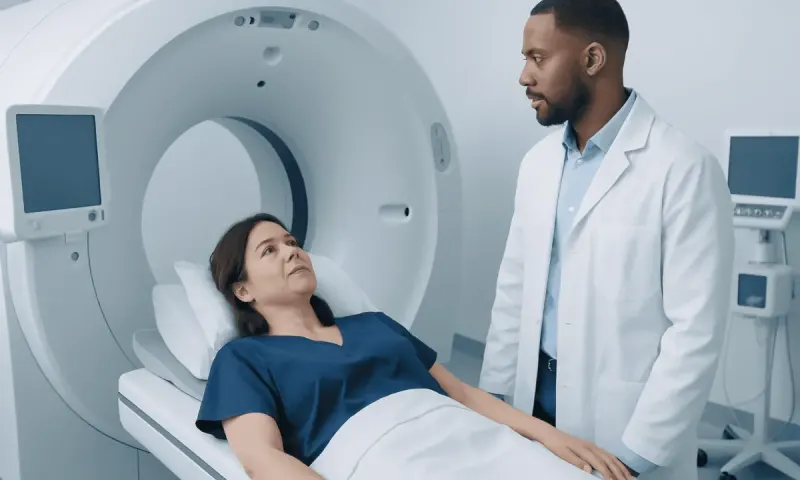
After lymphoma is confirmed, imaging helps determine where the disease is located and how far it has spread. CT, PET/CT, or sometimes MRI may be used. In selected cases, a bone marrow biopsy or other tissue sampling is needed to complete staging. Staging describes the extent of disease, but in non Hodgkin’s lymphoma the subtype and biology are often just as important as the stage.
You may hear terms like indolent, aggressive, localized, advanced, relapsed, or refractory. These words help your care team describe how the disease is likely to behave, and whether it has come back after treatment or hasn’t responded as expected. Getting the diagnosis exactly right is what makes a personalized care plan possible.
Modern Treatment Approaches
Treatment for non hodgkin’s lymphoma depends on the exact subtype, stage, symptoms, age, overall health, and sometimes laboratory markers. Not every patient needs immediate treatment. For some slow-growing lymphomas that are not causing symptoms or organ problems, doctors may recommend active surveillance, also called watchful waiting. This means regular follow-up visits and testing rather than delaying care without monitoring.
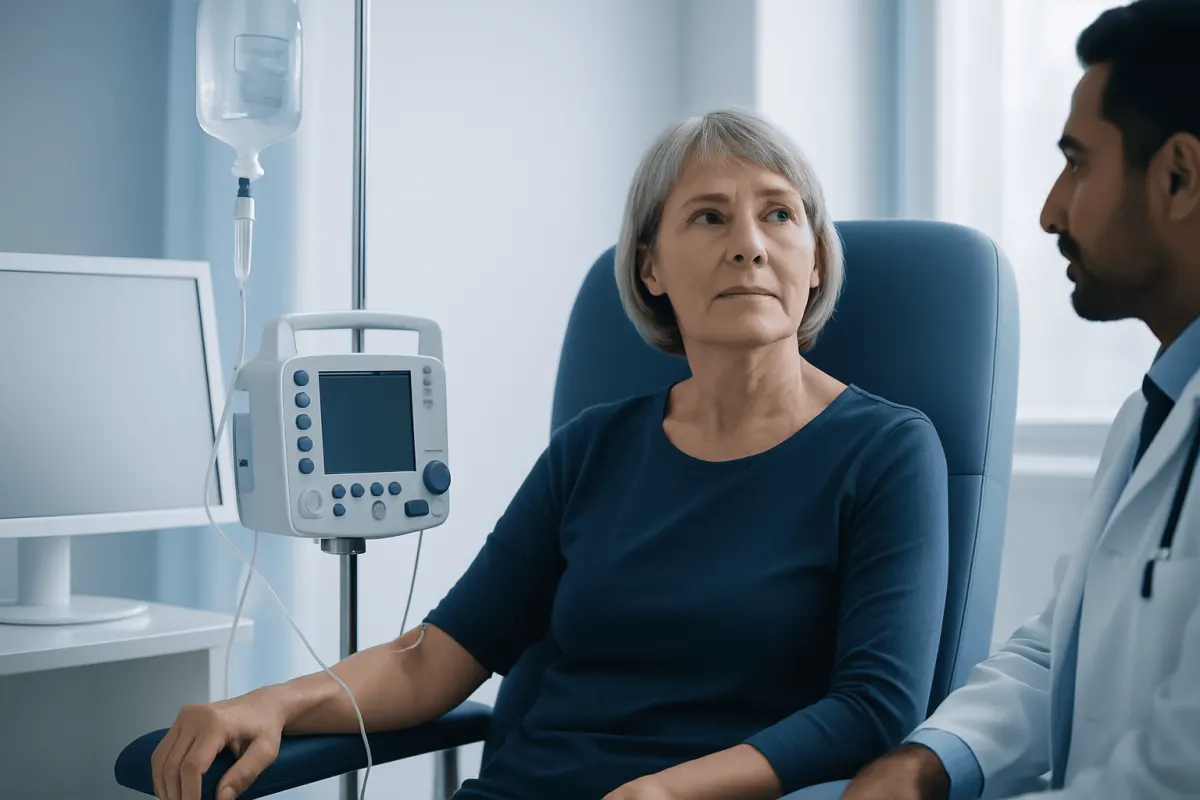
When treatment is needed, options can include chemotherapy, immunotherapy, targeted therapy, radiation therapy, and in some cases stem cell transplant. Many B-cell lymphomas are treated with combinations that include a monoclonal antibody plus chemotherapy. Radiation therapy may be used for localized disease or to control symptoms in a specific area. Some patients with relapsed or high-risk disease may be evaluated for bone marrow transplantation.
Targeted treatments have expanded options for certain lymphoma subtypes by acting on specific pathways that help lymphoma cells survive. Clinical trials may also be appropriate and can provide access to emerging therapies. Supportive care is an important part of treatment as well, including infection prevention, management of anemia, nausea control, and attention to nutrition and emotional wellbeing.
Treatment can get complex, so many patients do best in a multidisciplinary center where hematologists, medical oncologists, pathologists, radiation oncologists, and imaging specialists work as one team. At the end of treatment, follow-up continues to monitor response, detect relapse if it occurs, and address long-term effects of therapy. In selected cases, patients may also need radiation oncology or medical oncology expertise as part of a combined plan.
Outlook and Living With the Condition
The outlook for non hodgkin’s lymphoma varies widely. Some forms are very treatable and may go into long remission, while others behave as chronic conditions that require treatment at different times over many years. The most meaningful predictors are the exact subtype, how quickly it is growing, stage, laboratory findings, response to treatment, and the person’s general health.
Doctors may use prognostic tools to estimate risk, but these are population-based guides rather than precise predictions for one individual. A person with advanced-stage disease may still respond very well to therapy, while someone with early-stage disease may need closer monitoring depending on the subtype. This is one reason individualized care is so important.
Living with lymphoma means adjusting — practically and emotionally. Fatigue, the anxiety of waiting for test results, changes at work or home, worries about infection: all of it can weigh on daily life. Talking openly with your care team helps you understand the goals of treatment, what side effects to expect, and what follow-up will look like.
Rehabilitation, nutrition support, vaccination advice, and psychosocial support may all be helpful during or after therapy. Near the end of the care pathway, some international patients choose evaluation at specialized centers such as Acıbadem Health Point, where multidisciplinary specialists in JCI-accredited hospitals diagnose and treat complex lymphoma cases.
Prevention and Self-care
Can you prevent non Hodgkin’s lymphoma? Not with any guarantee — most cases don’t come from a single avoidable cause. Still, general health measures can support your immune system and may reduce complications during treatment or recovery. These include not smoking, staying physically active as tolerated, eating a balanced diet, and keeping routine medical care up to date.
People with conditions that affect the immune system should work closely with their doctors to manage them well. Some infection-related lymphomas may be linked to treatable underlying causes, so prompt treatment of chronic infections can matter. Vaccination guidance should come from the care team, especially before or during therapies that suppress immunity.
Self-care during treatment focuses on symptom awareness and communication. Patients should report fever, increasing fatigue, bleeding, breathlessness, or new pain promptly. Drinking enough fluids, resting when needed, and following advice on food safety and infection prevention can be helpful.
After treatment, regular follow-up appointments remain essential. These visits help monitor for recurrence, manage late side effects, and support return to daily life. Keeping a record of pathology results, treatment summaries, and imaging can make future care more coordinated.
When to Seek Medical Care
A person should seek medical care if a lymph node stays enlarged for more than a few weeks, especially if it continues to grow or is not linked to a clear infection. Medical review is also important for persistent fever, drenching night sweats, unexplained weight loss, unusual fatigue, or recurring infections.
Urgent medical attention is needed for symptoms such as shortness of breath, chest pain, severe abdominal pain, confusion, uncontrolled bleeding, or a high fever during cancer treatment. These symptoms do not always mean lymphoma is worsening, but they should be assessed quickly.
If you’ve already been diagnosed, call your care team when new symptoms appear, side effects become hard to manage, or you’re just not sure whether a change is normal. Speaking up early often means problems get sorted out before they grow serious.
Frequently asked questions
01Is non Hodgkin's lymphoma curable?
Some types of non Hodgkin's lymphoma can be cured, especially certain aggressive lymphomas that respond well to treatment. Other types may be managed over many years with periods of remission and treatment when needed. The outlook depends on the exact subtype, stage, and response to therapy.
02What is the first test used to diagnose non Hodgkin's lymphoma?
The key diagnostic test is a biopsy of an enlarged lymph node or other involved tissue. Blood tests and scans can support the evaluation, but they cannot reliably confirm the diagnosis on their own. A pathologist uses the biopsy to identify the specific lymphoma subtype.
03Can non Hodgkin's lymphoma have no symptoms at first?
Yes. Some people, especially those with slow-growing forms, may have few or no symptoms early on. The condition may be noticed during an exam, a scan done for another reason, or testing for persistent enlarged lymph nodes.
04How is non Hodgkin's lymphoma different from Hodgkin lymphoma?
They are distinct types of lymphoma with different cellular features, patterns of spread, and treatment approaches. One major difference is that Hodgkin lymphoma has characteristic Reed-Sternberg cells, while non Hodgkin's lymphoma does not. Non Hodgkin's lymphoma also includes a much broader range of subtypes.
05Does every patient need treatment right away?
No. Some patients with indolent non Hodgkin's lymphoma may be safely monitored with active surveillance until treatment is truly needed. This approach is chosen carefully and involves regular follow-up rather than ignoring the disease.
06What treatments are commonly used for non Hodgkin's lymphoma?
Common treatments include chemotherapy, immunotherapy, targeted therapy, radiation therapy, and sometimes stem cell transplant. The best option depends on the lymphoma subtype, stage, symptoms, and the person's general health. Many patients receive a combination of treatments.
This article is for general information only and is not a substitute for professional medical advice. Please consult a qualified doctor about your individual situation.
Oncology care in Turkey — second opinion and treatment plan
JCI-accredited · board-certified surgeons · reply within 24h
Add us as a Preferred Source to see more of our trusted health content across Google Search, AI Overviews and Discover.