No Period for 2 Months and Not Pregnant: Causes
Having no period for 2 months when pregnancy is unlikely is often related to temporary changes in stress, weight, exercise, illness, or hormone levels. It is usually not an emergency, but a clinician can help identify the cause—especially if periods were previously regular, symptoms are present, or the missed periods continue.
Overview: is no period for 2 months normal?
No period for 2 months not pregnant can happen for a range of reasons, and it does not always mean there is a serious health problem. A delayed or missed period may follow stress, an illness, major changes in eating habits, body weight, sleep, exercise, travel, or use of certain medicines. However, two missed periods can also be an early sign of a hormonal or reproductive health condition worth discussing with a clinician.
Menstrual cycles naturally vary. In many adults, a cycle lasting about 21 to 35 days is considered typical, and occasional variation can occur. A period is considered missed when it does not arrive as expected based on the person’s usual pattern. The medical term secondary amenorrhea describes periods that stop for at least 3 months in someone with previously regular cycles, or for 6 months in someone whose cycles were already irregular.
Even when pregnancy seems unlikely, it is sensible to check for it first. Home pregnancy tests are generally reliable when used after a missed period, but testing too early, using diluted urine, or misunderstanding the instructions can lead to an unclear or negative result. A repeat test after several days or a clinician-performed blood test may be advised if there is still uncertainty.
How the menstrual cycle can be affected
Periods depend on careful communication between the brain, pituitary gland, ovaries, uterus, and other body systems. The hypothalamus and pituitary gland release hormones that support ovulation, while the ovaries produce estrogen and progesterone. If ovulation does not occur, the timing of the next period may change or bleeding may not happen at all.
Short-term physical or emotional strain can temporarily affect this hormonal signaling. For example, recovery from a viral illness, major work or family pressures, disrupted sleep, long-distance travel, or sudden intense training may delay ovulation. When ovulation happens later than usual—or is skipped in a cycle—the period also comes later or may be absent.
It can be helpful to think about what has changed in the previous few months rather than focusing only on the date of the missed period. Changes in diet, exercise, body weight, contraception, medication, stress level, or general health can give useful clues. Tracking bleeding, spotting, pain, and other symptoms can also support a more productive medical consultation.
Common causes when pregnancy is not the reason

Stress is a frequent contributor to missed periods. The body may respond to ongoing emotional strain or physical stress by delaying ovulation. This can occur during examinations, bereavement, relationship difficulties, financial worries, demanding work, or recovery from illness. Stress-related cycle changes often improve as routines and overall wellbeing stabilize, although persistent symptoms should still be assessed.
Significant weight loss, weight gain, restrictive eating, eating disorders, or very intensive exercise can also affect periods. Body fat, energy availability, and nutrition influence reproductive hormone production. People who are training heavily, eating too little for their energy needs, or experiencing rapid body changes may have infrequent periods or no periods for a time.
Hormonal contraception may change menstrual bleeding patterns. Combined hormonal methods, progestogen-only pills, injections, implants, hormonal intrauterine devices, and some emergency contraception can make periods lighter, irregular, or absent. This may be an expected effect, but it is still appropriate to take a pregnancy test if a period is unexpectedly missed and there has been sexual activity.
Other possible causes include polycystic ovary syndrome (PCOS), thyroid disease, raised prolactin levels, and less commonly, reduced ovarian function before age 40. PCOS can involve irregular or absent periods, acne, excess facial or body hair, weight changes, and difficulty ovulating, although symptoms differ between individuals. Learn more about polycystic ovary syndrome (PCOS) and how it can affect menstrual regularity.
Symptoms that may help identify the cause
A missed period is important to consider alongside the rest of a person’s health. Symptoms such as acne, increased facial hair, scalp hair thinning, or gradual weight gain can suggest higher androgen hormone activity and may occur with PCOS. Feeling unusually cold or hot, having changes in bowel habits, palpitations, fatigue, or changes in skin and hair may point to a thyroid-related concern.
Headaches together with vision changes, milky nipple discharge when not breastfeeding, or reduced sexual desire can occasionally be linked with elevated prolactin or another pituitary hormone issue. Hot flushes, night sweats, vaginal dryness, and sleep disturbance may occur during perimenopause, the transition leading to menopause. Perimenopause commonly begins in the 40s, but timing varies considerably.
Pelvic pain, painful sex, unusual vaginal discharge, fever, or bleeding between periods are not explained by simple cycle variation and deserve medical advice. Light spotting can have many causes, including hormonal changes, cervical conditions, infection, or pregnancy-related causes. A clinician can assess symptoms in context rather than relying on any single sign.
- Record the first day of the last period and any spotting.
- Note recent changes in health, stress, weight, diet, exercise, sleep, medicines, and contraception.
- Record associated symptoms, including pelvic pain, hot flushes, acne, nipple discharge, or changes in hair growth.
How clinicians assess missed periods
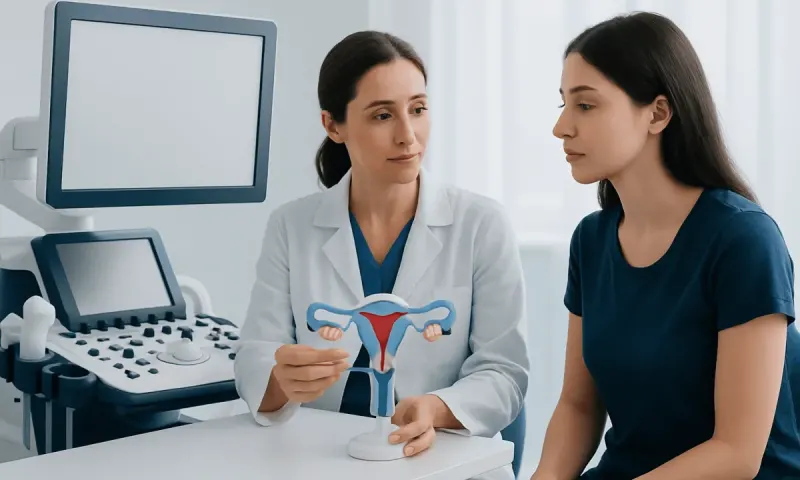
A clinician will usually begin by asking about menstrual history, sexual activity, contraception, pregnancy testing, medicines, recent life changes, and symptoms. They may ask whether cycles were previously predictable and whether there is a family history of PCOS, thyroid conditions, early menopause, or other endocrine disorders. This conversation helps guide which tests, if any, are appropriate.
A pregnancy test is typically the first investigation for anyone who could be pregnant. Depending on the history, blood tests may assess thyroid function, prolactin, reproductive hormones, blood sugar, or other markers. These tests are not needed in every case, and results must be interpreted according to age, symptoms, medication use, and the point in the menstrual cycle.
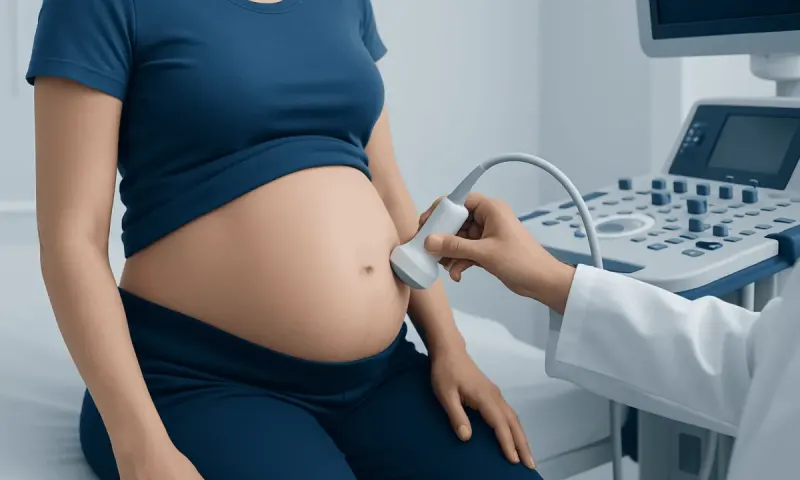
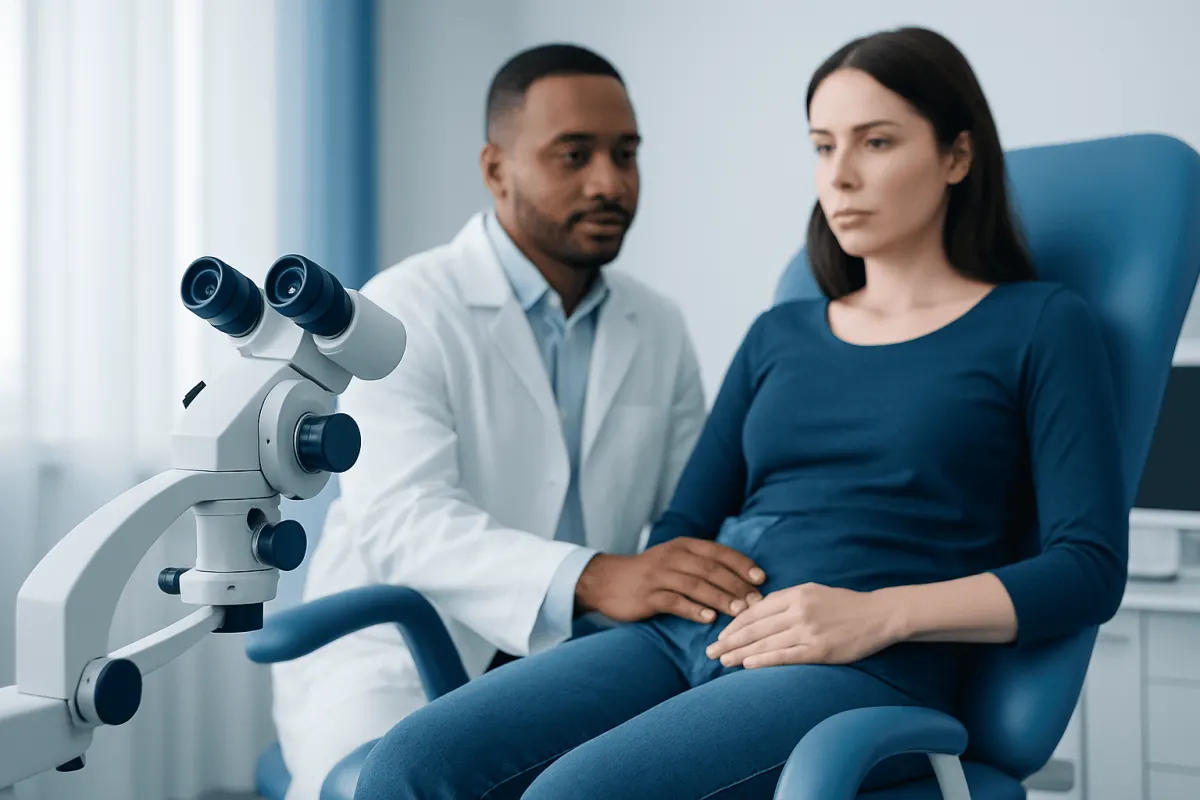
A pelvic examination may be recommended in some situations, particularly if there is pain, bleeding, discharge, or concern about infection. Pelvic ultrasound can be useful for assessing the uterus and ovaries, including possible ovarian cysts or features consistent with PCOS. It is important to know that ultrasound findings alone do not diagnose PCOS; clinicians consider symptoms, hormone patterns, and ovulation history together.
Treatment and practical self-care
Treatment depends on the underlying cause. If cycle changes are related to a temporary stressor, recent illness, altered routines, or a change in contraception, reassurance and observation may be all that is needed. A clinician may suggest follow-up if periods do not return or if symptoms change. It is best not to start hormonal medicines, supplements, or herbal products solely to bring on a period without medical guidance.
For lifestyle-related causes, supportive changes can help restore overall hormonal health. These may include regular, adequate meals; gradual rather than extreme changes in weight or exercise; sufficient sleep; and stress-management strategies that feel realistic. People who suspect disordered eating, overexercise, anxiety, or low mood should seek professional support, as these concerns deserve care in their own right.
When a condition such as PCOS or thyroid disease is identified, treatment may focus on the person’s goals and symptoms, such as protecting the uterine lining, managing acne or unwanted hair growth, supporting metabolic health, or planning for pregnancy. Hormonal treatments can be considered for some people, while thyroid disorders are treated differently. Anyone trying to conceive should tell their clinician, because the evaluation and treatment approach may be tailored to fertility goals.
Acıbadem Health Point’s multidisciplinary specialists and JCI-accredited hospitals assess menstrual and hormonal concerns for international patients, with care plans based on individual symptoms, test results, and reproductive goals.
When to seek medical care
Arrange a routine medical appointment if periods have stopped for 3 months after previously regular cycles, if missed periods are recurrent, or if the absence of bleeding is causing concern. It is also reasonable to seek advice sooner after two missed periods when there are symptoms of a hormonal condition, a history of irregular cycles, fertility concerns, or uncertainty about pregnancy.
Urgent assessment is needed for severe or one-sided lower abdominal pain, shoulder-tip pain, fainting, severe dizziness, or heavy vaginal bleeding—particularly if there is any possibility of pregnancy or a positive pregnancy test. These symptoms can occasionally indicate an ectopic pregnancy or another condition requiring prompt care. A negative home pregnancy test does not replace urgent medical evaluation when severe symptoms are present.
Contact a clinician promptly for fever, worsening pelvic pain, unusual or foul-smelling discharge, new vision changes, persistent severe headaches, or unexpected milky nipple discharge. These symptoms are often treatable, and early assessment can clarify the cause. People under 45 with menopause-like symptoms or those with periods stopping after chemotherapy, pelvic surgery, or new medication should also speak with a healthcare professional.
Frequently asked questions
01Can stress cause no period for 2 months?
Yes. Significant emotional or physical stress can affect the hormones that control ovulation, which may delay or stop a period temporarily. If periods remain absent, recur irregularly, or other symptoms develop, a clinician can check for additional causes.
02Should a pregnancy test be repeated after a negative result?
It may be helpful to repeat a home test after a few days if the first test was taken early, the period has still not arrived, or pregnancy remains possible. Following the test instructions carefully is important. A clinician can arrange a blood pregnancy test when the result is unclear or symptoms require assessment.
03Can PCOS make periods stop for two months?
Yes. PCOS can cause infrequent or absent periods because ovulation may not happen regularly. However, irregular periods do not always mean PCOS, so assessment may include a review of symptoms, hormone testing, and sometimes ultrasound.
04Is it normal to miss periods while using birth control?
Some hormonal contraceptives commonly make bleeding lighter, less frequent, or absent, especially hormonal intrauterine devices, implants, injections, and continuous pill regimens. This is often expected, but a pregnancy test may still be appropriate if there has been sexual activity and bleeding changes unexpectedly.
05Can thyroid problems cause missed periods?
Yes. Both an underactive and overactive thyroid can interfere with ovulation and alter menstrual timing. Other possible symptoms include tiredness, changes in weight, temperature sensitivity, palpitations, or changes in bowel habits, but thyroid testing is needed to confirm the cause.
06When is a missed period an emergency?
A missed period with severe pelvic or abdominal pain, fainting, shoulder pain, heavy bleeding, or a positive pregnancy test needs urgent medical assessment. These symptoms can be associated with ectopic pregnancy or other urgent conditions. It is safer to seek prompt care rather than wait for symptoms to settle.
This article is for general information only and is not a substitute for professional medical advice. Please consult a qualified doctor about your individual situation.
IVF & fertility treatment in Turkey — success rates and costs
JCI-accredited · board-certified surgeons · reply within 24h
Add us as a Preferred Source to see more of our trusted health content across Google Search, AI Overviews and Discover.