Can You Get Pregnant Right After Your Period? A Doctor-Reviewed Answer
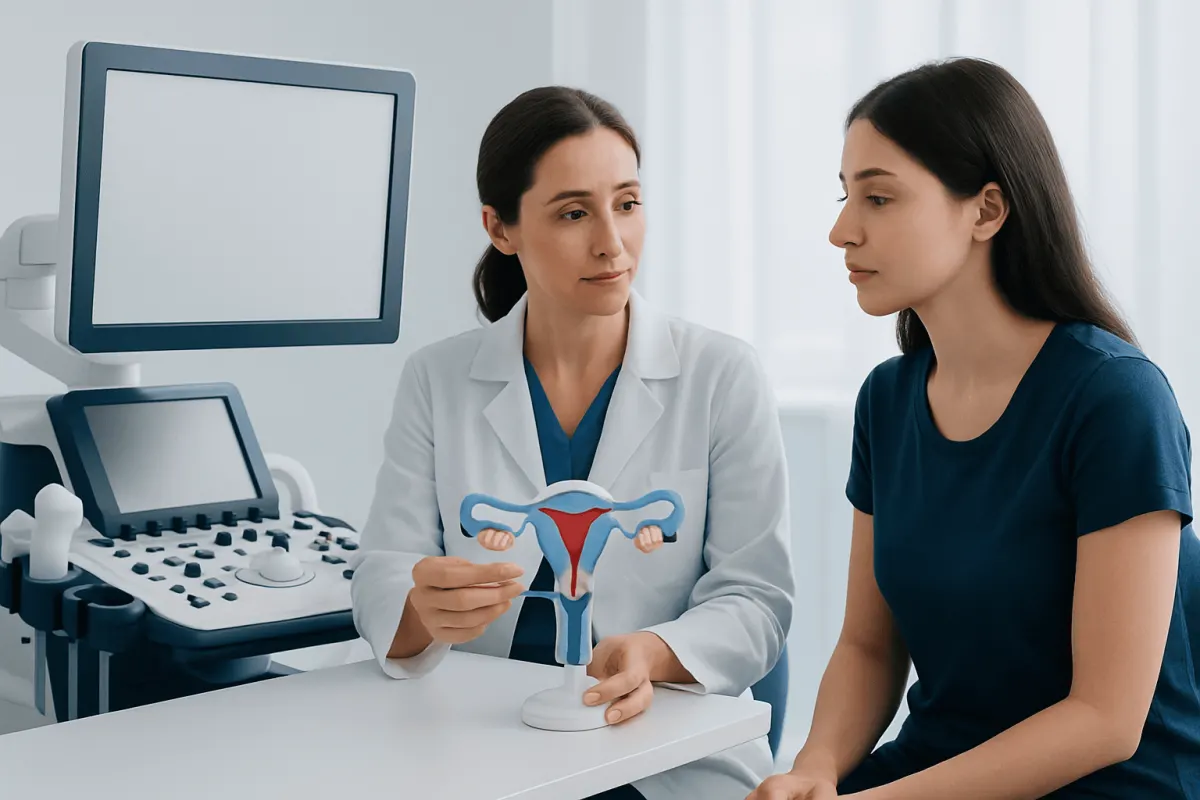
Yes, pregnancy right after a period is possible, even though many people assume those days are always “safe.” It is often simply related to normal cycle variation, but understanding timing, ovulation, and bleeding patterns can help a person judge their pregnancy risk more accurately.
Overview: Is Pregnancy Possible Right After a Period?
Yes, a person can get pregnant right after their period. For many people, this is still not the most fertile time of the cycle, so in everyday life it is often harmless and simply reflects normal variation in ovulation timing. However, it is not a completely risk-free time for pregnancy.
The main reason is that ovulation does not happen on the same day for everyone, or even in every cycle for the same person. If ovulation happens earlier than expected and sperm are already present in the reproductive tract, conception can occur. Sperm can remain viable for several days, so intercourse shortly after bleeding stops may still overlap with the fertile window.
Another important point is that not all bleeding is a true menstrual period. Some people have spotting, breakthrough bleeding, or mid-cycle bleeding and mistake it for a period. If the bleeding is not actually menstrual bleeding, ovulation may be closer than expected, which can raise the chance of pregnancy.
How the Menstrual Cycle Affects Fertility
To understand why pregnancy is possible after a period, it helps to look at the menstrual cycle as a range rather than a fixed schedule. In a typical cycle, ovulation happens around the middle, but cycle length can vary widely. Some people have 21-day cycles, some 35-day cycles, and many fluctuate from month to month.
The fertile window includes the five days before ovulation and the day of ovulation itself. This is because sperm can survive inside the female reproductive tract for up to five days in favorable conditions, while the egg usually survives for about 12 to 24 hours after release. If intercourse happens soon after a period and ovulation follows early, pregnancy can result.
People with shorter cycles are more likely to be fertile soon after bleeding ends. For example, if a person has a short cycle and a period lasting several days, ovulation may occur not long after the period finishes. In that situation, intercourse right after the period can fall surprisingly close to the fertile window.
For those trying to understand reproductive timing more clearly, resources related to ovulation and periods may be helpful, especially when cycles are irregular or difficult to interpret.
When the Chance Is Higher

The chance of pregnancy right after a period is higher in a few common situations. One is having a short menstrual cycle, which means ovulation may occur earlier than average. Another is having bleeding that lasts many days, because intercourse after the bleeding stops may actually be quite close to ovulation.
Irregular cycles also make timing less predictable. Stress, travel, weight changes, intensive exercise, recent pregnancy, breastfeeding, and some medical conditions can affect when ovulation happens. In these cases, counting cycle days alone is less reliable.
It also matters whether the bleeding was truly a period. Light spotting from hormonal changes, ovulation, contraception, or implantation can be confused with menstruation. If a person assumes the bleeding was a period when it was not, they may misjudge their fertility window.
- Short cycles, such as around 21 to 24 days
- Early ovulation in that cycle
- Periods or bleeding that last several days
- Irregular cycles that make ovulation unpredictable
- Unprotected sex in the days just after bleeding ends
Common Misunderstandings About “Safe Days”
One of the most common myths is that pregnancy cannot happen during or right after a period. While the risk may be lower in some cycles, it is not zero. Calendar-based assumptions often fail because the body does not always follow a perfectly regular pattern.
Another misunderstanding is that a regular cycle guarantees predictable ovulation. Even people with usually regular periods can ovulate earlier or later from time to time. Illness, emotional stress, sleep disruption, and hormonal shifts can all influence timing.
People also sometimes rely on cycle tracking apps as if they can confirm ovulation. Apps can estimate fertile days, but they cannot directly show when ovulation occurred unless supported by additional methods such as basal body temperature, cervical mucus changes, or ovulation predictor kits. Even then, these methods are better for awareness than for certainty.
If avoiding pregnancy is important, a more reliable contraceptive method should be used instead of depending only on predicted “safe days.” If a person is hoping to conceive, understanding cycle timing can be useful, and specialist care such as IVF treatment or fertility assessment may be discussed if pregnancy does not happen as expected.
How to Estimate Pregnancy Risk After a Period
If someone has had unprotected sex right after their period, the level of pregnancy risk depends on several details: cycle length, how long the bleeding lasted, whether cycles are regular, and whether the bleeding was a true period. The closer intercourse was to ovulation, the higher the possibility of conception.
For example, a person with a 28- to 30-day regular cycle may have lower risk from intercourse immediately after a normal period than a person with a 21-day cycle. But lower risk does not mean no risk. Because sperm may survive for days, even intercourse that seems early can still matter.
If pregnancy is a concern, home pregnancy testing is usually most accurate after a missed period or according to the instructions on the test. Testing too early can lead to a false-negative result. If there is uncertainty, repeating the test after a few days or speaking with a clinician can help.
If emergency contraception may be needed, it is important to seek timely medical advice or pharmacy guidance, since effectiveness depends on how much time has passed. People who frequently worry about cycle timing may benefit from discussing contraception options with a healthcare professional.
When to Seek Medical Care
Most of the time, concern about pregnancy right after a period is not a sign of illness. Still, medical review is sensible when the pattern of bleeding or the cycle itself is unusual. A doctor can help distinguish normal cycle variation from conditions that may affect ovulation, bleeding, or fertility.
It is a good idea to seek care if periods become suddenly irregular, bleeding is unusually heavy, pelvic pain is significant, or there is bleeding between periods on a recurring basis. Medical advice is also appropriate if a pregnancy test is positive, if symptoms of pregnancy appear, or if there is concern about infertility after trying to conceive.
- Periods that are very irregular or suddenly change
- Heavy bleeding, severe cramps, or bleeding between periods
- Persistent pelvic pain or pain during intercourse
- Repeated uncertainty about ovulation or fertility timing
- Difficulty getting pregnant after regular attempts
Conditions such as polycystic ovary syndrome (PCOS) can affect ovulation and cycle predictability. In some cases, fertility-focused evaluation or egg freezing discussions may also be relevant depending on personal plans and age.
What a Doctor May Check
If someone seeks medical care for cycle timing, irregular bleeding, or pregnancy concerns, the first steps usually include a detailed medical history and symptom review. A doctor may ask about average cycle length, how many days bleeding lasts, whether cycles are regular, the timing of intercourse, contraception use, medications, and any symptoms such as pain or abnormal discharge.
The next step may include a physical or pelvic examination depending on the situation. Pregnancy testing is often the first and most practical test when timing is uncertain. If bleeding patterns are unusual or fertility questions are present, the doctor may also recommend blood tests to assess hormone levels, thyroid function, or other factors that can affect ovulation.
In some cases, ultrasound may be used to look at the ovaries and uterus, especially if there are irregular cycles, pelvic pain, suspected cysts, fibroids, or concerns about conditions affecting fertility. Ovulation tracking methods or referral to a fertility specialist may be suggested when cycles are difficult to interpret or when conception is not happening as expected.
Near the end of the evaluation pathway, some people may choose care in a specialized center. Acıbadem Health Point’s multidisciplinary specialists and JCI-accredited hospitals diagnose and treat fertility and gynecologic concerns for international patients in an evidence-based setting.
Self-Care, Prevention, and Practical Next Steps
The most helpful self-care step is learning what is normal for one’s own cycle without assuming every cycle is identical. Tracking the first day of each period, the number of bleeding days, and symptoms such as cervical mucus changes can improve fertility awareness. However, tracking alone is not a dependable form of pregnancy prevention for everyone.
If avoiding pregnancy is the goal, consistent use of a reliable contraceptive method offers better protection than estimating “safe” days. If trying to conceive, intercourse during the fertile window is usually more effective than focusing only on calendar midpoints. Good general health, sleep, nutrition, and management of stress can also support reproductive health.
Anyone with repeated cycle confusion, very short or very long cycles, missed periods, or unusual bleeding should consider a medical review rather than self-diagnosing. Timely guidance can clarify whether the pattern is a normal variation or a sign of a treatable hormonal or gynecologic issue.
Frequently asked questions
01Can you get pregnant one day after your period ends?
Yes, it is possible, although the chance depends on the timing of ovulation in that cycle. If ovulation happens early and sperm survive for several days, intercourse shortly after the period can still lead to pregnancy.
02Is it less likely to get pregnant right after a period?
For some people, yes, the risk may be lower than during the middle of the cycle. But lower risk does not mean zero risk, especially in people with short cycles, irregular cycles, or early ovulation.
03Can sperm live long enough after a period to cause pregnancy?
Yes. Sperm can survive in the reproductive tract for up to five days under favorable conditions. That is why intercourse soon after a period may still overlap with the fertile window.
04What if the bleeding was not a real period?
That can change the timing significantly. Spotting or breakthrough bleeding may be mistaken for menstruation, which can make ovulation seem farther away than it really is and increase the chance of pregnancy.
05Should a person take a pregnancy test after sex right after a period?
If there has been unprotected sex and pregnancy is a concern, testing may be reasonable, but timing matters. Home tests are usually more accurate after a missed period, and testing too early can give a false-negative result.
06When should someone see a doctor about this?
Medical advice is a good idea if periods are very irregular, bleeding is unusually heavy, there is significant pelvic pain, or pregnancy is suspected. A doctor can review the cycle pattern, rule out common causes of irregular ovulation, and recommend testing when needed.
This article is for general information only and is not a substitute for professional medical advice. Please consult a qualified doctor about your individual situation.
IVF & fertility treatment in Turkey — success rates and costs
JCI-accredited · board-certified surgeons · reply within 24h
Add us as a Preferred Source to see more of our trusted health content across Google Search, AI Overviews and Discover.