New COVID Variant Cicada Symptoms: Signs, Causes and When to See a Doctor

Key Takeaways
- The new COVID variant Cicada is understood as a COVID-19 strain, so symptoms can resemble other recent variants and common respiratory infections.
- Frequent symptoms may include sore throat, runny nose, cough, fever, headache, fatigue, body aches, and occasionally digestive upset.
- Testing is the most reliable way to tell COVID-19 apart from flu, RSV, or a common cold.
- Most healthy people can recover at home with rest, fluids, and symptom care, but higher-risk individuals may need early medical review.
- Emergency help is needed for trouble breathing, chest pain, confusion, bluish lips, or any rapidly worsening illness.
The new COVID variant often referred to as Cicada is expected to cause symptoms similar to other Omicron-lineage infections, including sore throat, cough, fever, fatigue, headache, and congestion. Because symptoms can overlap with colds, flu, and allergies, testing and medical guidance remain important for people with risk factors, severe symptoms, or recent exposure.
Overview
The phrase new COVID variant Cicada symptoms is being used online to describe a newly discussed strain of the virus that causes COVID-19. In practical terms, people want to know the same thing: what does this infection look like in everyday life, and how can it be recognized early enough to make sensible decisions about testing, work, travel, and medical care?
At a patient level, the answer is reassuring but important. Newer COVID variants often do not announce themselves in a dramatic or unique way. They usually behave like other recent strains, especially those in the Omicron family, with upper-respiratory symptoms such as a sore throat, stuffy nose, cough, fatigue, and fever. Some people feel only mildly unwell, while others, especially older adults and people with chronic illness, may become more affected.
For international patients, recognizing symptoms matters not only for personal health but also for safe travel and follow-up. Someone may develop symptoms before a flight, after arrival in another country, or during recovery at home. In each case, the key is the same: assess severity, consider testing, and seek medical advice when symptoms are concerning or persistent.
Symptoms
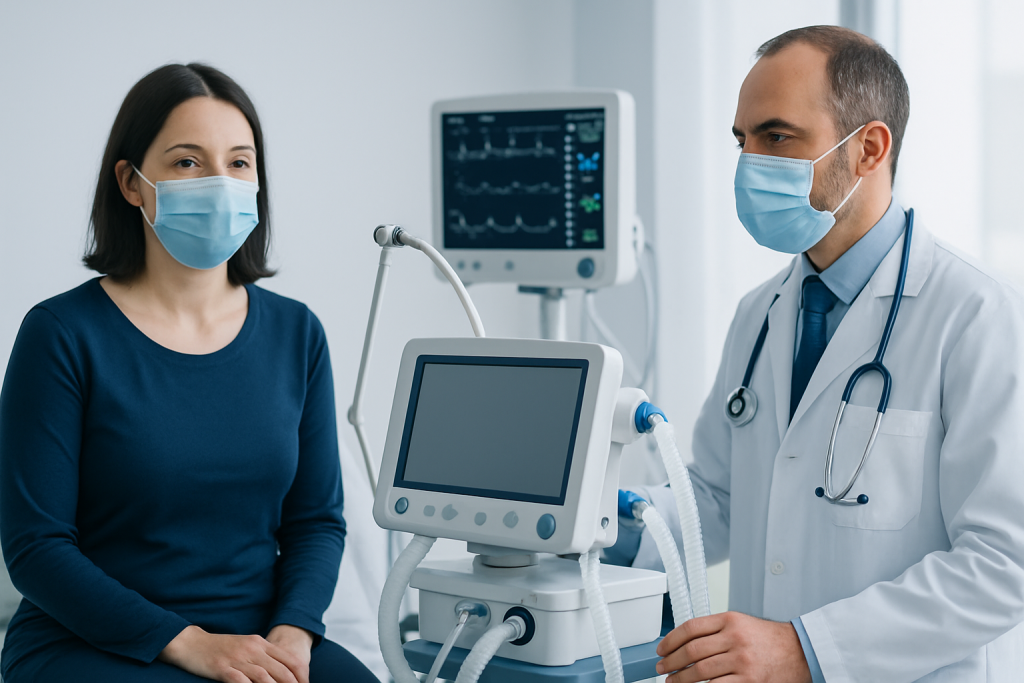
The new COVID variant Cicada is expected to cause symptoms that overlap strongly with other COVID-19 variants. A person may notice a scratchy or painful throat first, followed by a dry cough, nasal congestion, headache, tiredness, or muscle aches. Fever and chills can occur as well, although not everyone develops them.
Some people describe feeling as though they have a stubborn cold that is lasting longer than usual. Others notice hoarseness, sneezing, reduced appetite, or a general sense of being “run down.” Loss of smell or taste can still happen, but it appears less central in many newer COVID presentations than it was earlier in the pandemic.
Digestive symptoms may also appear in some cases. These can include nausea, diarrhea, or abdominal discomfort. Children and older adults may show less typical patterns, such as poor feeding, unusual sleepiness, irritability, or confusion rather than a classic fever-and-cough picture.
- Common possible symptoms: sore throat, runny nose, cough, fever, fatigue, headache, body aches, congestion
- Sometimes seen: hoarseness, sneezing, chills, nausea, diarrhea, reduced appetite
- Less specific signs: short-lived shortness of breath with exertion, unusual tiredness, brain fog
Causes & Risk Factors

Cicada, like other COVID variants, is caused by a mutation of the SARS-CoV-2 virus. Variants appear when the virus changes as it spreads, and some changes may affect how easily it transmits, how well it escapes prior immunity, or the pattern of symptoms it causes. That does not mean every new variant is automatically more dangerous, but it does mean public health guidance may evolve as knowledge improves.
Exposure typically happens through respiratory droplets and aerosols, especially in poorly ventilated indoor spaces. Close contact, crowded travel hubs, and prolonged time indoors with an infected person all increase the chance of infection. People can spread the virus before they realize they are unwell, which is one reason early testing and sensible distancing remain useful when symptoms begin.
Risk of more serious illness is influenced less by the name of the variant and more by the person’s health status. Older adults, pregnant people, individuals with weakened immune systems, and those with chronic heart, lung, kidney, or metabolic conditions are more likely to need medical assessment if they develop COVID-19 symptoms. Not being up to date with vaccination may also leave a person less protected against severe outcomes.
Diagnosis
The simplest way to distinguish COVID-19 from flu, RSV, or a common cold is testing. A home rapid antigen test may provide a useful first answer, especially if symptoms are new and there has been a recent exposure. If the test is negative but symptoms fit COVID-19, repeating the test or having a laboratory test may be recommended, since timing affects accuracy.
Clinicians may also ask about symptom onset, travel history, exposure to sick contacts, and underlying conditions. In some cases, especially when breathing symptoms are present or when the patient has significant risk factors, a doctor may check oxygen levels or order further evaluation. This is particularly relevant for people who are traveling abroad and need a clear plan for isolation, follow-up, or treatment.
Because symptoms alone cannot reliably identify the exact virus, the diagnostic approach is usually straightforward: test, assess severity, and match the level of care to the person’s needs. That approach helps avoid unnecessary worry while still catching cases that need closer attention.
Treatment Options
Most mild COVID-19 infections are managed with rest, fluids, and symptom relief while the body clears the virus. Supportive care may include fever management, throat-soothing measures, and attention to hydration and nutrition. A person who is unwell should avoid strenuous activity and should stay home or reduce contact with others until they are no longer likely to spread the infection.
Some patients may benefit from antiviral treatment if they are at higher risk of severe disease and are within the treatment window set by a clinician. These medications are not appropriate for everyone, so they should be discussed promptly with a doctor, especially if the person is older, immunocompromised, or has significant chronic disease. Earlier evaluation matters because some COVID medicines work best when started soon after symptoms begin.
People who develop worsening shortness of breath, low oxygen levels, dehydration, or chest discomfort need in-person medical review. In hospital settings, treatment may include oxygen, monitoring, and targeted support based on symptoms and laboratory findings. The exact plan depends on severity rather than the variant name alone.
Prevention & Self-care
Prevention begins with familiar, practical habits. Good hand hygiene, staying away from others when sick, and improving indoor airflow can lower transmission risk. During periods of active respiratory illness in the community, a well-fitting mask in crowded indoor spaces may also be helpful, particularly for people at higher risk.
Vaccination remains an important layer of protection against severe COVID-19, even when it does not prevent every infection. People planning international travel or visiting family across borders may want to check their vaccination status well ahead of time, because updating protection is often easier before departure than during an illness abroad.
Self-care is best kept simple and steady: rest, drink enough fluids, monitor symptoms, and avoid returning to intense activity too soon. If someone is isolating while traveling, it helps to keep documentation of testing, identify a local clinic in advance, and know how to reach medical care if symptoms intensify. A calm, organized plan is often more helpful than trying to manage uncertainty in the moment.
When to See a Doctor
Medical advice is recommended if symptoms are not improving after several days, if a person has a positive test and belongs to a higher-risk group, or if there is uncertainty about whether the illness is COVID-19, flu, or something else. A doctor can help decide whether testing should be repeated, whether antiviral treatment is suitable, and whether any extra monitoring is needed.
Seek urgent care if there is trouble breathing, chest pain, confusion, fainting, blue lips or face, or signs of dehydration that are not improving. Parents should seek prompt evaluation for infants or children who are breathing fast, unusually sleepy, unable to drink, or difficult to wake. These symptoms deserve timely assessment regardless of which variant is circulating.
For international patients, it can be helpful to contact a clinic early if illness begins while away from home, because follow-up plans may differ from what is available locally. Acibadem Health Point’s multidisciplinary specialists and JCI-accredited hospitals diagnose and treat COVID-19 for international patients, offering coordinated assessment when a person needs more than basic self-care. When in doubt, a qualified doctor should guide the next steps.
Outlook and Recovery
For many people, recovery from the new COVID variant Cicada is similar to recovery from other mild respiratory infections: symptoms ease gradually, energy returns over days to weeks, and the body recovers with rest and hydration. Some people notice a lingering cough or fatigue even after the main fever or throat symptoms have settled.
Return to normal routines should be paced sensibly. If a person is still weak, short of breath with mild activity, or struggling to concentrate, it may be too soon for full work, travel, or exercise demands. Recovery is often smoother when the person gives themselves a little extra time instead of pushing immediately back to full speed.
If symptoms persist longer than expected, or if they worsen again after an initial improvement, medical review is sensible. That helps rule out complications or a different diagnosis and gives the person a clearer, safer path back to normal activities.
Frequently asked questions
01What are the most common new COVID variant Cicada symptoms?
The most commonly reported symptoms are likely to resemble other recent COVID infections, including sore throat, cough, runny nose, congestion, headache, fatigue, fever, and body aches. Some people also experience nausea, diarrhea, or hoarseness. Because symptoms vary, testing is the best way to confirm infection.
02Is Cicada different from other COVID variants?
New variants can differ in how they spread or escape immunity, but the symptoms often remain similar to other COVID-19 strains. The exact pattern can also vary from person to person. A medical evaluation is based more on symptom severity and risk factors than on the variant name alone.
03How can someone tell COVID from a cold or flu?
Symptoms overlap a great deal, especially in the first days of illness. Fever, body aches, sore throat, cough, and congestion can happen with all three. Testing is the most reliable way to tell them apart.
04When should a person test for COVID after symptoms start?
Testing is sensible as soon as symptoms begin, especially after a known exposure or if the person will be around vulnerable people. If a home test is negative but symptoms continue, repeating the test or seeking a lab test may be useful. Timing matters because early tests can miss some infections.
05Can someone with mild symptoms recover at home?
Yes, many people with mild COVID symptoms can recover at home with rest, fluids, and symptom care. They should still watch for warning signs and avoid exposing others while contagious. People at higher risk should speak with a doctor early because treatment may be time-sensitive.
06When is COVID an emergency?
Emergency care is needed for breathing difficulty, chest pain, confusion, fainting, or blue lips or face. Rapid worsening, severe dehydration, or inability to stay awake are also warning signs. These symptoms need immediate medical attention regardless of which variant is suspected.
This article is for general information only and is not a substitute for professional medical advice. Please consult a qualified doctor about your individual situation.
Explore treatments in Turkey — costs, top hospitals & a free quote
JCI-accredited · board-certified surgeons · reply within 24h
Add us as a Preferred Source to see more of our trusted health content across Google Search, AI Overviews and Discover.