Is Herpes Human Papillomavirus?

Key Takeaways
- Herpes and HPV are different viruses, so one diagnosis does not mean the other is present.
- Both infections can be passed through intimate skin-to-skin contact, including contact without obvious symptoms.
- Testing, treatment, and follow-up are not the same for herpes and HPV.
- Vaccination can help prevent some HPV-related disease, while herpes is managed mainly with antiviral care and symptom control.
- A clinician can help interpret symptoms, testing, and screening needs in a calm, private setting.
Herpes is not human papillomavirus. The two infections are caused by different viruses, spread in different ways, and are managed differently, even though both are common sexually transmitted infections that can affect the mouth or genital area.
Overview
When someone asks, “is herpes human papillomavirus”, the direct answer is no. Herpes and human papillomavirus, usually called HPV, are caused by different viruses and belong to different virus families. They can both affect the mouth or genital area, but they are not the same infection and they are not treated in the same way.
This distinction matters because people often first notice a sore, bump, rash, or an abnormal test result and assume it points to one diagnosis only. In reality, a clinician may need to consider several possibilities, especially if symptoms are mild or appear and disappear. Clear information can help reduce worry and guide the right next steps.
For international patients, the process often begins with deciding whether symptoms need urgent review or a scheduled consultation. A focused sexual health assessment, targeted testing, and a simple discussion of recent exposures usually clarify the picture without unnecessary procedures.
Symptoms: How They Can Look Similar, and How They Differ
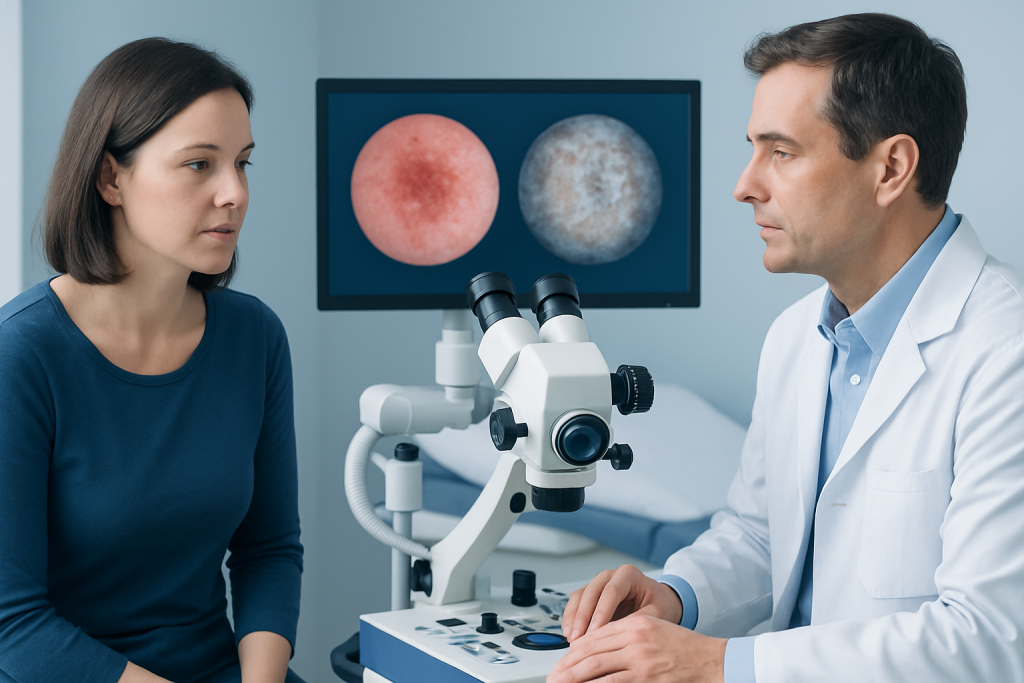
Herpes commonly causes clusters of painful blisters or sores, tingling, burning, or tenderness in the affected area. Some people also notice flu-like symptoms during a first outbreak, such as fever, body aches, or swollen glands. After the initial episode, symptoms may come and go.
HPV often causes no symptoms at all. When symptoms do occur, they may include genital warts or, in some HPV types, changes that are only found on screening tests such as a Pap test or HPV test. Because HPV can remain silent for a long time, many people do not know they have it without testing.
Both infections can affect the mouth or genital skin, and both may be mistaken for other conditions such as irritation, yeast infections, folliculitis, or friction-related skin changes. That is one reason self-diagnosis is unreliable, especially when the skin changes are subtle or healing.
- Herpes: painful blisters, ulcers, tingling, burning
- HPV: often no symptoms; sometimes warts or screening test changes
- Either condition may be missed without an exam or test
Causes & Risk Factors
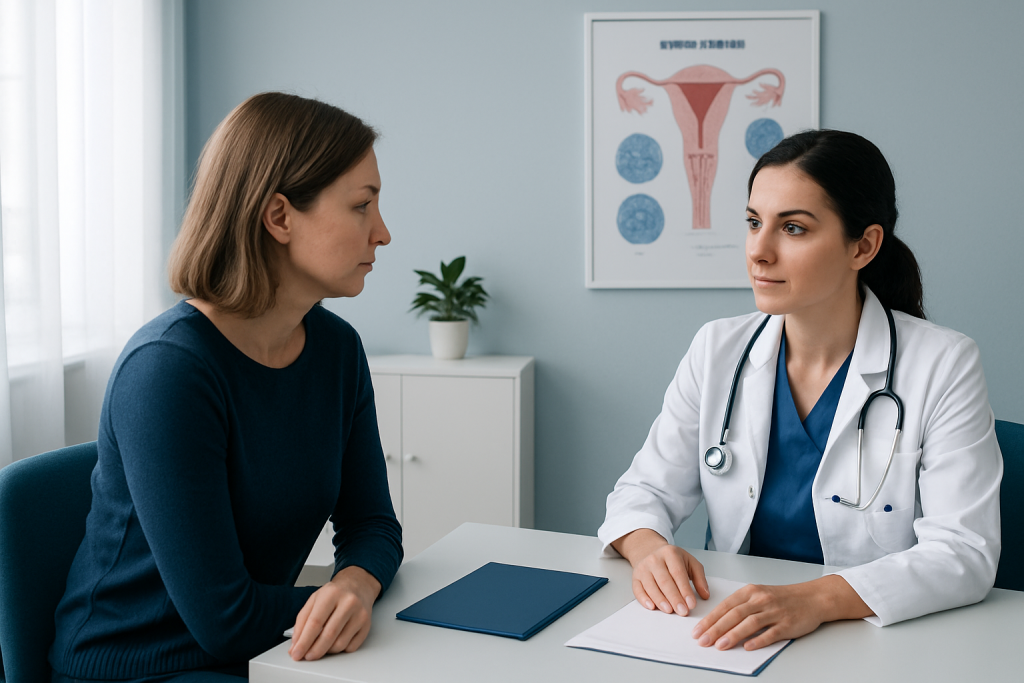
Herpes is caused most often by herpes simplex virus type 1 or type 2. HPV is a large group of related viruses, and different types of HPV can lead to different outcomes. Some HPV types cause warts, while others are linked to precancerous changes or cancers in areas such as the cervix, anus, throat, penis, vulva, or vagina.
Both infections spread primarily through intimate skin-to-skin contact. This means transmission can occur even when a person does not have obvious symptoms. Risk can rise with new or multiple sexual partners, unprotected sexual contact, and a history of another sexually transmitted infection.
It is also important to know that herpes and HPV are not signs of poor hygiene or a person’s character. They are common infections that circulate through ordinary human contact patterns, which is why accurate diagnosis and respectful counseling are so important.
Diagnosis
Diagnosis begins with a clinical history and physical examination. If a sore or blister is present, a clinician may take a swab for herpes testing. In some settings, blood tests may be used to look for prior exposure to herpes, although results must be interpreted carefully.
HPV is diagnosed differently. In many cases, a person is identified through cervical screening, HPV testing, or by examining visible warts. There is no routine blood test that confirms a simple genital HPV infection in the same way a blood test might suggest exposure to other viruses.
Because the testing pathways differ, a patient with one positive result should not assume the other infection is present. A qualified clinician can explain which tests are appropriate based on age, anatomy, symptoms, vaccination history, and the type of exposure involved.
Treatment Options
There is no cure that removes herpes virus from the body, but antiviral medicines can shorten outbreaks, reduce symptoms, and in some cases lower the chance of recurrences. Supportive care such as rest, hydration, and avoiding irritants may also help during an active episode. Treatment choices depend on whether the infection is newly diagnosed, recurrent, or being managed to reduce outbreaks over time.
HPV management is different. Many HPV infections clear on their own, and treatment focuses on the changes the virus causes rather than the virus itself. For genital warts, clinicians may offer topical therapies or in-office procedures. For cervical or other precancerous changes, monitoring or treatment may be needed according to screening findings.
People traveling for care often benefit from having a clear plan before they leave home, including test results, follow-up timing, and what to do if symptoms change. That is especially helpful when treatment involves more than one visit or when follow-up screening is needed in another country.
Prevention & Self-care
Prevention is partly about reducing exposure and partly about using the tools already available. Vaccination is one of the strongest ways to prevent many HPV-related infections and complications, especially when given before exposure. Safer sex practices, including barrier methods, can also lower risk, though they do not eliminate it completely.
For herpes, avoiding intimate contact during active outbreaks and following a clinician’s advice about antiviral use can help reduce transmission risk. Because both viruses may spread when symptoms are minimal or absent, regular sexual health checkups are useful for people with new partners or previous STIs.
Practical self-care also matters. People can support healing by keeping the area clean and dry, avoiding picking or scratching sores, wearing comfortable clothing, and not using harsh over-the-counter products on genital skin. If anxiety about a possible STI is high, speaking with a doctor is usually more helpful than searching for clues online.
- Consider HPV vaccination if recommended for age and health status
- Use condoms or other barrier methods consistently
- Avoid sex during active herpes outbreaks
- Keep up with cervical and other recommended screening tests
When to See a Doctor
A medical evaluation is a good idea if a person notices new genital or oral sores, unexplained bumps, recurrent rash, burning, or pain. It is also appropriate to seek care after a possible STI exposure, even when symptoms are absent, because timing can affect the usefulness of certain tests.
People should also see a clinician if they have abnormal cervical screening results, visible genital warts, or symptoms that return frequently. A doctor can explain whether the issue is likely herpes, HPV, another infection, or a non-infectious skin condition that needs different care.
International patients often prefer a place where diagnosis, counseling, and follow-up can be handled in one coordinated pathway. Acibadem Health Point’s multidisciplinary specialists and JCI-accredited hospitals diagnose and treat these infections for international patients, with attention to privacy, clear communication, and planned follow-up after travel.
Living With the Diagnosis: What Patients Often Want to Know
A new diagnosis can raise questions about relationships, future health, and whether the infection will keep coming back. In many cases, the first step is simply understanding which virus is present and what that means for the body over time. That information usually reduces fear more than any general reassurance can.
It can also help to separate infection from identity. Having herpes or HPV does not mean a person is “unclean,” and it does not define future intimacy or family plans. Many patients continue normal lives with the right treatment, screening, and follow-up.
For those coordinating care across borders, keeping copies of test reports, vaccination records, and treatment notes makes later appointments easier. A consistent medical record helps the next clinician make safer and more efficient decisions.
Frequently asked questions
01Is herpes human papillomavirus?
No. Herpes is caused by the herpes simplex virus, while HPV is caused by human papillomavirus. They are different viruses with different testing and treatment approaches.
02Can someone have both herpes and HPV?
Yes, a person can have both infections at the same time. Because they spread in similar ways, having one STI can sometimes increase the chance of another, which is why evaluation and screening matter.
03Do herpes and HPV always cause symptoms?
No. Herpes often causes outbreaks, but it can also be mild or unnoticed at times. HPV frequently causes no symptoms and may only be found through screening or when warts appear.
04How are herpes and HPV diagnosed?
Herpes is often diagnosed with a swab from an active sore, and sometimes with blood tests. HPV is usually identified through screening tests, cervical testing, or examination of visible warts.
05Can HPV or herpes be cured?
There is no cure that removes either virus from the body completely. However, herpes symptoms can often be managed with antiviral medicine, and many HPV-related changes can be treated or monitored effectively.
06Should a person avoid sex if they have herpes or HPV?
During an active herpes outbreak, avoiding intimate contact is usually recommended because transmission risk is higher. For HPV, risk reduction focuses on vaccination, barrier methods, and regular screening rather than relying on symptoms alone.
This article is for general information only and is not a substitute for professional medical advice. Please consult a qualified doctor about your individual situation.
Explore treatments in Turkey — costs, top hospitals & a free quote
JCI-accredited · board-certified surgeons · reply within 24h
Add us as a Preferred Source to see more of our trusted health content across Google Search, AI Overviews and Discover.