Neurosis vs Psychosis: Understanding Reality Testing
Neurosis vs psychosis is best understood by looking at a person’s contact with reality. “Neurosis” is an older, non-diagnostic term often describing anxiety-related distress with preserved insight, while psychosis is a clinical symptom state in which reality testing may be impaired.
Neurosis vs Psychosis: A Side-by-Side Comparison
Neurosis vs psychosis is a traditional way of distinguishing mental health difficulties by whether a person can test their thoughts and perceptions against reality. Neurosis is an older term, not a current formal diagnosis, generally used to describe distress such as anxiety, fears, obsessive thoughts, or low mood when a person remains aware that these experiences may not fully reflect the situation. Psychosis is a clinically relevant state that can involve a loss of this reality testing.
Neither term should be used to judge a person’s character, seriousness, or ability to recover. Mental health symptoms exist on a spectrum, may overlap, and require an individual assessment. A person experiencing psychosis may sometimes have partial insight, while a person with severe anxiety may feel intensely certain that a feared event will happen.
- Reality testing: Usually preserved in neurosis; may be impaired in psychosis.
- Typical experiences: Anxiety, panic, compulsions, phobias, and distressing thoughts versus hallucinations, delusions, disorganized thought, or severe confusion.
- Insight: A person with neurotic symptoms often recognizes that their fears or thoughts may be unreasonable; a person in psychosis may experience beliefs or perceptions as unquestionably real.
- Functional impact: Both can affect work, relationships, sleep, and self-care. Psychosis may cause more immediate safety or practical concerns.
- Clinical language: Clinicians usually diagnose specific conditions rather than using “neurosis,” while psychosis is described as a symptom or syndrome with an underlying cause.
What Does “Neurosis” Mean Today?
In everyday use, neurosis may refer to ongoing emotional distress without a break from reality. The term historically included anxiety, excessive worry, phobias, compulsive behaviors, and some depressive symptoms. Modern mental health classifications no longer use neurosis as a single diagnostic category because these experiences are better understood through specific conditions and symptom patterns.
For example, a person with panic disorder may fear that a racing heart means something dangerous is happening, yet may still question that fear and seek reassurance. Someone with obsessive-compulsive disorder may experience intrusive thoughts as upsetting and unwanted, rather than as facts they must believe. These symptoms can be highly disruptive and deserve care even when insight is present.
Current evaluation may consider anxiety disorders, obsessive-compulsive and related disorders, trauma-related conditions, depressive disorders, and adjustment difficulties. The useful clinical questions are what symptoms are occurring, how long they have lasted, how much they interfere with daily life, and whether there are safety concerns or contributing physical health factors.
What Is Psychosis?
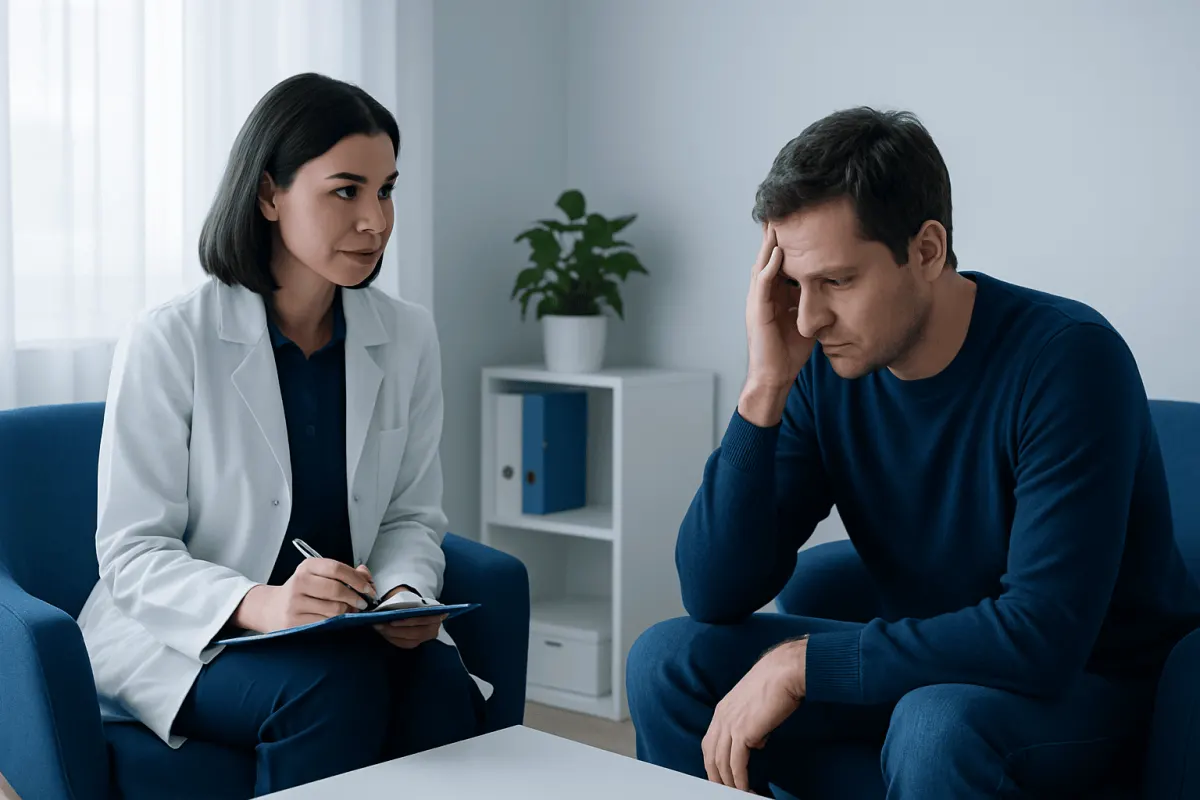
Psychosis describes symptoms that affect how a person interprets reality. It may involve delusions, which are fixed beliefs not supported by available evidence; hallucinations, such as hearing voices or seeing things others do not perceive; disorganized speech or thinking; and significant changes in behavior or emotional expression.
Psychosis is not a diagnosis by itself. It can occur with schizophrenia spectrum disorders, severe mood disorders such as bipolar disorder or major depression with psychotic features, and some trauma-related or dissociative conditions. It may also be linked to substance use, medication effects, severe sleep deprivation, infections, delirium, neurological illness, or other medical conditions.
Symptoms can vary widely. Some people become withdrawn, suspicious, or less able to organize everyday tasks. Others may appear agitated or unusually energetic. Early professional assessment helps clarify what is happening and guides appropriate support. Information about schizophrenia may also be helpful when a clinician is considering a schizophrenia spectrum condition.
How Clinicians Tell Them Apart
Clinicians do not make this distinction based on one conversation, one symptom, or a person’s appearance. They take a careful history of the experiences, including when they began, how often they occur, whether they are changing, and how they affect daily functioning. They also ask whether the person can consider alternative explanations for a thought or perception.
A key part of assessment is evaluating insight and reality testing. For instance, a person with health anxiety may repeatedly worry that a harmless sensation signals serious disease while acknowledging that anxiety could be contributing. In contrast, someone experiencing a delusion may remain fully convinced of a belief despite clear contrary evidence. However, insight can fluctuate, so this is assessed with care and without confrontation.
A clinician will also review mood symptoms, sleep, trauma history, substance and alcohol use, medications, family history, and physical health. Depending on the situation, assessment may include a physical examination, laboratory tests, cognitive screening, or referral to neurology or other specialties. Sudden confusion, a rapid change in mental state, fever, head injury, or new symptoms later in life can point to a medical cause that needs prompt attention.
When possible, clinicians may ask to speak with a trusted family member or support person, with the patient’s consent. Their observations can help identify changes in sleep, behavior, self-care, speech, and functioning that the person may not notice or may find difficult to describe.
What to Do for Anxiety-Related Distress and Psychosis
When symptoms resemble the older idea of neurosis, treatment is tailored to the underlying condition. Talking therapies, particularly structured approaches such as cognitive behavioral therapy, can help people understand patterns of worry, avoidance, panic, compulsions, or low mood. Lifestyle measures such as regular sleep, physical activity, social connection, and reducing alcohol or recreational drug use may support recovery, but they do not replace professional care when symptoms persist or interfere with life.
Medication may be considered for some anxiety, obsessive-compulsive, or depressive conditions, following an assessment by a qualified clinician. The choice depends on symptoms, medical history, other medicines, personal preferences, and possible side effects. It is important not to start, stop, or change prescribed psychiatric medication without medical guidance.
For psychosis, early assessment by a mental health professional is important. Treatment may include antipsychotic medication, psychological therapy, family education and support, practical help with housing or work, and treatment for any contributing medical or substance-related cause. If a person is in an acute crisis, a more intensive setting may be recommended to help keep them safe and stabilize symptoms.
Acıbadem Health Point’s multidisciplinary specialists and JCI-accredited hospitals assess and treat mental health concerns for international patients, coordinating psychiatric and medical evaluation when needed.
When to Seek Medical Care
A person should arrange a medical or mental health appointment when anxiety, intrusive thoughts, low mood, suspiciousness, unusual perceptions, or behavior changes are persistent, worsening, or affecting relationships, work, study, sleep, or self-care. Seeking help early is appropriate; symptoms do not need to reach a crisis point before they deserve attention.
Urgent medical assessment is needed if someone is hearing or seeing things that cause distress or unsafe behavior, has strongly held beliefs that are leading them to take risks, becomes severely confused, cannot manage basic needs, or has a sudden major change in behavior. A sudden onset of psychotic-like symptoms, especially with fever, seizures, severe headache, intoxication, withdrawal, or recent medication changes, should be treated as a possible medical emergency.
Emergency help should be sought immediately if a person may harm themselves or someone else, has suicidal thoughts with intent or a plan, is unable to stay safe, or is extremely agitated or confused. A trusted person can stay with them, remove immediate dangers where safe to do so, and contact local emergency services or a crisis service. It is usually more helpful to speak calmly, listen, and avoid arguing about beliefs than to try to prove the person wrong.
Supporting Someone Who May Be Experiencing Psychosis
Family members and friends can play an important supportive role by noticing changes and encouraging a compassionate assessment. Conversations are often most effective when they focus on the person’s feelings and practical needs rather than debating whether an unusual belief is true. Statements such as “That sounds frightening” or “I can see this is difficult for you” can communicate care without reinforcing a belief that may be part of psychosis.
It can help to offer practical support, such as arranging an appointment, accompanying the person if they wish, helping them record symptoms, or ensuring they have food, rest, and a safe environment. Avoid alcohol and recreational drugs, which can worsen symptoms or complicate assessment. If there are immediate safety concerns, emergency services are the appropriate source of help.
Recovery is possible, and the outlook depends on the underlying cause, the person’s circumstances, and access to timely care. Continued follow-up, a plan for early warning signs, and involvement of trusted supports can help people manage symptoms and maintain daily functioning over time.
Frequently asked questions
01Is neurosis a mental health diagnosis?
No. Neurosis is an older umbrella term that is not used as a formal diagnosis in current major diagnostic systems. A clinician may instead diagnose a specific condition, such as an anxiety disorder, obsessive-compulsive disorder, depression, or a trauma-related condition.
02Can a person with anxiety have psychotic symptoms?
Severe anxiety can cause intense fear, racing thoughts, derealization, and a strong sense that something is wrong, but these are not necessarily psychosis. Psychotic symptoms can occur alongside anxiety in some conditions, so a professional assessment is important when there are hallucinations, fixed unusual beliefs, or marked confusion.
03Do people with psychosis know they are unwell?
Some people recognize that their perceptions or beliefs may be affected by illness, while others do not at the time. Insight can vary between people and can change as symptoms improve or worsen. Lack of insight is a symptom-related difficulty, not stubbornness or a personal choice.
04Can stress cause psychosis?
Severe stress may contribute to psychotic symptoms in people who are vulnerable, but it is rarely the only explanation. Sleep loss, mood disorders, substance use, medications, neurological conditions, and other medical factors may also play a role. A clinician should assess new psychotic symptoms rather than assuming they are caused only by stress.
05What is the difference between intrusive thoughts and delusions?
Intrusive thoughts are unwanted, distressing thoughts that a person usually recognizes as unreasonable, excessive, or inconsistent with their values. Delusions are strongly held beliefs that remain fixed despite evidence to the contrary and are often experienced as true. The distinction can be complex, so clinicians consider the full pattern of symptoms and functioning.
06When should someone go to emergency care for psychosis?
Emergency care is appropriate when there is a risk of self-harm or harm to others, severe agitation, inability to meet basic needs, extreme confusion, or sudden symptoms with signs of physical illness. Emergency evaluation is also important if symptoms follow intoxication, substance withdrawal, a head injury, seizure, or a major medical change.
This article is for general information only and is not a substitute for professional medical advice. Please consult a qualified doctor about your individual situation.
Explore treatments in Turkey — costs, top hospitals & a free quote
JCI-accredited · board-certified surgeons · reply within 24h
Add us as a Preferred Source to see more of our trusted health content across Google Search, AI Overviews and Discover.