Postnatal Depression Psychosis: Early Signs, Risk Factors, and How It Is Treated
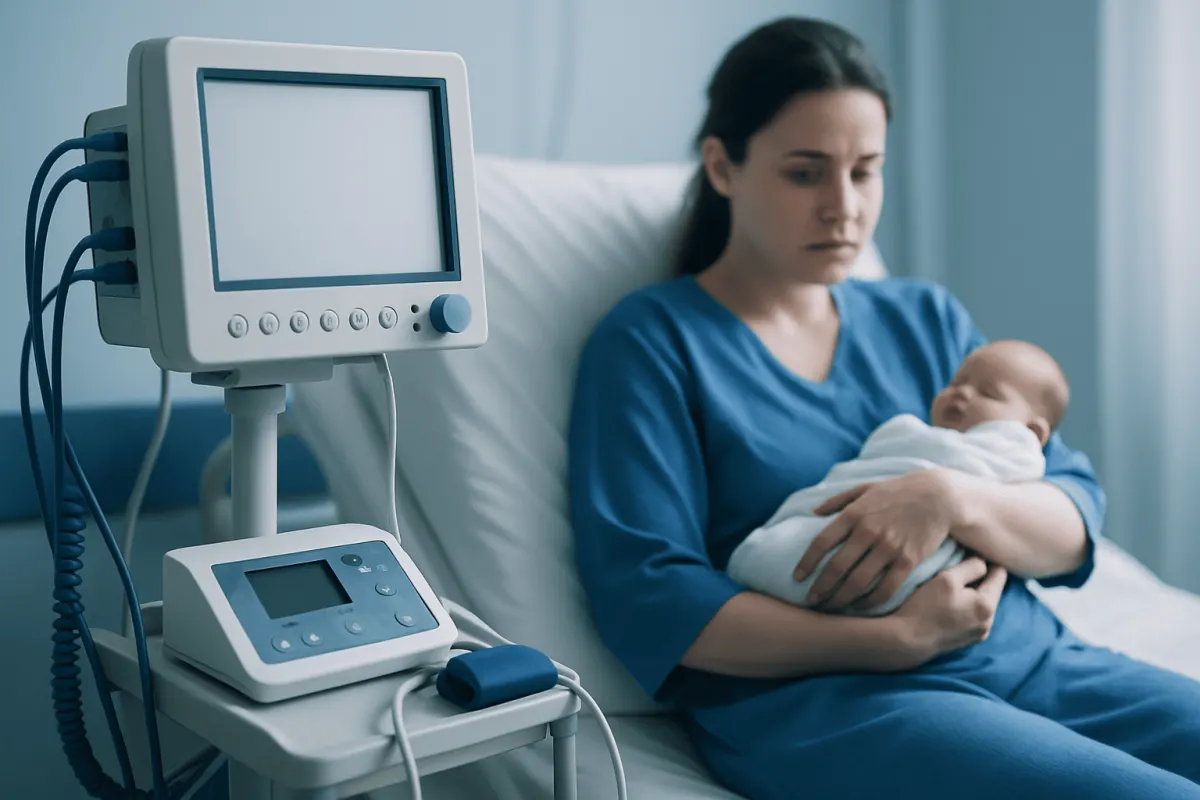
You’ve just had a baby, and something about the way you (or someone you love) is thinking and behaving feels frightening and unfamiliar. Not just tearful or exhausted — but confused, suspicious, or convinced of things that aren’t happening. That deserves urgent medical attention, today.
Postnatal depression psychosis is rare, but it is serious, and it can develop in the days or weeks after childbirth. It is different from the common “baby blues” and from postpartum depression alone, because it can involve confusion, delusions, hallucinations, or severely disturbed behavior.
Overview: what postnatal depression psychosis means
Doctors also call this postpartum psychosis. It is a severe mental health condition that can appear in the days or weeks after giving birth. It is rare, but it is urgent: a person may lose touch with reality, become highly confused, or behave in ways that put themselves or their baby at risk. That is why prompt assessment and treatment matter so much.
The name trips people up. Low mood may be part of the picture, but this is not the same as ordinary postpartum sadness or postpartum depression alone. It usually involves symptoms of psychosis, such as delusions, hallucinations, disorganized thinking, extreme agitation, or rapid changes in mood and energy.
Symptoms often begin suddenly, sometimes within the first two weeks after birth. Family members may notice the changes first because the person affected may not recognize that something is wrong. Early intervention can greatly improve safety and recovery, and compassionate treatment can support both the parent and the newborn during a vulnerable time.
Early signs and symptoms to watch for
What stands out most about this condition is how fast symptoms can appear. A new parent may seem unusually energetic, unable to sleep, highly anxious, suspicious, frightened, tearful, or emotionally detached. Mood may shift rapidly from elation to distress, or from calm to severe agitation.
Psychotic symptoms can include hearing voices, seeing things that others do not, or strongly believing ideas that are not based in reality. For example, a person may believe that the baby is in danger when there is no evidence, or that they have a special mission, or that others are trying to harm them. Thinking may become confused, and speech may seem hard to follow.
Other warning signs include severe restlessness, irritability, withdrawal, not eating or drinking properly, and marked problems with concentration or memory. Many people also have profound insomnia, even when they have the opportunity to sleep. In the postpartum period, this kind of sleeplessness can be a particularly important early clue.
- Sudden severe mood swings
- Confusion or disorientation
- Unusual beliefs or paranoia
- Hearing voices or seeing things
- Severe insomnia
- Agitation or bizarre behavior
- Thoughts of self-harm or harm coming to the baby
How it differs from baby blues and postpartum depression

Many people experience the “baby blues” in the first few days after birth. This usually causes tearfulness, emotional sensitivity, and feeling overwhelmed, but it tends to improve within about two weeks and does not involve loss of touch with reality. By contrast, postnatal depression psychosis is much more severe and needs urgent medical attention.
Postpartum depression can also develop after childbirth and may cause persistent sadness, hopelessness, guilt, exhaustion, and difficulty bonding with the baby. However, postpartum depression does not usually involve hallucinations, delusions, or severe confusion. If these symptoms appear, clinicians consider the possibility of postpartum psychosis rather than depression alone.
The conditions can overlap, and some people have symptoms of depression, mania, and psychosis all at once. That is exactly why a professional assessment is needed. A specialist may also evaluate related conditions such as depression or bipolar disorder when planning care and long-term follow-up.
Causes and risk factors
The exact cause of postnatal depression psychosis is not fully understood, but experts believe it usually results from a combination of biological vulnerability and the major physical and emotional changes that happen around childbirth. Hormonal shifts after delivery, sleep deprivation, stress, and changes in brain chemistry may all play a role.
The strongest known risk factor is a personal history of bipolar disorder, schizoaffective disorder, schizophrenia, or a previous episode of postpartum psychosis. A family history of bipolar disorder or psychosis can also increase risk. For some people, childbirth is the first time an underlying mood disorder becomes apparent.
Not everyone with risk factors will develop the condition, and it can also occur in people with no previous psychiatric diagnosis. Other factors that may contribute include severe sleep loss, stopping psychiatric medication around pregnancy without specialist guidance, and major psychosocial stress. Identifying higher-risk individuals during pregnancy can help doctors and families plan monitoring and support after delivery.
Diagnosis and assessment
Diagnosis begins with urgent clinical assessment by a doctor, usually involving psychiatry, obstetrics, and sometimes emergency care. The clinician asks about symptoms, sleep, mood, thoughts, behavior changes, past mental health history, medications, substance use, and family history. Input from a partner or relative is often helpful because insight may be limited.
Doctors also consider medical causes of confusion or psychosis after childbirth. These can include infection, severe thyroid problems, electrolyte imbalance, neurological illness, medication effects, or substance-related problems. A physical examination and selected blood tests may be needed, and additional tests are sometimes used if another medical cause is suspected.
Safety comes first. The healthcare team will assess whether the person can safely care for themselves and the baby, whether they are sleeping, eating, and functioning, and whether there are any suicidal thoughts, self-neglect, or fears about harming the baby. This helps guide the need for urgent hospital-based treatment and the intensity of support required.
Treatment options and recovery
Postnatal depression psychosis is usually treated as an emergency because symptoms can worsen quickly. Many people need admission to hospital so that they can be kept safe, start treatment promptly, and receive close monitoring. If available, specialized mother-and-baby psychiatric units can support bonding while treatment is underway, though care models vary by country and hospital system.
Treatment often includes medication to reduce psychotic symptoms, stabilize mood, and improve sleep. Depending on the person’s symptoms and medical history, doctors may use antipsychotic medicines, mood stabilizers, and sometimes antidepressants. In severe or treatment-resistant cases, or when rapid improvement is needed, electroconvulsive therapy may be considered because it can be effective and fast-acting under specialist supervision.
Psychological support is also important, especially as the person begins to recover. Education for family members, practical support with infant care, sleep protection, and follow-up with psychiatry all play a role. Some patients may benefit from structured psychiatric care and, after acute symptoms improve, ongoing psychotherapy to help process the experience, rebuild confidence, and reduce relapse risk.
Recovery takes time, but many people improve a great deal with treatment. Even once symptoms settle, keep going to follow-up appointments — the postpartum period remains a vulnerable time. Care plans often include future pregnancy counseling and strategies to reduce recurrence risk in subsequent pregnancies.
Prevention, self-care, and support after childbirth
There is no guaranteed way to prevent postnatal depression psychosis, but planning can lower risk in people who are known to be vulnerable. If a person has bipolar disorder, previous postpartum psychosis, or another serious mood disorder, it is wise to discuss a pregnancy and postpartum mental health plan with specialists before delivery. This may include medication review, early follow-up appointments, and family education about warning signs.
After birth, protecting sleep is especially important. While newborn care naturally disrupts rest, severe insomnia can worsen mood instability and may be an early sign of illness. Families can help by sharing baby-care tasks when possible, encouraging regular meals and hydration, and supporting attendance at medical appointments.
Self-care alone is not a treatment for psychosis, but a calm environment, reassurance, and reducing overstimulation may help while urgent professional help is arranged. Loved ones should avoid arguing about delusions or trying to reason away hallucinations. Instead, they can focus on safety, stay with the person, and seek emergency advice if behavior becomes concerning.
As recovery settles, it helps to talk through long-term mental health support and any plans for a future pregnancy. At Acıbadem Health Point, our multidisciplinary specialists and JCI-accredited hospitals provide diagnosis and treatment for international patients who need coordinated postpartum mental health care.
When to seek medical care
Medical care should be sought immediately if a new parent is severely confused, unable to sleep for an extended period, hearing voices, seeing things, expressing bizarre beliefs, acting in a very agitated or disorganized way, or talking about self-harm or harm to the baby. These symptoms should never be dismissed as normal stress after childbirth.
If there is any concern about immediate safety, emergency services should be contacted right away. The person should not be left alone with the baby until urgent assessment has taken place. A partner, family member, or trusted friend can help by staying calm, removing obvious hazards, and accompanying the person to emergency care.
Even milder but rapidly worsening symptoms deserve prompt medical attention, especially in the first days and weeks after delivery. Early assessment can lead to faster treatment, better protection for both parent and child, and a smoother recovery path.
Frequently asked questions
01Is postnatal depression psychosis the same as postpartum psychosis?
Yes. The terms are often used to describe the same serious psychiatric condition that occurs after childbirth. It is distinct from the baby blues and from postpartum depression without psychotic symptoms.
02How soon after childbirth can postnatal depression psychosis begin?
It often starts suddenly within the first two weeks after birth, though it can sometimes begin a little later. Because symptoms may escalate quickly, early warning signs should be taken seriously.
03Who is most at risk of developing postpartum psychosis?
The highest risk is seen in people with bipolar disorder, schizoaffective disorder, schizophrenia, or a previous episode of postpartum psychosis. A family history of bipolar disorder or psychosis can also raise risk, but the condition can still occur without known risk factors.
04Can someone recover fully from postnatal depression psychosis?
Many people recover well, especially when treatment begins early. Recovery may take weeks to months, and ongoing psychiatric follow-up is important to monitor for relapse and support long-term wellbeing.
05Does treatment mean the parent will be separated from the baby?
Not always. The approach depends on symptom severity, safety, and local care options. Some centers use mother-and-baby psychiatric units when appropriate, while in other situations temporary separation may be needed to protect both parent and child.
06Can breastfeeding continue during treatment?
Sometimes, but it depends on the medicines being used and the parent’s clinical condition. Doctors weigh the benefits of breastfeeding against medication safety, sleep needs, and the urgency of stabilizing mental health.
This article is for general information only and is not a substitute for professional medical advice. Please consult a qualified doctor about your individual situation.
Explore treatments in Turkey — costs, top hospitals & a free quote
JCI-accredited · board-certified surgeons · reply within 24h
Add us as a Preferred Source to see more of our trusted health content across Google Search, AI Overviews and Discover.