Neurosarcoidosis: Symptoms, MRI Findings, and Treatment Planning

Neurosarcoidosis is a form of sarcoidosis that affects the brain, spinal cord, cranial nerves, or peripheral nerves. Because symptoms can resemble other neurological conditions, diagnosis usually involves MRI, laboratory tests, and careful treatment planning with specialists.
Overview
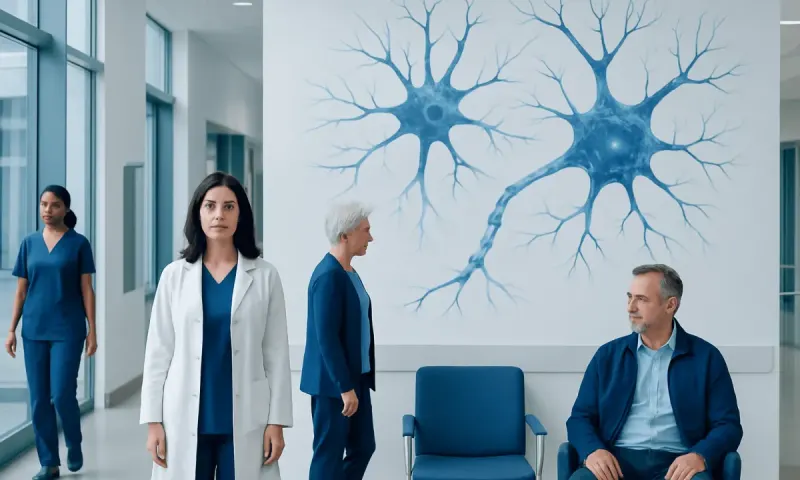
Neurosarcoidosis is an inflammatory condition in which sarcoidosis affects the nervous system. Sarcoidosis is known for causing small clusters of inflammatory cells called granulomas. These granulomas can develop in many parts of the body, most often the lungs or lymph nodes, but in some people they involve the brain, spinal cord, cranial nerves, or peripheral nerves.
This condition is uncommon and can be challenging to recognize because its symptoms depend on exactly where inflammation occurs. One person may develop facial weakness, another may have numbness or trouble walking, and another may experience headaches, vision problems, or seizures. Symptoms may appear suddenly or develop gradually over time.
Neurosarcoidosis can occur in someone who already has a diagnosis of sarcoidosis elsewhere in the body, but it can also be the first noticeable sign of the disease. Because there is no single test that confirms every case, doctors usually make the diagnosis by combining the medical history, neurological examination, MRI findings, laboratory studies, and evidence of sarcoidosis in another organ when possible.
Symptoms of Neurosarcoidosis
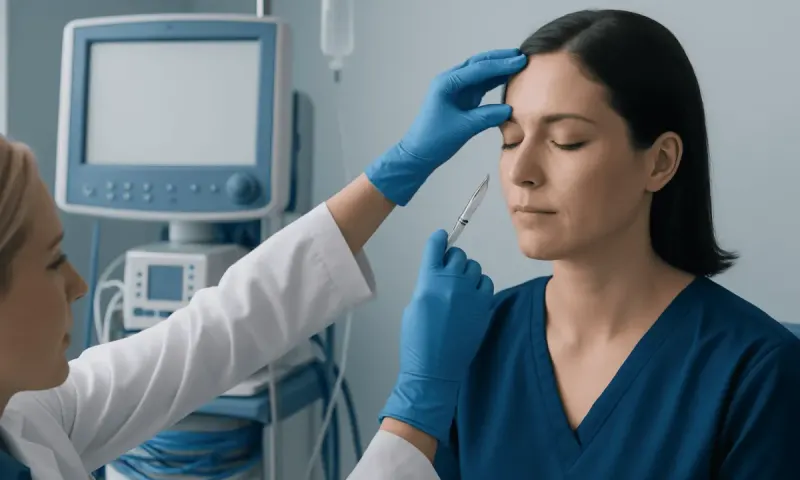
Symptoms vary according to the part of the nervous system involved. Cranial nerve inflammation is one of the better-known patterns and may cause facial drooping, hearing changes, double vision, swallowing difficulty, or reduced sense of smell. Inflammation affecting the brain can lead to headaches, confusion, memory problems, mood changes, seizures, or weakness in an arm or leg.
When the spinal cord is involved, symptoms may include neck or back pain, limb weakness, stiffness, numbness, tingling, bladder changes, or bowel dysfunction. Peripheral nerve involvement can cause burning pain, sensory loss, or muscle weakness in the hands, feet, or face. Some people also develop fatigue, fever, or weight loss related to sarcoidosis itself.
Because these symptoms overlap with many other neurological conditions, neurosarcoidosis can be mistaken for disorders such as multiple sclerosis, infection, tumors, or vascular conditions. For example, sudden facial weakness may raise concern for Bell palsy, while severe headache or focal weakness may prompt urgent evaluation to rule out stroke. The broad symptom range is one reason specialist neurological assessment is important.
- Headache or persistent facial pain
- Facial weakness or numbness
- Vision changes or eye pain
- Seizures
- Weakness, balance difficulty, or trouble walking
- Numbness, tingling, or burning nerve pain
- Cognitive or mood changes
- Bladder or bowel symptoms when the spinal cord is affected
Causes and Risk Factors
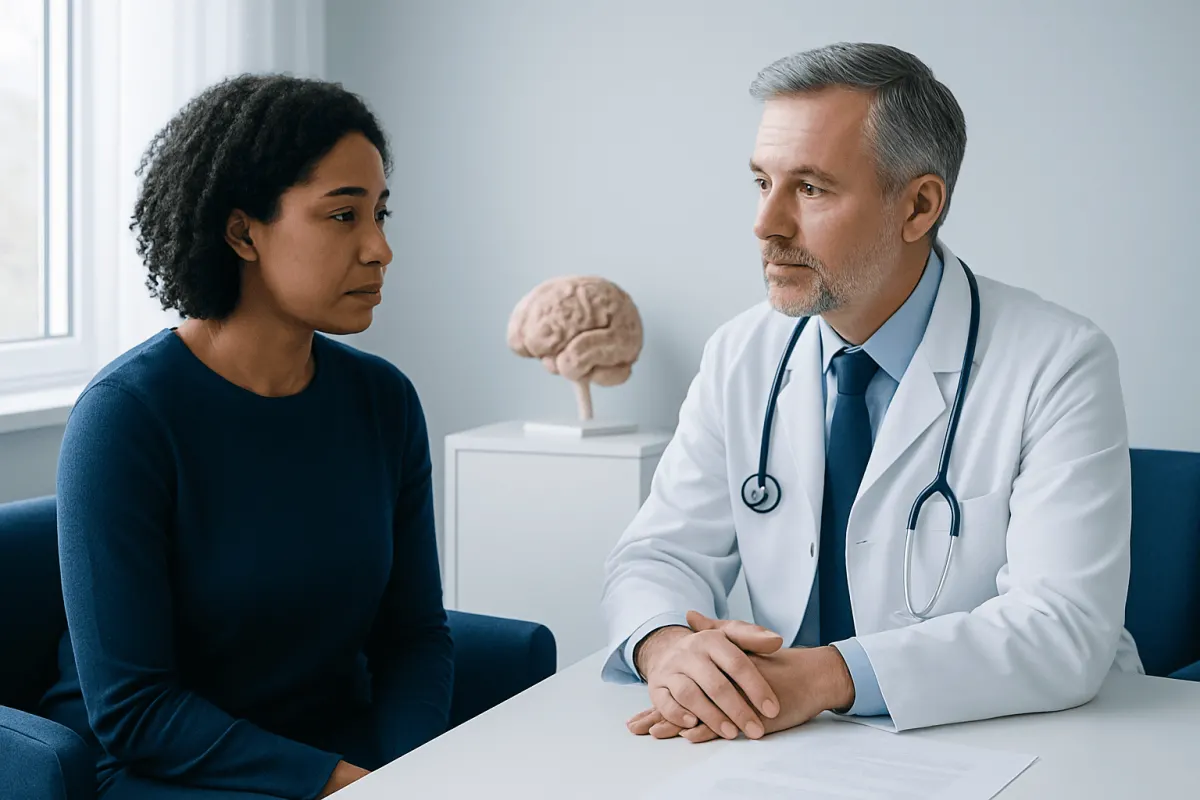
The exact cause of sarcoidosis, including neurosarcoidosis, is not fully understood. It is thought to result from an abnormal immune response in a person with some degree of genetic susceptibility. Environmental triggers may also play a role, but no single cause has been proven. What is clear is that the inflammation is not the same as a cancer process and is not usually considered contagious.
Neurosarcoidosis develops when this inflammatory process targets the nervous system. It may affect the lining around the brain, the brain tissue itself, the pituitary region, the spinal cord, or the nerves that control facial movement, hearing, or vision. In some patients, neurological disease appears alongside lung, skin, or eye sarcoidosis. In others, nervous system involvement is the major concern.
Doctors pay close attention to a personal history of sarcoidosis, inflammatory symptoms in other organs, and prior episodes of unexplained neurological problems. Even so, not everyone with sarcoidosis develops nervous system involvement, and having neurological symptoms does not automatically mean neurosarcoidosis is present. A careful workup is needed to exclude infection, autoimmune disease, and structural conditions such as brain abscess or tumors.
MRI Findings and How Diagnosis Is Made
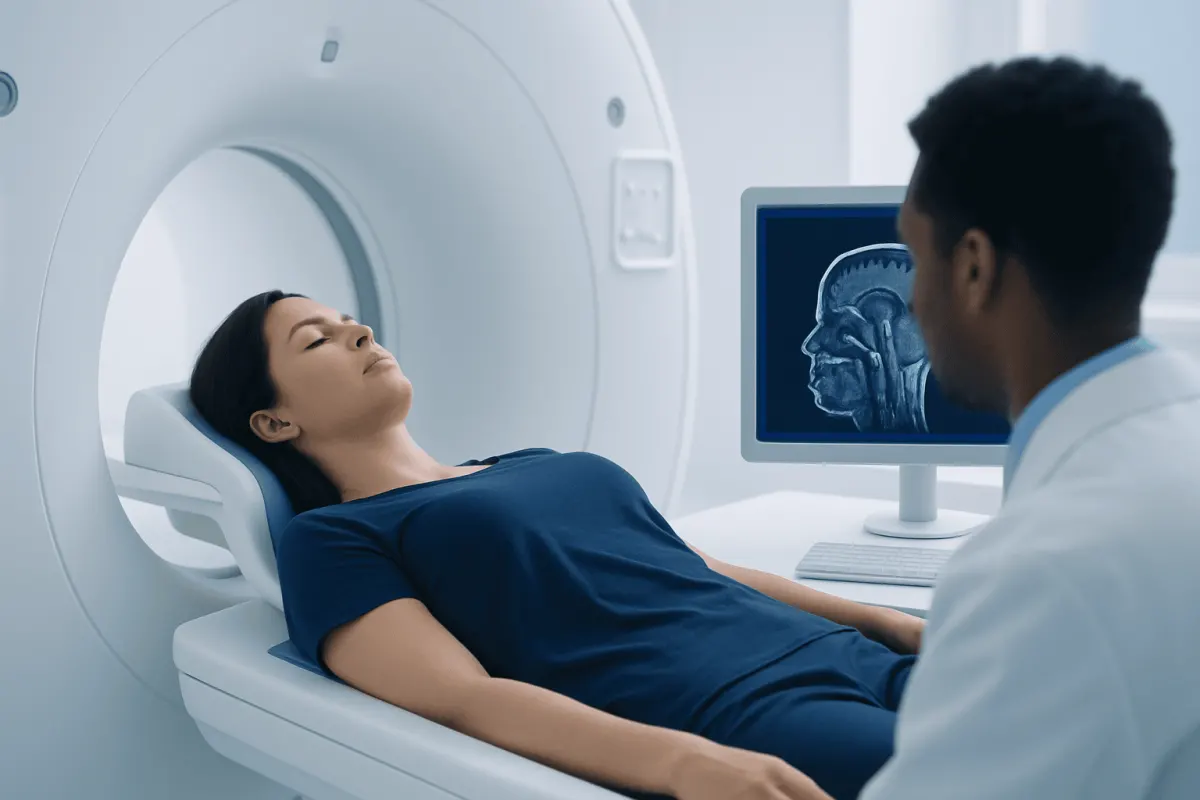
MRI is one of the most important tools in evaluating suspected neurosarcoidosis. It can show inflammation in the brain, meninges, spinal cord, cranial nerves, or pituitary region. After contrast dye is given, doctors may see areas of enhancement that suggest active inflammation. Leptomeningeal enhancement, cranial nerve enhancement, white matter lesions, masses that mimic tumors, or longitudinal spinal cord abnormalities can all be seen in some patients.
However, MRI findings are not specific to neurosarcoidosis. Similar patterns can be seen with infections, multiple sclerosis, vasculitis, lymphoma, and other inflammatory disorders. For that reason, MRI must be interpreted in the full clinical context. Detailed assessment by specialists in neuroradiology is often helpful when findings are subtle or complex.
Diagnosis usually includes several steps beyond MRI. These may include blood tests, chest imaging to look for sarcoidosis in the lungs or lymph nodes, cerebrospinal fluid testing from a lumbar puncture, nerve conduction studies, and eye or skin examination if symptoms suggest involvement there. Whenever it is safe and feasible, biopsy of an affected non-neurological site can provide stronger evidence by showing noncaseating granulomas. In selected situations, neurological tissue biopsy may be considered, but doctors usually try to confirm the disease in a less invasive way first.
Many specialists classify the diagnosis as possible, probable, or definite neurosarcoidosis depending on the symptoms, imaging, biopsy results, and exclusion of other causes. This structured approach helps guide treatment and reduces the risk of treating the wrong condition with powerful immune-suppressing medicines.
Treatment Planning and Medical Care
Treatment planning is individualized because neurosarcoidosis can range from mild and localized to more widespread or relapsing disease. The main goal is to reduce inflammation quickly enough to protect nerve function while also limiting long-term side effects of treatment. Decisions depend on symptom severity, MRI findings, the part of the nervous system involved, and whether disease is active elsewhere in the body.
Corticosteroids are usually the first treatment. They often help control inflammation and may improve symptoms, especially when started promptly. If steroids are not enough, if symptoms return during dose reduction, or if long-term steroid side effects are a concern, doctors may recommend steroid-sparing immunosuppressive medicines. In more difficult cases, biologic therapies may be considered by specialists experienced in inflammatory neurological disease.
Supportive care is also important. This may include medicines for pain, anti-seizure treatment, hormone replacement if the pituitary gland is affected, physical therapy for weakness or balance problems, and vision or hearing support when needed. Coordinated care through services such as neuroimmunology, neuroophthalmology, and neurophysiology can help address the many ways this condition may present.
If a mass-like lesion causes pressure or if the diagnosis remains uncertain, a procedure or surgery may occasionally be needed to obtain tissue or relieve complications. Treatment plans are usually reviewed regularly with repeat examination and, when appropriate, follow-up MRI to check whether inflammation is improving.
Long-Term Monitoring, Prevention, and Self-Care
There is no known way to fully prevent neurosarcoidosis, but careful follow-up can reduce the risk of delayed complications. Once treatment begins, doctors monitor symptoms, neurological function, medication side effects, and imaging changes over time. Some people improve steadily, while others need longer-term treatment to control relapses.
Self-care focuses on supporting overall health and staying engaged with the treatment plan. Patients are generally advised to take medicines exactly as prescribed, attend follow-up appointments, and report new symptoms early. Fatigue management, balanced nutrition, physical activity within comfort limits, and rehabilitation exercises may all support recovery and daily function.
Because immune-modifying treatments can increase infection risk or affect bone health, blood sugar, blood pressure, and mood, routine monitoring is important. It is also helpful to keep a simple symptom diary, especially if headaches, vision changes, or limb symptoms fluctuate. For persistent headaches, doctors may also consider more common causes such as tension-type headache rather than assuming all symptoms are due to neurosarcoidosis.
Near the end of the care pathway, some people benefit from review in a multidisciplinary center. Acıbadem Health Point’s multidisciplinary specialists and JCI-accredited hospitals diagnose and treat neurosarcoidosis for international patients, with care planned according to the neurological findings and the patient’s overall health.
When to See a Doctor
Any new neurological symptom deserves medical attention, especially in a person with known sarcoidosis. A doctor should assess persistent headache, facial drooping, double vision, hearing loss, limb weakness, numbness, balance problems, seizures, or bladder changes. Early evaluation can help identify whether symptoms are due to neurosarcoidosis or another condition that needs different treatment.
Urgent care is particularly important for sudden weakness, new seizures, severe confusion, rapidly worsening vision, or signs of spinal cord compression such as trouble walking with bowel or bladder dysfunction. These symptoms can have several causes, and prompt assessment may protect function and improve outcomes.
Even after diagnosis, ongoing communication with the care team matters. Symptoms that return during treatment tapering, side effects from medications, or signs of infection should be reported promptly. A qualified neurologist, often working with pulmonology, rheumatology, ophthalmology, and radiology specialists, can help guide safe next steps.
Frequently asked questions
01What is neurosarcoidosis?
Neurosarcoidosis is sarcoidosis that affects the nervous system, including the brain, spinal cord, cranial nerves, or peripheral nerves. It happens when inflammatory granulomas form in these areas and interfere with normal nerve function.
02What are the most common symptoms of neurosarcoidosis?
Symptoms vary widely, but common problems include headache, facial weakness, numbness, vision changes, hearing changes, seizures, and trouble with balance or walking. The exact symptom pattern depends on which part of the nervous system is inflamed.
03Can MRI confirm neurosarcoidosis by itself?
No. MRI is very important because it can show patterns of inflammation, but those patterns are not unique to neurosarcoidosis. Doctors usually combine MRI with the neurological examination, laboratory tests, spinal fluid analysis, and evidence of sarcoidosis elsewhere in the body.
04How is neurosarcoidosis treated?
Treatment usually begins with corticosteroids to reduce inflammation. If symptoms are severe, return during tapering, or require long-term control, doctors may add other immune-modifying medicines and supportive therapies such as rehabilitation or seizure treatment.
05Is neurosarcoidosis curable?
Some people respond very well to treatment and have long periods of stability, while others experience relapses or lasting symptoms. Because the course is variable, long-term follow-up is an important part of care.
06Is neurosarcoidosis dangerous?
It can be serious because inflammation in the brain, spinal cord, or nerves may affect important functions such as vision, movement, or thinking. With timely diagnosis and specialist treatment, many patients can achieve better symptom control and protect neurological function.
This article is for general information only and is not a substitute for professional medical advice. Please consult a qualified doctor about your individual situation.
Persistent digestive symptoms? Get evaluated in Turkey
JCI-accredited · board-certified surgeons · reply within 24h
Add us as a Preferred Source to see more of our trusted health content across Google Search, AI Overviews and Discover.