Neuropsychological Testing for Concussion: What It Can Show During Recovery

Neuropsychological testing for concussion can help explain how an injury is affecting attention, memory, speed of thinking, and mood during recovery. It is one part of a broader evaluation and can support safer decisions about return to daily activities, school, work, and sport.
Overview
Neuropsychological testing for concussion is a structured way to look at how the brain is functioning after a mild After the Initial Recovery" class="ahp-ilk">traumatic brain injury. A concussion can temporarily affect attention, memory, concentration, processing speed, reaction time, and emotional regulation. Because these changes are not always visible on routine scans, cognitive testing can offer helpful insight into recovery.
Testing may be brief and computerized, or it may involve a longer evaluation with a Neuropsychologist: Training, Expertise, and When to See One" class="ahp-ilk">clinical neuropsychologist. The goal is not simply to produce a score. Instead, the results are interpreted alongside symptoms, medical history, physical examination, and everyday functioning at school, work, home, or in sports.
For some people, symptoms improve quickly and formal testing is not always necessary. For others, especially when symptoms linger or when decisions about return to sport or safety-sensitive work are needed, neuropsychological testing can be a valuable part of care. It can also help distinguish concussion-related difficulties from other factors that may affect recovery.
What the Testing Can Show During Recovery
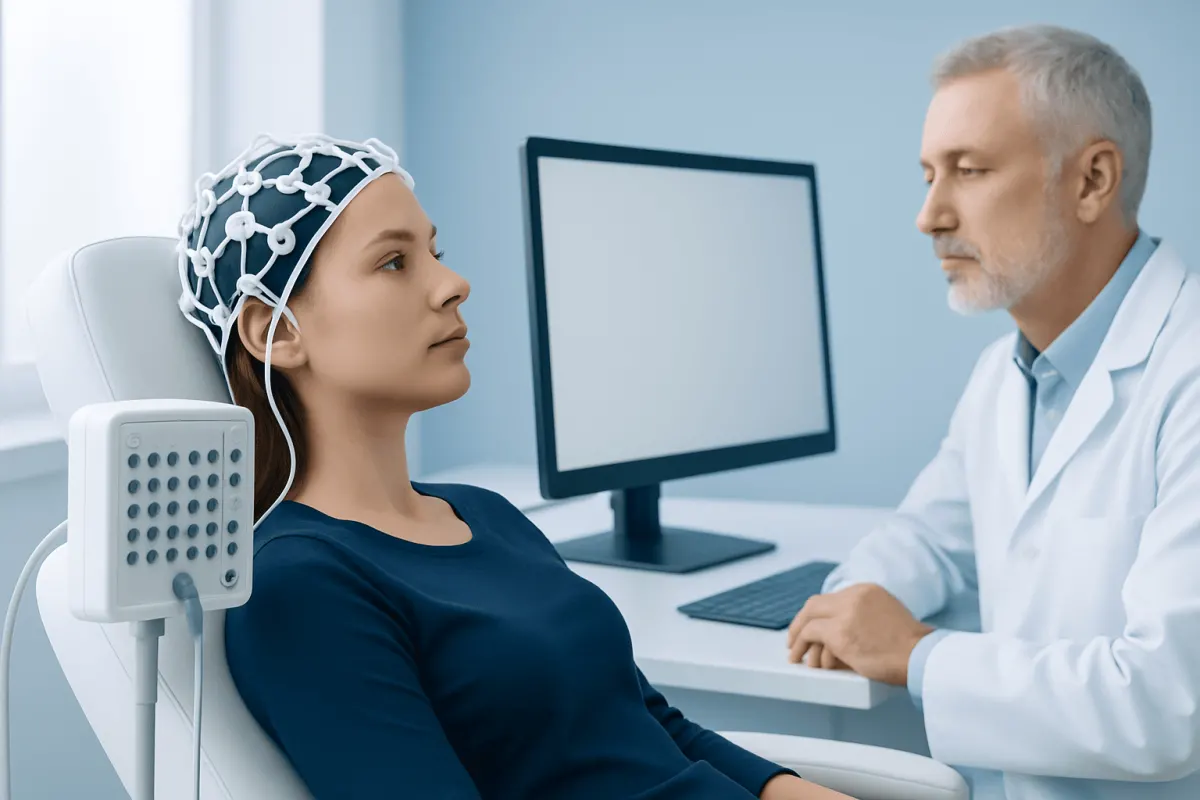
After a concussion, people often describe feeling mentally slower, more forgetful, or less able to focus. Neuropsychological testing can measure these areas in a more objective way. Common domains assessed include attention, working memory, learning and recall, language, visual-spatial skills, reaction time, and executive functions such as planning and mental flexibility.
The results may show whether a person is performing below what would be expected for their age, education, and background. If there is a pre-injury baseline available, such as testing done before a sports season, clinicians may compare current scores with earlier performance. This can help show whether certain skills have returned to usual levels or still need more time.
Testing can also reveal patterns. For example, some people mainly struggle with sustained attention and mental fatigue, while others have more difficulty with speed of processing or new learning. These patterns can help guide practical recommendations, such as shorter school days, reduced screen time, extra breaks, lighter cognitive workload, or a slower return to physically demanding activity.
Importantly, testing may also identify areas that are intact. This can be reassuring during recovery and can help families, schools, employers, and sports staff understand what support is needed and what activities may already be manageable.
Symptoms and Factors That Affect Results

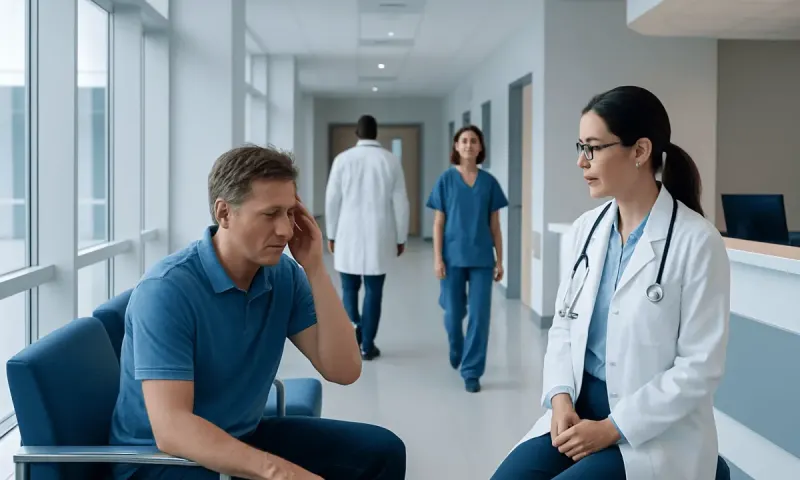
Concussion symptoms can vary from person to person. Some of the most common include headache, dizziness, nausea, sensitivity to light or noise, trouble concentrating, memory complaints, slowed thinking, irritability, mood changes, sleep disturbance, and fatigue. These symptoms can influence test performance, sometimes more than the brain injury itself on a particular day.
That is why neuropsychological testing is interpreted in context. Poor sleep the night before, pain, anxiety about performance, depression, medications, visual problems, vestibular symptoms, or even dehydration can affect attention and memory. In children and adolescents, developmental stage and school demands are also important.
Clinicians also consider previous medical and psychological history. Conditions such as ADHD, learning disorders, migraine, depression, anxiety, and prior concussions may shape both symptoms and test results. This does not make testing less useful. Rather, it highlights why careful professional interpretation matters.
- Symptoms may fluctuate from day to day during recovery.
- Emotional stress and sleep problems can worsen concentration.
- Headache, neck pain, and dizziness may limit performance.
- Testing works best as part of a full concussion assessment, not as a stand-alone answer.
How Neuropsychological Testing Is Done
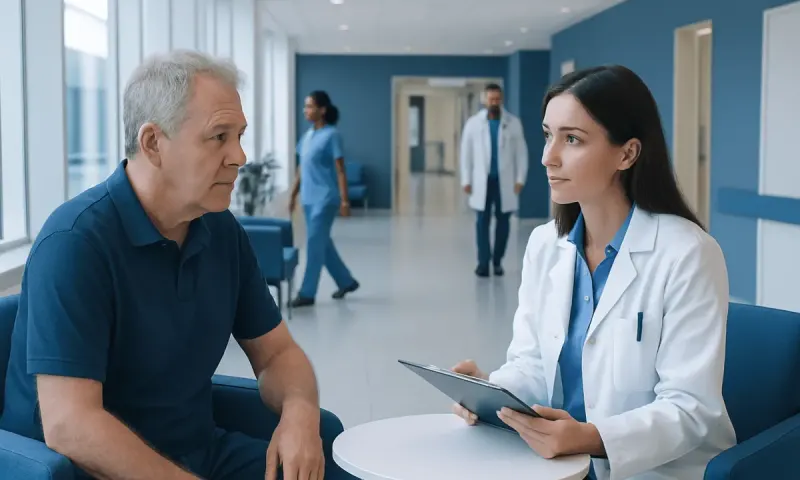
The evaluation usually begins with a clinical interview. The clinician asks about the injury itself, early symptoms, current concerns, past medical history, school or work demands, mood, sleep, headaches, and previous concussions. This helps determine what kind of testing is appropriate and what questions the evaluation should answer.
Screening tools may include brief paper-based tasks or computerized tests that assess speed, memory, and attention. In some cases, especially when symptoms persist or are complex, a full neuropsychological evaluation is recommended. This longer assessment uses standardized tests and may take several hours, sometimes across more than one session.
Many people wonder whether brain imaging and cognitive testing do the same thing. They do not. Standard CT or MRI scans are often normal in uncomplicated concussion, while neuropsychological testing examines function rather than structure. Depending on symptoms, a doctor may still recommend imaging or other assessments to rule out more serious injury or another cause of symptoms. In some cases, broader neurological evaluation may be paired with neurological rehabilitation strategies to support recovery.
Performance validity is also part of careful testing. This means the clinician checks whether the results are a reliable reflection of the person’s best effort. This is important because return-to-play, school accommodations, and workplace decisions should be based on accurate information.
How Results Help Guide Treatment and Return to Activity
One of the main benefits of neuropsychological testing for concussion is that it can support individualized recovery planning. If attention and processing speed are still reduced, a student may benefit from shorter assignments, extra time on tests, or rest breaks. If mental stamina is the main issue, work duties may need to be resumed gradually rather than all at once.
In sport, test results may contribute to return-to-play decisions, but they are only one part of the process. Symptoms at rest and with exertion, neurological examination, balance, vestibular function, and medical judgment all matter. A person should not return to contact sport simply because test scores look improved if symptoms are still present.
Persistent problems may point toward targeted therapies. For example, dizziness and visual motion sensitivity can suggest a need for vestibular assessment, while significant mood or anxiety symptoms may support referral for psychological care. Some patients benefit from a structured recovery plan that includes physical therapy and rehabilitation or coordinated follow-up through specialists familiar with concussion.
When symptoms last longer than expected, testing may also help clarify whether another condition is contributing, such as migraine, sleep disturbance, medication effects, or a coexisting mental health concern. This can be especially useful when people are worried that every symptom must come only from the original head injury.
Limits of Testing and What It Cannot Do
Neuropsychological testing is helpful, but it has limits. It does not replace a medical examination, and it cannot by itself rule in or rule out every concussion. Some people with genuine symptoms may have test scores that fall within the normal range, especially if symptoms are mild, recovery is already advanced, or the test is too brief to capture subtle difficulties.
Results are also not a direct measure of effort in everyday life, emotional distress, or pain burden, even though these factors can influence scores. For that reason, a good evaluation does not focus only on numbers. It looks at how the person is functioning in real settings, such as whether they can tolerate school, meetings, driving, reading, or exercise.
Testing should also not be used to pressure someone into returning too quickly to activity. At the same time, normal recovery should not be delayed unnecessarily if the broader clinical picture shows improvement. The best decisions are usually made when symptoms, examination findings, activity tolerance, and test results are considered together.
Self-care, Follow-up, and When to See a Doctor
Most concussion care begins with a short period of relative rest followed by a gradual return to activity. This means avoiding activities that clearly worsen symptoms while not staying inactive longer than necessary. Light daily movement, hydration, regular meals, good sleep habits, and a step-by-step increase in school, work, or exercise are often recommended under medical guidance.
A doctor should review symptoms that are severe, worsening, or not improving as expected. Ongoing headache, repeated vomiting, increasing confusion, fainting, seizures, weakness, significant drowsiness, or trouble speaking need urgent medical attention. For non-emergency symptoms that persist, follow-up can help identify whether formal cognitive testing, vestibular therapy, headache treatment, or another specialist assessment is needed.
Families often ask when to seek extra help. It is reasonable to ask about neuropsychological testing if concentration and memory complaints interfere with daily life, if school or work accommodations are needed, or if symptoms continue beyond the early recovery period. Multidisciplinary care can be helpful when symptoms overlap with balance, sleep, mood, or pain concerns. Acıbadem Health Point’s multidisciplinary specialists in JCI-accredited hospitals diagnose and treat concussion-related problems for international patients when more comprehensive evaluation is needed.
Recovery is usually gradual and individualized. With appropriate guidance, many people return safely to their usual routines. When needed, clinicians may combine symptom management, cognitive evaluation, and supportive therapies to help recovery move forward with confidence.
Frequently asked questions
01What is neuropsychological testing for concussion?
It is a set of structured tasks used to evaluate thinking skills that can be affected after a concussion, such as memory, attention, processing speed, and problem-solving. The results help clinicians understand how the person is functioning and whether support or activity adjustments may be needed.
02Can neuropsychological testing diagnose a concussion by itself?
No. Concussion is diagnosed using symptoms, the history of the injury, physical and neurological examination, and sometimes additional assessments. Neuropsychological testing adds useful information, but it is only one part of the overall picture.
03When is cognitive testing usually recommended after a concussion?
It may be considered when symptoms interfere with school, work, sports, or daily life, especially if recovery is taking longer than expected. It is also useful when clinicians need more objective information for return-to-learn, return-to-work, or return-to-play planning.
04How long does neuropsychological testing take?
It depends on the type of assessment. Brief screening tests may take a short time, while a full neuropsychological evaluation can take several hours and may be completed over more than one session.
05What if the test results are normal but symptoms are still present?
That can happen. Symptoms such as headache, dizziness, sleep disturbance, anxiety, or fatigue may still affect daily functioning even when scores are within a normal range, so doctors look at the whole clinical picture rather than test scores alone.
06Is neuropsychological testing only for athletes?
No. Although it is commonly discussed in sports medicine, it can be helpful for anyone recovering from a concussion, including children, students, workers, and older adults. The purpose is to understand function and support safe recovery in everyday life.
This article is for general information only and is not a substitute for professional medical advice. Please consult a qualified doctor about your individual situation.
Explore treatments in Turkey — costs, top hospitals & a free quote
JCI-accredited · board-certified surgeons · reply within 24h
Add us as a Preferred Source to see more of our trusted health content across Google Search, AI Overviews and Discover.