Concussion Signs, Recovery, and When to Seek Urgent Care
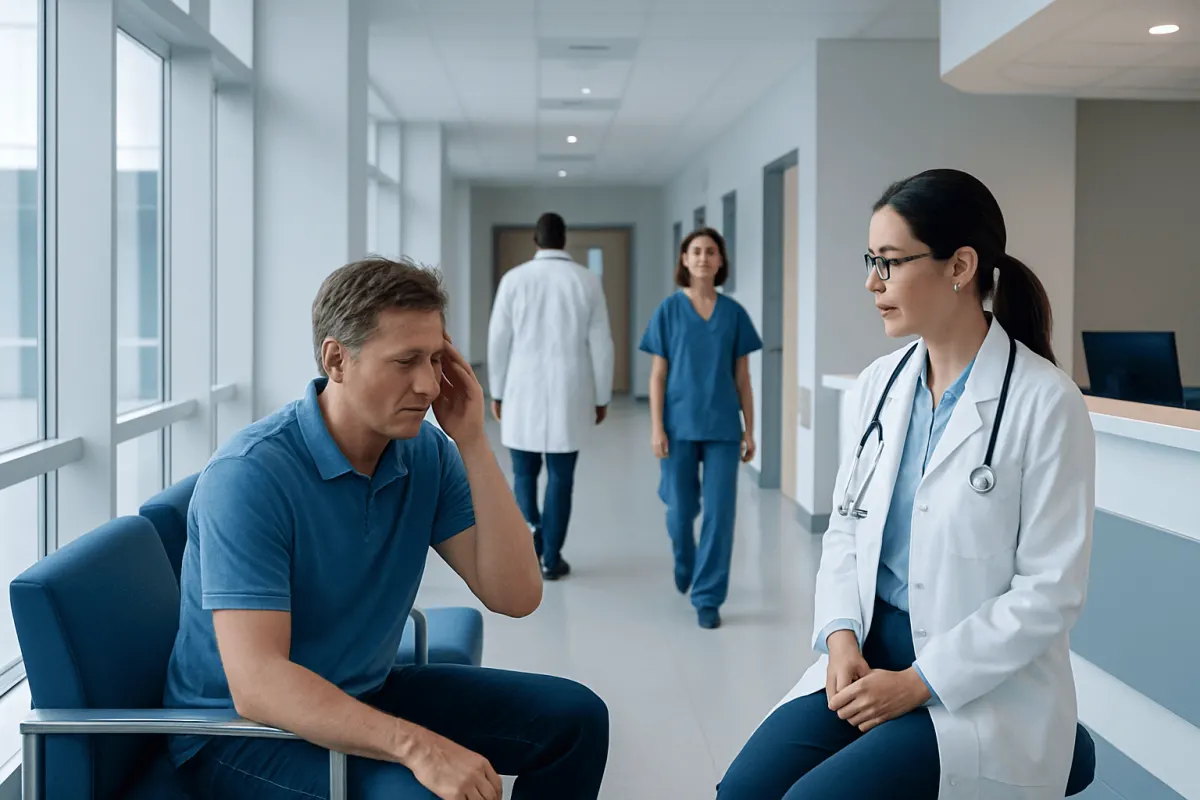
Maybe you hit your head in a fall, or your child came off the field looking dazed. What now? A concussion is a mild After the Initial Recovery" class="ahp-ilk">traumatic brain injury — a blow, jolt, or sudden movement of the head or body that briefly disrupts how the brain works. The good news: most people recover well with timely evaluation, guided rest, and a gradual return to normal activities. But some symptoms need prompt medical care, and it helps to know which ones.
Overview: what a concussion is
A concussion happens when a blow, bump, jolt, or sudden acceleration-deceleration makes the brain move inside the skull. That movement can temporarily change how the brain works — you might notice headache, dizziness, slowed thinking, or sensitivity to light and noise. And no, you don’t need to lose consciousness to have a concussion.
Falls, sports injuries, road traffic accidents, other impacts — concussions are common after all of these. Symptoms may start right away or show up over the next several hours. Doctors call it “mild” because standard brain scans are often normal, but the symptoms can still feel significant, and they deserve careful attention.
Most people recover fully, especially when the injury is caught early and followed by proper rest and a gradual return to usual activities. Even so, take every head injury seriously — symptoms can overlap with more severe problems, like bleeding around the brain or a more serious traumatic brain injury.
How concussion symptoms can feel in daily life

Concussion symptoms often affect more than one area at the same time. Physical symptoms can include headache, nausea, dizziness, balance problems, blurred vision, sensitivity to light or sound, and fatigue. Cognitive symptoms may include feeling mentally foggy, slowed thinking, poor concentration, forgetfulness, or trouble finding words.
Emotions and sleep often take a hit too. You may feel more irritable, anxious, tearful, or just unusually emotional. Sleep can go off track — trouble falling asleep, sleeping more than usual, or waking up unrefreshed.
Children, teens, and adults can describe symptoms differently. A young child may seem clingy, less playful, unsteady, or more easily upset rather than clearly reporting a headache or “brain fog.” In older students and working adults, the first signs may appear as difficulty reading, using screens, remembering tasks, or tolerating busy environments.
- Headache or pressure in the head
- Dizziness or poor balance
- Nausea or vomiting
- Blurred vision or light sensitivity
- Confusion, memory gaps, or slower thinking
- Fatigue, sleep changes, or mood changes
What causes a concussion and who is at risk
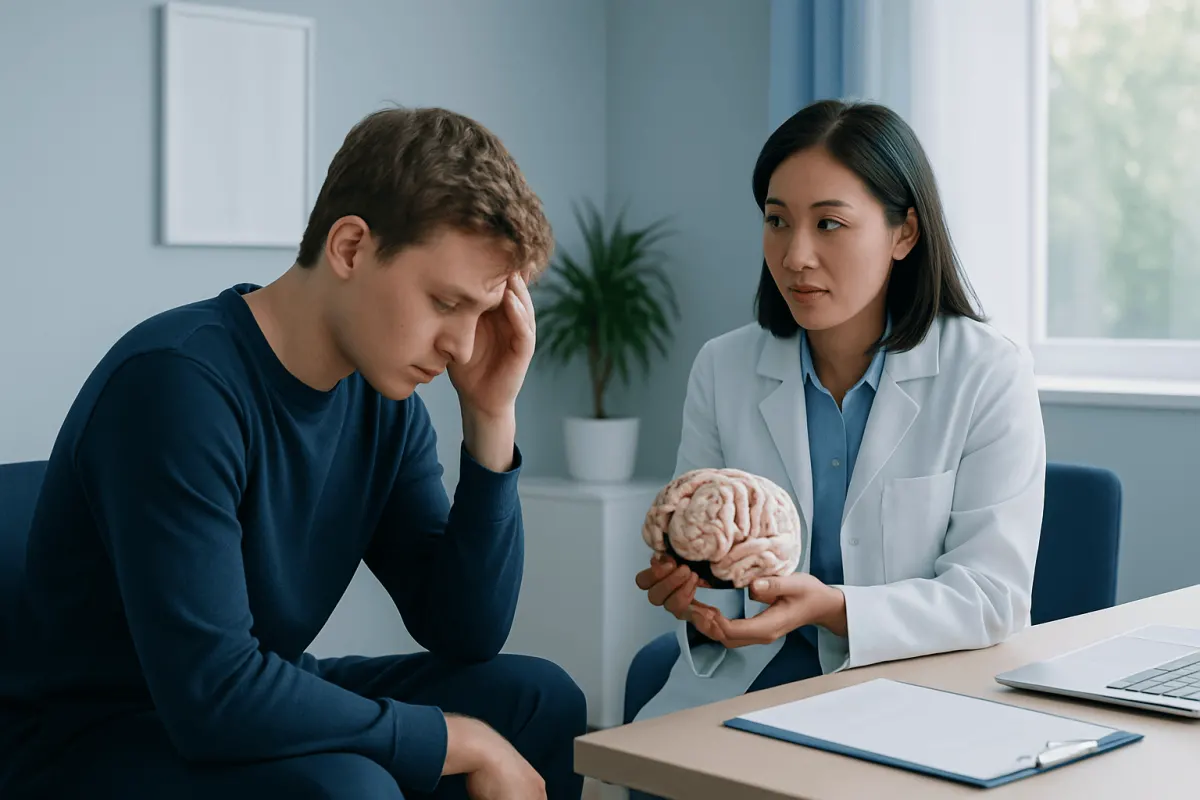
A concussion can result from a direct hit to the head, but it can also happen when the body is struck and the head snaps quickly back and forth. This is why concussions may occur in contact sports, cycling, skiing, falls at home, workplace accidents, and vehicle collisions. Protective equipment can reduce some injury risk, but no helmet can prevent every concussion because the brain can still move within the skull.
Risk may be higher in people who play contact or high-speed sports, have physically demanding jobs, have had a previous concussion, or are very young or older and therefore more vulnerable to falls. Recovery may take longer in people with migraines, anxiety, depression, attention-related difficulties, or sleep disorders, though each case is different.
Alcohol or substance use around the time of injury can make symptoms harder to recognize. Keep in mind that a concussion can happen alongside injuries to the neck, face, jaw, or inner ear — and those can add to dizziness, pain, and balance problems. In some cases, clinicians may also assess for brain hemorrhage or cervical strain if the history or examination suggests a more serious injury.
How doctors diagnose a concussion
There is no single blood test or imaging test that confirms every concussion. Diagnosis is usually based on what happened, what symptoms appeared afterward, and findings on a neurological examination. A clinician may ask about memory, attention, balance, vision, sleep, and whether there was any loss of consciousness or amnesia.
The examination may include checking alertness, eye movements, pupil responses, coordination, strength, sensation, and gait. In children and athletes, symptom checklists and balance or cognitive screening tools can help support the assessment, but they do not replace a medical evaluation.
Imaging such as a CT scan or MRI is not needed for every concussion. It is typically considered when there are warning signs of a more serious injury, such as severe worsening headache, repeated vomiting, seizure, significant confusion, focal weakness, or concern about bleeding. If needed, doctors may use CT scan or MRI to look for problems that a routine concussion exam cannot show.
Concussion symptoms can look a lot like migraine, dehydration, anxiety, vestibular problems, or plain sleep deprivation, so diagnosis sometimes means ruling those out. Tell your doctor about all your symptoms, medications, and any previous head injuries — it helps them find the safest plan for you.
Treatment and recovery after concussion
The main treatment for concussion is a short period of relative rest followed by a gradual, symptom-guided return to activity. Relative rest means reducing activities that clearly worsen symptoms while still allowing light daily tasks as tolerated. Complete dark-room rest for long periods is usually not recommended because it may delay recovery in some people.
During the first one to two days, patients are often advised to limit intense exercise, alcohol, and long periods of screen use if these trigger symptoms. Adequate hydration, regular meals, and a consistent sleep schedule can help. If headache, neck pain, dizziness, or sleep issues continue, a doctor may suggest targeted treatment rather than waiting it out.
Return to school, work, and sports should be stepwise. Many people benefit from temporary adjustments such as shorter school days, reduced screen time, extra breaks, lower noise exposure, or lighter duties at work. Athletes should not return to contact play until symptoms have fully resolved and they have been medically cleared, because another injury before recovery can be dangerous.
Some patients need specialist support, especially if symptoms persist beyond the expected recovery period. Depending on the main problems, care may include physical therapy and rehabilitation for balance or neck symptoms, vestibular therapy for dizziness, or input from neurology, sports medicine, or psychology. Near the end of care planning, some international patients choose evaluation at Acıbadem Health Point, where multidisciplinary specialists in JCI-accredited hospitals assess and treat concussion-related concerns.
Prevention and self-care strategies
Not every concussion can be prevented, but practical safety steps can lower risk. Wearing a seat belt, using age-appropriate car seats, improving home lighting, removing tripping hazards, and using helmets for activities such as cycling, skating, or skiing are all sensible measures. In sports, good technique, rule enforcement, and honest reporting of symptoms matter as much as equipment.
After a concussion, self-care focuses on giving the brain time to recover without over-restricting activity. Light walking and gentle daily movement may be introduced when they do not significantly worsen symptoms. Many patients find it helpful to pace their day, take regular breaks, and gradually increase reading, screen time, and mental tasks.
A symptom diary is worth trying. Jot down headaches, sleep quality, dizziness, concentration problems, and triggers like noise or exercise — it gives your clinician something concrete to tailor advice around. Family, teachers, coaches, and employers may need guidance too, so everyone’s expectations stay realistic while you recover.
People who have had one concussion should be especially cautious about future head injuries. A prior concussion does not mean someone will always have long-term problems, but it does make prompt recognition and proper management of any new head injury particularly important.
When to seek medical care
Medical evaluation is appropriate for any suspected concussion, especially in children, older adults, people taking blood thinners, and anyone whose symptoms interfere with normal function. Even if symptoms seem mild at first, they can change over the next several hours. Early guidance can also help reduce the risk of returning to activity too quickly.
Urgent or emergency care is needed if warning signs appear. These include worsening or severe headache, repeated vomiting, increasing confusion, unusual behavior, slurred speech, weakness or numbness, seizures, one pupil larger than the other, inability to wake the person normally, neck pain after significant trauma, or loss of consciousness. Any concern about a serious head injury after a fall, sport collision, or traffic accident should be assessed promptly.
Don’t skip follow-up care if symptoms drag on longer than expected, if you’ve had repeated concussions, or if school, work, or sleep is still a struggle. Some people need structured rehabilitation, especially when dizziness, headaches, or concentration problems continue. In selected cases, clinicians may recommend further neurological assessment or electroencephalography (EEG) if episodes raise concern for seizures rather than typical concussion symptoms.
Frequently asked questions
01Can someone have a concussion without passing out?
Yes. Loss of consciousness is not required for a concussion diagnosis, and many people never black out. Symptoms such as headache, confusion, dizziness, or trouble concentrating after a head impact can still indicate a concussion.
02How long does concussion recovery usually take?
Recovery time varies from person to person. Many people improve over days to weeks, but some have symptoms that last longer and need follow-up care. Children, teens, and people with prior concussions or migraine may recover more slowly.
03Should a person with concussion stay awake or be woken up at night?
A doctor may give specific instructions based on the injury, symptoms, and the person's general health. In many cases, sleep is helpful for recovery, but emergency assessment is needed first if there are red-flag symptoms such as severe confusion, repeated vomiting, or unusual drowsiness.
04Is it safe to use phones, computers, or watch TV after a concussion?
Screen use is not always forbidden, but it should be limited if it clearly worsens symptoms such as headache, light sensitivity, or mental fatigue. Short, tolerable periods are often reasonable, followed by breaks. The goal is symptom-guided pacing rather than complete avoidance for long periods.
05When can sports or exercise start again after a concussion?
Light activity can usually begin once it does not significantly worsen symptoms, but contact sports should wait until the person is symptom-free and medically cleared. Return should be gradual and stepwise. Going back too soon increases the risk of another injury before the brain has recovered.
06Do all concussions need a CT scan or MRI?
No. Many concussions are diagnosed from the history and neurological examination alone. Brain imaging is mainly used when doctors suspect a more serious injury, such as bleeding, skull fracture, or another cause of severe or worsening symptoms.
This article is for general information only and is not a substitute for professional medical advice. Please consult a qualified doctor about your individual situation.
Persistent digestive symptoms? Get evaluated in Turkey
JCI-accredited · board-certified surgeons · reply within 24h
Add us as a Preferred Source to see more of our trusted health content across Google Search, AI Overviews and Discover.